Top Highlights of the Annapurna Base Camp Group Trek You Can’t Miss
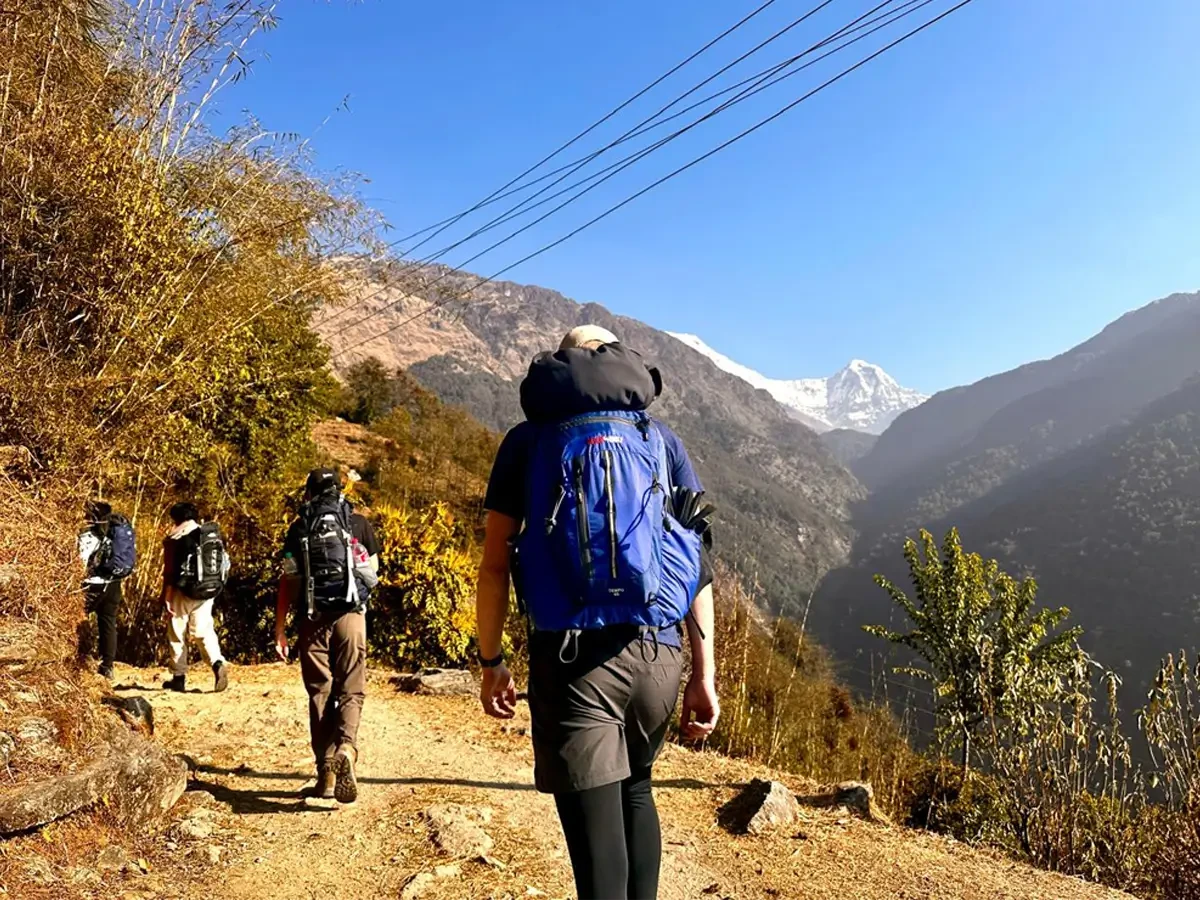
- Enjoy a scenic Kathmandu to Pokhara road trip with your trekking crew.
- Conquer the legendary Ulleri stone staircase together.
- Explore Ghorepani village surrounded by rhododendron forests.
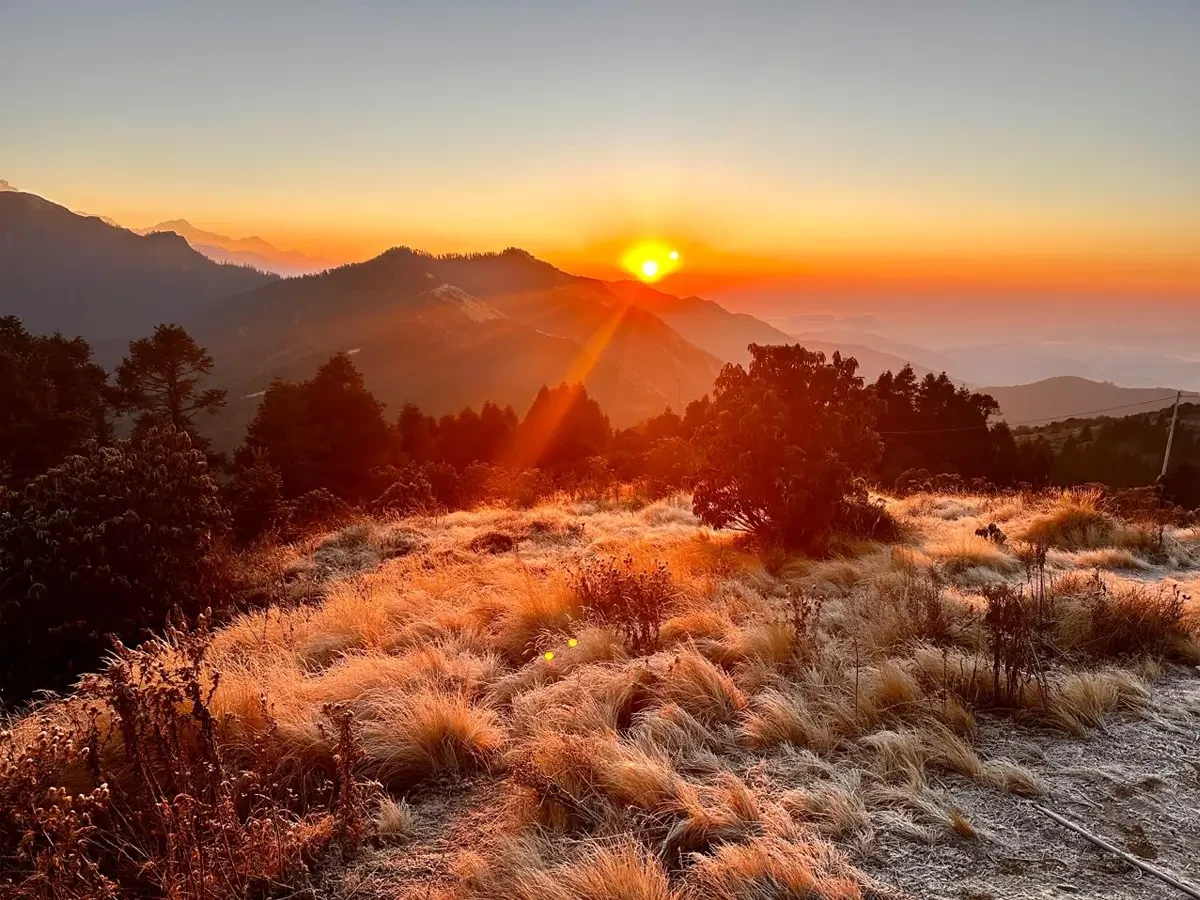
- Watch the sunrise from Poon Hill (3,210 meters) as golden light hits Annapurna and Dhaulagiri ranges.
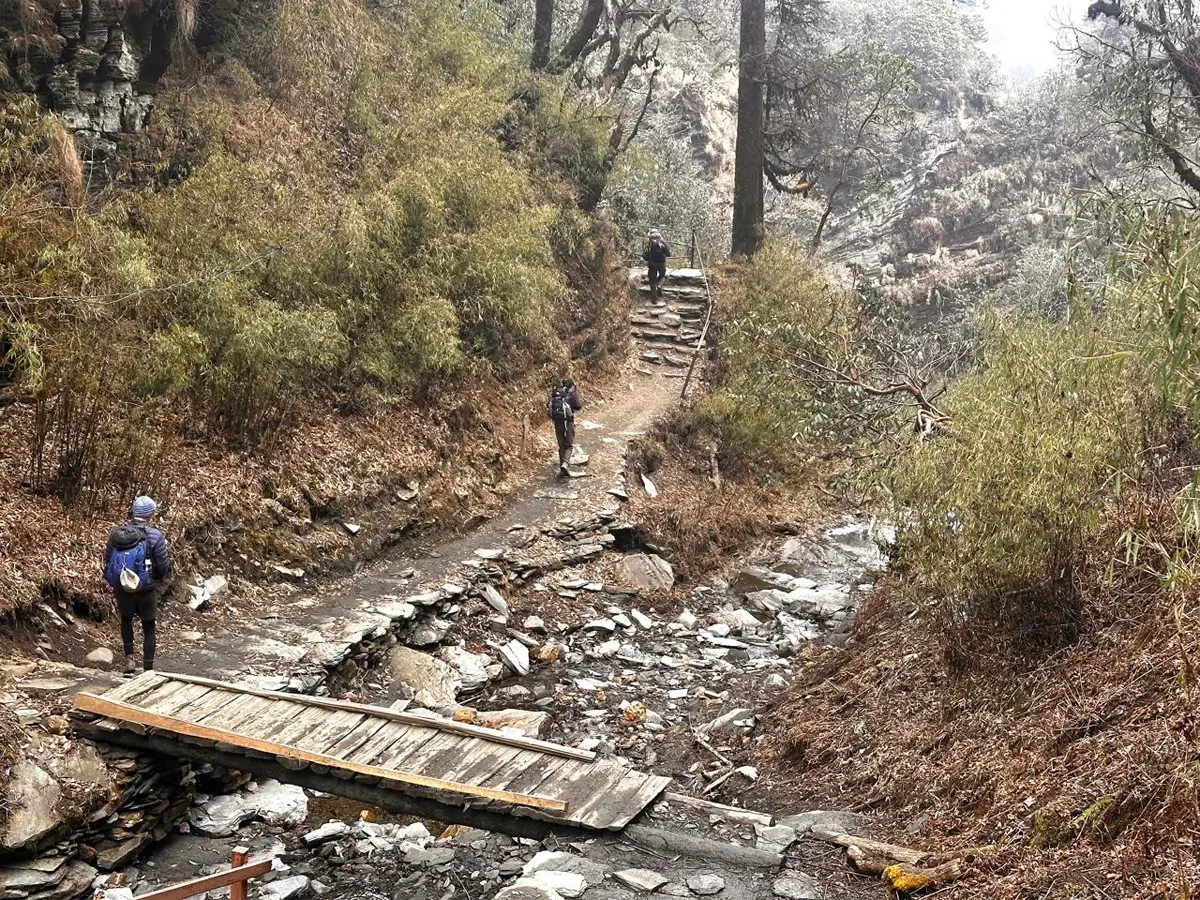
- Trek through magical forest trails between Ghorepani and Tadapani filled with mossy trees and mountain mist.
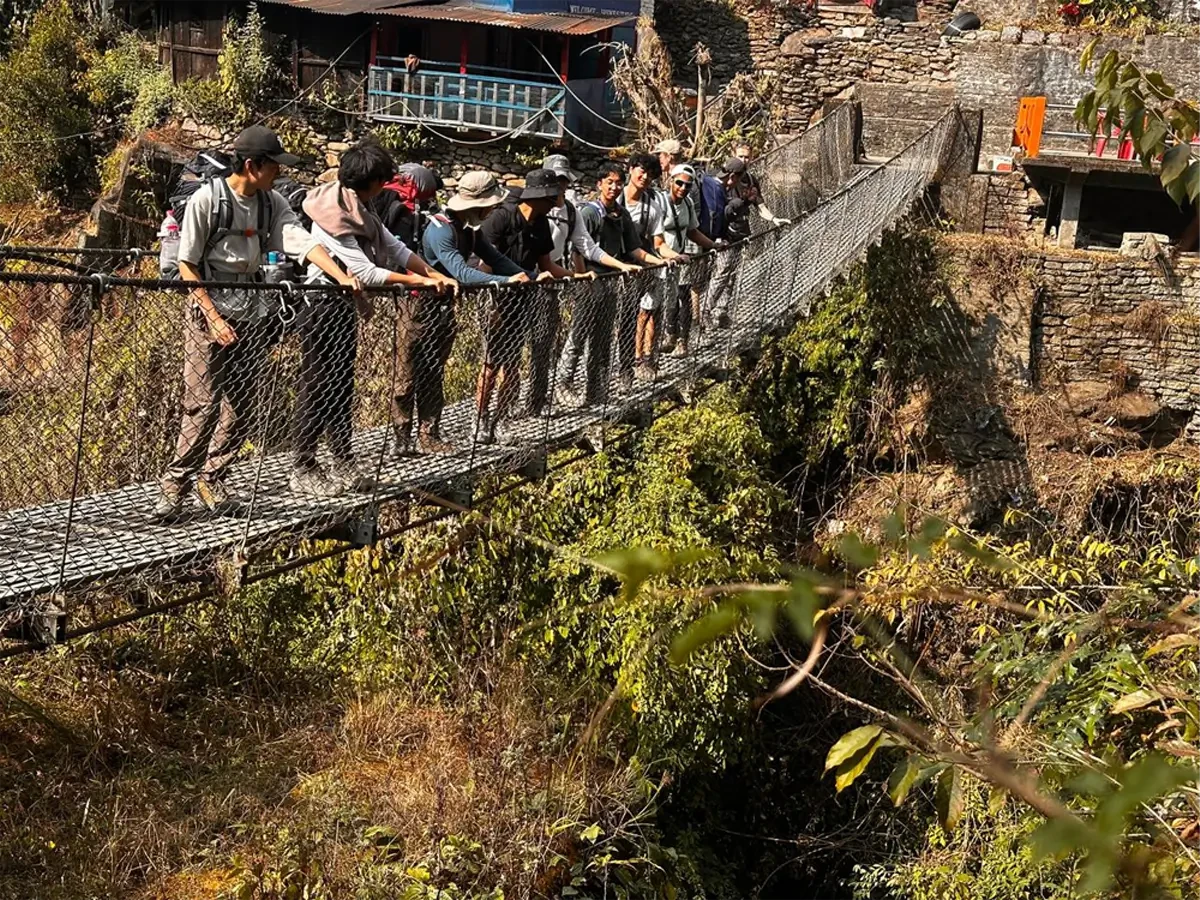
- Walk alongside waterfalls, suspension bridges, and jungle-like paths.
- Enter the Annapurna Sanctuary, where towering Himalayan giants slowly surround you from every direction.
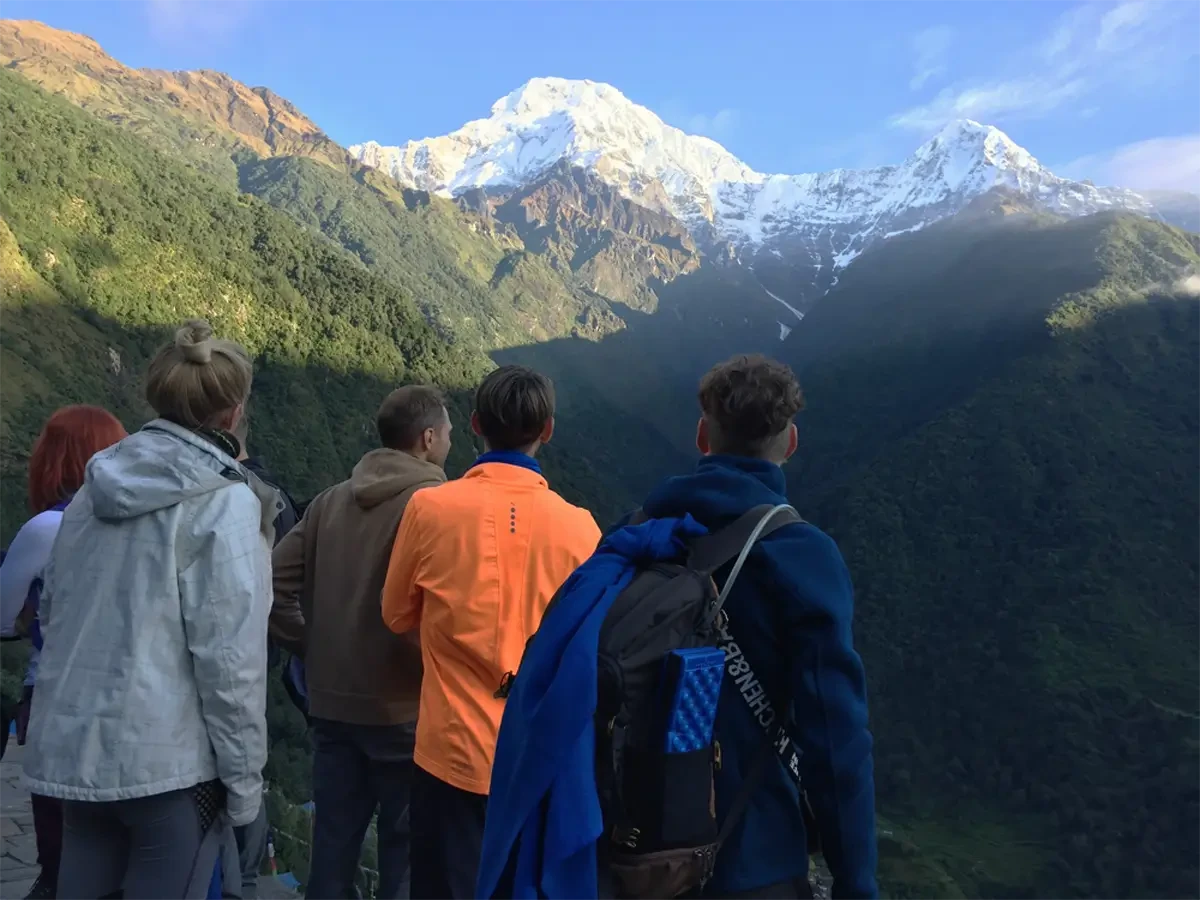
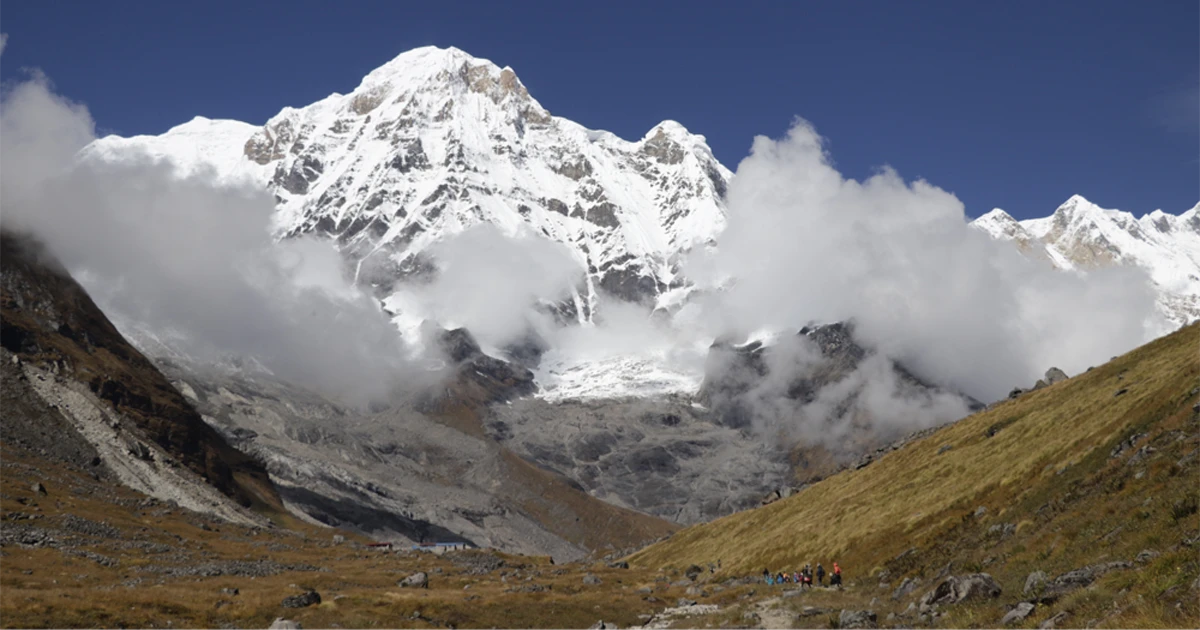
- Stand at Annapurna Base Camp (4,130 meters), surrounded 360° by snow-covered peaks including Annapurna I, Machapuchare, Hiunchuli, and Annapurna South.
- Experience unforgettable Himalayan sunsets and sunrises right outside your teahouse door at base camp.
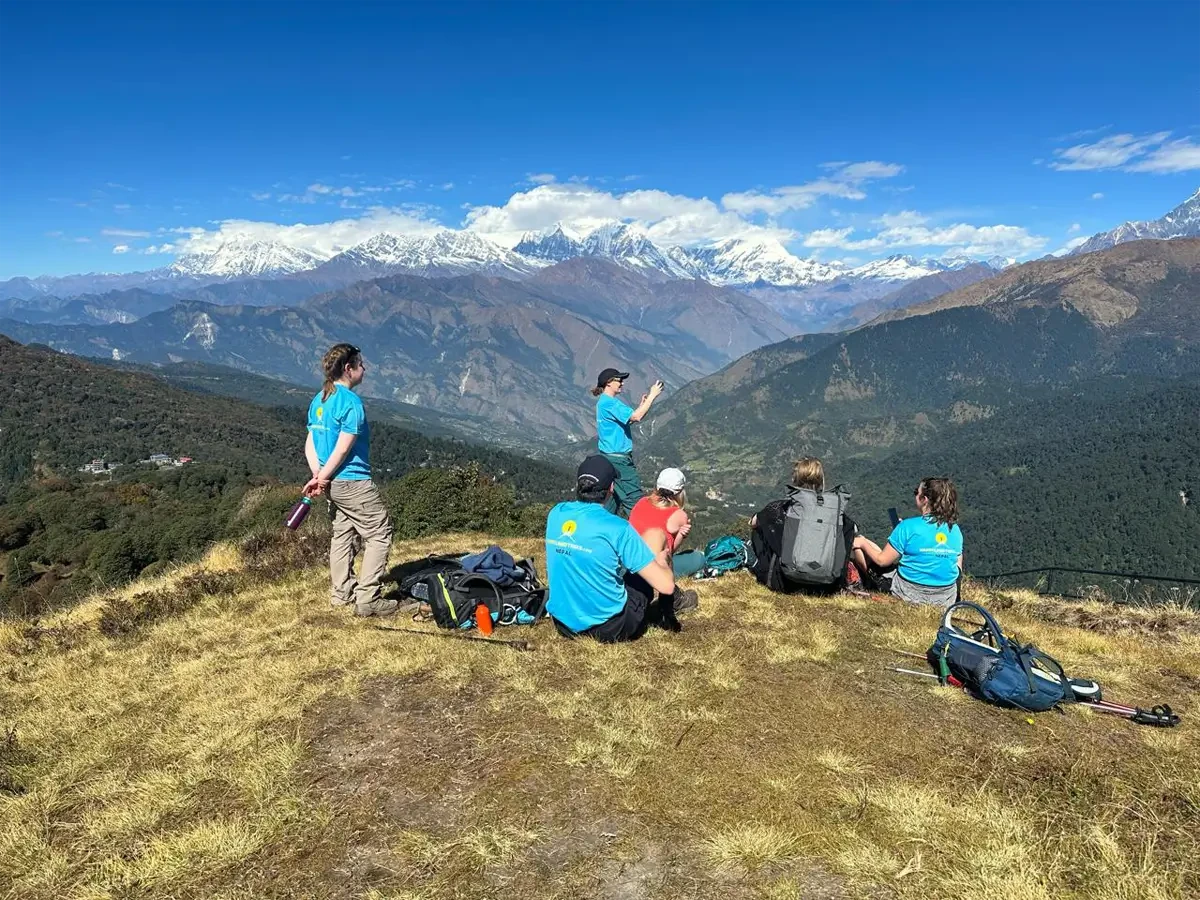
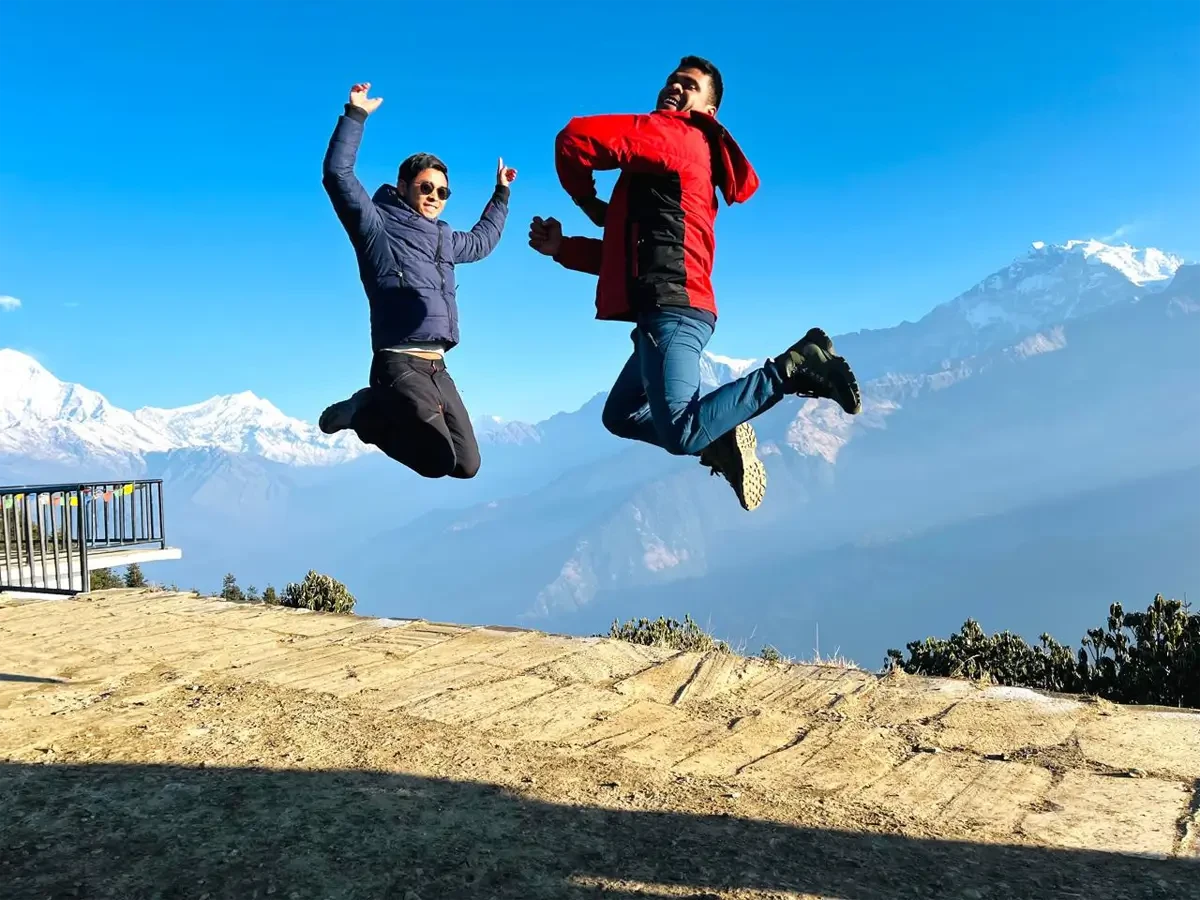
- Celebrate achievement together with your group at base camp.
- Relax tired muscles at Jhinu Danda natural hot springs, arguably the most deserved bath of your entire life.
- Enjoy cozy teahouse evenings filled with card games, shared stories, and laughter.
- Experience authentic Gurung culture, local hospitality, and mountain lifestyles.
What Exactly is a Group Trek to Annapurna Base Camp?
The Annapurna Base Camp Group Trek is basically your excuse to escape the real world, hike with a bunch of new friends, drink more Nepali tea than you thought possible, laugh at your own wobbly legs, and stare at mountains so jaw-dropping you will forget to check Instagram.
This route to Annapurna Base Camp asks no climbing skills, just steady steps across terraced hills and stone trails. Mountains rise without warning, their faces lit by morning light, while villages appear below. You will share food, stories, and sometimes silence. The trail feels lighter when someone walks beside you.
Tucked inside Nepal’s well-known Annapurna area, this path moves travelers from busy towns through quiet mountain terrain, inching upward toward Annapurna Base Camp, perched at 4,130 meters, where towering summits rise all around. Starting off usually means reaching Pokhara first, a scenic lake city, then stepping onto trails that climb into higher ground on foot.
Nowhere else does the path run so close to the Modi Khola, tracing its flow through thickets of rhododendron, patches of bamboo, fields carved into hillsides, and quiet mountain hamlets. With every step forward, the world shifts shape. First comes a stretch of forest alive with chirping wings, then suddenly, it opens up to high-altitude terrain where the Annapurna peaks rise.
Up high on the ABC trek, mountains stretch wide under open skies. Moving forward, Annapurna I rises into view, massive and still. Nearby, Annapurna South cuts a sharp line against the light. Hiunchuli appears next, then Machhapuchhare (known to many as Fishtail) stands.
Folks who chase high trails have walked here for years, drawn by steep paths and big views, over time it became a go-to journey through the Himalayan range.
Through valleys, homes appear, mostly Gurung, many Magar. Spirituality shows itself differently here, with Buddhism mixed with Hindu traditions.
What Makes Group Trekking ABC So Much Better Than Solo?
Trekking the Annapurna Base Camp with a group means you never have to talk to yourself in the mirror before breakfast; there is always someone to laugh with, complain about stairs with, and share that extra plate of dal bhat – rice and lentil soup.
Truth is, going with others shifts everything about reaching ABC; suddenly, it feels lighter. Solo might seem bold on paper, yet walking together brings warmth where you least expect it. Safety slips into each step when people share the trail. Motivation sticks around longer than planned.
Built-in encouragement comes easier when you hike in a group. Tough climbs feel lighter because others on the trail push without trying.
With group hikes, someone else maps out the path ahead of time. That setup means altitude gains happen at a safer rhythm.
The plan covers daily distances, rest stops, and meal breaks, all laid out in advance. Someone always knows the next village, even when trails fade into mist. Preparation stays off your plate because others handle permits, drop bags, and supply runs. Everything is organized.
Safety is another major reason why trekking ABC in a group is better than going solo. At higher altitudes, small health changes matter. With guides and group members around, someone will quickly notice if you look unusually tired, dizzy, or quieter than usual.
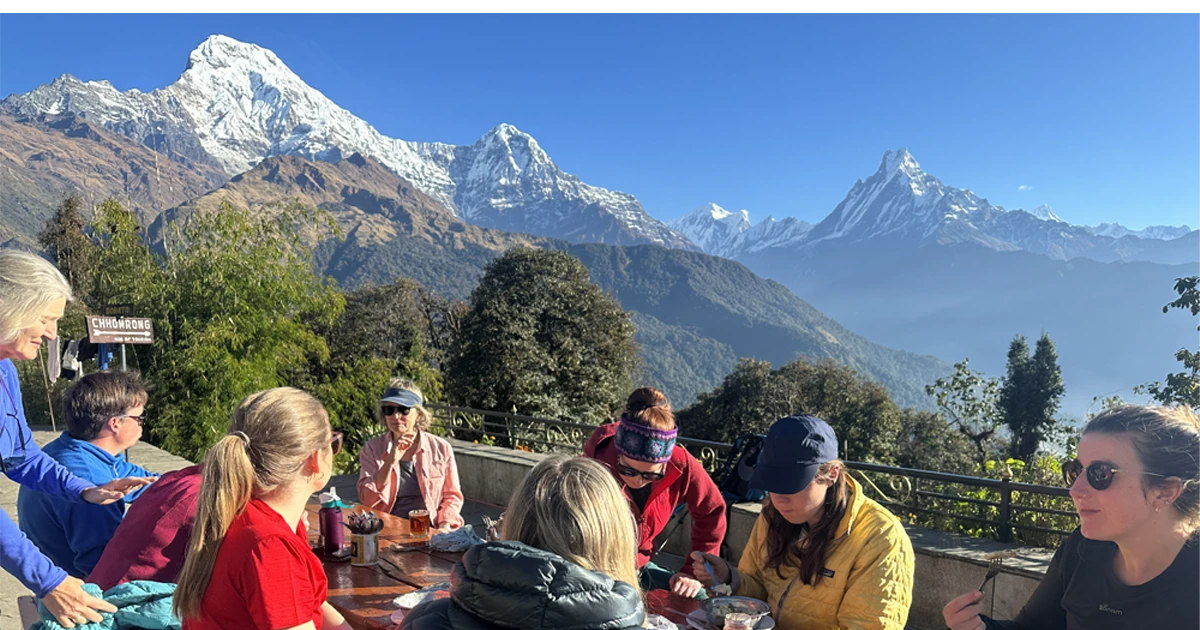
Then comes the social magic. Meals passed around a table, sipping tea under quiet skies, small wins celebrated together, these moments reshape unfamiliar faces into close companions. When your boots finally touch the ground at ABC Annapurna Base Camp, bonds formed along the way might already feel like they have lasted forever.
Sharing expenses on an Annapurna Base Camp group trek cuts individual costs. When people join together, things like guide fees, porter pay, and travel get split up. Group size changes how much each one spends. Bigger groups usually mean smaller shares for everyone involved. Normally the trek cost varies on the quality of service.
Something often overlooked? The way groups open doors to real cultural moments. More travelers mean more viewpoints, life experiences, and personal histories shaping each day.
Who Can Join This ABC Group Trek?
Most folks think high mountain treks demand extreme fitness, but here’s the twist, the Annapurna Group Trek skips those rules entirely.
Anyone with steady legs and curiosity can join, no pre-dawn sprints required. Adventure isn’t reserved for experts; it opens wide for everyday travelers too. What counts is willingness.
Nestled in Nepal, this journey stands out by staying within reach, physically and logistically.
Young or old, if you crave trails and fresh air, this trip fits just right. Sure, beginners can join. It’s seen as an easier hike. Walking a few hours each day? That’s enough prep.
Even seasoned hikers pick this route, as being around others who love the wild tends to lift the whole experience.
Families and groups of friends can easily join the ABC group departure, making it a fantastic shared experience across generations.
Even if you consider yourself “fitness-curious” or slightly out of shape, this trek is still achievable with basic preparation. The gradual itinerary, guide support, and group encouragement make the challenge manageable and surprisingly fun.
What is the Annapurna Base Camp Trail Really Like?
Fresh scenery each day might make the journey seem more like stepping into a different world. One moment you are among rice fields, next you are above the clouds.
With every turn, terrain shifts as stone paths give way to icy streams. Mountains appear suddenly. Each sunrise brings sharper air, thicker mist, deeper silence.
Out here, life moves slowly. Farmers bend over fields. Smoke curls from chimneys as voices carry across valleys.
Step further into the Annapurna area, and soon you will face a well-known part of Nepali treks, stone stairways. Past Ulleri, through small settlements, endless stone treads rise without pause. Crafted by hand, rooted in tradition, they also happen to challenge how strong your lungs feel.
Overhead, branches tangle into a canopy with rhododendron and bamboo. Further on, humidity wraps the body, and you might smell the wet ground.
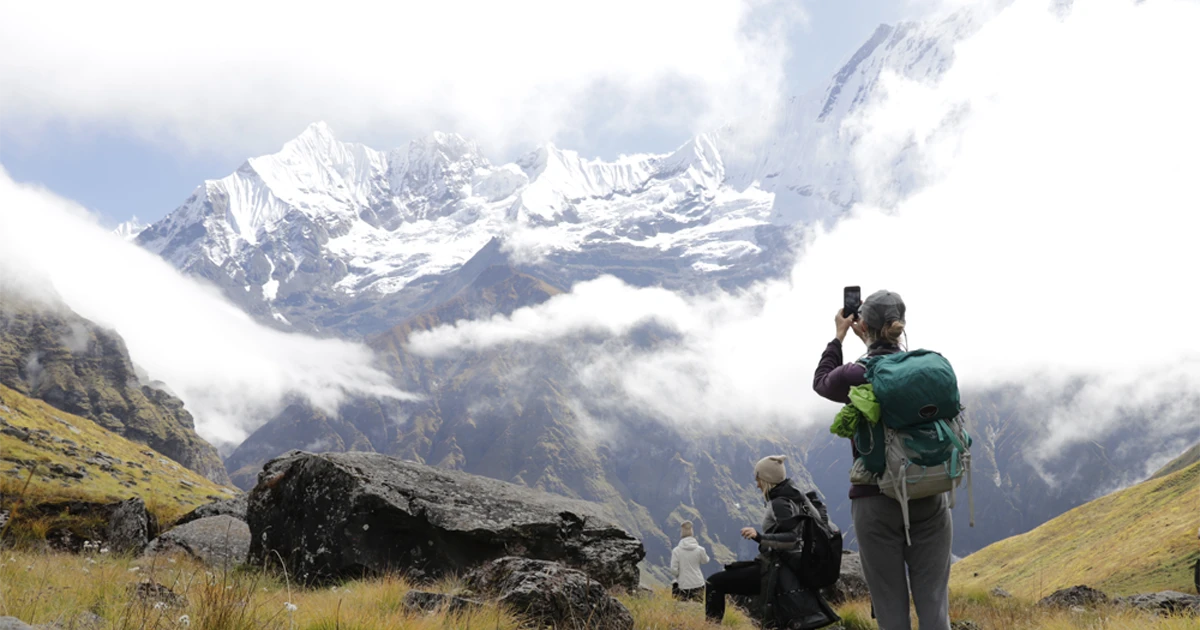
Midway through, suspension bridges come into view, strung above rushing water. They feel safe, yes, yet somehow still make your foot pause, if only for a breath, maybe two. That split second is when you reach for the camera.
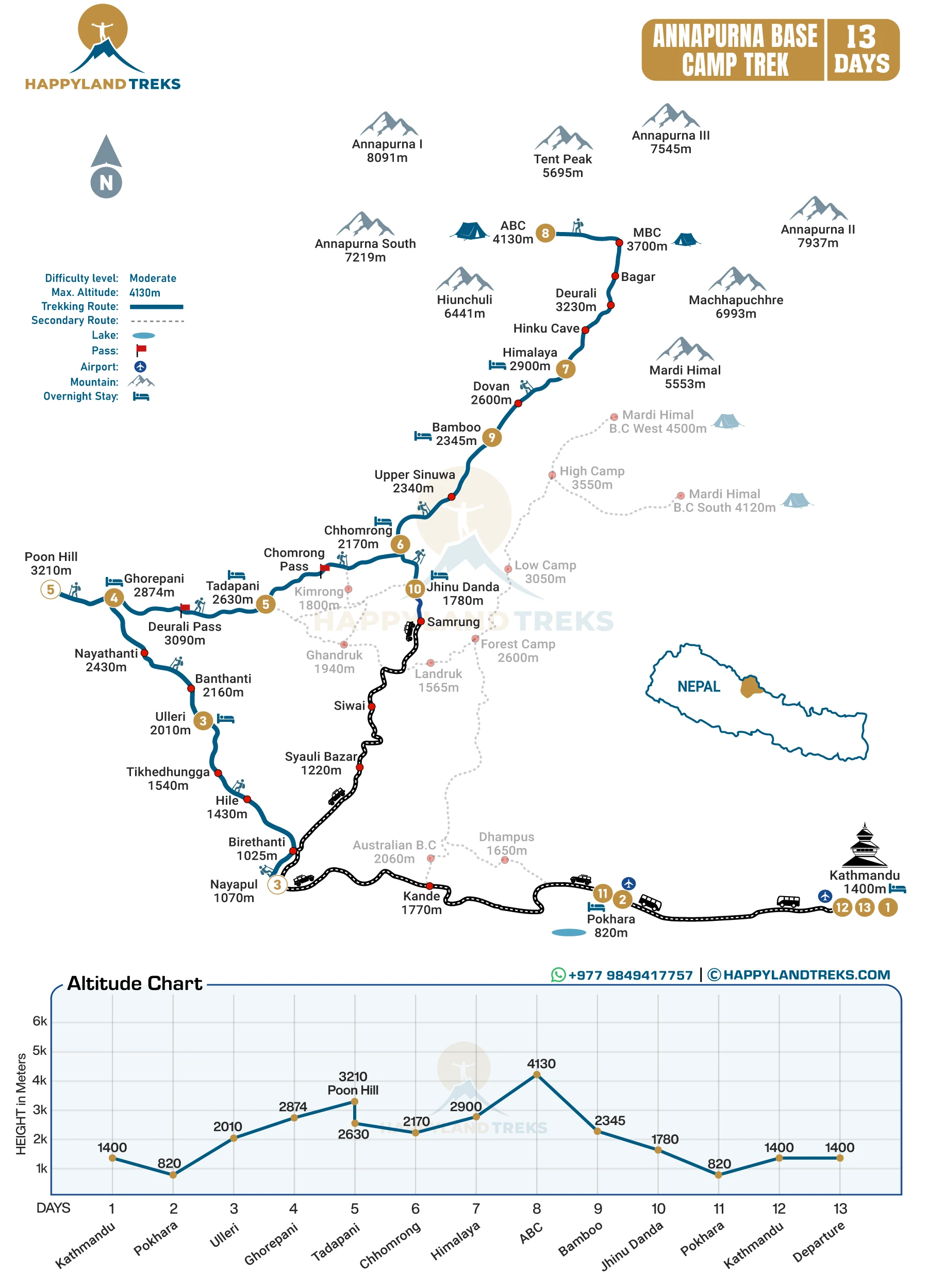
Paths wind through Chhomrong, then Sinuwa, slipping past Bamboo into a stretch that seems buried deep in the Himalayan spine.
Beyond the tree line, open fields nestle among stone ridges. Peaks loom closer when the ground turns rough underfoot.
Footsteps grow lighter on wider paths near the end of the trail to Annapurna base camp. With slopes that ease into gentle rises, there is time to notice how the sanctuary wraps around like a wall of rock and ice.
Why The Annapurna Base Camp Group Trek is a Must-Do (Even if You Are a Couch Potato)
Jaw-Dropping Himalayan Views You Actually Want to Wake up for
Frost stings your skin when daylight first touches the mountain tops. Above, shadows stretch long between sharp edges of rock. Routine slips away once the sun fills every crack, and cold stops mattering.
Before sunrise, movement begins toward Poon Hill, renowned for the wide views of the Himalayan range. Slow light climbs first onto Dhaulagiri's ridges, shifts next to Annapurna I, slips across Annapurna South, and reaches Machhapuchhare, called Fishtail by many.
Down tadapani to Chuile cool forest walk and past Chhomrong, the land folds upward where peaks no longer seem far away. Close to Deurali, stone paths lead higher into thin air. At MBC Machhapuchhare Base Camp, the giants stand so near they almost breathe.
Floating at 4,130 meters, Annapurna Base Camp rises ahead after the long climb. This spot? It wraps you in walls of towering peaks of Annapurna I, Annapurna South, Machhapuchhare, Gangapurna, and Annapurna III.
Here’s something special. Morning arrives with the Himalayas already watching. Pull open the sleeping bag, move toward the teahouse ledge while still heavy-eyed, then the peaks appear, lit by dawn like quiet flames. Snow-covered shapes stand tall, close enough to feel near, yet impossible to reach.
Gurung Villages, Culture, & Local Food You Will Brag About
Folks in the Annapurna area open their doors with quiet warmth, one of Nepal’s friendliest corners. Beyond sweeping ridges and paths lined with rhododendron, footsteps carry you past homes tucked into green slopes.
Winding ahead, Gurung hamlets like Ghandruk appear. Chhomrong waits next, where narrow paths cut between bright fields. Terraces climb hillsides near Tadapani and Landruk comes later.
Warm smiles might come your way, along with a soft "Namaste". A stranger could ask you inside, offering tea while stories unfold between sips. Trekkers often recall these moments first when they speak of the Gurung people.
Gurung folks stand out across the Annapurna area, carrying deep traditions along with a native way of speaking known as Tamu Kyi; this old Tibeto-Burman voice lives on in village homes even now.
Floating through daily life here, you will spot Buddhist chants beside Hindu prayers, tied together by ancient earth rituals.
When the season lines up just right, festivals might cross your path, such as Tamu Lhosar, which is the Gurung New Year, or maybe Dashain, or perhaps Tihar. Music spills through village paths, outfits flash bright hues, while dances such as Ghatu and Sorathi move in a steady rhythm.
Walking further, different faces appear, such as Magar and Thakali.
Annapurna Base Camp Group Trek Cost (What it Actually Costs and Hacks to Save)
Let’s talk about the question everyone secretly Googles first: “How much does the Annapurna Base Camp Group Trek actually cost?”
A small group journey to Annapurna Base Camp approximately costs USD 948 – 1200 USD for each traveller. True, this plan includes nearly all essentials, right from the start.
Your journey fee? It takes care of what matters most on a Himalayan trek. Permits are included, a certified guide walks with you every day, baggage gets handled by porters, stays are included in local teahouses, and each day brings fresh meals and hot drinks.
Hot showers at teahouses might cost a bit extra, even if most things are covered. Wi-fi isn’t always included, so you may pay separately for that. Charging your phone somewhere along the way could add a small fee. A little something for your guide and porter is usually expected but left to you. Personal snacks or drinks? Those come out of pocket, too.
Your overall Annapurna Base Camp trekking cost can also depend on personal preparation. Whether you rent or buy trekking gear and equipment before departure, and if you buy any personal items or souvenirs in mountain villages or Pokhara.
One of the most meaningful parts of this journey is that 3% of the profit from your trek cost is directly invested into local communities. So, while you enjoy the Himalayas, your trip also contributes to the well-being and development of the locals.
How To Get There, Permits, And Guide Support (No Paperwork Panic)
From Kathmandu to Pokhara: Buses, Flights & Jeeps
Out here, the journey from Kathmandu to Pokhara kicks off your trip. Some folks chase low prices, others need extra room to stretch out. A few simply won’t endure wobbly seats down winding roads. Each traveler finds their match without needing to bargain hard or settle.
Floating somewhere between 208 kilometers by car, the journey eats up 7 to 8 hours. Here, traffic may tug at times, weather whispers delays, and maybe the mood of Nepal’s mountain spirits shifts things too. Winding through river edges, village rooftops, and steep green slopes, the Prithvi Highway draws the path.
Folks often pick tourist buses because they have cozy spots to sit back in, and most of the tourist buses even air conditioning, these rides start while the sun’s still waking up. Besides that, there are pauses during the trip; time to eat, use restrooms, and move around a bit.
Picture this: cash is low, yet Nepal tugs at you hard. Local buses answer that call. You will bump into strangers’ shoulder to shoulder while horns blare through backstreets nobody planned. Expect delays? Always. Yet laughter spills easily between passengers.
Picture this, 7-8 hours bouncing along rough roads might drain anyone. Instead of wasting strength there, why not save it for climbing steep mountain paths? A flight cuts that time down fast. Within 25 minutes, Pokhara appears below, framed by towering peaks of the Annapurna range and neighbouring giants in every direction.
Trekking Permits & Easy Paperwork Tips
Before you start imagining yourself conquering the Annapurna Base Camp, there’s a little adulting to do: trekking permits. Yes, even mountains have paperwork.
The Annapurna region is a protected conservation area, and your permit fees help keep it that way. They support wildlife, preserve trails, fund local communities, and even track trekkers for safety and rescue.
For this trek, you need one or two permits:
- TIMS Card (Trekkers’ Information Management System): It costs around NRs 3,000 (≈ USD 23). Issued by the Nepal Tourism Board or authorized trekking agencies, this is basically your official trekking ID card. (but now a days TIMS CARD sometimes required and sometimes not required)
- Annapurna Conservation Area Permit (ACAP): It costs around NRs 3,000 (≈ USD 23). This is your golden ticket to enter the breathtaking Annapurna Conservation Area. Without it, sorry, the mountains stay off-limits.
Don’t worry, your trekking agency (like us at Happyland Treks) handles everything paperwork for you. All you need is a valid passport at least six months after your date of Nepal arrival. (copy of passport) and passport-sized photo that you have to send your trekking operator to process the Annapurna Base Camp trek permit.
tip: keep digital copies on your phone, because losing anything in Nepal is stressful and not exactly “adventurous” in a fun way.
Guide & Porter Support: Who Does What?
along a guide and porter during the Annapurna Base Camp Group Trek is kind of like spotting mountain wizards in real life. One handles chatter, the other hoists load, yet together they keep tears off rocky steps.
Picture your trekking guide like a human search engine, but swapped out city smarts for high-altitude wisdom, steeped in trail survival skills, fluent in local legends, now and then nudging you forward when breath runs short.
Heading out from Pokhara toward Annapurna Base Camp, they stay ahead of the group, and sometimes behind, and middle with a group. watching closely for signs of altitude trouble. Each person gets checked in regularly, while plans shift easily. Guide is usually one per trio, just enough attention without crowding.
One step at a time, your porter moves like a quiet force through the trail, shouldering bulky duffels while you walk free with only a small pack. They match stride after steady stride across mountain passes. They carry up to 16 to 18 kilos of gear.
Sharing costs stands out when joining a group hike. Rather than footing the entire bill for a guide or porter alone, everyone chips in, lightening the load on each person. Most guides charge between 30 and 75 USD, and porters run from 23 to 35. These amounts include pay, coverage, food, plus overnight stays.
Gratitude shows up in small ways across Nepal’s trails. Workers guiding hikes count on extra support when seasons shift.