Overview
Most of the Langtang trekking round trips can be completed in less than two weeks, including the standard Langtang Valley Trek, Kyanjin Gompa, Ama Yangiri Hiking, the combined Langtang Valley Gosaikunda Trek, and the Langtang Village Gatlang Trek.
Or, you may even choose the short versions like the Langtang Valley Trek of 6 days, the Ama Yangiri Short Trek of 3 days, and the Langtang Valley Gosaikunda Lake Trek of 9 days.
If you are looking for an immersive Himalayan holiday experience without extreme mountaineering and extensive high-altitude treks and climbs, the Langtang trekking region in Nepal is just the fantastic and right place for you.
A few hours of driving and you enter the realm near the Tibetan border featuring diverse landscapes from lush forests, cascading waterfalls, and Tamang villages to alpine meadows; a serene experience awaits.
Epic mountain views of Langtang Lirung, Dorje Lakpa, and other snow-capped peaks; iconic Kyanjin Gompa; high altitude and rugged peaks such as Kyanjin Ri and Tsergo Ri, usually snowy in winter; high mountain passes; alpine turquoise Gosaikunda Lake; and well-established teahouses along the trail—the Himalayan trekking region of Langtang offers you a balanced adventure, serenity, and culture without going too far from Kathmandu city.
Solo, group, private, family, seasoned, or first-time trekkers, the Langtang Valley Trekking region has something for everyone. Bookings are now open. Contact us, a local-based registered trekking company in Nepal.
Our itineraries are handpicked by professionals and are in consideration of your safety, satisfaction, and a high success rate. For a hassle-free journey in the Himalayas from start to end, we are your reliable companion.
The Traditional Tamang Villages in Langtang Trekking
The Langtang trekking region is home to diverse ethnic communities of Nepal, and most of the trekking routes include walking past the traditional Tamang villages like Syabrubesi, Lama Hotel, Bamboo, Thulo Syabru, and Sing Gompa, including Langtang village.
Once devastated by the 2015 earthquake, it now stands as a symbol of resilience, rebuilt with good-quality lodges and improved services.
In the lap of the snow-capped mountain giants and towering hills, these villages provide you with an insider insight into the local culture of the Tamang people, who bear a unique identity from language and cultural attire to lifestyle.
Most of them are still leading the simple life, busy in agriculture and animal husbandry, close to nature in stone-roofed houses often adorned with colorful prayer flags. An opportunity to expand your cultural knowledge.
The first Himalayan National Park of Nepal, Langtang National Park
Spread over an area of 1,710 square kilometers (660 square miles) in three districts of Nuwakot, Rasuwa, and Sindhulpalchok, established in the year 1976 as the first Himalayan national park of Nepal, the Langtang trekking region falls within the Langtang National Park.
The park area features diverse landscapes, from lush forests to high alpine meadows, glaciers, and cascading rivers - a perfect natural habitat for a wide range of wildlife.
It is also a home to rare species of red panda, Himalayan tahr, musk deer, and, in the upper Himalayas, the majestic clouded snow leopard.
The Langtang trekking region is a paradise for wildlife enthusiasts, photographers, and anyone who simply enjoys nature and its elements in their best form. Away from modern urbanization, though near Kathmandu, its designation as a national park makes the Langtang trekking region more captivating.
Kyanjin Gompa - The spiritual center of Langtang
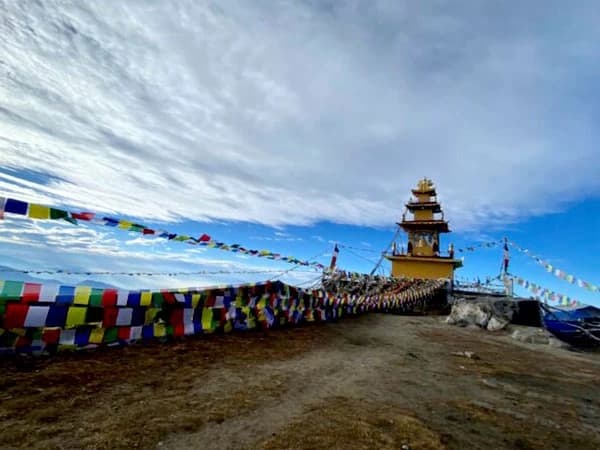
Both a village and monastery in the Langtang Himalayas, Kyanjin Gompa, at an elevation of around 3,870 m/12,697 ft above sea level near two iconic peaks called Tsergo Ri and Kyanjin Ri, makes it one of the key locations to visit in the Langtang trekking region.
The village is famous for its local cheese factory, to try freshly made cheese, and the monastery for its quiet ambience, Tibetan Buddhist architecture, and spiritual energy.
For those keen on mindfulness and meditation, let yourself be free in pure tranquility. Or take a side hike to Tsergo Ri Peak, Kyanjin Ri, or both.
High-altitude ridges—these peaks provide you with 360-degree complete views of the surrounding mountain ranges and also that of glaciers, villages, and green valleys below, especially scenic during sunrise and sunset; therefore, for thrill seekers as well, the Langtang region is one of the best trek options.
The adventurous Lauribina La Pass (4,610 m)
Connecting Langtang Valley to Gosaikunda Lake, Lauribina La Pass, at an elevation of 4,610 m above sea level, is often considered the most challenging yet rewarding part of the Langtang Trek region, if included.
The pass includes rocky trails, steep ascents and descents, and wide-open alpine terrain where thin air at high altitude can add much to the challenges of the already physically demanding pass.
But once you make it to the top of the Lauribina La Pass, every hardship becomes worthwhile, especially when you get to witness the mind-blowing sweeping views of the Langtang Liring, Ganesh Himal, and even some parts of the Annapurna and Manaslu ranges on a favorable Himalayan weather day.
The pass lets you embrace the true spirit of high-altitude adventure in the Langtang Himalayas, a combination of challenge and rewards.
The alpine freshwater sacred Gosaikunda Lake Langtang
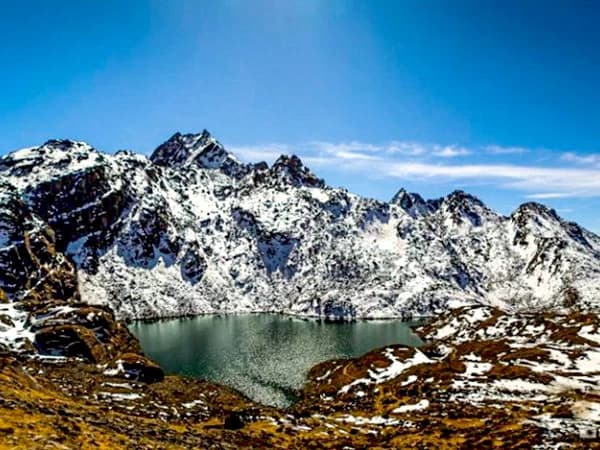
At an altitude of 4,380 m above sea level is one of the holiest alpine freshwater lakes of Nepal, Gosaikunda Lake, which is also located in the Langtang trekking region.
The crystal-clear turquoise water reflecting the surrounding snow-capped mountain ranges away from crowds makes it a must-visit natural amphitheater; the local belief that the lake was created by Lord Shiva himself makes it culturally and religiously appealing as well.
Especially on the occasion of Janai Purnima, the lake is believed to be blessed with divine superpowers capable of healing all sorts of ailments, and spiritual merits are also earned from bathing.
Therefore, a large number of both Hindus and Buddhists visit the lake in search of blessings and salvation.The otherworldly sight is further enhanced by the cultural significance, making it just the right place to pause modern chaos.