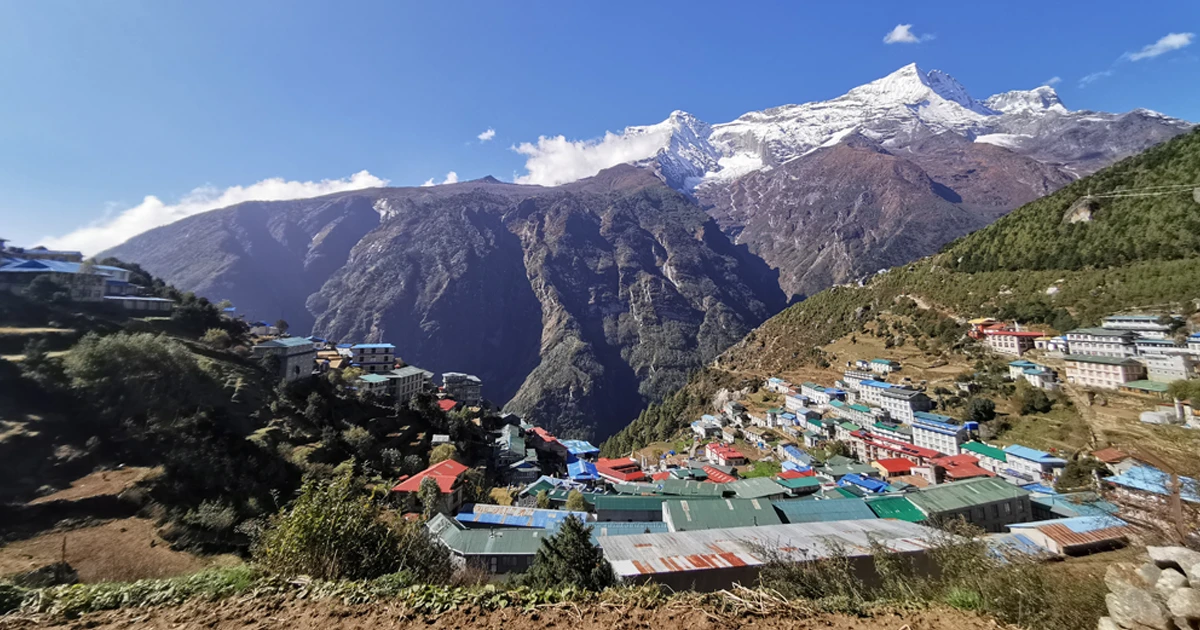
Highlights of the Everest View Trek with Luxury Accommodation
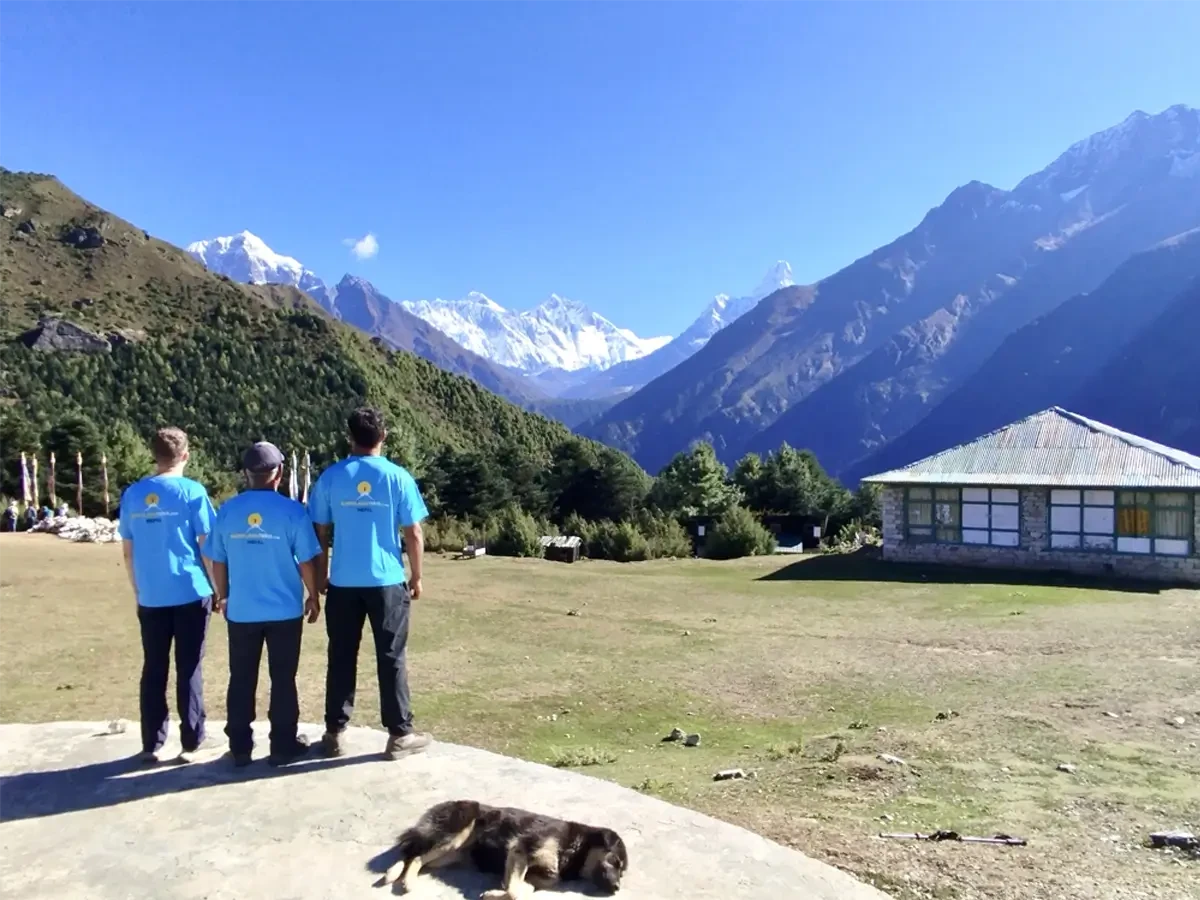
- Breathtaking Panoramas of Everest, Lhotse, Nuptse, Ama Dablam and Thamserku from the Everest View Hotel terrace to the scenic trails along the Dudh Koshi River.
- Sleep in style with 1 night at Everest View Hotel and 4 nights at Yeti Mountain Home, enjoying high-comfort stays with hot showers, cozy rooms, and warm hospitality.
- Well-marked trails, moderate climbs, and gradual ascents, this trek is perfect for first-timers who want adventure without overexertion.
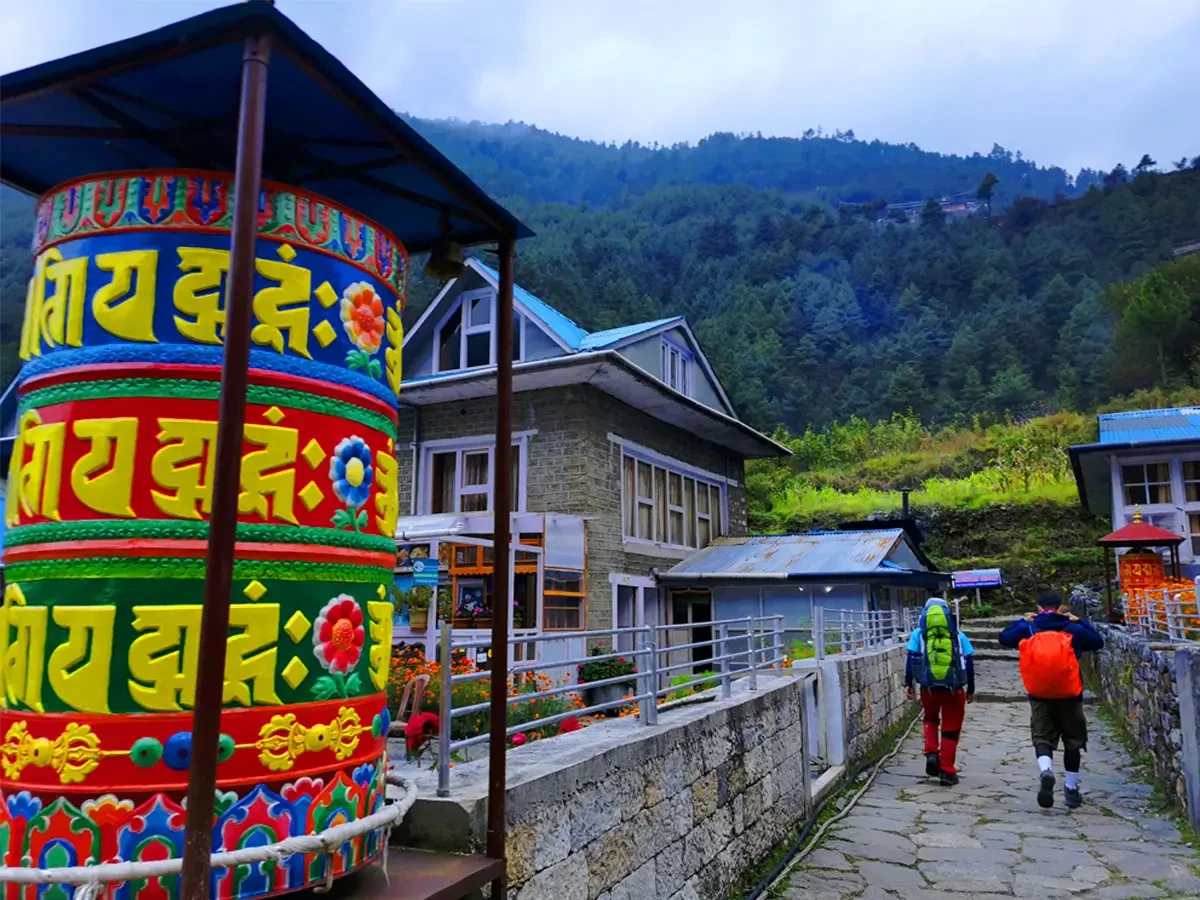
- Wander through charming Sherpa villages, see traditional stone houses, fluttering prayer flags, and get a glimpse of local mountain life and culture.
- Start your trek with a thrilling flight to Lukla (or via Ramechhap).
- Enjoy hot, nourishing meals at luxury lodges, from steaming Nepali dal bhat to continental breakfasts, all while soaking in the mountain vistas.
- Reach heights up to 3,880 meters without sacrificing comfort.
What is the Everest View Trek with Luxury Accommodation?
The Everest view trek with Luxury Accommodation is a short and scenic Himalayan trek that lets you enjoy jaw-dropping Everest views, warm beds, good food, and proper comfort, proving that trekking in the Everest region doesn’t have to mean suffering to feel epic.
Imagine stepping onto a path where the air thins slowly, giving your lungs time to adjust. That tiny airstrip in Lukla? You land there, just like everyone else.
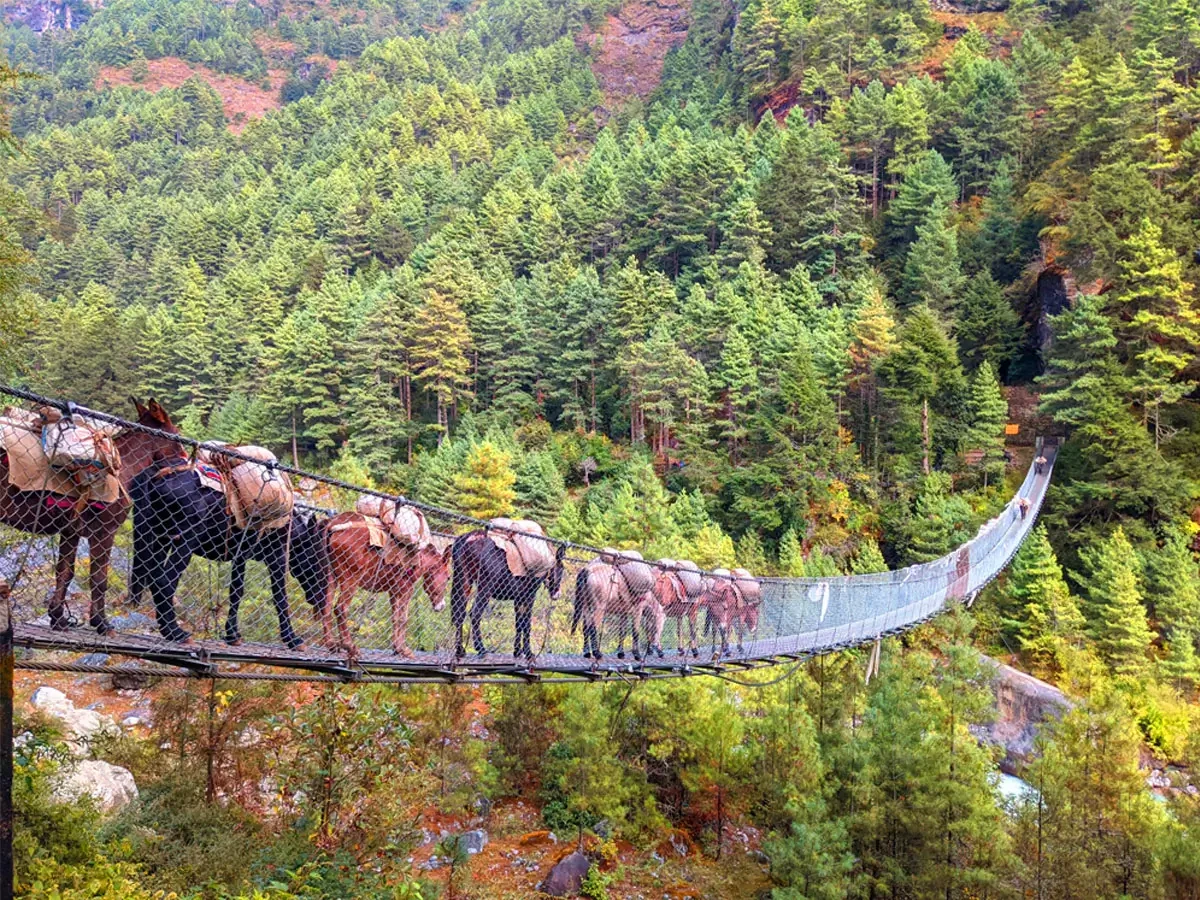
Instead of racing ahead, each day stretches out calmly. Suspension bridges sway slightly underfoot, linking valleys and small villages where homes cling to slopes. The high peaks show themselves piece by piece.
This path takes a quieter turn toward Namche. From there, it rises slowly, carried by views arriving at the famed Everest View Hotel, perched among the tallest lodgings on Earth.
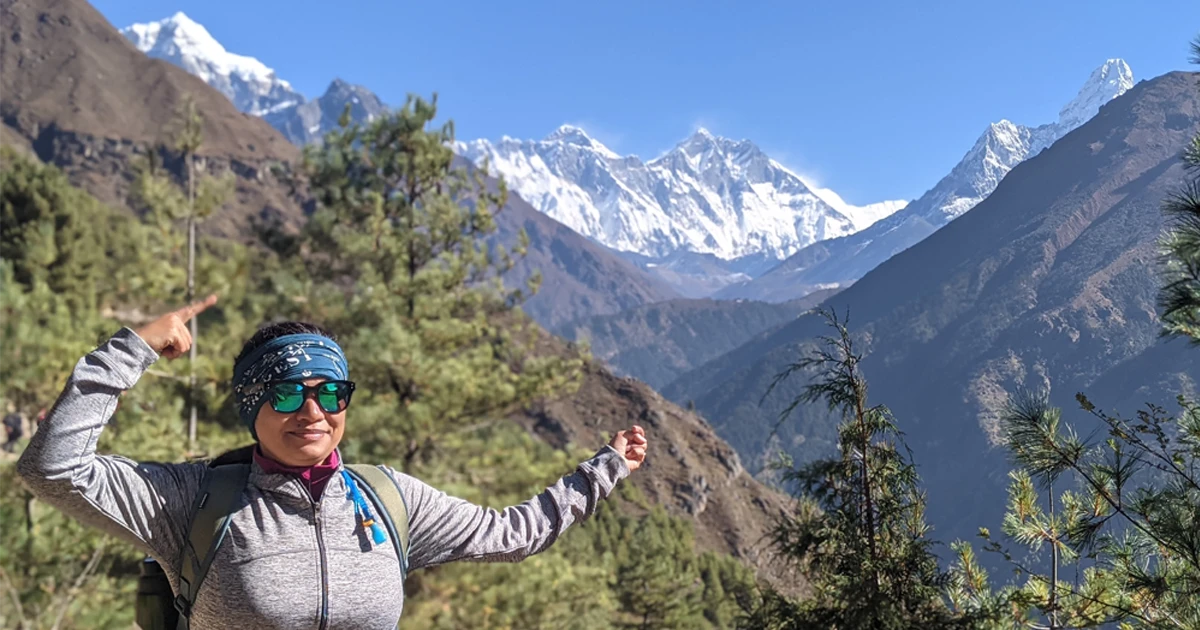
Here, Everest shows up right on cue, usually before your morning coffee gets cold. You wake up, pull the curtain, and boom: Everest, Lhotse, Nuptse, Ama Dablam. No headlamp starts. No -15°C mornings. No emotional breakdowns on a moraine.
What makes this journey special is how balanced it feels. Trekking days are short and scenic, altitude gain is sensible, and rest stops are thoughtfully planned. Afternoons are reserved for hot tea, warm rooms, and quietly judging people who think trekking has to hurt to “count.”
The “luxury” here doesn’t mean helicopters and champagne showers every night (though hey, that exists too). It means:
- Cleaner and quieter lodges.
- Premium bedding and heating.
- Hygienic gourmet meals and drinking water options.
- Attentive guides who manage pace, altitude, and logistics properly.
This trek also keeps things flexible. Weather in the Everest region has moods, and the itinerary allows buffer days so flights, walks, and rest don’t feel rushed. You get the Everest magic, minus the chaos.
Why the Luxury Everest View Trek is Perfect for First-Time Trekkers?
What makes this luxury Everest View hike perfect for new trekkers? It shows you Everest up close but skips the brutal hardship. Forget grinding toward sky-high peaks or slogging mile after mile till your legs give out.
A smooth path opens up for newcomers on the Luxury Everest View Trek, no need to battle extremes just to see the roof of the world. This route skips the harsh grind yet still brings you face-to-face with towering peaks.
Start here, if you want massive mountain scenery without extreme effort. Days on foot stay within reach for those new to trekking. Each step brings reward minus exhaustion. The path pushes just far enough to leave pride in your muscles by evening.
Every now and then, relief slips in when you stop guessing what your body might do next; suddenly, things feel more like adventure than threat.
So, if you are looking for Everest without pushing your body to the edge? This path fits. Scenery steps in where sweat usually leads. Breathe deep among peaks, walk trails that charm more than punish. Nights here come with energy left to spare. Legs stay happy. Adventure stays real.
This path suits beginners dipping into the Himalayas for the very first time. Not just that, it fits weekend walkers aiming higher. Even couples traveling together, people on their own, also parents with grown-up children chasing moments they will recall later.
What Makes This Everest View Trek A Luxury Experience?
This Everest View Trek is called “luxury” because you trek by day and recover like a VIP by night, with warm rooms, great meals, and mountain views that don’t require suffering.
Everest View Hotel and Premium Accommodation Along the Trail
Morning light spills over Everest while you lie cozy under thick blankets. A hot breakfast waits with rich flavors warming the air as plates fill with care.
Up there where the air gets thin, the Everest View Hotel stands real and solid amid towering peaks. The windows frame Mount Everest as if on display just for guests.
Imagine sipping tea while that giant looms outside, calm and massive. People say things like "bucket list," yet here it feels ordinary somehow. Like mountain grandeur was always meant to be part of breakfast.
Waking up at the Everest View Hotel feels different with soft sheets, slow light through the window. A moment later, Everest appears without warning as you reach for the drapes.
Each room breathes ease with a private bathroom and steamy hot water. Heating is also present in the room itself.
Meals arrive in warm, neatly plated, often larger than expected up here. Refined yet snug, that’s how the dining space comes across. It’s the kind of place where you momentarily forget you are trekking.
Along the trail, the experience continues with carefully selected premium lodges that are a clear upgrade from standard tea houses. They are comfortable in all the ways that matter when you have been walking all day.
A mattress that actually supports you rather than strange spongy layers every time. Warm covers work better than piling on daytime clothing when sleep comes around.
Spaces where people eat should feel like they welcome company, not just serve food fast. Some spots now give guests a room to themselves, or at least space that feels personal.
Waking up here means less groaning, more grinning. Better rest changes everything, as suddenly the trail ahead seems inviting, not exhausting.
Hot showers are readily available. Warm dining rooms become social hubs. And the consistent quality across lodges removes that daily uncertainty of “what kind of night am I about to have?”
Add to this comfortable hotel stays in Kathmandu before and after the trek, and the whole journey feels polished from start to finish. You begin rested, trek comfortably, and return clean, fed, and proud, without needing a vacation from your vacation.
Comfort, Amenities, And Services You Can Expect
After walking for hours through the Himalayan trails, you find warmth waiting in rooms that hold heat, beds made for deep rest. Showers pour out steamy water, and meals taste rich and filling. Views stretch beyond what your eyes first believe.
Instead of roughing it, there is ease here. Everything needed appears without effort. True, it exists. This comes without the so-called comforts sold as elite in mountain zones. A number of stops along the path, even ones like the well-known Everest View Hotel, provide warmth through heated spaces and snug beds.
Stretching out is easier when there are clean sheets, soft beds, and your own corner. Firelit hangouts or sunny shared rooms show up at plenty of spots.
Finding hot showers here feels like lucking into a secret prize. Water heats up fast, washing off hours of trail dust without fuss. Privacy shows up in small ways.
Meals at these lodges stand out. Fresh dishes arrive hot, blending Nepali flavors with familiar Western choices with mild spices meet creamy pastas, fluffy omelets appear alongside stacks of pancakes, while steamed momo fill the air with scent.
Throughout the day, hot tea, coffee, or even a warm bowl of soup can be found, helping lift spirits when the air gets thin. Worried about water? Most places offer purified options, so filling up your bottle takes almost no effort.
Some high-end cabins offer power and internet, letting you recharge gadgets, post photos online, or phone family without stressing over low battery life. Though signal strength might dip now and then in higher altitudes, staying linked up feels like a small comfort worth noting.
Friendly faces at the lodge greet you each day, while rooms get tidied up without asking. A few spots might surprise you, think massage or quiet wellness moments tucked into the journey. That’s when it hits: mountains don’t always mean roughing it.
Every detail is designed so that the only thing you need to focus on is the view, the walk, and occasionally pausing to say, “Wait… I’m actually in the Himalayas, and this is real?”
Gourmet Meals and Dining Experience on the Trek
On the luxury Everest Trek, food becomes just as memorable as the peaks around you. Not only do you wake up to filling breakfasts, but these also prep you perfectly for each climb.
Midday brings warmth through steaming plates served right when energy dips. Evenings unfold with rich dishes that arrive like small rewards, earned by hours on rugged trails. What you eat here sticks with you longer than expected.
Laid out each morning are fluffy pancakes alongside eggs cooked how you prefer. Porridge sits near toast, with hot tea or coffee. A blend of Nepal and abroad shapes what lands on the table.
Fresh meals show up midday, usually light, think bread with fillings, hot bowls, and a few regional bites. These arrive in snug spaces warmed by chatter and tea steam. Outside, peaks cut the sky; Everest looms close to you.
Fresh meals come alive at nightfall with dal bhat, plump momo, pastas, and rich soups. Lodge cooks shape each dish with quiet pride. Grilled flavors appear without warning.
Morning fog lifts into steam rising from a mug. Sips of tea or coffee warm hands during pauses between steps. Hot chocolate shows up when shadows grow long. Herbal brews steeped in tradition wait at resting points along the path. You can also snack on fruits, granola, and so on.
Besides meat lovers, travelers avoiding animal products or gluten often find lodge kitchens ready to help, when guides mention it ahead of time. That way, meals stay stress-free and stomachs stay happy.
Fancy a meal with a view? Inside these high-end stays, you will find cozy rooms flooded with scenery, wide windows pull Everest right into the space. Shared tables spark conversations between adventurers passing through. Or tucked into a nook alone, where even thoughts move slower under mountain light.
Scenic Views and Exclusive Photo Opportunities
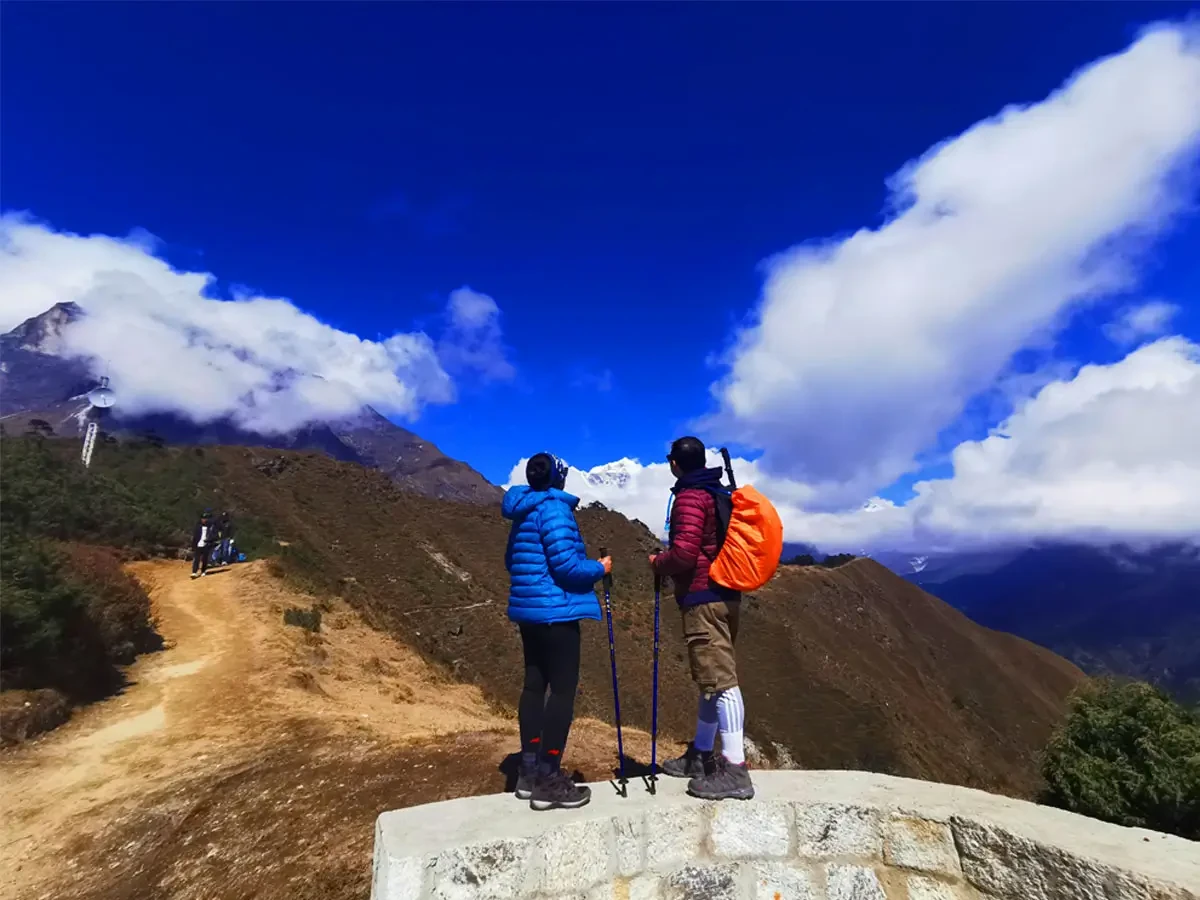
If you are trekking the Luxury Everest Panorama route and thinking, “I hope the scenery is worth it,” relax, you are basically signing up for a Himalayan photoshoot with Everest as the main model.
Around each bend, a fresh sweep of mountains appears with Kongde Ri, Everest, Lhotse, Nuptse, Ama Dablam, and Thamserku. When dawn arrives or night begins, light spills across the ridges, turning them gold, then pink, so vivid it dwarfs any photo you have posted online.
Picture this: morning light hits the peaks just right as you leave your room at Everest View Hotel. Suddenly, there it is, stretching across the horizon. The path leading here didn’t promise much, yet it delivered everything silently. A view so sharp it feels handed to you without effort.
Midway through the trail, light settles on stone paths where silence stretches wide. A bridge sways slightly underfoot, framed by jagged ridges wearing crowns of ice. Colorful strips of prayer flags dance above rushing water, strung between posts like messages sent skyward.
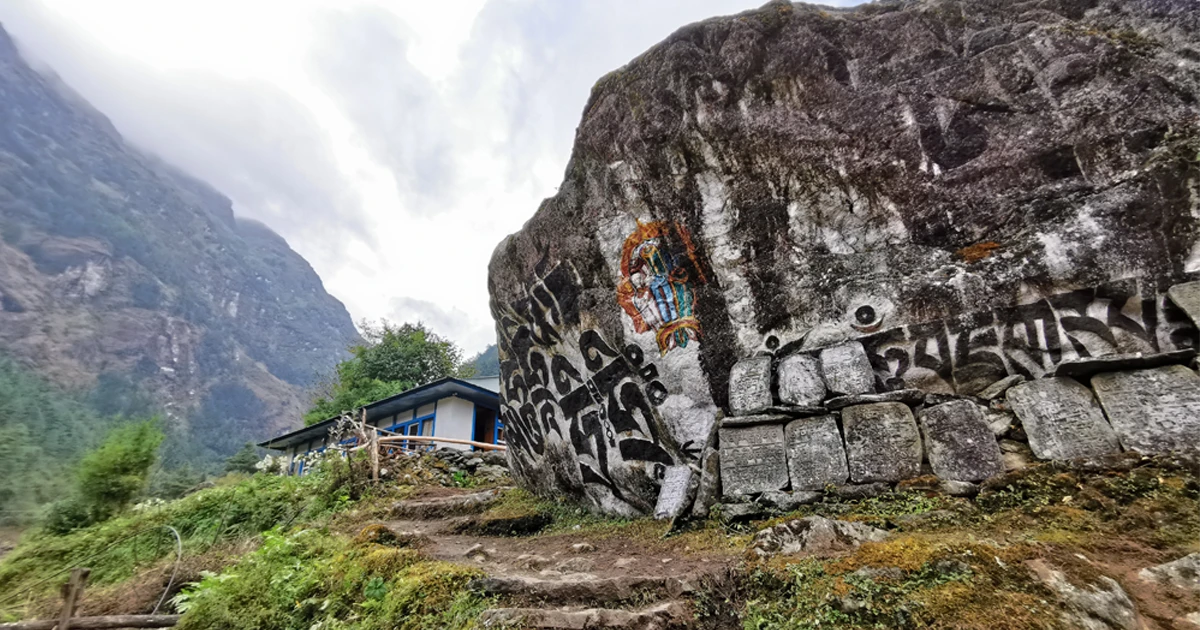
On top of it, the photogenic charm of traditional Sherpa villages, mani walls, and tea houses, you have got a mix of nature and culture that makes every shot a winner.
If you like a little tech talk, your smartphone is a hero here, but a wide-angle lens on a proper camera can really capture the scale of these mountains. Early morning and late afternoon are your best bets for light, and don’t forget to protect your gear from dust, cold, and the occasional overenthusiastic yak.
Some of the most memorable frames? First glimpse of Everest from the Lukla descent, prayer flags backlit by golden light, and ridgelines glowing at sunrise, basically, postcard material.
Everest View Trek Luxury Cost Breakdown
Wondering how much a Luxury Everest View Trek actually costs? Let’s break it down so you know exactly what you are paying for, and why every breathtaking rupee is totally worth it.
Most luxury Everest view treks costs around 2700 USD- 3300 USD per person. These costs reflect premium service, quality meals, comfortable accomodation, and experienced guides.
The cost varies slightly between trekking agency with difference in services and amenities. For luxury trekkers, the extra investment is well worth the added comfort, convenience, and personalized experience on the trek.
A full package often begins in the middle prices, yet climbs if extra comforts are added. How much you spend ties closely to how lavish the trip feels.
Starting off, in the low season, you can usually get direct flight to Lukla, avoiding long bus rides, unless you want a road trip.
During the peak trekking season, trekkers have to head to Ramechhap, Manthali airport by road, and from Ramechhap to Lukla by flight.
Trekkers seeking speed and comfort can also take a helicopter ride to Lukla with an additional cost.
Every permit required shows up without hassle. Lodging on the path leans toward comfort, not just basics. Food along the way fills plates well. A certified guide walks every stretch alongside, no exceptions.
What’s not included? Porter support (unless you opt for it), tips and gratuities for your guide and staff, travel insurance with trekking coverage (you do want that, trust me), nights in Kathmandu, and any extra rest days or indulgent detours you might decide to add.
Think of these as the “choose your own adventure” costs; you only pay if you want to level up the experience even further.
Permits Required for the Luxury Everest Panorama Trek
Before you start dreaming about Everest, luxury lodges, and hot showers at 3,500 meters, there’s a little thing called permits, yes, even luxury trekkers need them. Think of them as your VIP backstage pass to the Himalayas.
Inside those mountains, access begins with a slip of paper, the Sagarmatha National Park Entry Permit. Not just a formality, it's what lets you step past the gate where Everest watches from above.
A small fee applies to every foreign hiker entering the region, around NRs 3,000, with lower rates for those from SAARC countries. This payment supports environmental protection efforts behind the scenes. Found at offices in Kathmandu or picked up upon arrival near Monjo. Entry isn’t possible without it.
Wandering into Khumbu’s well-known villages? The Pasang Lhamu Rural Municipality issues a permit just for that. This local permit must be in hand once your moved past lukla. Permit checkposts may vary along the trekking route.
Safety, cleanliness, life, locals manage it all with this system. Rules here support what grows naturally in the area. It costs about NRs 3,000 for foreign trekkers, and yes, your trekking agency can handle it.
You may see references to the TIMS card online, but here’s the inside scoop: it’s mostly retired in the Everest region, replaced by the local permits above. So don’t panic if your browser says “TIMS required”, just focus on the real permits.
To obtain these permits, you will need a valid passport, and some cash in NRs (credit cards are usually not accepted at checkpoints). Most luxury trekking agencies will take care of all of this for you.
Do I Need a Licensed Guide and Porter for the Premium Everest Panorama Trek?
So, do you really need a licensed guide and porter on the Premium Everest Panorama Trek? Short answer: yes, unless your idea of luxury trekking includes lugging a 15 kg backpack while trying to take selfies with Everest without tripping over rocks.
A licensed guide becomes your go-to person high up where air thins fast, someone who reads elevation shifts and bridges local customs without fuss. They have walked every ridge near Everest so often it feels routine. When confusion hits, they are there before you try bartering with yaks for faster routes.
Watching your pace and how well you adjust to thin air is part of what they do, along with sorting out permissions ahead of time. Trails get tricky, so having someone who knows the path helps, especially when skies turn rough unexpectedly. Most seasoned hikers still bring guides since climbing high demands more than just walking uphill now and then.
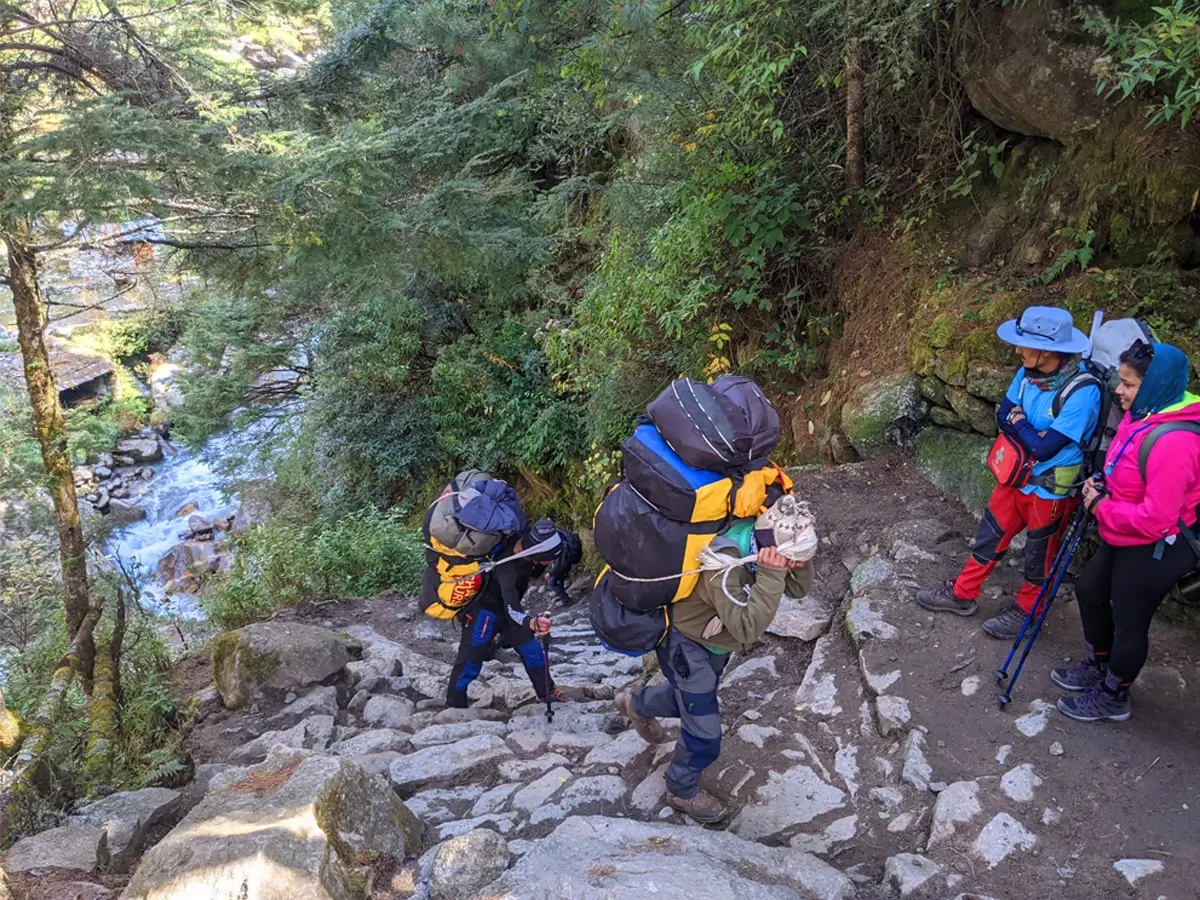
Now imagine the porter. See yourself drinking tea at a small mountain lodge, while that same person carries your bags along the path with ease, face calm, moving steady like they are out for an afternoon walk.
Right, porters take your bulky stuff off your shoulders, which means no sore back or strange joint issues halfway up. Using one isn’t required, yet most find it wise, particularly those after mountain views minus physical drama.
Some folks charge more if you go longer or pick a fancier plan, as prices often run by the day unless wrapped into pricier trip deals. Tossing in tips? That is how you show appreciation for the ones who carried loads so your hike stayed smooth.
Here, you can expect to pay about USD 35 to 85 per day for a guide while USD 25 to 35 per day for a porter. Overall, for a 9-day journey, you will spend about USD 700 to 1,000 for both guide and porter, excluding tips.
A single guide might change everything, especially when you are on your own or with kids. Instead of joining a crowd, having someone just for your group brings comfort most tours miss.
How Difficult is the Everest View Trek with Luxury Accommodation?
So, how tough is the Everest View Trek with Luxury Accommodation really? The short answer: it’s moderate, which in trekking-speak means you will break a sweat, maybe huff a little, but you won’t be questioning your life choices at every step.
Not like Everest Base Camp, where it feels like boot camp for mountain guides, this route suits those chasing big Himalayan moments minus the knee-crushing grind. Walking stretches usually last between 4 to 7 hours each day.
Up ahead, paths rise slowly past small mountain homes where Sherpa families live, winding alongside rushing streams. Near the Everest View Hotel, ground levels reach about 3,880 meters, high up, yet not so extreme that strong lungs struggle. The air gets lighter there, though many fit people move through without trouble.
Fine rooms on the route change what seemed tough into something closer to a quiet journey through striking landscapes.
Starting high doesn’t mean rushing. Breathing may tighten now and then, still, pauses along the trail help ease the load. Water fills your bottle often, because thirst hides in thin air. Move slow, stay steady, sickness tends to pass you by.
Who finds this trek easy? Folks who stay active might breeze through it. Some new walkers manage just fine too. People used to climbing steps usually get by without trouble.
A step up from quick hikes such as Poon Hill or Annapurna Base Camp, the Everest view trek with luxury stays still falls short of the full Base Camp challenge. So, keep this in mind, climbing stairs without gasping loudly likely means you’re ready.
Fitness Level and Trekking Experience Required
Walking here won’t turn you into a mountain legend. Most people manage just fine without past expeditions. It’s not easy, sure, yet far from brutal, more like steady uphill days than gasping-for-air struggles. Altitude stays kind, so your lungs can relax.
Most folks overlook how much small efforts help. Try moving each day, walking counts, so does taking stairs instead of lifts. Swap gym time for outdoor steps if possible; legs grow stronger without needing fancy gear.
Hiking trails nearby work just fine, even short ones build rhythm. Reaching the Everest View Hotel becomes less about struggle, more about breathing steady and seeing clearly.
Starting a high-altitude trek without past experience? That's okay. Many who begin have never done it before, yet still complete it well, thanks to built-in rest periods and short hiking segments each day. The schedule gives your body time to adapt slowly.
Still, when sitting most days, dealing with sore knees or a tender back, or lacking experience on long trail treks, extra readiness makes sense. Though new to such efforts, starting slow helps too.
Fitness of mind runs close behind fitness of body. When the path tilts upward, breathing slowly, frustration stays low, this helps more than most admit. A calm temper joins well with strong legs.
Not as tough on the legs as trudging to Everest Base Camp, yet somehow still makes you feel deep in the mountains. Instead of sticking to low trails like on Poon Hill, here you climb just enough to catch big views of Everest and taste real mountain air, without pushing every limit.
Best Time to do the Everest View Trek with Premium Stays
The best time for the Everest view trek with Premium Stays is when the skies are clear and the mountains are photogenic, so basically, the Spring or Autumn seasons.
Spring vs. Autumn: Which Season is Better?
Trying to pick between Spring and Autumn for your Everest View Trek is like choosing between two flavors of Himalayan ice cream, both are incredible, but each has its own perks (and Instagram-worthy moments).
Morning light climbs the ridges as March gives way to April, then May. Rhododendrons wake up across steep slopes, painting patches of red and pink where snow once held on. Valleys thicken with green life, fed by meltwater trickling down from high rocks. The air feels different now, cooler at dawn, warmer by midday, sharp with soil scent after rain.
Mornings bring soft warmth under wide-open blue stretches, while paths stay dry and easy beneath your feet. Crowds show up, yet gaps remain between people, leaving room to move without bumping into others.
Fall stretches from September through November, when the Everest area puts on its best face. After the monsoon passes, clouds vanish completely. Peaks appear sharp against bright skies. The sight? Nothing short of perfect.
Fresh crops ripple through village fields under autumn light. Though trails buzz with hikers drawn by crisp weather, paths grow crowded near ridgelines. Quiet corners still linger behind orchards after sundown.
Spring or Autumn, either way, high-end hikers find lodges open with solid food, cozy bedding, and top shelter running smooth.
Flowers bloom when spring arrives, bringing milder mornings for walking through hills. Clear skies arrive later, painting sharp peaks under autumn light, perfect moments unfold then.
Can I do the Luxury Views Trek to Everest in Winter or Monsoon?
So, can you tackle the Luxury Views Trek to Everest in the dead of winter or during the monsoon rains? Sure… if your idea of “luxury trekking” includes juggling snowflakes or mud puddles with your designer hiking boots. But let’s break it down so you know what you are really signing up for.
Winter (December to February) can be magical. Crisp air, fewer trekkers, and peaceful trails make it feel like you have the Himalayas all to yourself.
The catch? Frost bites the air when night falls, higher trails turning slick underfoot. Clear skies may stretch far, though mist often drifts in without warning. Warm cabins stay open through the cold, offering steaming baths, thick blankets, and strong food.
Winter might suit you well if solitude pulls you in, plus jagged peaks under snow catch your eye. Cold means hauling thick clothes, true, yet that quiet hush after a freeze? Worth it.
When June rolls in, everything turns wet fast. Rain pounds down hard, paths turn slick underfoot. Mountains vanish behind thick clouds. Hiking here isn't a rest, it becomes a raw effort. Comfort fades when mud sticks to every step.
Truth is, the valleys burst with green during this time, yet hardly any hikers show up to ruin your mountain photos. Most guesthouses still welcome guests while damp equipment and slippery trails just come with the territory.
Fog often hides the peaks. Trekking during monsoon works fine, yet views of Everest rarely show up. Rain keeps things muddy. Still, some paths stay open.
Expect fewer people on trails then. Mountains sometimes peek through clouds. Wet days stretch longer than usual though. Mist rolls in fast here.
Key takeaways for luxury trekkers:
- Winter is doable and can be wonderfully serene if you pack smart.
- Some trekkers also choose the monsoon season, as it offers quieter trails, lush green landscapes, and a more peaceful trekking atmosphere.
- Either season requires extra preparation, including warm clothing, waterproof gear, and flexible flight plans for Lukla.
- Adding a few extra days to your itinerary allows flexibility for weather changes and ensures the best trekking experience at a relaxed pace.
Flights, Transfers, And How to Reach the Everest View Trek
Getting to the Everest region is half the adventure with a scenic flight to Lukla, or if you prefer a longer road trip vibe, drive to Ramechhap Manthali Airport and catch your flight from there. Either way, your luxury trek starts with epic views (and maybe a few butterflies in your stomach).
Scenic Flights to Lukla
Start imagining climbing Everest as nothing more than a long hike? Not quite. The real journey begins midair, soaring above mountains on a bumpy plane ride into Lukla; few flights match its drama.
Imagine it, small aircraft threading between sharp mountain ridges, mist sliding along the glass, your mouth hanging open as Everest, then Lhotse, Nuptse, and finally Ama Dablam appear one by one. That’s right, flying here feels like riding the planet’s grandest daily route.
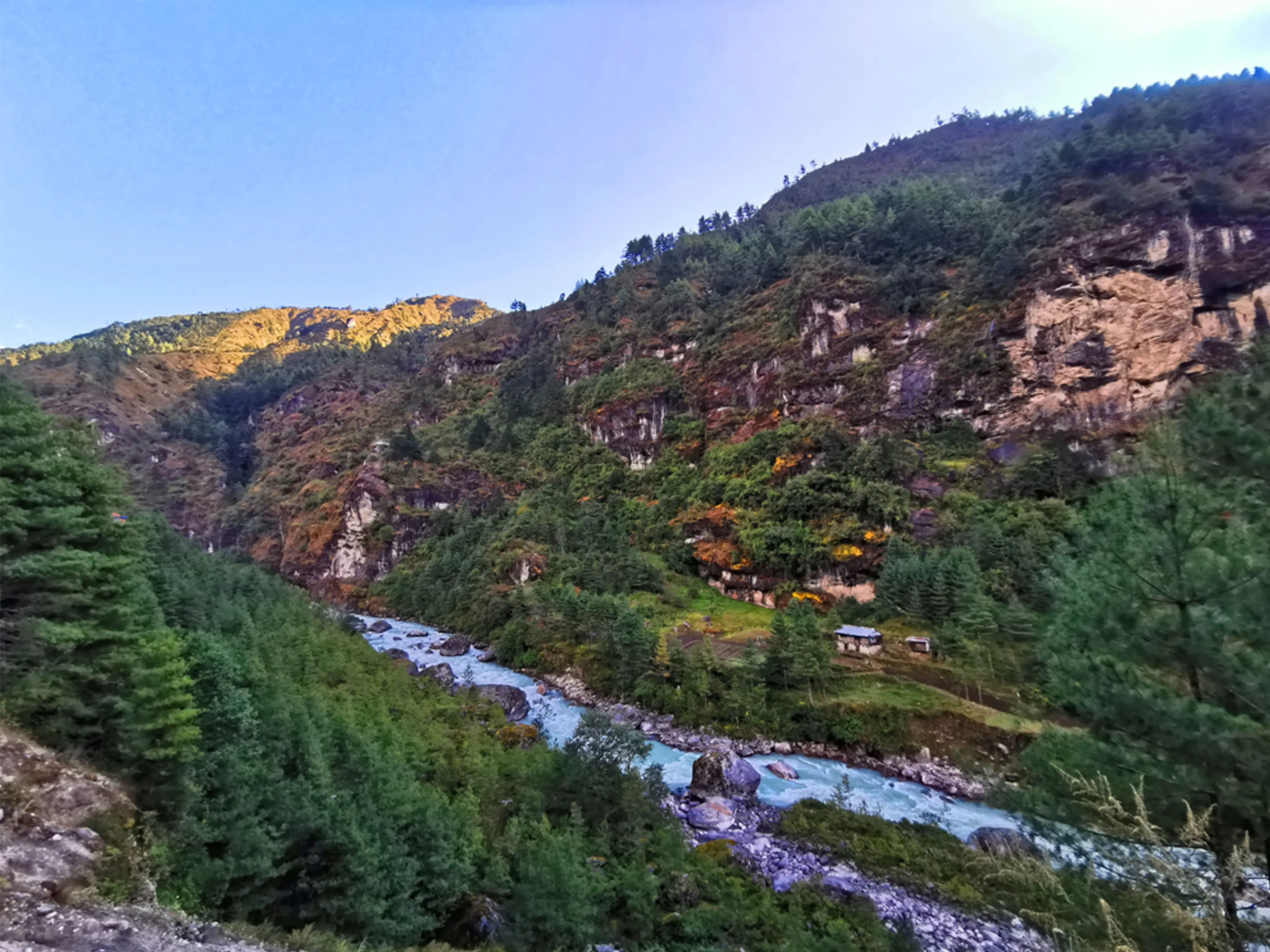
Floating high, the ride lasts just half an hour or so, and eyes catch the Dudh Koshi snaking between deep green cuts in the land. Up here, the world shifts: Namche Bazaar appears, nestled like a hidden village among rising slopes.
High above Nepal, pilots touch down where mountains crowd close around a tilted strip of pavement barely longer than a few football fields. This airport at Lukla demands sharp precision; its sloped surface drops sharply while cliffs rise just beyond each edge. Known worldwide among aviators, it stands for the sheer daring required to reach it.
Mornings tend to go better with open sky and calm air. That’s when most flights run without issue. By afternoon, things shift. Clouds build. Wind picks up. Weather delays? Totally normal.
Want to know the best seat? The left side of the plane gives you the prime Everest-and-friends view, perfect for those envy-inducing Instagram shots. And yes, keep your camera charged; every minute of this flight is photo-worthy, from the first peak to the final touchdown.
If Mother Nature decides to be extra moody and cancel flights, there’s a backup: you can drive to Manthali Airport in Ramechhap and take a domestic flight to Lukla.
Ground Transfers and Airport Logistics
For most of the year, especially in peak trekking seasons like Spring and Autumn, flights to Lukla are routed through Ramechhap’s Manthali Airport instead of departing directly from Kathmandu. This little detour helps reduce air traffic inside Kathmandu’s one domestic runway and gets you into the mountains more reliably.
This is what normally happens. Your premium service group arrives before dawn, often at midnight or even earlier, since getting from Kathmandu to Ramechhap isn’t quick. The road stretches roughly 130 kilometers through twisting highland routes. Along the way, you will see stepped farms, rivers, and quiet rural towns.
This road trip is kind of scenic in that “Nepal countryside chic” way. Staying close to Ramechhap or Manthali becomes an option when skipping the bumpy ride through the hills. Some travelers find rest more easily there instead of pushing forward into rough terrain after dark.
Morning light spills over the peaks just as engines start up at Manthali. A brief journey begins, lifting off toward Lukla in a compact plane built for tight spaces and high lifts. This stretch lasts roughly a quarter-hour, maybe five minutes more.
The route cuts through deep valleys, revealing ridges dusted with snow under open sky. Now, mountains unfold ahead, sharp and clear, greeting passengers through fogged glass. Each turn offers views raw and unfiltered.
Packing List and Gear Essentials for a Luxury Everest View Trek
- Thermal tops and bottoms
- Fleece jacket, down jacket
- Waterproof and windproof jacket and pants
- Lightweight, moisture-wicking shirts
- Comfortable, quick-dry pants
- Beanie
- Sun hat
- Insulated gloves
- Quick-drying, moisture-wicking underwear
- Wool or synthetic socks
- Sturdy, waterproof, and well-broken-in boots
- Lightweight sandals or sneakers
- Backpack (30 to 40L)
- Rain cover
- Sleeping bag (rated for -10°C to -15°C)
- Adjustable and foldable trekking poles
- Reusable water bottle
- Water purification tablet or filter
- Headlamp with extra batteries
- UV-protection sunglasses
- Toiletries (toothbrush, toothpaste, wet wipes, quick-drying towel, soap, sunscreen, lip balm, hand sanitizer, toilet paper, female hygiene products)
- Basic first aid kit (including any personal prescribed medications)
- Snacks (chocolate bars, dried fruits, and nuts)
- Charger and adapters
- Power bank
Learn more about Nepal trekking equipment gear list