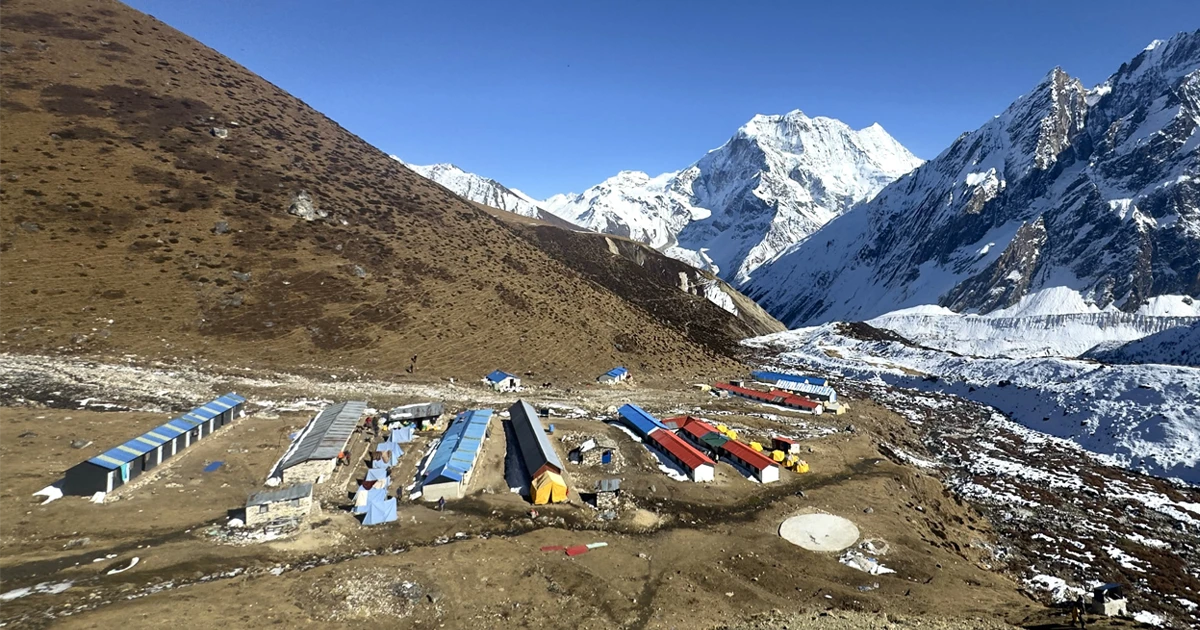
Dharmasala Manaslu Larke Phedi
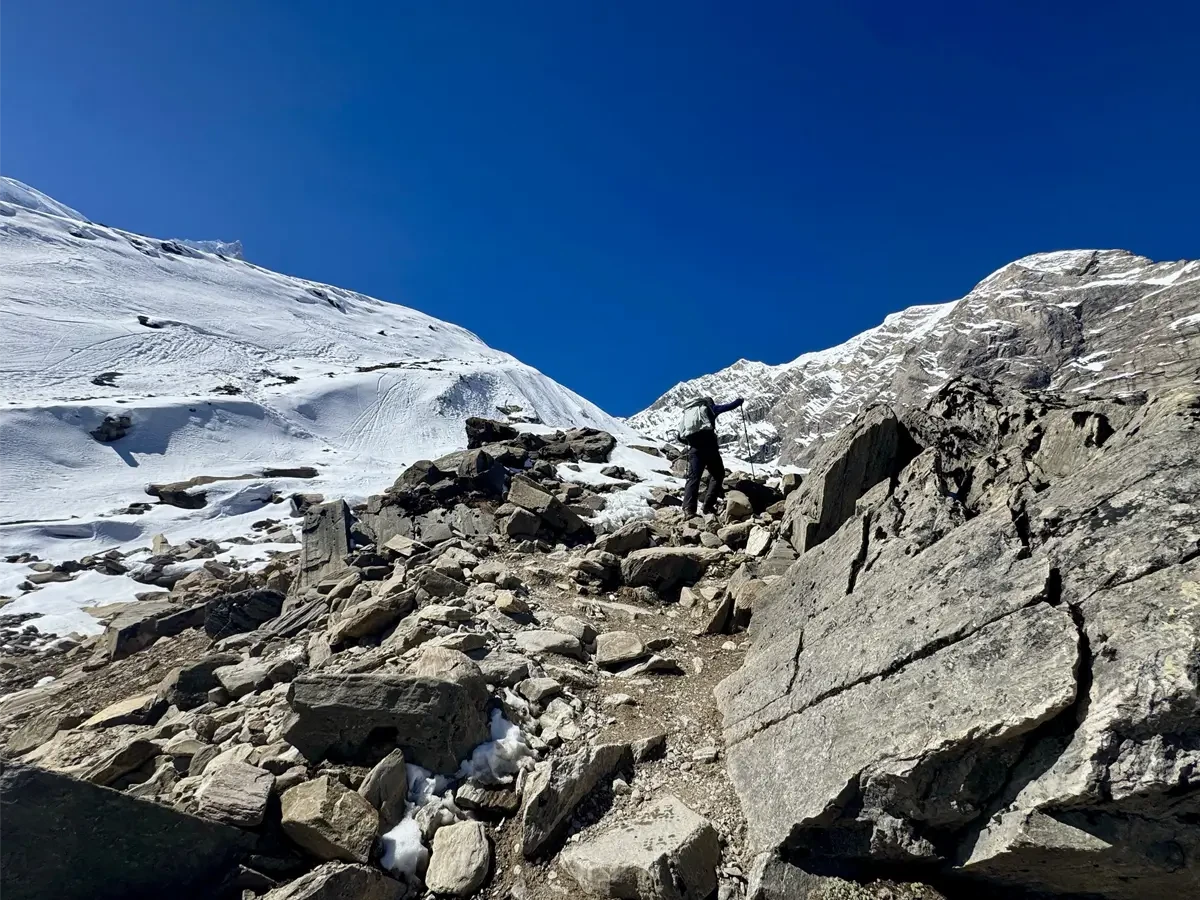
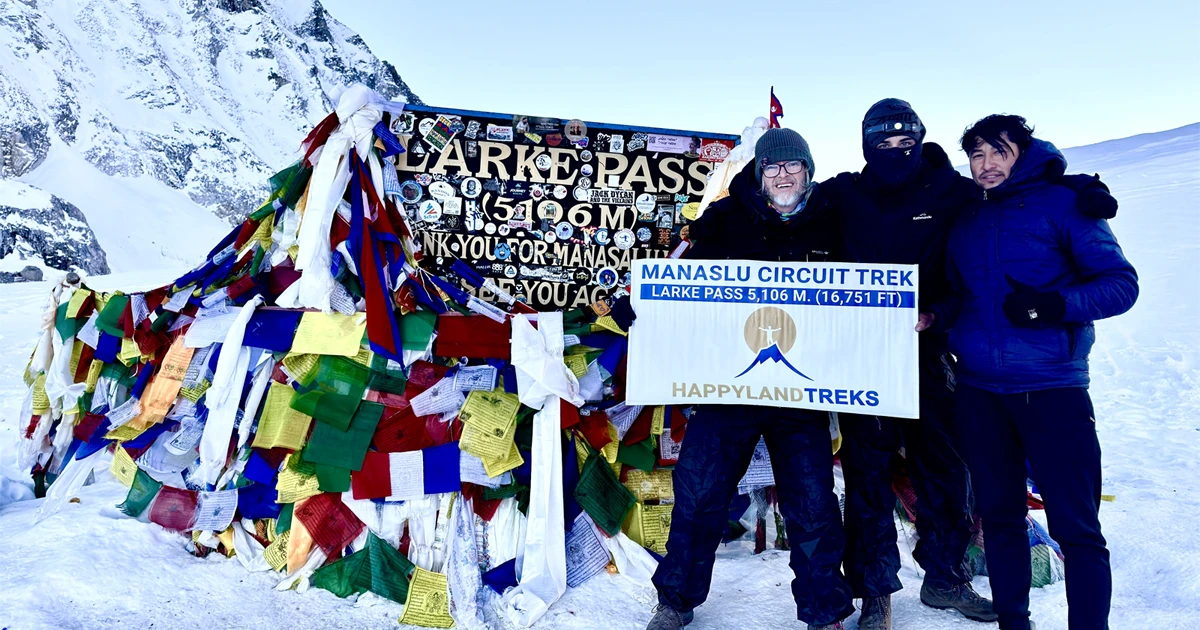
Top of the Larke Pass Manaslu circuit trek
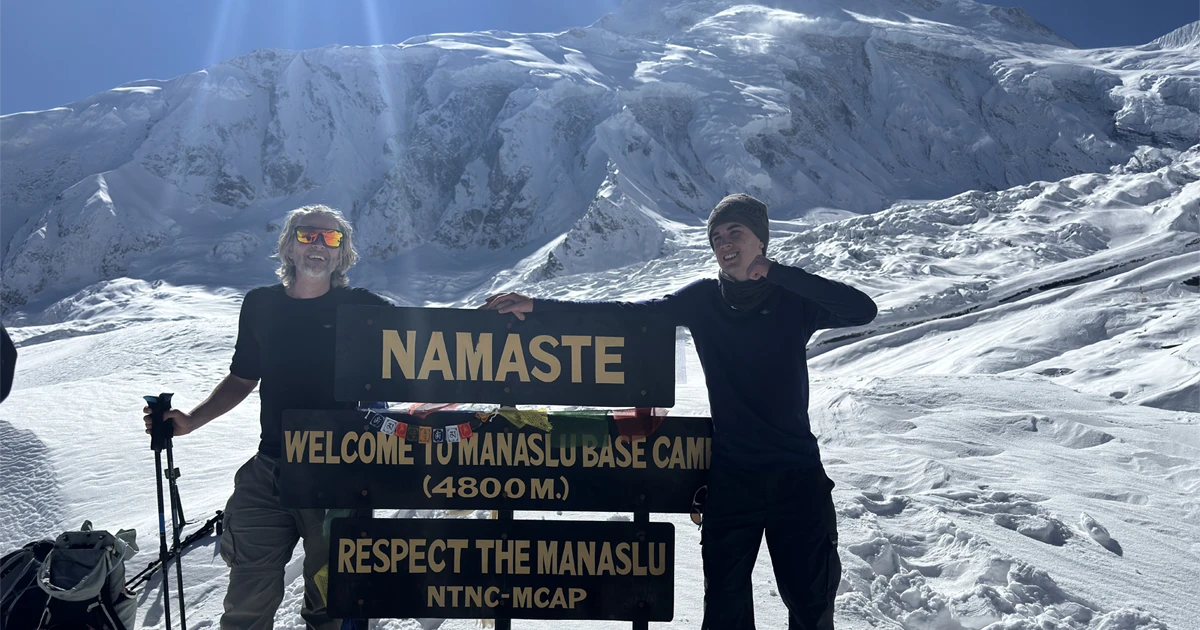
Manaslu base camp Nepal

Manaslu Circuit Ruila Tibet Border Trek

231 Reviews in Trip Advisor
134 Reviews in Google Reviews
Customize Trip
Duration15 Days
Trip GradeStrenuous
CountryNepal
Maximum Altitude5106m/16,751ft
Max PeopleGroup or private trek options
StartsKathmandu
EndsKathmandu
ActivitiesTrekking, Hiking, Walking
AvailabilitySeptember - December & March - June

Nowadays, the Manaslu Circuit Trek is getting lots of attention from trekkers across the globe. The main reason behind its diversity of culture and natural wonders. People love to explore this place and with the rise in the interests, you need to provide lots of side trips. The case is similar in the Everest region. Besides the Everest Base Camp Trek, people love to include side treks like the Everest Three High Passes Trek, Chola Pass Trek, and the Gokyo Lake Trek. Similarly, the Manaslu Circuit Trek route can also include the untainted and less explored destination. The Happyland Treks is one of the local operator trekking companies of Nepal that has local trekking guides and porters from the region. Therefore, the agency proposes the best Manaslu Circuit Ruila Tibet Border Trek. 

Check out the best trekking package that goes beyond Samdo Village and explore Nepal – Tibet (Autonomous region of People’s Republic of China). After lots of planning, the travel planners of the Happyland Treks are in conclusion that there are few side treks in the Manaslu Circuit Route which may ignite interest among travelers. Serang Monastery, Rupinala Pass, and Ruila (Lajyang Bhanjyang) are the places where you can do the side treks. The most common side trek to do from the Manaslu Circuit Trek is the addition of the Tsum Valley and Mu Gompa. You can book the Manaslu Circuit Tsum Valley Trek to do both treks. 

The major reason behind knitting the itinerary of the Manaslu Circuit Ruila Tibet Border Trek is to offer chance to trekkers to experience the landscape of Nepal – Tibet border. Ultimate Himalayan wilderness is guaranteed when you book the Manaslu Circuit Ruila Tibet Border Trek with us. 

What Makes the Manaslu Circuit Ruila Tibet Border Trek Unique?

Trekkers follow the same trail and itinerary as the Manaslu Circuit Trek. The biggest difference or the uniqueness of the Manaslu Ruila Tibet Border Trek is the chance to explore wild Nepal – Tibet border. Furthermore, you will be able to acclimatize fully before crossing the Larke La Pass (5106 m). Many trekkers feel hard to reach Manaslu Base Camp due to vertical uphill trail from Birendra Lake. Therefore, those trekkers can choose to visit the Birendra Lake and explore the Lanjyang Bhanjyang (Ruila) for acclimatization purpose. Please note that the pass has no vegetation and it is higher elevation desert landscape. 

Rui La Pass (Lajyang Bhanjyang): Exploring the Nepal–Tibet Border

At an altitude of 4998 m above sea level, the Rui La Pass also known as the Lajyang Bhanjyang is the border between Nepal and Tibet. You can clearly see the border pillar while exploring this destination. Note down that the name is Ruila Pass but it is not a pass. The place is simply a flatland after crossing several ridges from Samdo. Ultimately, the Bhanjyang is where you see how closely Nepal and China are related. No wonder, you can find lots of similarity in terms of culture, food, and traditions between Tsum, Nubri, and Tibetan people. 

Manaslu Circuit Ruila Trek Route and Distance

The Manaslu Circuit Ruila Trek follows the spectacular trails of the Manaslu region, combining the traditional Manaslu Circuit route with an adventurous side trip towards the Ruila Pass near the Nepal–Tibet border. The journey typically begins with a drive from Kathmandu to Machha Khola, followed by trekking through Jagat, Deng, Namrung, Samagaun, and Samdo. From Samdo, trekkers explore the remote Ruila area, experiencing breathtaking Himalayan landscapes and traditional mountain settlements. The route covers diverse terrain, including river valleys, alpine forests, glacial landscapes, and high-altitude trails. Daily walking distances vary depending on the itinerary, acclimatization schedule, and weather conditions. Total distance becomes around 177 kilometers due to addition of Lajyang Bhanjyang visit.  

Major Attractions Along the Manaslu Ruila Trekking Trail

The Manaslu Ruila Trek offers an exceptional combination of natural beauty, cultural encounters, and remote Himalayan exploration. One of its major attractions is the magnificent view of Mount Manaslu (8,163 m), the world's eighth-highest mountain. Trekkers pass through beautiful villages such as Jagat, Namrung, Lho, Samagaun, and Samdo, where traditional Tibetan-influenced lifestyles remain well preserved. The trail also features the impressive Birendra Lake, Pungyen Gompa, ancient monasteries, glacial valleys, and dramatic mountain scenery. The journey towards Ruila adds another exciting dimension, offering spectacular views of the Nepal–Tibet border landscapes, secluded mountain trails, and a rare opportunity to experience the quieter side of the Manaslu region.

Samdo Village: Gateway to the Tibet Border

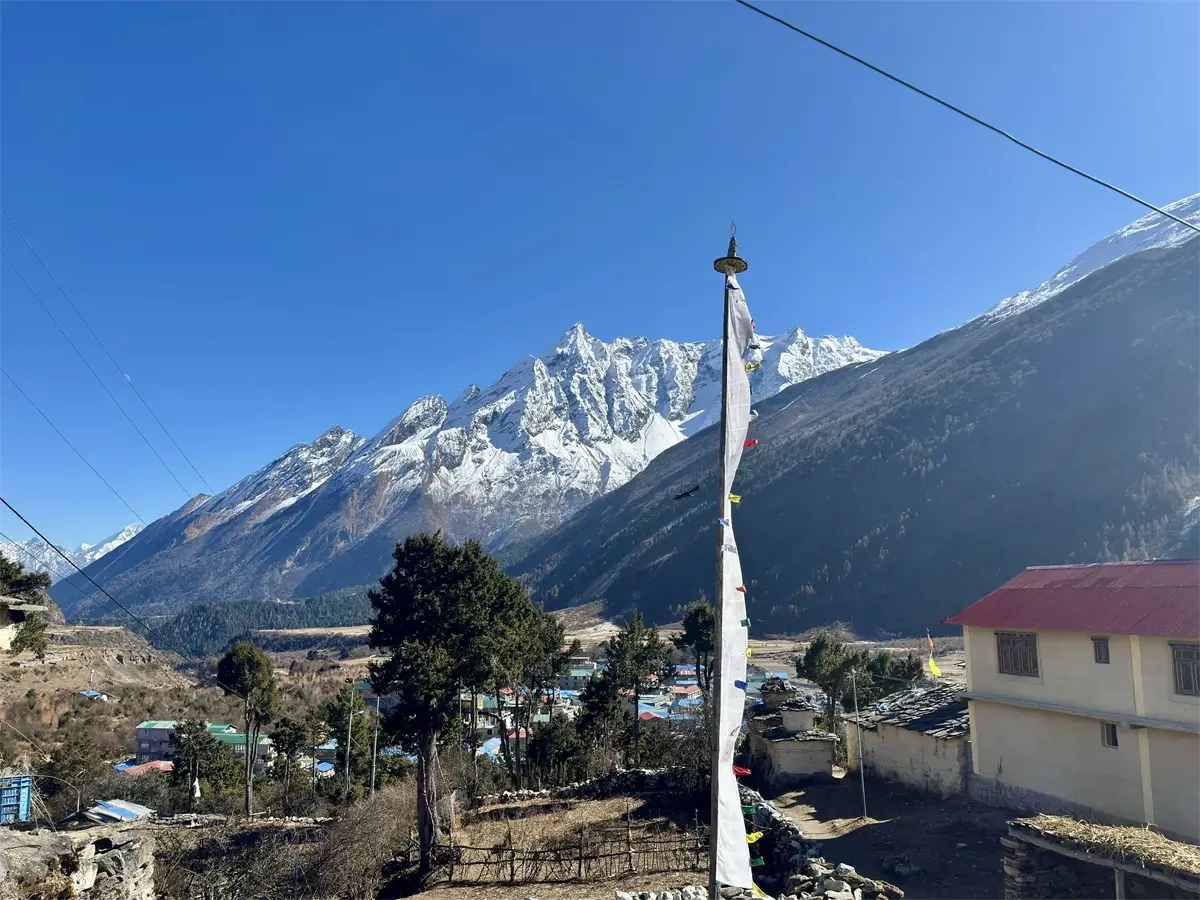
Samdo Village is one of the most fascinating settlements along the Manaslu Circuit Trek and serves as an important gateway to the Nepal–Tibet border region. Situated at approximately 3,875 meters, this traditional Tibetan-influenced village lies close to the ancient trading routes connecting Nepal with Tibet. Surrounded by rugged mountains, barren hills, and dramatic Himalayan landscapes, Samdo offers trekkers an authentic glimpse into high-altitude mountain life. The village is also an excellent location for acclimatization before exploring the Ruila Pass area. From Samdo, trekkers can enjoy spectacular mountain views, experience local Tibetan culture, and explore remote trails leading towards the northern frontier of Nepal.

Manaslu Base Camp and Birendra Lake Excursion

If you are walking in the Manaslu Circuit Trek route, then don’t forget to visit the Manaslu Base Camp. There is no point of not visiting the base camp of the world’s 8th tallest mountain, Mount Manaslu (8163 m) once you are just 7 to 8 kilometers away from the foothill. Therefore, it is important for trekkers to explore the place from the achievement point of view as well as from the acclimatization point of view. Furthermore, make sure that you grasp every scenery that you see from the base camp. 

Besides the Manaslu Base Camp, you can also visit the beautiful Birendra Lake (3691 m). The blue turquoise lake formed by the seepage of glacier from the snow capped mountain is truly beautiful. It’s fairyland comparable place where you can get astounding pictures. Capture majestic landscape full of lake, mountains, and green hills. 

Larke La Pass: The Highest Point of the Trek

The highest point of the Manaslu Circuit Ruila Tibet Border Trek in Nepal is definitely the Larke La Pass (5106 m). The pass stretches from Dharmasala in the Manaslu region to the Bimthang village of the Annapurna region. It bisects the Manang and Gorkha districts of Nepal. Crossing the pass requires incredible amount of physical fitness level and strong cardio – vascular ability. Once you are in the phase of crossing the pass, you must ensure that you are in the right trail. Make sure that you are not off track as there are many confusing trails made by snowfall. The chances of snowstorm during heavy snowfall are high. Therefore, always heed the instructions of your trekking guide and follow the proper trekking guidelines. 

Tibetan Culture, Monasteries, and Traditional Villages

Cultural highlight of the Manaslu region is the presence of Tsum and Nubri People. Ancient monasteries and chortens make this trek one of the best cultural adventures. During the trek, trekkers can visit many monasteries which were built 500 to 700 years ago. There are many legends and tales of Guru Rimpoche and Padmasambha as well in these monasteries. Famous monasteries of the trail are Pungyen Monastery, Samdo Monastery, Samagaon Monastery, Lho Monastery, and Shyala Monastery. Beyond Namrung Village, trekkers can experience completely different cultural adventures. 

Why Choose a Local Trekking Company?

While exploring the remote areas which are less explored, one should always travel with the locals. Yes, experienced trekking guides also ensure safety but having a licensed trekking guide and also the local means you get double safety as well as authentic information. Besides safety and authentic information, you can also get best rates when traveling with the local trekking company like the Happyland Treks. and traveling with local companies it means your money goes to the local communitues people. 
Itinerary
Trip PlanExpand all

Welcome to Nepal for an enticing journey of the Manaslu Circuit Ruila Tibet Border Trek in Nepal. The trail is both cultural and natural wonders in the restricted region of Nepal. Our airport staff will receive you at the airport and transfer you to an agreed hotel in Kathmandu. The office representative will brief you about the trip and all the details will be finalized. You will also meet your trekking guide for the trip. Do last minute shopping if required and the office will also treat you the welcome dinner. Overnight in a hotel.

Early in the morning, you will be picked up from your hotel and transfer to bus park for the trip to Machha Khola. The road trip is so joyous as it passes through river valleys, terraced farmlands, towns, and cities. Brace up for the off-road adventures from Aarughat Bazaar to Machha Khola which is about 30 kilometers. Even if the road is bumpy, the scenery makes it so joyous. Enjoy the remote village town experiences while traveling to Machha Khola.

After breakfast in Machha Khola, the trek continues along the Budhi Gandaki River, following a beautiful trail through narrow gorges, forested hillsides, and traditional settlements. The route passes Khorlabesi and Tatopani, where natural hot springs offer a glimpse of the region's rural lifestyle. From here, the trail climbs and descends through several stone staircases, suspension bridges, and rocky sections before reaching Dobhan. The final stretch involves a gradual uphill walk towards Jagat, a charming stone-paved village that marks an important checkpoint for the Manaslu Conservation Area. Overnight in a tea house.

Leaving Jagat after breakfast, the trail gradually climbs through beautiful hillside settlements and cultivated fields. You will pass through Salleri and Sirdibas before crossing the Budhi Gandaki River on a suspension bridge. The route continues towards Philim, a picturesque Gurung village surrounded by terraced farmland and traditional houses. Beyond Philim, the landscape becomes increasingly rugged, with pine forests, rocky cliffs, and deep river valleys accompanying the trail. After passing Ekle Bhatti, the path enters a more secluded section of the valley before reaching Deng. This small settlement offers a peaceful overnight stop surrounded by the natural beauty of the Manaslu region. Overnight in a tea house.

Today's journey takes you deeper into the Himalayan landscape, where the scenery gradually changes as you gain altitude. After leaving Deng, the trail crosses the Budhi Gandaki River and passes through beautiful forested sections, small settlements, and narrow river valleys. You will encounter several traditional mani walls, prayer flags, and Buddhist cultural features along the way. The route passes through Rana and Bihi before continuing towards Ghap, where the surrounding landscape begins to feel distinctly alpine. From Ghap, a gradual uphill trail through forests and scattered villages leads to Namrung. This traditional settlement is known for its beautiful mountain surroundings and welcoming teahouses. Overnight in a tea house.

The walk from Namrung to Lho is one of the most rewarding sections of the Manaslu Circuit, especially as the mountain views become more impressive with every passing hour. After breakfast, the trail climbs gradually through forests, traditional villages, and beautifully maintained mani walls. You will pass Lihi and Sho, where traditional stone houses, prayer wheels, and colourful Buddhist prayer flags reflect the region's Tibetan-influenced culture. As you approach Lho, the magnificent Mount Manaslu begins to dominate the skyline. Lho itself is a beautiful mountain village with a famous monastery and spectacular views of the surrounding Himalayan peaks. Overnight in a tea house.

After enjoying the morning mountain views from Lho, the trail continues towards Samagaun, one of the most important villages along the Manaslu Circuit. The route passes through Shyala, a beautiful settlement surrounded by an impressive mountain panorama. On clear days, you can enjoy magnificent views of Mount Manaslu, Himal Chuli, Ngadi Chuli, and other neighbouring peaks. The trail gradually climbs through open alpine landscapes, yak pastures, and traditional settlements before reaching Samagaun. This culturally rich village is home to a Tibetan-influenced community, ancient monasteries, and traditional stone houses. It is also the main acclimatization stop before heading towards Manaslu Base Camp and Samdo. Overnight in a tea house.

Today is one of the most adventurous days of the trek, as you make an excursion from Samagaun towards Manaslu Base Camp. Starting early in the morning is recommended, allowing enough time to complete the challenging uphill journey and return safely. The trail follows a steep and demanding route through rocky terrain, glacial landscapes, and high-altitude slopes. As you gain elevation, the surroundings become increasingly dramatic, with impressive views of glaciers and towering Himalayan peaks. Reaching Manaslu Base Camp at approximately 4,800 metres is a memorable achievement. After spending some time enjoying the extraordinary mountain scenery, retrace your steps and descend to Samagaun for an overnight stay. Overnight in a tea house.

Following your acclimatization excursion to Manaslu Base Camp, today's trek is relatively short and offers a gradual transition towards the higher Himalayan landscape. Leaving Samagaun, the trail follows the Budhi Gandaki River through wide, open valleys and alpine pastures. The landscape becomes increasingly barren, with fewer trees and more rugged mountain surroundings. Along the way, you may encounter grazing yaks, seasonal settlements, and local people going about their daily activities. After a gentle uphill walk, you reach Samdo, a traditional Tibetan-influenced village close to the Nepal–Tibet border. The village offers beautiful views of surrounding mountains and provides another valuable opportunity to acclimatize before exploring Rui La Pass. Overnight in a tea house.

This is a special day for anyone interested in the remote Himalayan landscape and the historical connection between Nepal and Tibet. After an early breakfast, begin the challenging excursion from Samdo towards Rui La Pass, also known as the Nepal–Tibet border viewpoint. The trail climbs steadily through dry, rocky mountain terrain, offering increasingly impressive views of the surrounding peaks and high-altitude valleys. As you approach the pass at approximately 4,998 metres, the landscape becomes wide, open, and remarkably remote. You can enjoy the dramatic scenery and observe the historic border area from the Nepalese side. After spending some time at Rui La, descend carefully along the same trail to Samdo for the night. Overnight in a tea house.

Leaving Samdo after breakfast, today's journey takes you closer to the challenging Larke La Pass crossing. The trail initially descends towards the Budhi Gandaki River before gradually climbing through a remote and rugged Himalayan landscape. You will pass through open yak pastures, rocky slopes, and glacial valleys, with spectacular mountain views accompanying much of the walk. As you gain altitude, the air becomes noticeably thinner, so maintaining a comfortable pace and staying hydrated is particularly important. After several hours of walking, you reach Dharamsala, also known as Larke Phedi. This small settlement serves as the final overnight stop before crossing Larke La Pass. An early dinner and sufficient rest are recommended. Overnight in a tea house.

Today is the most challenging and rewarding day of the Manaslu Circuit Rui La Trek. Starting before sunrise, you begin the long ascent towards Larke La Pass at approximately 5,106 metres. The trail crosses rocky mountain slopes, glacial moraines, and high-altitude terrain, requiring patience and a steady walking pace. As you approach the pass, breathtaking views of Himlung Himal, Cheo Himal, Kang Guru, and Annapurna II create an unforgettable mountain panorama. After celebrating your achievement at the pass, begin the lengthy descent towards Bhimtang. The trail passes through glacial landscapes before opening into beautiful alpine meadows. Bhimtang is a scenic settlement surrounded by towering snow-covered peaks. Overnight in a tea house.

After the demanding Larke La Pass crossing, today's journey offers a pleasant change of scenery as you descend from the high alpine landscape towards greener forests and lower mountain settlements. Leaving Bhimtang, the trail passes through beautiful meadows, rhododendron forests, and traditional villages. You will gradually descend towards Surki Khola and cross several small streams before reaching Gho and continuing to Tilje. The surroundings become warmer and greener as you lose altitude. At Tilje, a vehicle will be waiting for your onward journey to Besisahar. Enjoy the scenic drive through mountain roads, riverside settlements, and rural landscapes. Upon arrival in Besisahar, the Manaslu Circuit Rui La Trek officially comes to an end. Overnight in a tea house/lodge.

Early in the morning, we will hop on the bus and travel back to Kathmandu. Upon reaching Kathmandu, you will check in to your hotel. In evening, the company official will treat you a farewell dinner where we will review about the trip. Overnight in a hotel.

Finally, we will take you to the airport for final departure. We will bid farewell and promise to meet again for another adventures in Nepal.

Did not find what you are looking for?Our team of experts is thrilled to craft a personalized package made just for you. Let us know your preference, budget, and other specific requirements, if any.
Customize Trip
Cost Details
Includes
  • Kathmandu Airport: Airport pickup after your flight land in Kathmandu and transfer to your hotel. And after the trek airport drop as well.
  • Mountain Accommodation: Trekking tea house.
  • Food in the Mountain: Breakfast, Lunch, and Dinner.
  • Hot Tea: Optional any coffee or tea 3 times a day.
  • Trekking Permit & Fees: Include Manaslu Conservation Area Permit (MCAP) Special Manaslu Restricated Area Permit (RAP) Annapurna Conservation Area Permit (ACAP)
  • Trekking Guide: English speaking guide.
  • Company Duffel Bag: If you choose to have porter.
  • Microspikes: Normal microspikes used to prevent for ice slipping. 
  • Water Tablets: Water purification tablets to purify your drinking water on the trek.
  • First Aid: Include high altitude tablets, a pulse oximeter (SpO₂) Blister care supplies, ibuprofen, and paracetamol. 
  • Transportation: Local bus from Kathmandu to Machha Khola, Shared jeep from Tilje to Besisahar, and local transportation from Besisahar to Kathmandu. 
  • Welcome and Farewell: Welcome drinks and farewell dinner in Kathmandu. 
  • Desserts: Seasonal fresh fruits apple and pomegranate. 
Excludes
  • Food and accommodation during your Kathmandu stay.
  • Personal equipment.
  • Nepal entry visa fees, International air fare.
  • Porter (Additional 24 USD per day including porter insurance) Normally 1 porter for 2 trekkers. The porter carries company provided duffel bag and overnight luggage on the trek. 
  • Optional private jeep cost USD $ 198 (Kathmandu - Machha Khola)
  • Travel medical insurance and emergency evacuation cost.
  • Tips for guide (Tipping is expected) 
  • Personal expenses such as: Alcoholic beverage, water bottle, hot shower, cold drinks, hot water, battery charge, donations etc.
  • Any other expenses which are not mentationed on 'price include' section.
Essential Information

Trek Duration

The duration of the Manaslu Circuit Trek is around 13 to 16 days including arrival and departure. Add another 1 or 2 days in the original itinerary, then you can do the hike to the Ruila Pass, the Nepal – Tibet Border from Samdo Village. Total 16 days and 1 day buffer day are required for the Manaslu Circuit Ruila Tibet Border Trek. If you are doing the long trekking trip in Nepal, then make sure that you have at least 1 day as reserve day to make sure that you are well on track with the international flight schedule. 

Maximum Altitude

The maximum altitude during the Manaslu Circuit Ruila Tibet Border Trek is same as the Manaslu Circuit Trek. It’s the height of the Larke La Pass. The highest altitude is 5106 m. Besides this, you also trek to 4800 m Manaslu Base Camp and 4998 m Ruila Pass (Lajyang Bhanjyang). 

Rui La Pass Elevation

The elevation of the Rui La Pass is 4998 m. The route to this destination from Samdo is different. You can either take the exploratory route or the short route. 

Best Time for Manaslu Circuit Ruila Tibet Border Trek

Nowadays, the best time for Manaslu Circuit Ruila Tibet Border Trek is tricky as autumn season’s September is also facing lots of heavy rainfall. Therefore, we recommend you to choose the months of spring season (March – May), autumn season’s (October and November), and December until 15th. During these months, you can get best trekking experiences. After recent incidents of heavy rainfall even during September causing Bhotekoshi Floods and Budi Gandaki Floods mean that you need to choose the time to go trekking in right season. Make sure that you choose this recommended time to explore the Nepal – Tibet border. 

Trek Difficulty, Altitude, and Physical Preparation

You can compare the difficulty level of the Manaslu Circuit Ruila Tibet Border Trek with the difficulty level of the Manaslu Circuit Trek. Don’t listen to the fluffy words published on internet about the difficulty level of the trek. It is completely challenging trek as there are many uphill and downhill sections along the trail. The higher elevation places also make it harder for trekkers. The highest altitude is 5106 m, 4998 m, and 4800 m from sea level. These places are not easy to reach and you should be able to trek here if you have strong cardio – vascular ability and good physical fitness level, then you can surely complete the trek. 

Accommodation and Meals During the Trek

Don’t worry about accommodation and meals during the Manaslu Circuit Trek in Nepal. There are quality tea houses and eateries along the way. If you are in Dharmasala, then you may have to compromise on the options otherwise the trail is good for warm bed and hearty meal after tiring walking adventures. Until Samdo Village, trekkers get options. Note down that you will be staying 2 nights in Samdo and Samagaon village during the Manaslu Circuit Ruila Tibet Border Trek. Therefore, you need good accommodation. Furthermore, the trail from Samdo to Ruila is completely wild and it requires experienced guide at the same time good night sleep after tiring and challenging trek. The higher elevation also makes it harder and you need proper lodging as well as meal facilities. Note down that you will be taking packed lunch while hiking to Ruila Pass. 

Manaslu Ruila Trek Permits and Regulations

Since 2025, solo trekking is allowed in the restricted areas of Nepal and it is same in the Manaslu region. The condition is that you must have a licensed trekking guide. Individual permit processing is not possible and trekkers must process the permits from the registered trekking company. Besides the personal details, trekkers need valid travel insurance to issue the permit. You need Manaslu Conservation Area Project (MCAP), Annapurna Conservation Area Project (ACAP), Special Restricted Area Permit, and Chum Nubri Rural Municipality entry permit. 

Current Trail Condition after Budi Gandaki Flood

The locals have worked hard with the conservation area authority to bring back the trail to normal condition. Few places were very hard even for locals to walk but it has been constructed and now the trail is okay to trek. The sections until Jagat was damaged but higher elevation sections are okay to trek.

FAQs

Rui La Pass is approximately 7–8 kilometres from Samdo Village, depending on the trail and the exact point reached near the Nepal–Tibet border. Situated at an elevation of around 4,998 metres, the pass makes an excellent high-altitude side excursion during the Manaslu Circuit Trek. The journey usually takes around 4–5 hours gradual uphill, followed by another 3–4 hours to return to Samdo. Therefore, trekkers should allow approximately 7–8 hours for the complete round trip.  

The trail gradually moves away from Samdo through open alpine landscapes, yak grazing areas, rocky slopes and glacial terrain. As you gain elevation, the scenery becomes increasingly dramatic, with impressive views of the surrounding Himalayan mountains and the Tibetan Plateau. Since there are no permanent settlements or teahouses along the route, carrying sufficient drinking water, snacks and a packed lunch is important. Starting early in the morning also gives you a better chance of enjoying clear mountain views.

No. Trekkers cannot simply cross the Nepal–Tibet international border at Rui La Pass. Although the pass is a historic trading route connecting Nepal with Tibet, it is now part of a sensitive and controlled border region. The Manaslu Ruila Tibet Border Trek allows visitors to approach the Nepalese side of the frontier, enjoy the spectacular mountain scenery and experience the historical significance of this remote Himalayan passage.

Reaching the border area does not mean that trekkers receive permission to enter Chinese-controlled Tibetan territory. Crossing into Tibet requires separate immigration authorisation and appropriate travel documentation. Even if the terrain appears open or roads are visible on the Tibetan side, visitors must respect the international boundary and follow instructions from their trekking guide and local authorities.

For most trekkers, the attraction of Rui La is not about entering another country. It is about reaching one of Nepal's remote northern viewpoints and experiencing the landscapes and history of the ancient Nepal–Tibet trading route. 


Yes, the Rui La Tibet Border excursion can sometimes be restricted because of its proximity to the Nepal–China international border. Unlike ordinary trekking trails in Nepal, this area is particularly sensitive from a security and administrative perspective. Access conditions can change depending on local regulations, border security arrangements and instructions from the concerned authorities.

On certain occasions, Chinese border security personnel may restrict access towards the pass, preventing trekkers from reaching their intended viewpoint. Even when the Manaslu Circuit Trek is operating normally, permission to complete the Rui La excursion should not be considered guaranteed.

Your Manaslu trekking guide should check the latest local situation before arranging the hike from Samdo. If access is restricted, you can spend the day exploring Samdo Village, enjoying shorter acclimatisation walks or relaxing before continuing towards Dharamsala and Larke La Pass. It is always better to remain flexible rather than insist on reaching the border area when local authorities have advised against it. 

Yes, trekkers can visit both Manaslu Base Camp and Rui La Pass during an extended Manaslu Circuit Trek. However, these are two different side excursions, and they require separate days in a properly planned itinerary. Manaslu Base Camp is reached from Samagaun, while Rui La Pass is approached from Samdo.

The Manaslu Base Camp excursion takes trekkers towards the northern slopes of Mount Manaslu, offering impressive views of glaciers, surrounding Himalayan peaks and the dramatic mountain landscape. Rui La, on the other hand, provides a completely different experience, taking visitors towards the Nepal–Tibet border through remote alpine terrain.

A well-planned itinerary can include an acclimatisation day at Samagaun for the Manaslu Base Camp hike, followed by another acclimatisation day at Samdo for the Rui La excursion. This arrangement also provides additional time for the body to adjust before crossing Larke La Pass. Trekkers should maintain a comfortable walking pace and avoid attempting both excursions on consecutive days if they are experiencing altitude-related symptoms. 

The hike from Samdo to Rui La Pass is considered moderately challenging to strenuous, mainly because of its high elevation, steep and gradual uphill sections and remote mountain terrain. Although the distance is manageable for experienced trekkers, reaching nearly 5,000 metres makes this excursion considerably more demanding than an ordinary village walk.

The trail climbs steadily from Samdo through open alpine meadows, rocky slopes and sections of loose scree. There are no teahouses, shops or permanent settlements along the route, so trekkers need to carry their own water, snacks and packed lunch. Strong winds, cold temperatures and changing weather can also make the final section more challenging.

Most trekkers spend approximately 4–5 hours reaching the pass and another 3–4 hours returning to Samdo. Good physical fitness, proper acclimatisation and previous high-altitude trekking experience are helpful. However, fitness alone is not enough. Walking slowly, taking regular breaks and recognising early symptoms of altitude sickness are equally important. A licensed guide can help assess the group's condition and decide whether continuing towards Rui La is appropriate. 


Rui La Pass and Larke La Pass are two remarkable high-altitude destinations in the Manaslu region, but they offer quite different trekking experiences. The most obvious difference is their geographical location, purpose and role in the overall Manaslu Circuit Trek.

Rui La Pass sits at approximately 4,998 metres and lies close to the Nepal–Tibet border. It is a side excursion from Samdo Village, allowing trekkers to explore an ancient trading route and enjoy views towards the Tibetan Plateau. Trekkers return to Samdo after completing the excursion.

Larke La Pass, also known as Larkya La, stands at approximately 5,106–5,160 metres and is the main mountain crossing of the Manaslu Circuit. Unlike Rui La, it is not an optional side trip. Crossing Larke La is necessary to complete the traditional circuit towards Bimthang and the Annapurna region.

Both passes demand good acclimatisation and suitable weather conditions. However, Larke La generally involves a more demanding crossing because of its altitude, exposure and longer mountain approach. 

There are no established teahouses, restaurants or permanent accommodation facilities along the Rui La Pass trail. Samdo Village is the last convenient place to arrange food and accommodation before beginning the excursion. Trekkers generally stay overnight in one of the local teahouses in Samdo and start walking towards Rui La early the following morning.

Most teahouses in Samdo provide basic but comfortable accommodation, usually with twin-sharing rooms, shared bathrooms and communal dining areas. You can enjoy freshly prepared meals such as Nepali food dal bhat, noodles, fried rice, soups, potatoes and other traditional trekking dishes. Hot drinks, including tea and coffee, are also commonly available.

Since the Rui La excursion takes most of the day, trekkers should arrange a packed lunch and carry enough drinking water before leaving the village. Energy bars, chocolates, dry fruits and other lightweight snacks can also be useful during the uphill journey. After returning to Samdo, you can enjoy a warm meal and rest before continuing the Manaslu Circuit towards Dharamsala.

The Manaslu Ruila Tibet Border Trek can be suitable for beginners who have good physical fitness, sufficient preparation and a realistic understanding of high-altitude trekking. However, it is not necessarily the best first trekking experience for someone who has never walked in mountainous terrain.

The journey involves several days of continuous walking, remote mountain settlements, basic accommodation and significant elevation gains. The Rui La excursion itself reaches nearly 5,000 metres, while Larke La Pass takes trekkers even higher. These elevations increase the possibility of altitude sickness, regardless of a person's age or physical fitness.

Beginners interested in this trek should ideally prepare through regular walking, hiking, stair climbing and cardiovascular exercises before arriving in Nepal. Choosing a longer itinerary with adequate acclimatisation days at Samagaun and Samdo is particularly important. Walking with a licensed and experienced guide also makes the experience safer and more manageable.

If you are new to trekking but reasonably active, there is no need to rule out Manaslu. With proper preparation, a flexible itinerary and responsible altitude management, it can become a memorable first Himalayan adventure.

The Manaslu Ruila Tibet Border Trek falls within Nepal's restricted Manaslu region, so trekkers need to arrange the appropriate permits before entering the area. The main requirement is the Manaslu Restricted Area Permit (RAP), which is issued through the Department of Immigration via an authorised Nepal trekking agency.

In addition, trekkers need the Manaslu Conservation Area Permit (MCAP) to enter the conservation area. Those completing the traditional Manaslu Circuit and continuing towards Dharapani also require the Annapurna Conservation Area Permit (ACAP).

The Manaslu Restricted Area Permit fee varies according to the trekking season. According to the Nepal Tourism Board's published information, the fee is USD 100 per person for the first seven days during September–November, with additional daily charges. From December to August, the published rate is USD 75 for the first seven days, with additional charges thereafter.

Your Nepal trekking agency generally arranges the required paperwork. It is also important to carry your passport and permit documents throughout the Manaslu journey, as officials may check them at different checkpoints.

Bad weather can occasionally prevent trekkers from crossing Larke La Pass, particularly during periods of heavy snowfall, strong winds, poor visibility or sudden changes in mountain conditions. Since the pass reaches approximately 5,100 metres, attempting the crossing in unsafe weather can be extremely dangerous.

If conditions are unfavourable, the trekking guide may recommend delaying the crossing until the weather improves. Depending on the situation, trekkers may need to spend an additional night at Dharamsala or return to a lower settlement such as Samdo. If the weather remains unsuitable for an extended period, changing the itinerary or retracing the route through the Budhi Gandaki Valley may become necessary.

A helicopter evacuation might be considered in a genuine emergency, but it depends on weather, visibility, aircraft availability and landing conditions. It should never be treated as a guaranteed alternative.

This is why keeping one or two additional buffer days in your overall Manaslu itinerary is a sensible decision. More importantly, trekkers should trust their guide's safety assessment rather than attempt to cross Larke La simply to maintain a fixed travel schedule.