Highlights Of The Nepal Muktinath Pilgrimage Tour You Shouldn’t Miss
- Receive blessings at the sacred Pashupatinath Temple during the mesmerizing evening Aarati ceremony.
- Visit the famous Manakamana Temple by cable car and make your wishes before continuing the Muktinath pilgrimage journey.
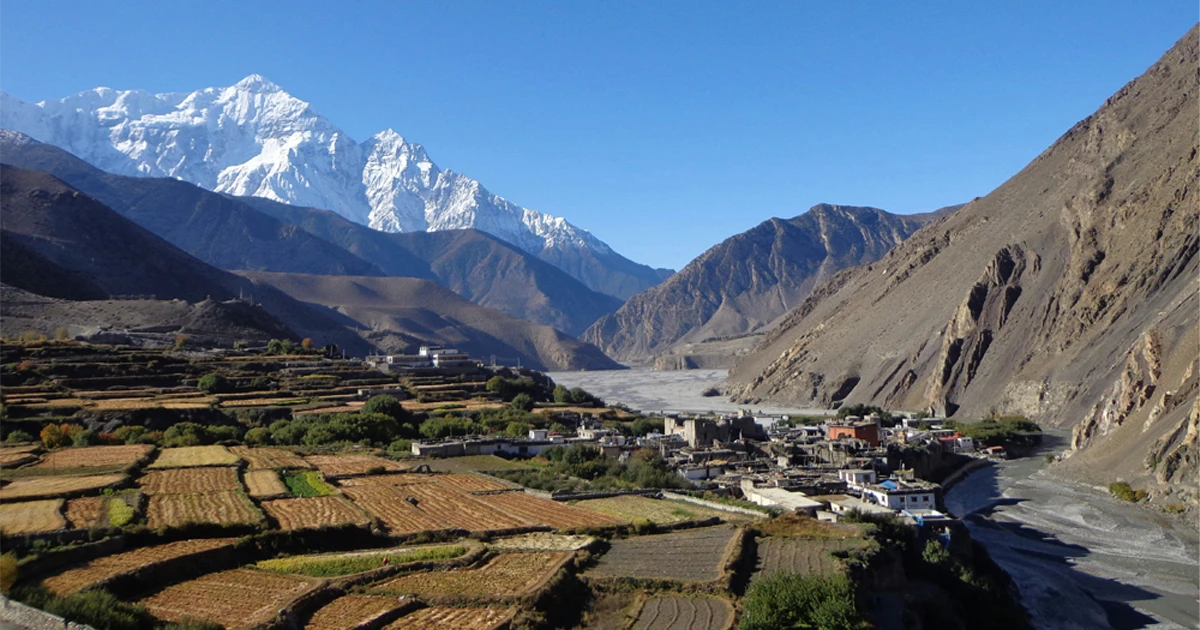
- Drive through some seriously unreal Himalayan landscapes where green hills slowly turn into the dry, dramatic Mustang desert region.
- Explore the windy mountain town of Jomsom, the gateway to Mustang and one of the most iconic stops on the Muktinath Yatra route.
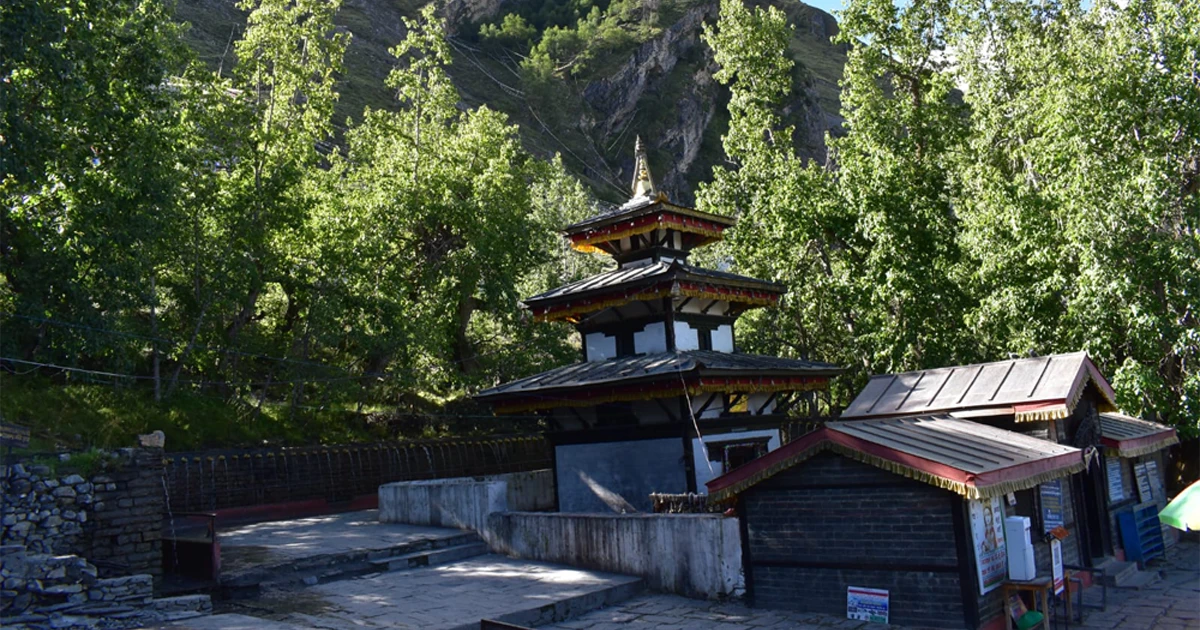
- Experience the spiritual magic of Muktinath Temple, one of the holiest pilgrimage destinations for both Hindus and Buddhists in Nepal.
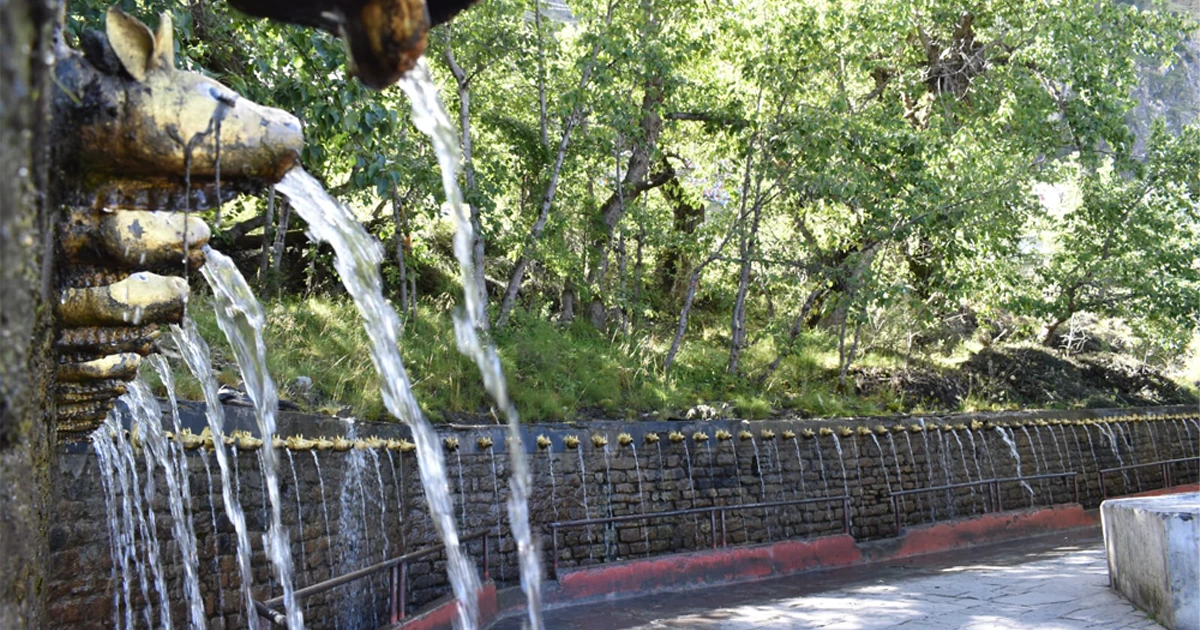
- Take part in the sacred ritual of bathing under the legendary 108 holy water spouts.
- Witness the unique eternal flame at Muktinath Temple, where natural gas burns continuously alongside water and earth elements.
- Enjoy breathtaking views of the Annapurna and Dhaulagiri Himalayan ranges throughout the pilgrimage route, especially around Jomsom and Muktinath.
- Relax your body at the natural hot springs of Tatopani after days of mountain travel.
- Discover the rich culture, traditions, and warm hospitality of the local Thakali communities living in the Mustang region of Nepal.
- Travel through the rain shadow region of Mustang.
What Exactly Is The Muktinath Pilgrimage Tour In Nepal?
A Muktinath Pilgrimage Tour in Nepal is basically that one journey where faith, mountains, chaos, and “why is it so windy here?” all meet in one place. It’s a spiritual travel experience that takes you from the busy streets of Kathmandu all the way up to the high Himalayas to visit Muktinath Temple, one of the most sacred pilgrimage sites for both Hindus and Buddhists.
This spot pulls deep for Hindus; it's where you break free from birth and rebirth. To Buddhists, its weight lies in awakening, in quiet clarity. What do they share? A sense this ground shifts something unseen inside.
Out here, the path shifts with green meadows giving way to rocky trails. Roads twist like old ropes, climbing past villages half-buried in dust. The air thins near high passes, and silence grows heavy. Mustang spreads wide, sun-bleached and quiet, wind scraping across flat stone.
A journey through winding roads leads into high mountains, where faith meets tradition under open skies. This path blends movement across terrain with moments of reflection among ancient stones. Travel unfolds slowly, revealing rituals shaped by time and weathered by wind. Each step carries weight beyond distance.
Beneath the flow of 108 sacred jets, the moment takes hold, stillness finds you high above sea level, where air thins past 3,800 meters. A flame burns without end ahead, and quiet settles in like breath slowing down. Height does not always mean chill; here warmth rises through stone and skin alike.
Why Is Muktinath Temple One Of The Holiest Destinations In The Himalayas?
Pilgrims travel far to reach Muktinath Temple; its place among the high peaks ties together sacred views, old traditions, yet a quiet strength felt by Hindu and Buddhist visitors alike. While few sites blend such layers, here prayer meets wilderness without losing depth. Mountains surround it like guardians dozing under clouds.
Deep in the mountains, Hindus see Muktinath as a place where souls can escape endless cycles of life and death. Think of it as hitting pause on repetition. To Buddhists, the spot belongs to Guru Rinpoche, who stands for calm, clarity, because wisdom grows best in stillness.
But what really makes Muktinath feel holy is the experience. You have got 108 water spouts where pilgrims take a freezing cold ritual bath (yes, even when your brain is screaming “don’t do it”), and right next to it, there is an eternal flame that has reportedly been burning naturally for centuries. Water, fire, earth, air, all in one place.
Add to that the insane Himalayan backdrop, the silence at high altitude, and that strange feeling where your thoughts suddenly get very deep for no reason… and you start to understand why pilgrims don’t just visit Muktinath, they feel it.
Is This Pilgrimage Trip Right For You?
If you have ever felt even slightly curious about spirituality, mountains, or just want a trip that hits deeper than your usual “hotel-food-photo-repeat” vacation, then yeah, this Muktinath Pilgrimage Tour in Nepal is probably calling your name.
This journey to Muktinath Temple is ideal if you want to feel something along the way. It’s for pilgrims, obviously, but also for anyone who secretly enjoys a bit of meaning with their mountain views.
Now, let’s be real. This isn’t a luxury spa holiday where everything is predictable and soft. You will have long scenic drives, a bit of altitude, and windy mountain air.
So, if your idea of travel is only five-star comfort, zero dust, and perfect WiFi everywhere… Muktinath might challenge your patience a little.
Why This Muktinath Yatra Tour Might Be The Journey You Didn’t Know You Needed?
The Legendary 108 Holy Water Spouts And The Sacred Mukti Kunda Experience
One of the most iconic parts of the Muktinath Pilgrimage Tour in Nepal is the experience at Muktinath Temple, especially the legendary 108 holy water spouts and the sacred Mukti Kunda.
Now, let’s be honest… 108 cold water streams at high altitude is not exactly a “relaxing spa moment.” It’s more like nature saying, “Here’s your spiritual reset… and also a free ice bath challenge.” But pilgrims still line up for it, because it’s believed that bathing under these 108 water spouts washes away sins and brings spiritual purification and liberation (moksha).
Each spout flows continuously with icy Himalayan water, and stepping under them feels like a mix of shock therapy and spiritual awakening. The funny part? The first few seconds make you question your life choices… but by the end, there is this strange sense of calm.
Right next to it is the sacred Mukti Kunda area, where the elements of fire and water exist together, something that feels almost unreal when you see it in person. There is an eternal flame burning naturally alongside the holy water, symbolizing the balance of nature and divine energy. Basically, it’s the Himalayas showing off a bit.
Himalayan Scenery And Mustang Desert Landscapes That Feel Unreal
Surprise waits around every turn on the Muktinath Pilgrimage Tour through Nepal. Picture this: lush rolling hills vanish behind you while a sunbaked valley rises ahead, dusty gold under sharp mountain light. The land shifts like scenes flipped by an unseen hand.
Over there, past the mountains, the land dries out fast. Behind Annapurna and Dhaulagiri it sits, high up, stripped bare by shadows that block the rains. The ground spreads wide under thin air.
One moment you are facing towering mountains covered in snow, then suddenly there is a dry red landscape like another planet.
And then there’s the wind. Oh yes, the Mustang wind deserves its own mention. It shows up uninvited, messes up your hair, your jacket, your plans… and somehow still makes the whole experience feel even more cinematic.
The Promise Of Moksha
At Muktinath Temple, the promise of moksha, or liberation, is especially powerful. For Hindu pilgrims, Muktinath is one of the rare “moksha kshetras,” meaning it’s believed that visiting this sacred place can help cleanse past karma and bring the soul closer to ultimate liberation.
For many travelers, it becomes a deeply personal moment. Standing in front of the temple, surrounded by cold mountain air, prayer flags fluttering, and the sound of water flowing nearby, people often feel something hard to explain.
And here is the funny part, even if you come in thinking, “I’m just here for the views,” Muktinath has a way of slowly pulling you into its story. One minute you are adjusting your jacket because it’s freezing, and the next you are thinking about life choices, purpose, and why your tea suddenly tastes more important than usual.
That’s what makes the idea of moksha here so unique. It’s subtle.
A Living Culture: Meeting The Warm-Hearted Thakali Communities
As you travel toward Muktinath Temple, the landscape might feel remote and dramatic, but the hospitality? Surprisingly comforting. The Thakali people are known for their simplicity, resilience, and honestly… their legendary way of making tired pilgrims feel like they have just arrived home.
Most travelers find them in tea houses tucked into mountain trails. Not much formality here, just warm greetings, steaming plates of dal bhat that seem richer when eaten at altitude.
Mountain paths shape how Thakalis see the world, with trade, movement, and journeys through high passes coloring their ways of living. Because of this, guests often find a quiet kind of care that comes from knowing cold winds, long trails, and thin air firsthand.
Rituals, Prayers, And The Spiritual Rhythm Of Muktinath Temple
Here on the Muktinath Pilgrimage Tour in Nepal, motion carries meaning. People come, step into the stream beneath one hundred eight spouts, and wash with care. Prayer follows, then flames rise from ghee-lit wicks. Around the shrine they move, slowly.
Bells ring, mantras float in the air, while a gentle wind slips between mountain peaks, this sound feels different somehow. Yet it's that blend which gives the spot its pulse.
Here, Hindus come to pray for blessings, to feel clean inside, or to find release. While Buddhists see it as a spot where thoughts slow down, where quiet settles in.
Flora And Fauna Of The Mustang Highlands
Think dry, dramatic, high-altitude desert landscapes… and life forms that are surprisingly tough and low-key impressive.
You will find hardy alpine shrubs, dry grasses, and seasonal wildflowers that somehow survive in cold winds, thin air, and zero-drama weather conditions.
Now the fauna? That’s where things get interesting.
If you are lucky, you might spot Himalayan blue sheep (bharal). And high above, you have got golden eagles and Himalayan griffon vultures circling the skies. You may also come across yaks and dzos (yak-cow hybrids) carrying loads through mountain trails.
Accessible Routes By Road, Flight, Or Even Helicopter
Getting to Muktinath Temple on this Muktinath Pilgrimage Tour in Nepal is actually way more flexible than most people expect. The main journey is usually done in a comfortable private jeep, which is honestly the most popular and practical way to travel through the mountains.
But if you are not in the mood for long road hours right from the start, there is a smart upgrade option too. Most folks hop on a local plane out of Kathmandu straight to Pokhara to save hours. Once there, a personal jeep rolls westward past Jomsom into Mustang country, winding its way toward Muktinath.
For travelers seeking something swifter and more upscale, there is another path; helicopters wait ready. These rides glide near Muktinath, unveiling sharp panoramas of Annapurna, stretching wild into Mustang below.
Places You Will Pass Through On The Muktinath Pilgrimage Route
Pokhara
Pokhara is known for its calm vibe, mirror-like lakes, and dramatic views of the Annapurna range. You will see Phewa Lake reflecting the mountains, and prayer flags gently moving in the breeze.
It’s also the main gateway for the Muktinath Yatra. From here, the journey starts to shift. But Pokhara isn’t just a stopover. It’s a vibe reset.
You can enjoy a peaceful lakeside walk, visit the famous Tal Barahi Temple sitting in the middle of the water, or just sit with a cup of tea and watch paragliders float across the sky.
Jomsom
Perched high in the Mustang area, this small, breezy settlement marks a vital pause on the way to Muktinath Temple. Winds sweep through narrow alleys where travelers rest after long climbs up rocky paths. Stone houses cling to slopes. Pilgrims pass here, filling quiet courtyards with soft chants each morning.
Wind hits first. Not gentle, bold, loud, takes charge without asking. Still, Jomsom holds its ground, rough beauty standing tall beneath open skies.
Beneath towering walls of rock, this place rests in a dusty basin where water once cut through stone. Giants of ice and shadow rise on either side, framing a landscape bare and sunbaked. Not far from silent slopes, the ground spreads flat under wide skies. Between massive ridges, wind moves freely across cracked earth.
Most travelers slow down in Jomsom for good reason. This place gives your body time to adjust after climbing higher, especially before pushing on toward Muktinath. Warm food waits at small lodges, a comfort after cold trails. Rest comes easier here than up the valley.
Kagbeni
Located in the Mustang region, this ancient village sits quietly along the route to Muktinath Temple, and trust me, it has main-character energy without even trying.
Out here, Kagbeni grabs attention fast. Twisting paths cut between weathered stone homes. Prayer flags snap above, stretched from roof to roof.
Just beyond the next ridge, Kagbeni waits like a secret nearly everyone forgot. Water from the Kali Gandaki slips past, quiet enough to hear stones shift under its pull.
Here, tradition slows footsteps. Some sit by stone walls, tracing old carvings with their eyes. Others walk quiet paths where voices fade into mountain air. The path ahead feels different after a stop like this.
Tatopani
After all the winding roads, high-altitude air, and dramatic Himalayan views on the way to Muktinath Temple, this place suddenly feels like a warm hug for your tired body.
The name “Tatopani” literally means hot water, and yes, it lives up to it. The natural hot springs here are the main highlight, and after days of mountain travel, soaking in these mineral-rich pools feels like your bones finally signed a peace treaty with the journey.
Most travelers describe Tatopani as the “reset button” of the trip. You go from cold winds and rugged landscapes straight into warm, soothing water that actually makes you forget how long you have been sitting in a jeep. It’s simple, peaceful, and honestly a little addictive once you step in.
Tatopani also gives you a chance to slow down, breathe, and reflect on the pilgrimage experience so far. People chat, laugh, stretch their legs, and suddenly everyone looks 50% more alive than they did a few hours earlier.
How Much Does The Muktinath Pilgrimage Tour Nepal Cost?
A journey to Muktinath in Nepal often costs between 650 and 800 US dollars for one traveler. This price shifts based on how you choose to travel. Group size plays a role, too. Some pick luxury while others prefer roughing it. Comfort level makes a difference in what you pay.
Most of the time, this cost takes care of everything on the sacred path toward Muktinath Temple; transport by personal haice weaves through it all. Nights spent under a roof in places such as Kathmandu and Pokhara are included. Permits? Handled. Food shows up at every turn, and simple lodging tucked into highland villages waits each evening. A guide moves alongside you across the entire trail, a steady presence from start to finish.
What affects the cost the most is your travel style. Want quicker access? Add a flight to Pokhara. Want the scenic upgrade? Go on a full private jeep journey. Want the “I have arrived like a Himalayan VIP” version? Helicopter options can also be arranged separately.
Do You Need Permits For The Muktinath Yatra In Nepal?
Yes, though it won’t tie you up in endless forms.
Heading out on the Muktinath Pilgrimage Tour in Nepal? The key document required is the Annapurna Conservation Area Permit, often called ACAP. This one runs about 23 U.S. dollars per traveler. Most folks grab it before hitting the trail.
This trip needs a pass since reaching Muktinath Temple means walking through the Annapurna Conservation Area, a zone shielded by environmental rules. Money from the ticket flows into protecting nature, fixing footpaths, helping nearby villages, and preserving the raw beauty people often scroll past online.
Now here is the good news: you don’t need to run around offices or deal with confusing processes. In most cases, your tour operator handles the ACAP permit for you. So you basically just send your details, and you are legally ready for the mountains.