Sound Healing Singing Bowls Therapy in Kathmandu is like a spa day for your brain, where ancient bowls do all the talking, and your stress has no chance.
Imagine waking up to something different as waves of sound roll through the air. These Himalayan singing bowls hum into your body, adjusting something inside without words. If you hiked too far yesterday, if sleep won’t come right, even if city noise wore down your edges, these vibrations press reset.
The noise outside fades when these notes begin. Your breath slows before you notice it. Tension slips like sand off stone. It helps you find peace within yourself.
Deep inside the Himalayan villages, you will find these metal bowls that sing when touched. Their tones ripple through the air, meant to steady breath or soothe ache. For hundreds of years, people in high valleys shaped these sounds into prayer and quiet work.
As the bowls sound out, their pulses match up with the quiet patterns already moving through you. Because of this shift, brain activity eases into slower waves. The nerves settle, and thoughts stop racing without effort.
Most find their shoulders drop, minds quieten. Sleep grows heavier, emotions settle into place. Chakras shift gently, aligning on their own. What makes sound healing in Kathmandu especially worth it is the setting. Kathmandu holds the sounds differently, as its traditions were shaped here.
Floating through the very villages where ancient customs took root, you will meet sound healing with copper bowls forged by local artisans. More than just rest after long trails, it slips beneath noise, ties you to place, and reshapes something subtle inside.
You come for the sound, you stay for the calm, and you leave feeling just a little more human than before.
What is Sound Healing Singing Bowls Therapy?
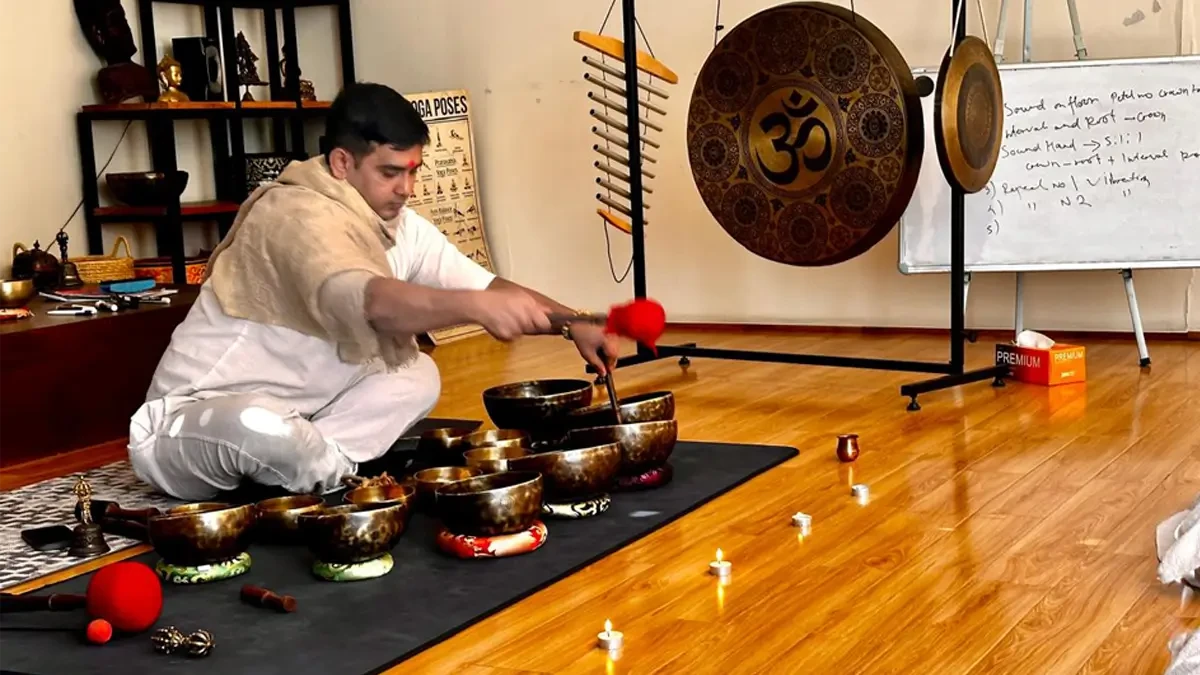
Sound healing singing bowls therapy is basically meditation with a really good soundtrack. They are metal shaped by hand into smooth curves that hum when touched just right. A soft tap wakes it, or sometimes a slow circle of wood along its rim brings out long notes.
These vessels go by many names: some say Tibetan, others call them Himalayan. Each one carries echoes of old methods, pouring tin and copper into forms meant to sing.
Inside you, vibrations begin where hearing ends. Waves move past eardrums, slipping into bones, settling deep. This isn’t heard so much as felt, like pressure releasing between ribs.
For hundreds of years, these bowls rang through Himalayan rituals, now shaping sound healing sessions across Kathmandu. As tones rise, they meet your nerves, lifting your mood without force.
Floating through sound, a person might find stillness just by resting near a humming bowl. Chakras may shift when tones ripple through bone and breath. Trauma eases here too, gently unwound by frequencies that ask nothing at all.
Now imagine sitting quietly in a soft-lit room where someone gently explains what comes next. When the singing bowls begin, sound waves move through the air, slowing down your thoughts. This rhythm eases tension while aligning physical sensations with stillness.
Think of it as tuning an instrument that’s been slightly off-key after stress, travel, or long treks.
The Roots of Tibetan Singing Bowl Sound Healing in Kathmandu, Nepal
A quick note to untangle one common mix-up. Though many say "Tibetan singing bowls," these objects fit a broader Himalayan backdrop, not just Tibet alone. Metal vessels like these are made usually from blends of copper, tin, bronze, or varied mixes and have lived in daily rituals across Nepal and nearby highland areas for generations.
Funny how something so ordinary could sing when struck. They used to be rice holders and food containers long before anyone cared about their hum. It wasn’t until someone tapped one that the room went quiet.
Later on, people started calling them "Tibetan singing bowls," mostly after foreigners interested in spirituality arrived around the middle of the 1900s. Strangely enough, old writings from Tibetan monks never once talk about these bowls being used in ceremonies.
Some experts think sellers called them “Tibetan” just to make them seem more mysterious. Most of these bowls actually came from Nepal, shaped by gifted craftsmen living high in the mountains.
People have long tied its vibration to deep thought. Out of tune? Maybe not. A few researchers point to ancient paths, Tantra and Bon.
Today, you can spot these bowls by stupas, left as gifts. Craftsmen in Kathmandu shaped them long ago, beating metal by hand into forms said to echo stars and sky. Though made with several alloys, each piece carried meaning beyond sound.
From there, singing bowls traveled far, finding homes in yoga studios, wellness retreats, and sound healing sessions around the world. But their heart? That’s still firmly Himalayan.
How Sound Healing Singing Bowls Therapy Works?
Singing bowls help in a basic way as sound steps in when thoughts race too fast to calm themselves. Slowing happens without effort because the sound vibrations guide it.
A singing bowl, when tapped lightly or rubbed with a stick, sends smooth humming waves filling the space around you. Not only does your ear catch the note, but your skin picks up the tremble too. The noise wraps through air and bone alike.
Here, sound waves carry weight. When Himalayan singing bowls ring steadily, they nudge brain activity toward slower rhythms, alpha, then theta, which are the states often found in quiet reflection or when sinking into rest. These patterns emerge without effort, much like thoughts fading at dusk.
Suddenly, you will have a quieter mind. Racing thoughts slow down. Mental clutter fades away. A soft surprise appears, and you will imagine, "wait, was this what I have been missing?"
Meanwhile, sound waves roll through you. Vibration hums under the skin. The parasympathetic nervous system wakes up. Your body knows how to ease into stillness.
Frequencies shift things inside and sometimes stuck feelings start moving. However, you see it, chakras, movement through the body or the tension held too long, everything settles into a new rhythm.
Benefits of Sound Healing Therapy for Mind and Body
Tension slips away while quiet settles through your thoughts. A full stop appears mid-chaos, softening everything around it.
Breathing slows down on its own and a quiet calm slips in.
Fog lifts from the mind, suddenly everything clicks into place and focus tightens.
Finding calm often begins by letting go of what weighs inside. A quiet reset follows when feelings flow out instead of piling up.
Falling asleep becomes easier and waking up feels smoother.
Fine-tuned energy flow slips into place, quietly syncing each chakra without strain.
Heavy feelings in the body fade when muscles loosen up after long trips or regular strain.
Peace flows through your thought, flesh, and space.
What To Expect During a Singing Bowl Sound Healing Session in Kathmandu?
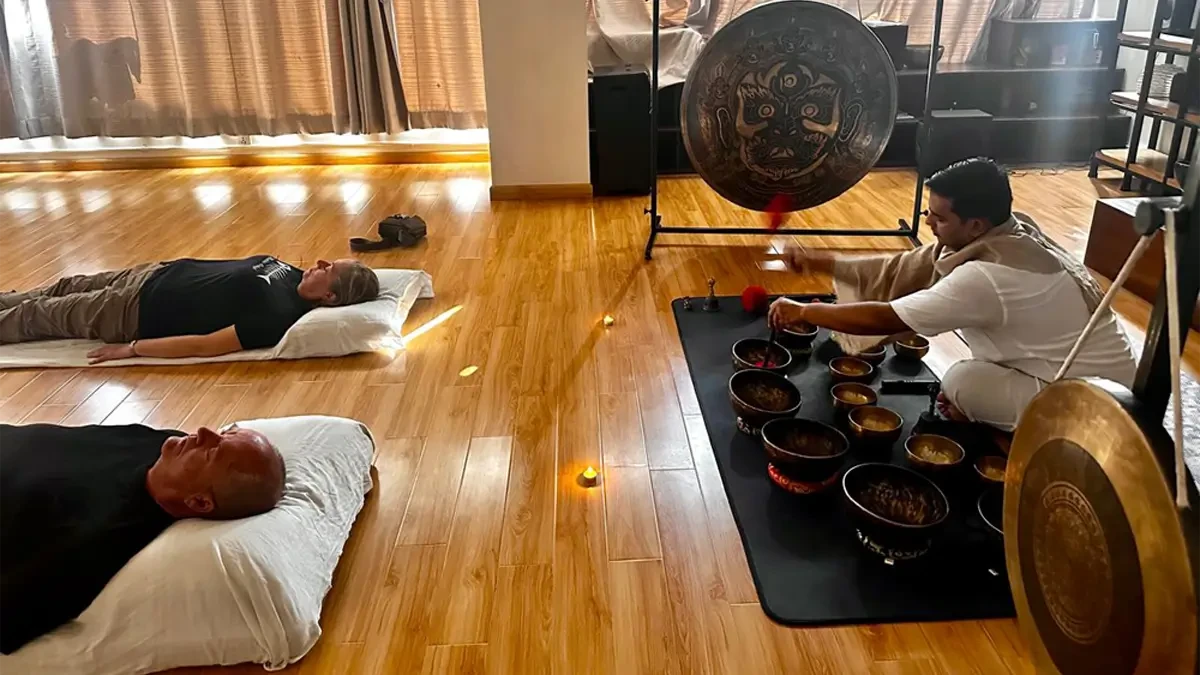
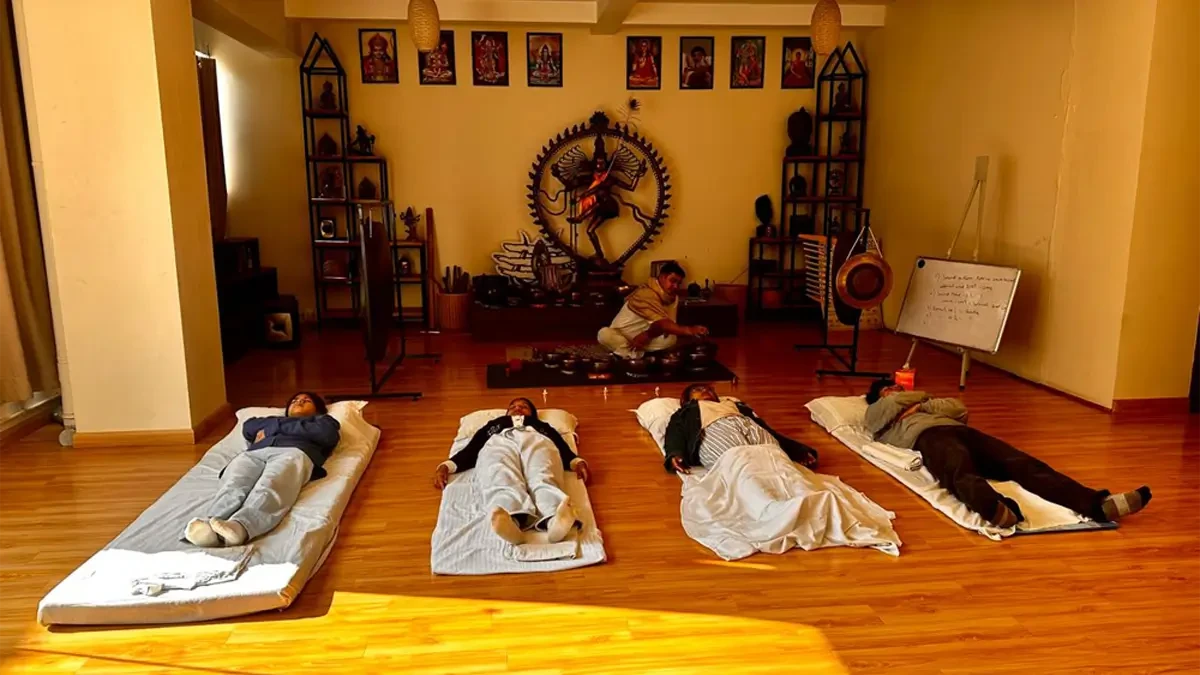
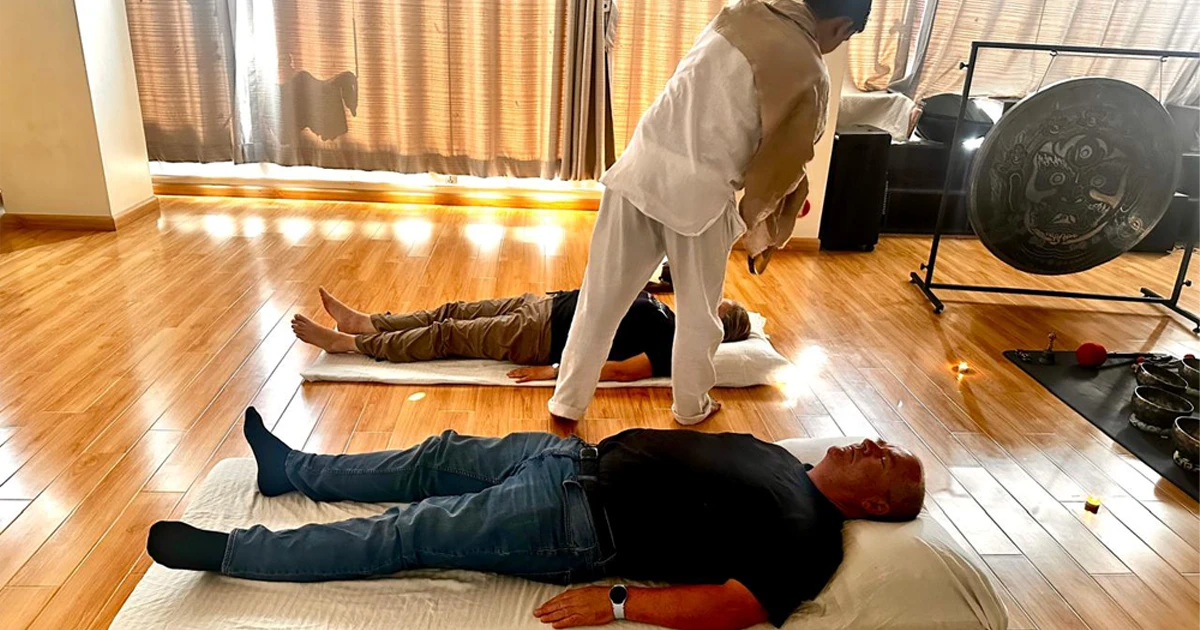
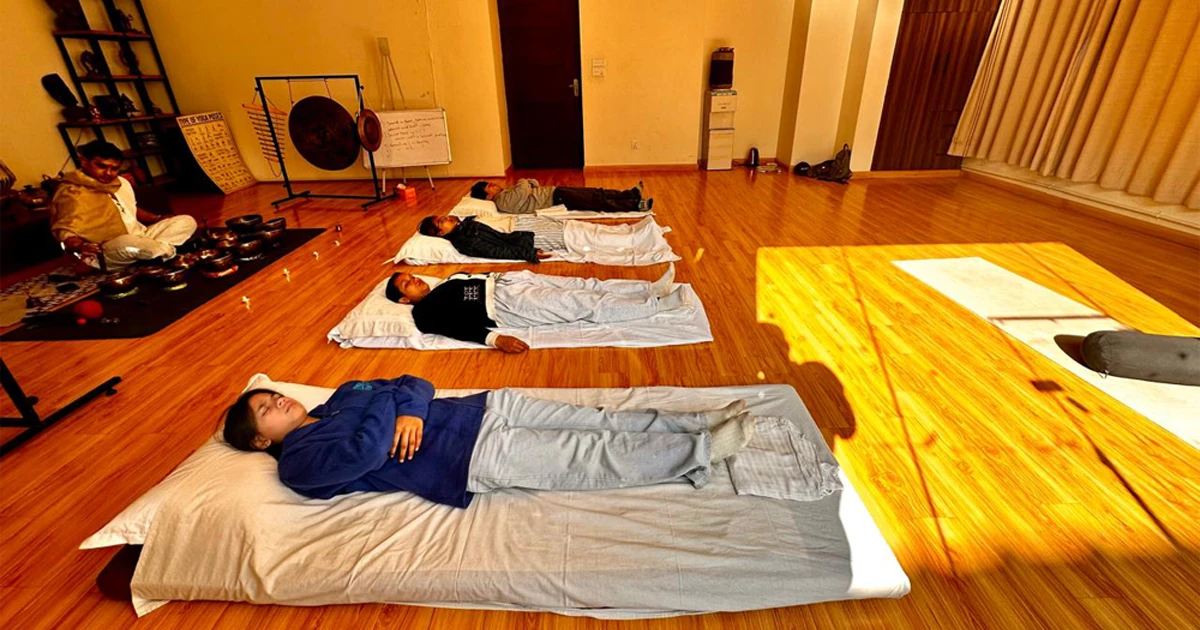
A singing bowl sound healing session in Kathmandu, Nepal often runs close to an hour inside a dimly lit room meant for meditation or wellness work. Quiet fills the corners here. Light stays low, gentle on the eyes. This kind of setting invites relaxation without asking much at all.
Right away, the practitioner greets you, offering soft words about what will happen next. Without delay, it becomes clear that you do not have to memorize any complex steps. Instead of focusing on techniques, simply being there matters most and relaxation begins the moment you settle in.
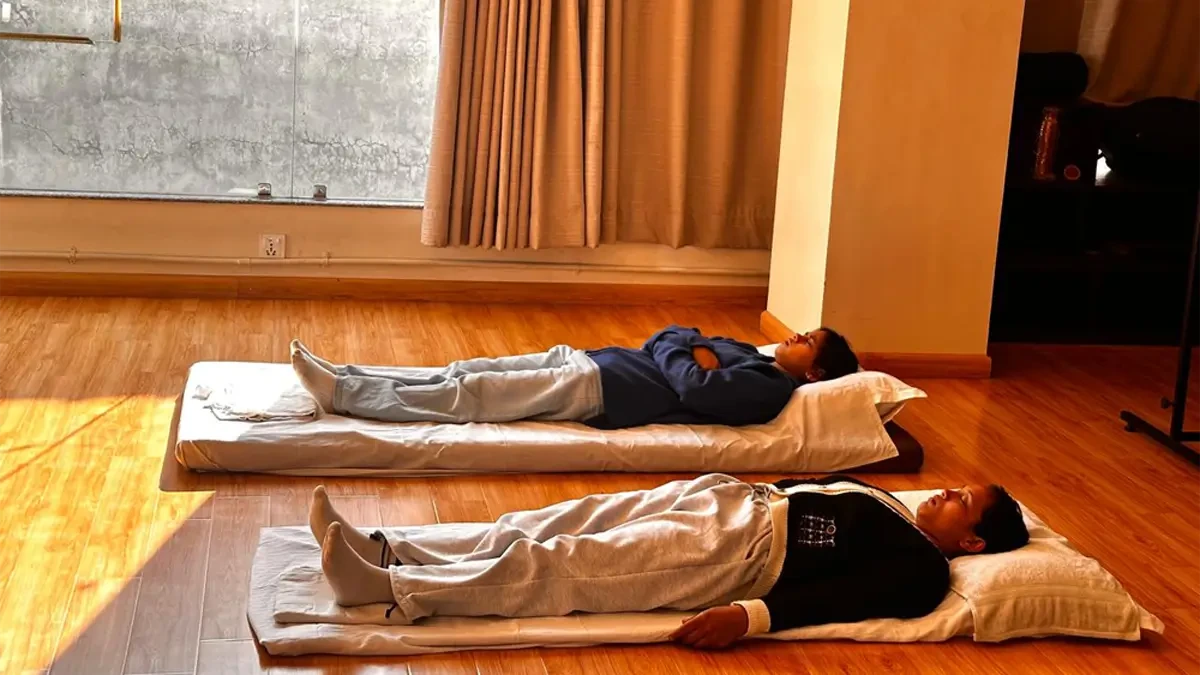
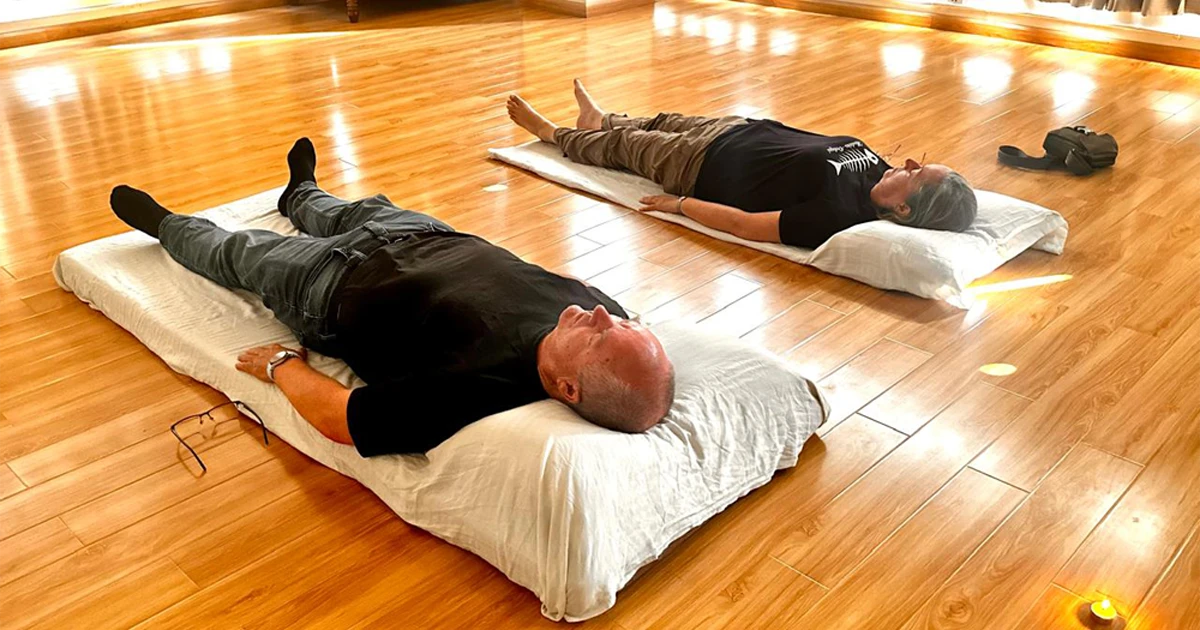
While there, stay and wear comfortable. When set, you will find the floor on a mat or soft pad, which is meant for quiet sitting. Blankets also show up sometimes with pillows.
Funny thing happens here as many folks start zoning out. Staying alert matters less than allowing your muscles and thoughts to unwind on their own. That quiet shift? It’s when everything begins softening without effort.
A quiet hum often opens the practice before settling onto the mat. You will close your palms togather to form 'Namaste', while a low Om rolls through the space instead of silence. Attention drifts from noise outside toward stillness inside thanks to that shared sound.
After the last note fades, you will lay down and rest. Flowing through the session, the practitioner uses a set order of tools to shape the journey. One after another, these sounds pull attention inward.
From the first strike, Tibetan Singing Bowls fill space with rich, low hums. As sound moves past you, through air and skin alike, vibration becomes part of experience. A shift slips in: shoulders drop, pulse settles, heat or light pricks climb from soles toward spine.
A soft hum rises as crystal singing bowls join. Lightness spreads and you will notice the low vibrations where you lay.
Later on comes the sound of Ghanta, those old bells from Buddhist practice, slipping in right when focus starts to fade. A low hum rolls through, pulling your mind back without force.
Following it, crisp little chimes cut through change like a reset button. Out of nowhere, those tiny strikes pull focus sharp.
Falling slowly, rain sticks and water beads bring soft movement, like a breeze through leaves. Their rhythm slips into the background, helping thoughts unwind without effort.
Sound from gongs, if present, spreads wide and wraps around like a slow tide. Sometimes it seems the walls rise and fall as though they are sharing your breath. This low hum draws attention inward.
All in all, sounds blend slowly, shaping how your body settles into calm. You will feel light as waves move up from heels to skull, easing your nerves. Each moment feels different. What you notice is simply what shows up.
Later on, the practitioner moves into quieter, more peaceful notes. These tones ease you toward regular awareness, creating a gentle shift instead of a sudden break. To mark the closing moment, a soft chime or low sound appears at last.
At the end, you will begin gentle stretching and breathe deep a couple of times, before lifting your eyelids. Many walk away with sharper thoughts, loose muscles, softer emotions, like tension slipped out without saying goodbye.
Here, sitting still for a short while before rising helps. Maybe sip water first, then let your thoughts settle into place again.
Where to Experience Authentic Sound Healing in Kathmandu, Nepal?
If you are looking for authentic sound healing singing bowls therapy, Kathmandu is one of the best spots in the world to try it. Thanks to its deep Himalayan spiritual heritage and centuries-long tradition of meditation and vibrational practices, the city offers experiences you just can’t get anywhere else.
Some people meet for sessions inside quiet rooms filled with soft light, often tucked within meditation or yoga spaces where singing bowls hum alongside mindful breathing. If you want deeper experience, certain retreat spots blend sound baths with ancient health traditions, movement forms, and conscious air patterns.
Out in some quiet corners, special rooms also exist just for sound healing, filled only with the hum of singing bowls and deep listening. Instead of walls, imagine trees around you while a therapist guides tones through open air, high up where mountain breezes move between notes.
When searching, start by checking how long they have worked with singing bowls as time matters more than trends. A practitioner’s past work often shows in what clients say about them. Skip anyone whose only training came from a video online yesterday.
Also, pause a moment on what kind of session fits, how long it lasts, what tools are brought in, and if walls around you feel right or open air.
Here’s a thought: reserve early when it's busy, say spring through autumn. Locals show up then, visitors do too.
Some spots also offer handmade singing bowls crafted by hand to buy.
Who Should Try Sound Healing Singing Bowls Therapy?
Honestly? Almost anyone can benefit from sound healing singing bowl therapy in Nepal. Sitting cross legged for the first time or already bending into sun salutations every morning, sound waves from these singing bowls meet you right where you are. Slowing your breath, clearing mental clutter, finding balance happens gently when tones begin to hum through the room.
Centering yourself might come easier when life feels heavy. If stress sticks around too long, these sounds offer a quiet path forward. Sleep troubles? The tones move slowly, like waves calming restless thoughts.
New to stillness practices, yet drawn to them, this could be where to start. Whether you are a total meditation newbie or someone who practically lives in yoga pants, the bowls are here to help you relax, reset, and recalibrate.
Even if you are looking for emotional balance or a subtle way to release pent-up feelings, or even just curious about energy work or chakra alignment. The bowls may help you feel more “centered.”
Still, sound healing does not work the same for everyone. When dealing with issues such as epilepsy, having metal inside the body, or similar health factors, speaking to a physician ahead of time makes sense as vibrations might influence individuals in varying ways.
How Much Does Sound Healing Therapy Cost in Kathmandu?
Are you curious about the price of sound healing singing bowls therapy in Kathmandu? A pleasant surprise: one whole hour of deep vibration therapy won’t strain your wallet.
Hourly rates for one-on-one appointments often fall between USD 30 to 50 at well-known spots. When you are fine joining others, the price drops, often around USD 30 to 50 covers a seat in a shared sixty-minute gathering.
Do you want to spend two hours immersed in sound? That deeper journey, layered with Himalayan instruments, singing crystals, gongs, some vocal tones, lands near USD 70.
Your cost shifts based on where you go, session time, what tools they use (sometimes gongs, sometimes bowls) and if there is quiet guidance or repeated sounds woven in. Like a pass that hits pause on mental noise.
Here is something worth knowing: reserve your place one day ahead, particularly when trips are busiest, think spring through fall, so you are covered.
Is Sound Healing Singing Bowls Therapy Worth Experiencing in Kathmandu?
Absolutely, sound healing with singing bowls in Kathmandu is more than just a “nice-to-try” activity. It’s a full-on mind-and-body reset. The vibrations help reduce stress, calm the mind, and promote overall well-being, leaving you feeling lighter, clearer, and strangely refreshed, like you just hit the pause button on life.
What makes Kathmandu special? You are experiencing a practice rooted in authentic Himalayan spiritual traditions. The singing bowls are hand-hammered locally, carrying centuries of culture, craftsmanship, and intention.
For anyone visiting Nepal, this is one of the most soothing and unique experiences you can have, a perfect complement to trekking, sightseeing, or surviving Thamel traffic. It’s a moment to step off the tourist treadmill, tune into yourself, and let the harmonic vibrations do their magic.
In short, if you want a cultural wellness experience that’s authentic, relaxing, and downright restorative, adding a singing bowl sound healing session in Kathmandu to your itinerary is absolutely worth it.