What is an Annapurna Base Camp Guided Tour? And why is it the Easiest Way to Experience the Annapurna Sanctuary?
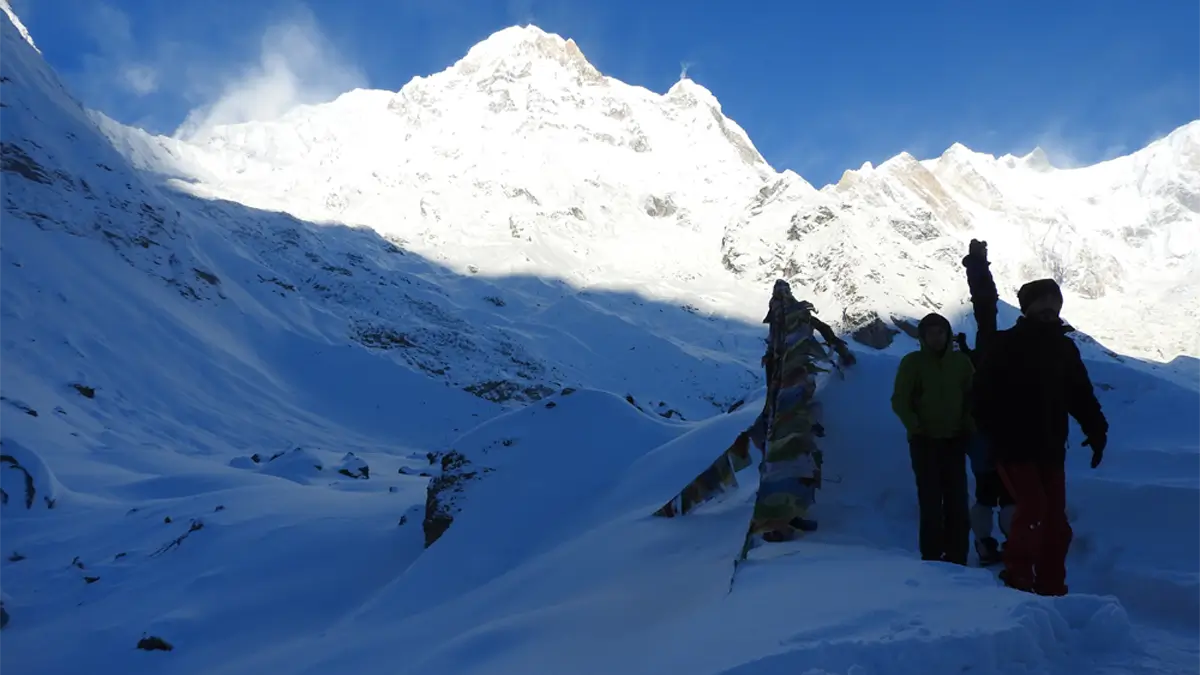
A guided tour to Annapurna Base Camp takes you deep into the sanctuary, led by a certified local guide familiar with every turn of the terrain. Not merely naming mountain summits along the way, these companions help ease challenges on footpaths few understand fully. Their presence turns rough trails into something richer than steps uphill. Safety grows quietly behind each decision they make.
Wandering past colorful prayer flags, your guide sorts permit quietly. Trails twist beyond bamboo groves; someone else arranges transport. Trekking tea house beds wait because plans were made earlier. Paths stay clear thanks to steady local knowledge. Charming stone homes appear around bends where villagers smile mid-step. Rhododendrons bloom thick along slopes and mountains reveal layers only seen after long climbs.
Here’s what stands out. Someone who knows the land shows you exactly where you stand. Not just paths, but tales that belong to the place come through them. Customs make sense when they speak of them. Faces become familiar as they connect you with those living here.
When you finally arrive at Annapurna Base Camp, it hits you. Small things stacked up: a nod from a fellow walker, tea handed across silence. These fragments, hardly noticed then, shape what stays longest.
Why are More Trekkers Choosing a Guided Annapurna Base Camp Trek?
Local Guides Know Stories No Map Can Show You
Sure, a map can show you which trail to follow, but it can't tell you the stories hidden along the way. It won't explain why prayer flags flutter across the mountain passes, how a tiny village got its name, or why trekkers never stop talking about the apple pie at a certain tea house.
That's the difference a local guide makes. They bring the trail to life. As you walk, they will share local stories, explain the traditions of the mountain communities, point out viewpoints you would probably stroll right past, and maybe even teach you a few Nepali words that are guaranteed to earn a smile. Somewhere along the journey, you stop feeling like you are simply hiking to Base Camp and start feeling like you are actually getting to know the Himalayas.
Safety, Navigation, And Altitude Support Along the Trail
Getting turned around on city streets with GPS means rocky paths up high might not suit you. A local guide changes that picture entirely. Rather than staring at each trail split like it holds secrets, just take in the views as you move. Worry fades when someone else knows the way.
What really matters most? Your guide also cares about how you are doing. Moving at a steady rhythm helps everyone stay strong throughout the journey. Need to pause a while under a rocky ledge? They will suggest it before exhaustion sets in.
As elevation increases, their attention stays sharp on how your body responds. When skies shift without warning, which mountain storms often do, decisions come fast: push forward or turn around safely. Walking beside them brings comfort, almost like sharing trails with someone who has lived every twist and turn countless times before.
Let Someone Else Handle the Logistics While you Enjoy the Journey to Annapurna
Truth is, organizing a several-day trek through the Himalayas feels like too much math at dusk. After walking all day, handling tea house bookings tires you out. Permits need attention next. Transport does not sort itself. The path for the following days? That needs thinking too.
Most people love this about an Annapurna guided tour. While you are busy laughing at your shaky bridge crossings, someone else handles permit, meals, and schedules without asking. With them, worry stays back where it belongs: far from Himalayan views.
What Does the Annapurna Base Camp Journey Actually Feel Like?
Walking Through Villages, Terraced Fields, And Rhododendron Forests
What makes the Annapurna Base Camp trek stand out? The landscape keeps shifting, so monotony never sets in. Around one bend, quiet Gurung hamlets appear, and people there offer warm greetings without hesitation. Then the path slips beside intricately shaped rice paddies stacked up hillsides. Soon after, thick rhododendron woods take over. During spring, they bloom wildly.
Out of nowhere, another vista appears, just after you are sure nothing could top what you have already seen. Truth is, these peaks never seem to run out of tricks.
From Chhomrong to Machhapuchhre Base Camp: Watch the Landscape Change as you Climb Higher
If the first half of the trek is all about forests, villages, and terraced hillsides, the stretch from Chhomrong to Machhapuchhre Base Camp is where the Himalayas really start stealing the spotlight. With every step higher, the trees slowly thin out, the valleys become wider, and towering snow-covered peaks suddenly feel close enough to reach out and high-five (please don't actually try).
Out here, swift rivers cut across your path while quiet bamboo groves open up ahead. Around each turn, high mountain views rise like something unreal. Reaching Machhapuchhre Base Camp changes the rhythm of things. The everyday noise fades until it is gone. What comes next? Even wilder terrain waits just beyond sight.
Standing At Annapurna Base Camp Surrounded by Himalayan Giants
After days of climbing uphill, conquering what feels like a million stone steps, and convincing yourself that "this has to be the last uphill"... you finally arrive at Annapurna Base Camp. And honestly? Every aching leg suddenly becomes yesterday's problem.
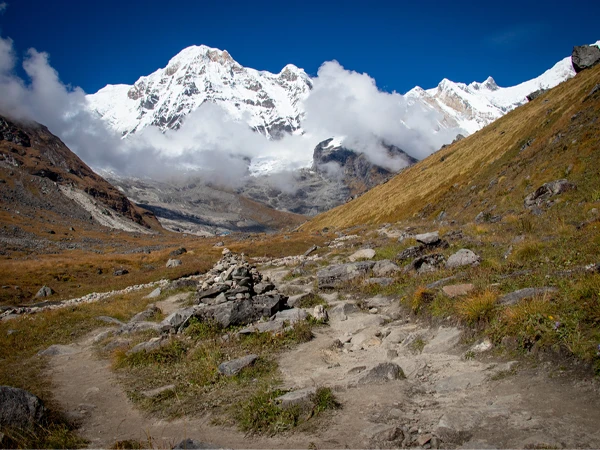
Standing at 4,130 meters / 13,550 feet in the middle of the Annapurna Sanctuary is one of those rare moments that photos never quite do justice. You are completely surrounded by towering Himalayan giants like Annapurna I, Annapurna South, Hiunchuli, and the iconic Machhapuchhre (Fishtail), creating a natural amphitheater of snow-covered peaks that makes you feel wonderfully tiny in the best possible way.
Most trekkers end up doing the exact same thing here: standing in complete silence for a minute, taking way too many photos, and somehow still feeling like the camera isn't capturing half of what their eyes are seeing. It's the kind of view that stays rent-free in your head long after the trek is over.
Jhinu Danda Hot Springs, Sunrise Views, And the Little Moments you Remember Most
It turns out the times stuck in your head often aren’t the loud, sweeping events. Sunrise painting snowcaps gold? That’s something else entirely. Days into walking, dipping sore muscles where warm water rises from the rock, Jhinu Danda gives that gift.
It’s the small stuff that lingers, though. A hot mug of tea when tiredness sets in. Laughter shared near the wood stove with others who walked the same trail. Quick glimpses of watchful langurs peeking through trees. Just being still outside your room as dusk paints the peaks soft rose. These bits settle in without noise.
Things Nobody Tells You Before Trekking to Annapurna Base Camp
Nepal Trekking Tea Houses Feel Surprisingly Cozy
One moment, you are thinking trekking tea houses are just shelter, basic, maybe even dull. Arriving changes things fast. Then you actually arrive, kick off your hiking boots, wrap your hands around a steaming mug of tea, and suddenly it feels weirdly... like home.
Sure, these places aren’t fancy. Still, their appeal grows once you step inside. Warm halls greet you, often centered around a glowing wood stove. Expect big plates of food made from scratch, owners who remember your name, plus travelers sharing tales between sips of hot drinks.
Nepali Food Dal Bhat Somehow Never Gets Old
If you have never had dal bhat before, you might look at your first plate and think, "Rice and lentils... every day? Really?" Fast forward a few days into the trek, and you will be proudly asking for a second helping as you have just unlocked your new personality trait.
There's a reason trekkers swear by it. Dal bhat is warm, filling, packed with energy, and in most tea houses, you can even get free refills. After spending hours climbing trails and conquering endless stone steps, your body starts treating it less like a meal and more like premium mountain fuel. By the end of the trek, don't be surprised if you're already craving "Dal bhat power, 24 hour!" It is the famous Nepali saying that suddenly makes perfect sense.
Thousands of Stone Steps are Part of the Annapurna base camp Adventure
Stone steps pop up more than expected on the Annapurna Base Camp hike. You reach what seems like the final flight, then the path turns and offers more, as if it forgot to mention them earlier.
One moment, you are cursing every stone step, particularly near Chhomrong, yet somehow that struggle sticks in memory more than comfort ever could. Move slow, settle into your own pace, and sometimes pause for pictures. Suddenly, without noticing, the climb slips into tales told with grins years later.
Nepal Mountain Weather ABC Has a Personality of its Own
If there's one thing you will quickly learn on the Annapurna Base Camp trail, it's that mountain weather does whatever it wants. You can start the morning under bright blue skies, be reaching for your rain jacket by lunchtime, and end the day watching a stunning sunset like nothing ever happened. The Himalayas really do love keeping everyone on their toes.
That's why dressing in layers is your best friend. Peel one off when you are warming up, throw another on when the temperature suddenly drops, and always keep a waterproof jacket within easy reach. The weather may be a little unpredictable, but with the right gear, and a guide who knows when the mountains are having one of their mood swings, you will be ready for whatever the trail decides to serve up next.
Who Takes Care of the Permits, Transportation, And Logistics for the Annapurna Base Camp Trek?
Most folks sign up for a guided trek to Annapurna Base Camp because sorting through documents isn’t part of their mountain fantasy. Truthfully, who would? The idea of juggling travel documents, transport timetables, or guessing if lodging is confirmed doesn’t exactly spark joy on holiday.
Most details vanish into the hands of your guide when you book a guided trek. Permits for Annapurna Base Camp? Handled without you lifting a finger. Transport to the start line gets sorted ahead of time, just like where you will sleep each night. Weather shifts or muddy paths pop up suddenly, yet someone else adjusts the plan while you keep walking.
Showing up with just your backpack is enough. Laced-up boots are the only gear you truly need. Maps, bookings, plans, someone else handles those. Instead of juggling maps, bookings, and logistics, you get to spend your time admiring mountain views, making new trekking buddies, and deciding whether today's post-hike reward should be a hot chocolate or another plate of dal bhat. (No judgment if it's both.)
Is the Annapurna Base Camp Guided Trek Difficult?
Short answer? Yes... but probably not in the way you are imagining. This journey to Annapurna Base Camp doesn’t demand ropes or ice axes. Yet thinking it's easy would be misleading. Each step climbs higher, often slowly. Feet meet stone, then dust, then snow again. Muscles will remember every uphill stretch long after arriving.
Walking takes up entire days here. Stone steps appear one after another. The air gets thinner moving toward 4,130 meters. A decent fitness level helps. Handling many hours on foot matters more than speed. Most travelers finish the route when they prepare well.
Most people find walking with a leader changes everything. When to pause, when to ease up, someone else decides that for you. Adjusting to thin air becomes easier because advice comes at the right moment. Reaching camp fast? That idea fades as rhythm matters more than speed.
So, is it challenging? Absolutely. Is it achievable for beginners with a good attitude, decent fitness, and a little determination? Also absolutely.
Best Time to do an Annapurna Base Camp Trek Tour
Spring & Autumn: The Best Seasons for Crystal-Clear Mountain Views
If you ask seasoned trekkers when to visit Annapurna Base Camp, chances are they will say spring (March to May) or autumn (September to November) without even blinking. These are the sweet spots, with stable weather, comfortable temperatures, and those postcard-perfect mountain views that make you question whether someone secretly turned the scenery into 4K.
Spring brings blooming rhododendron forests that splash the trail with color, while autumn is famous for crisp air and unbelievably clear skies after the monsoon washes away the dust. Yes, these seasons are also the busiest, but there's a good reason for that. If your dream is to see the Annapurna Sanctuary at its absolute best, this is when the mountains are most likely to show off.
Winter and Monsoon: Worth it or Better to Wait?
Can you trek to Annapurna Base Camp in winter or during the monsoon? Absolutely. Should everyone do it? Well... that depends on how much you enjoy surprises.
Winter (December to February) rewards you with quieter trails and stunning snow-covered landscapes, but it also brings cold temperatures, icy sections, and the chance of heavy snowfall affecting the route.
Monsoon (June to August) transforms the forests into a lush green paradise, but frequent rain, slippery trails, sometimes leeches, and cloud-covered mountain views can make the trek a little less magical.
If you are an experienced trekker looking for solitude, these seasons can be incredibly rewarding. But if it's your first Himalayan adventure and you are chasing those iconic panoramic views, spring or autumn will usually give you a much smoother and drier experience.
How to Prepare for the Annapurna Base Camp Trek (Without Living at the Gym)
Here's how to get trek-ready without turning your life into a training montage:
- Aim to walk for 5 to 10 km a few times a week to build endurance.
- Climb stairs whenever you can. Trust us, those stone steps on the trail won't be introducing themselves politely.
- Strengthen your legs and core with squats, lunges, and planks.
- Break in your trekking boots early.
- Practice hiking with a daypack.
- Pack smart and only bring the essentials. Remember, you will be carrying everything you pack.
- Stay hydrated and get enough rest.
Final Thoughts: Why An Annapurna Base Camp Guided Tour is the Best Way to Experience the Himalayas?
The guided tour to Annapurna Base Camp is about turning an incredible trek into an unforgettable experience. Instead of stressing over permits, navigation, accommodation, or whether you have accidentally wandered onto a goat path, you get to focus on the reason you came in the first place: soaking in the mountains.
From sharing stories with your local guide and enjoying cozy tea houses to standing in the heart of the Annapurna Sanctuary surrounded by some of the world's most spectacular peaks, every day brings something worth remembering. Sure, your legs might file a few complaints after all those stone steps, but your camera roll will be working overtime.
So, if you are looking for a Himalayan adventure that's equal parts breathtaking, rewarding, and surprisingly beginner-friendly, a guided trek is hard to beat.
FAQs
Do I need a guide for the Annapurna Base Camp trek?
While it is not mandatory to hire a guide for the ABC, having one by your side makes the whole journey much smoother, safe, easy access, and stress free.
Is the Annapurna Base Camp guided trek suitable for beginners?
Absolutely! If you have decent fitness and enjoy walking, it's one of the best Himalayan treks for first-timers.
How long does an Annapurna Base Camp tour take?
Most guided tours last between 7 and 12 days, depending on your itinerary, starting point, and acclimatization schedule.
How difficult is the Annapurna Base Camp guided trek?
It's considered a moderate trek. The challenge comes from long walking days, uphill climbs, and altitude, not technical climbing.
How much does an Annapurna Base Camp guided tour cost?
Prices vary depending on the itinerary, group size, and what's included in the cost.
Are porters included in ABC guided tours?
Many trekking packages offer porters, but not all include them automatically.
What permits are required for the Annapurna Base Camp trek?
You will need the Annapurna Conservation Area Permit (ACAP). Your trekking operator agency usually takes care of the paperwork.
What is the best time to do an Annapurna guided tour?
For Annapurna Guided tour spring (March to May) and autumn (September to November) are the top choices, thanks to clear mountain views, pleasant weather, and ideal trekking conditions.
What should I pack for an Annapurna guided trek?
Pack layers, comfortable trekking boots, a waterproof jacket, warm clothing, sunscreen, a reusable water bottle, and a sense of adventure.
Can I trek to Annapurna Base Camp without prior trekking experience?
Yes! Many first-time trekkers successfully complete the trek. Train a little beforehand, take it slow, and listen to your body.