Is Autumn Really the Best Time to Trek Annapurna Base Camp ABC?
Short answer? Yeah, and not just because everyone says so. Autumn (September to November) is basically when the Annapurna region decides to behave itself.
After the monsoon washes the dust away, the whole trail turns dry, stable, and way more predictable. That means no muddy slip-and-slide sections, and no constant rain interruptions.
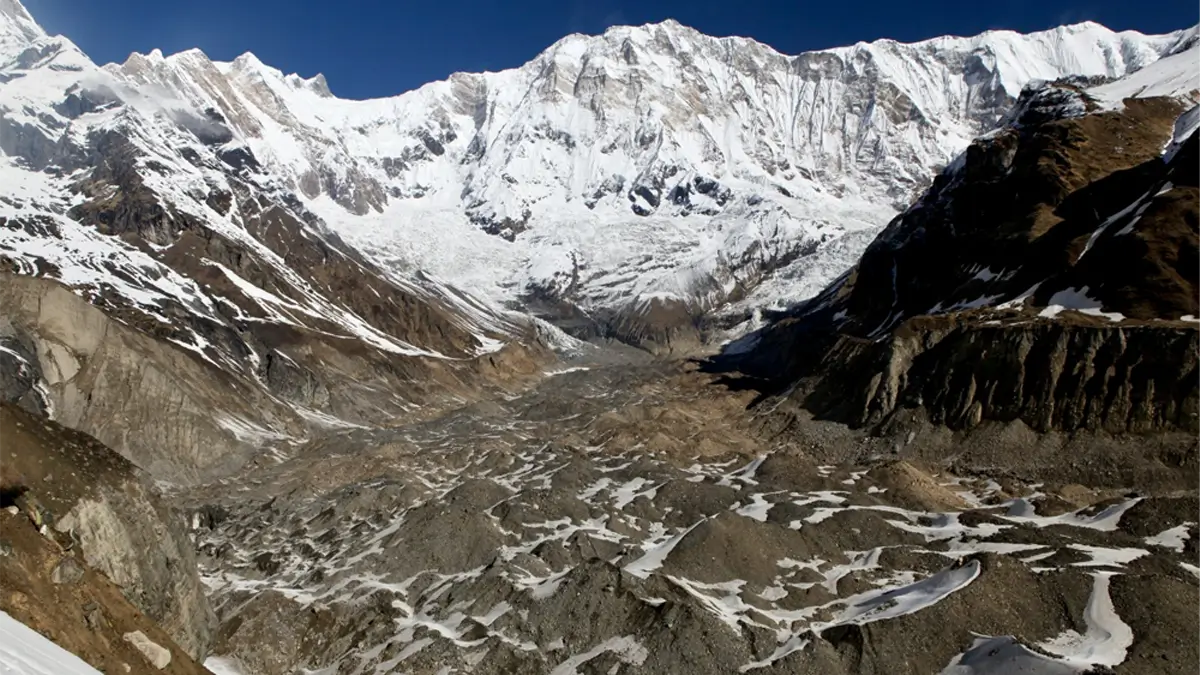
The weather during this time is also at its best, with cool mornings, comfortable trekking temperatures during the day, and clear nights that make the Himalayas look unreal. You get those sharp, postcard-perfect views of Annapurna I, Machhapuchhre, Hiunchuli, and the whole snowy lineup sitting there.
And the trail conditions? Honestly, as good as it gets in the Himalayas. Paths are dry, well-defined, and fully active with teahouses running smoothly, so you do not have to worry about basic logistics. Everything just… works.
But of course, there is a catch.
Because autumn is so good, it’s also when everyone else shows up. So while the mountains are calm and clear, the tea houses and viewpoints can feel a bit like a “why all booked this exact same experience?” situation.
So yeah, autumn is not just “popular.” It’s popular because it gives you the most reliable version of the Annapurna Base Camp trek.
Spring at ABC: Why Everyone Falls in Love with this Season?
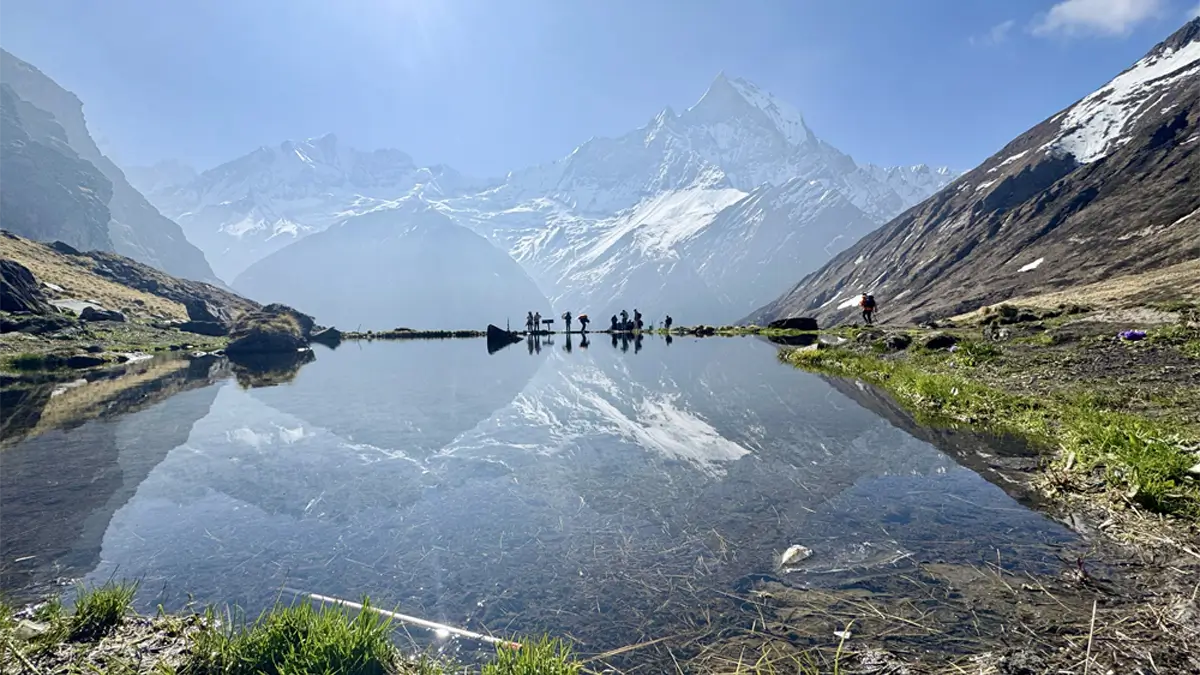
Spring at Annapurna Base Camp (March to May) is that season where the whole trail just goes, “yeah okay, let’s look pretty today.” No drama, no extreme cold, no constant rain.
This is the time when the trek feels alive. The forests along the trail suddenly explode into rhododendron blooms everywhere.
Weather-wise, spring is basically the “I’ve got your back” season. Days are comfortable for walking, not too hot, not freezing your soul out either. Mornings are usually crisp and clear, and afternoons might get a bit cloudy, but honestly, that just adds to the whole Himalayan mood.
And the views? Oh, they show up. Annapurna I, Machhapuchhre, Hiunchuli, they are all there doing their thing. It’s not always ultra-crystal sharp like autumn, but it has this softer, cinematic feel.
Everything just flows nicely… except for the fact that everyone else also picked spring as their “perfect time,” so yes, you will be sharing the vibe with a few hundred other trekkers who had the same bright idea.
Winter at ABC: Can you do it, or is it Just a Bad Idea in Disguise?
Winter at Annapurna Base Camp (December to February) is that season where the mountains look absolutely unreal… and your body slowly starts questioning all your life choices.
Let’s get one thing straight first: yes, you can do the ABC trek in winter. People do it. The trail doesn’t shut down. The Himalayas don’t disappear. In fact, they get even more dramatic with snow covering everything.
But here is the vibe check: winter at ABC is not your casual “let’s go for a chill hike” situation.
This is when the trail gets cold, quiet, and properly icy in higher sections, especially as you move closer to base camp. Mornings can be frozen enough to make you negotiate with your gloves, and nights feel like the mountains are personally testing your decision-making skills. Snow is common, temperatures drop hard, and you will definitely feel like you are in a proper Himalayan winter.
Now, the upside? It’s actually kind of magical.
You get almost empty trails, meaning no crowd drama, no teahouse rush, and no waiting behind someone. The Annapurna range looks insanely dramatic under snow with white peaks and silent valleys.
Trail conditions, though, are where things get real. Some sections can be slippery or covered in snow, and you need to be more careful with pacing and gear. Everything takes a bit more effort.
So, is winter at ABC a bad idea? Not exactly.
If you are someone who loves solitude, doesn’t mind cold weather, and actually enjoys the idea of walking through a snow-covered Himalayan silence, winter might surprise you in a good way.
But if you are imagining comfy trekking weather and easy views without effort… winter will politely (and very coldly) correct you.
Monsoon At ABC: Should you really trek when the Mountains are Hiding in the Rain?
During monsoon at Annapurna Base Camp (June to August), one minute you are excited for big mountain views, and the next minute everything is wrapped in clouds.
So yes, you can trek ABC in the monsoon. But the real question is: should you?
Let’s just say monsoon trekking is not your clean, postcard-perfect version of the Himalayas. It’s more like the behind-the-scenes, slightly chaotic, everything-is-wet version.
During this season, the trail turns lush green, wild, and ridiculously alive. The forests feel deeper, waterfalls show up out of nowhere, and everything looks like it’s been photoshopped with extra saturation. It’s honestly beautiful… until it starts raining again five minutes later.
And the rain? Oh, it’s committed. Not the cute drizzle kind, we are talking proper Himalayan rain. Trails can get slippery, leeches make their unwanted appearance, and visibility often plays the classic game of guesses.
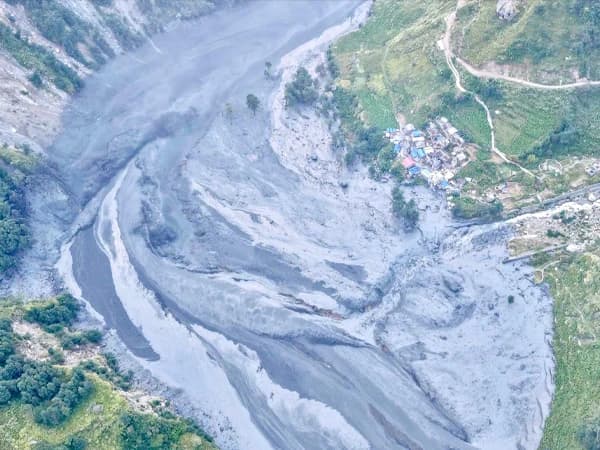
The biggest challenge is not just the rain, but the unpredictability. Landslides can affect sections of the route, clouds can completely block mountain views, and your socks will probably stop being dry as a concept.
But here is the twist: monsoon isn’t useless.
If you are someone who doesn’t care about perfect mountain views and actually enjoys quiet trails, fewer crowds, and insanely green landscapes, the monsoon can feel strangely magical.
When is ABC the Least Crowded? (For People who Hate Queues in the Mountains)
If your dream version of Annapurna Base Camp looks like “me, the mountains, and absolutely no one photobombing my sunrise moment,” then yeah… timing matters a lot more than people admit.
Let’s be real, ABC is not always a quiet monk retreat in the Himalayas. In peak seasons, it can feel a bit like a very scenic traffic jam… just with backpacks instead of cars.
So when is it actually peaceful? The least crowded times at ABC are monsoon (June to August) and winter (December to February).
Now, before you get excited or scared, here is what that actually means in real life.
Monsoon means fewer people, but also rain doing its full-time job. Winter is also very quiet, but with the mountains basically saying, “come, if you can handle the cold.”
That said, there is a little secret window most people overlook.
If you time it just slightly outside the peak madness, like the very beginning or end of spring and autumn, you can actually get the best of both worlds.
We are talking late February to early March, or late November to early December vibes.
- During these shoulder periods:
- The trails are way quieter than peak season
- You still get decent mountain views (not always perfect, but solid)
- Tea houses are open, but not packed like a mountain festival
- And the whole trail feels a bit more relaxed, like the Himalayas just woke up
It’s basically the sweet spot where ABC hasn’t fully entered “crowd chaos mode” or “off-season survival mode.”
If I Only Get One Chance, Which Season Should I Choose for the Annapurna Region?
If you are doing the Annapurna Base Camp trek just once in your life, and you don’t want to play “weather lottery” with the Himalayas, then let’s keep it simple.
Go in autumn. Specifically, October. That is the season where Annapurna basically goes into its “best version of itself” mode.
After the monsoon clears out, the whole region feels reset. The air turns clean, the skies open up properly, and suddenly the mountains stop playing hide-and-seek. You get those sharp, full-frame views of Annapurna I, Machhapuchhre, Hiunchuli, and the entire range.
And October? That’s the real golden window inside autumn.
Here’s why it stands out:
- The weather is at its most stable, with no random rain surprises ruining your day.
- Visibility is insane. This is when the Himalayas look the clearest and closest.
- Trail conditions are ideal: dry, well-marked, and fully operational tea houses.
- Photography is unfairly good; every angle looks like a desktop wallpaper.
It is also that time when the trail feels alive but not chaotic yet. Early October can be slightly quieter, while mid to late October brings more trekkers, but still manageable if you don’t mind sharing the view with a few fellow.
If autumn is the safest bet, October is the jackpot inside the bet.
Now, could spring work? Yes. Could winter or monsoon be adventurous? Also yes. But if you only get one shot and you want the version of Annapurna that most people remember forever, autumn (especially October) is the one that rarely disappoints.
So… What Does “Best Time” Even Mean For ABC Trek?
After all this talk about seasons, weather, crowds, and “don’t go here unless you enjoy chaos,” the real answer is actually pretty simple, but also kind of personal.
When people ask “what is the best time to trek Annapurna Base Camp ABC?”, they usually expect one magic month. Like, there is a secret code where the Himalayas suddenly decide, “Okay, only on this date we will be perfect.”
But that’s not how it works. “Best time” at ABC really means the time when the mountains match what you want from the trek.
If you want maximum clarity, blue skies, and those unreal postcard views, then autumn (especially October) is your golden ticket. If you want something a bit softer, flowers, greener trails, slightly fewer crowds in parts, and a more colorful walk-in experience, then spring becomes your version of “best.”
If you want peace, silence, and empty trails where you can actually hear your footsteps, then monsoon and winter suddenly become your definition of “best,” even if they come with rain, snow, or a bit of suffering on the side.
So yeah, “best time” is not one fixed answer, it’s a trade-off.
- Do you want comfort or solitude?
- Perfect views or unpredictable adventure?
- Busy but easy, or quiet but challenging?
The mountains don’t really change; your experience does, depending on when you show up.
FAQs
How many days are usually good weather for the ABC trek?
Usually, you get a few solid, clear-weather days in spring and autumn, but expect conditions to change a bit day by day; it’s the Himalayas, not a weather app guarantee.
Is it possible to see the Himalayas clearly in all seasons?
Nope. Autumn and spring give the clearest views, while the monsoon hides them, and winter sometimes wraps them in snow or haze.
What is the biggest mistake people make when choosing ABC timing?
Thinking “any month is fine,” that’s how people end up trekking in rain, fog, or freezing cold without planning for it.
Do crowds really matter on the Annapurna Base Camp trail?
Yes, especially in peak seasons. It won’t ruin the trek, but you will definitely notice tea houses and viewpoints getting busy.
Is trekking in the monsoon completely unsafe or just uncomfortable?
Mostly uncomfortable, but also a bit risky in places due to landslides, slippery trails, and poor visibility.
What kind of weather surprises should I expect at ABC?
Sudden cloud cover, quick rain showers, and temperature drops, as the mountains love changing moods fast.
Why do most trekking companies recommend spring and autumn?
Because they give the best mix of clear views, stable weather, and comfortable trekking conditions overall.
Is it better to trek the Annapurna region when it’s less crowded or when the weather is best?
Depends on your vibe, best weather means crowds, and fewer people usually mean tougher conditions.
How cold does it get during the best trekking months?
Days are pleasant, but nights can still get quite cold at higher altitudes, especially near base camp.
What is the safest time for Annapurna treks?
Autumn and spring for stable weather, good visibility, and the most reliable trail conditions overall.