Why ABC Trekking Annapurna Base Camp Nepal is on Everyone’s Bucket List (And Should Be on Yours)
Let’s be honest, if your bucket list isn’t at least a little bit decorated with mountain silhouettes and lofty ambitions, you are not living your adventure life properly.
This trek to Annapurna’s base camp stands tall, not because crowds say so, but because views hit deep, culture wraps close, and effort turns into something solid. Few trips mix these like Nepal’s ABC trail.
Leaving Pokhara’s quiet shores behind, the road climbs slowly through layered fields, dense forests, and local villages. Each turn pulls thought inward, even as the views stretch far beyond what words can hold.
Not many treks mix big views with such ease quite like this one. Hidden among towering peaks, it stays surprisingly reachable for regular hikers. No ropes, no ice axes, no months spent prepping required.
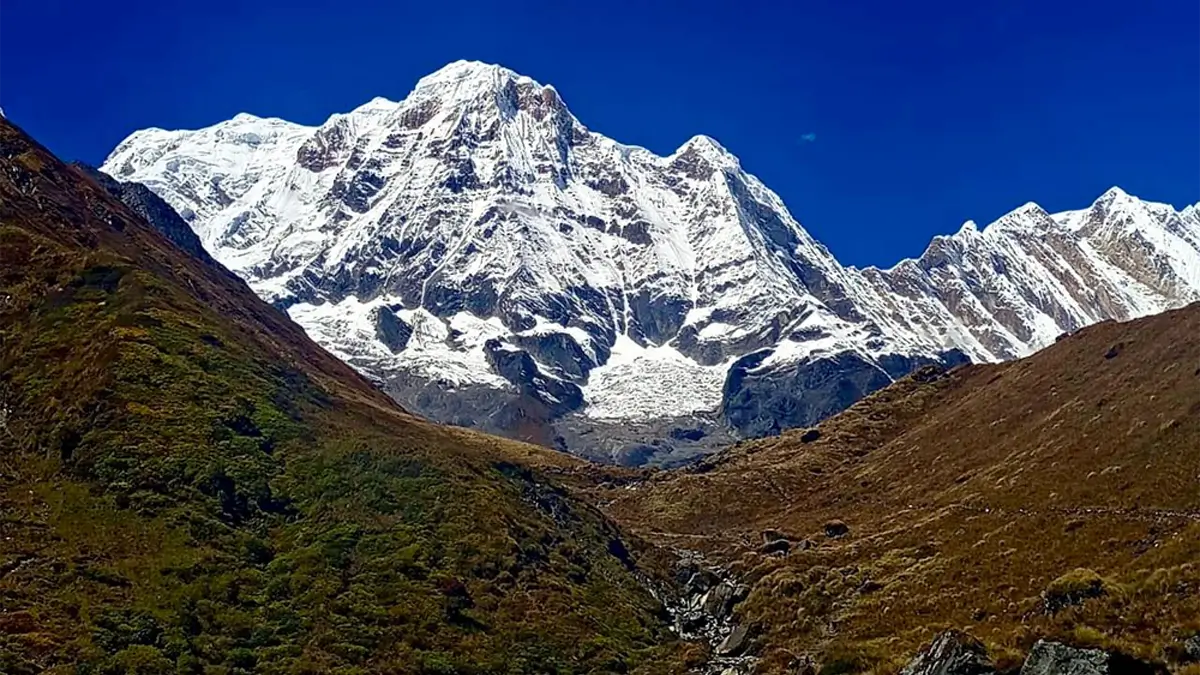
Footsteps fall easily here, signs guide every turn, and small lodges offering warm drinks appear around bends. Peaks rise like a crowd of elders, with Annapurna I standing among them and Fishtail watching close by.
Finding ABC means more than high peaks. People shape the journey too, as their stories simmer in every plate of hot dal bhat served after a long climb. Villages appear around bends, home toGurung and Magar families who greet travelers like old friends.
Festivals sometimes burst into view without warning, with bright flags fluttering above dancing figures. Culture here moves, speaks, cooks, and sings, showing up when least expected.
Hoping for some adventure that treats you right? The path offers cozy tea houses along the way, ready when you are.
Truth is, the ABC trek claims its spot on so many dream lists. It has huge views of peaks that take your breath, moments tangled up with how people live there, then that quiet pride humming inside when it's over.
Who is This ABC Trek Actually For?
If you have ever asked yourself “Can I do this without collapsing dramatically in a Nepali tea house?”, then the ABC trek might just be your answer.
A journey to Annapurna Base Camp stands out because it mixes altitude with reach: not too gentle, not extreme. You won’t need legendary strength or mythical endurance just to show up.
People step onto this path for the very first time, all the while: newlyweds who train hard or older travelers chasing views that stretch beyond routine. What matters most isn’t peak fitness but steady feet and willingness to move slowly.
A steady level of fitness helps. So does staying upbeat when facing staircases that seem to climb forever. Rising slowly to 4,130 meters feels easier compared to other Himalayan trails. Moving at a comfortable speed while drinking enough water makes the trek tough yet manageable for many who have never climbed before.
Sure, you might not be fresh off the couch, yet if walking for hours feels normal, climbing slopes doesn’t scare you, also every stunning vista makes the effort worth it, then this path fits who you are.
Annapurna Base Camp Trekking Routes & Itinerary via Poon Hill
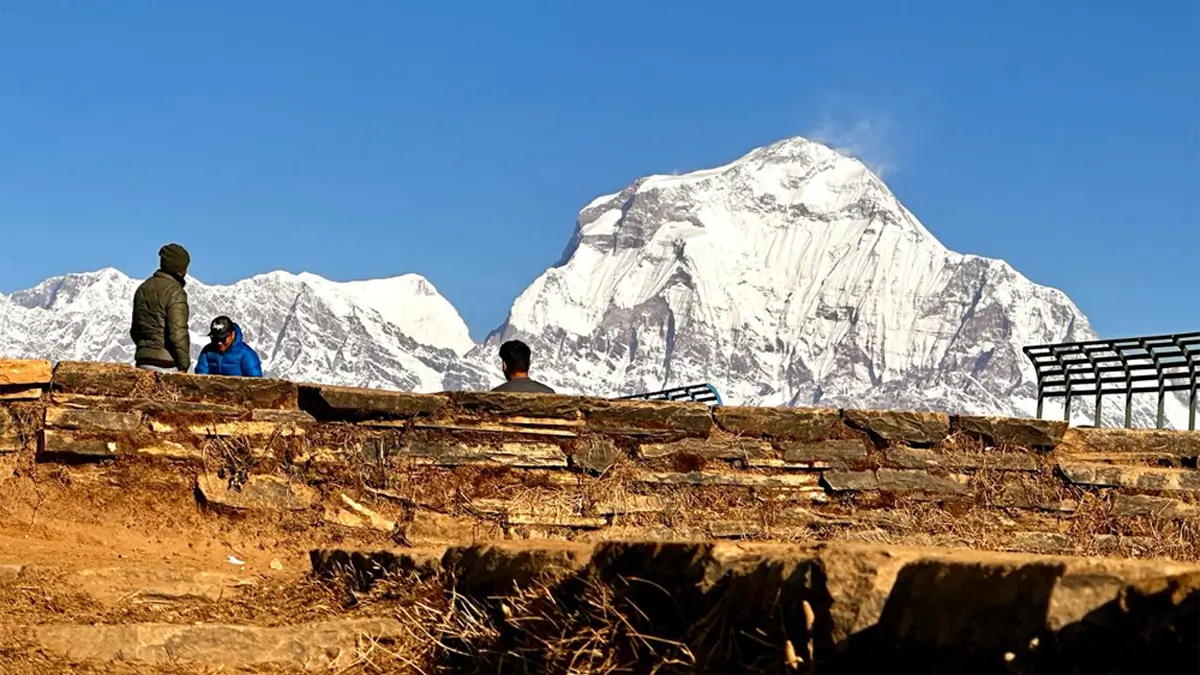
Footsteps into Nepal's Annapurna stretch along one familiar trail, heading for the holy ground below, yet slight detours show up depending on how many days you carry or if sunrise at Poon Hill tugs hard.
If you’re going to the ABC trekking Annapurna Base Camp via the Ghorepani Poon Hill route, it’s excellent acclimatization and more connected to nature, and our body has more flexibility to climb the ABC – Annapurna Base Camp.
High above, only silence sits between you and Annapurna Base Camp, perched at 4,130 meters. You will start your journey from Kathmandu toward Pokhara at the start.
Thapla Danda is the quiet overachiever. Tucked along the Ghorepani-Tadapani stretch, it serves wide Himalayan panoramas without the crowds. It’s the kind of place where you stop “just for a minute” and somehow lose half an hour.
Then comes Poon Hill, the superstar. Yes, it’s busy. Yes, the wake-up call is rude. But when dawn hits, and Annapurna South, Dhaulagiri, and Machhapuchhare light up like they are on stage, nobody’s complaining. It’s a short climb with a massive payoff.
Once there, the road gives way to walking trails deeper into Annapurna country. Villages made of stacked stone dot the route ahead. Then come forests heavy with rhododendrons crowding close on both sides. Later, after climbing once more, it spills out to home of the Annapurna Sanctuary.
Standard Annapurna Base Camp Trek Itinerary (12-13 Days include Nepal arrival and departure):
This is the classic and most popular route, offering the best balance of scenery, acclimatization, and cultural experience. It includes the famous Poon Hill viewpoint and allows your body time to adjust as the altitude increases.
Day 1: Arrival in Kathmandu (1,400 meters) and transfer to the hotel.
Day 2: Drive from Kathmandu to Pokhara (820 meters).
Day 3: Drive from Pokhara to Nayapul, trek to Ulleri (2,010 meters)
Day 4: Trek from Ulleri to Ghorepani (2,874 meters).
Day 5: Early hike to Poon Hill (3,210 meters) for sunrise, then trek to Tadapani (2,630 meters).
Day 6: Trek from Tadapani to Sinuwa (2,340 meters).
Day 7: Trek from Sinuwa to Deurali (3,200 meters).
Day 8: Trek from Deurali to Annapurna Base Camp (4,130 meters).
Day 9: Trek from Annapurna Base Camp to Bamboo (2,310 meters).
Day 10: Trek from Bamboo to Jhinu Danda (1,780 meters)
Day 11: Trek from Jhinu Danda to Nayapul, and drive to Pokhara.
Day 12: Drive back to Kathmandu.
Day 13: Departure or optional extra day.
This itinerary is ideal if you want the full Annapurna experience, with sweeping sunrise views from Poon Hill, warm encounters in traditional mountain villages, and a gradual, safer climb into high altitude.
One of the biggest wins of this route is that you actually get to enjoy Jhinu Danda properly. Yes, the natural hot springs where sore trekking legs go to heal and complain less.
The trail also takes you through Machhapuchhare Base Camp on the way to Annapurna Base Camp, giving you front-row views of the sacred Fishtail long before you reach the main destination.
And here’s the smart part: if the weather turns moody or altitude decides to test your patience, MBC is the perfect backup stop for an overnight stay. Flexible, scenic, and kinder to your lungs.
Short Route Annapurna Base Camp Trek Option (9 to 10 Days):
If you are short on time (or just not emotionally prepared for thousands of stone steps at the beginning), the Annapurna Base Camp trek can be shortened without skipping the main highlight.
Instead of starting from Nayapul and visiting Poon Hill, this version:
- Drives directly from Pokhara to Jhinu Danda.
- Joins the main ABC Annapurna Sanctuary trail at Sinuwa.
- Follows the same route to Deurali and Annapurna Base Camp.
- Returns via Bamboo and Jhinu Danda.
This cuts the trek down to 8 to 10 days while still delivering the full Annapurna Base Camp experience.
Annapurna Base Camp Short trek route
Day 1 Kathmandu arrival and overnight hotel in Kathmandu.
Day 2 Kathmandu to Pokhara by tourist bus 6-7 hrs or optional flight 20-30 minutes.
Day 3 Drive Pokhara to near Jhinu bridge and trek to Sinuwa.
Day 4 Trek to Himalaya 6-7 hrs (2900m)
Day 5 Trek to ABC - Annapurna Base Camp 5-6 hrs (4130m)
Day 6 Trek to Bamboo 7-8 hrs (2310m)
Day 7 Trek to Jhinu Danda - Hot Spring 5-6 hrs (1780m)
Day 8 Walking 15-20 minutes and take a transport to Pokhara (820m)
Day 9 Pokhara to Kathmandu by tourist bus 6-7 hrs or optional flight 20-30 minutes.
Day 10 Departure from Kathmandu.
Best Viewpoint During ABC Adventure
If you are chasing the best viewpoints in Annapurna, think of it as a three-act play where the views just keep getting better (and your jaw keeps dropping lower).
And finally, the grand finale: Annapurna Base Camp itself. It’s a full 360° mountain amphitheatre where you are surrounded by giants on all sides.
When is the Best Time for the ABC Trek in Nepal?
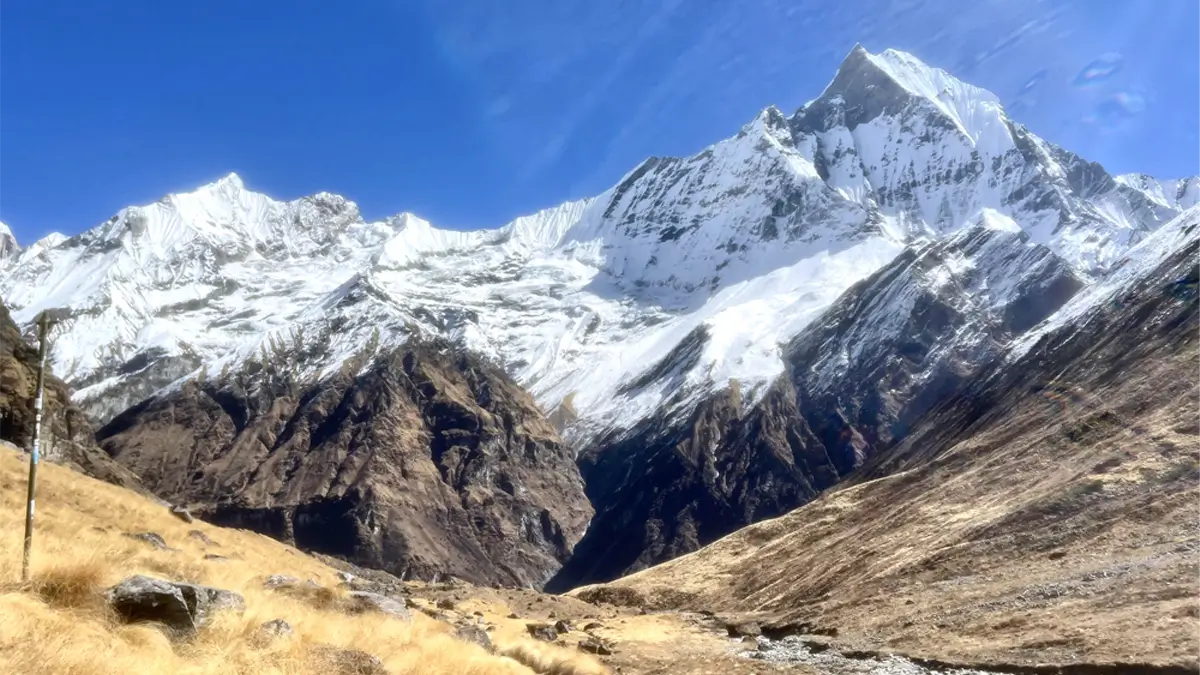
If you have ever wondered whether the Annapurna Base Camp trek has its own fashion season, you are not far off, this trek practically rolls out a red carpet for hikers twice a year!
Wandering through ABC feels just right in autumn, from late September onward into November. Springtime offers another sweet window, March easing into May. That is when trees and trails wear their sharpest colors. The air carries a clean chill, light slants golden, shadows stretch long.
When leaves turn gold or flowers start blooming, that is when ABC feels alive. Right when the rains let up, autumn slips in, making the mountain sky crisp and wide awake.
Peaks suddenly show themselves, almost unreal. Days glow under steady sunlight, yet nights fold slowly into silence, this is when stars begin their slow blink above.
Spring paints the rhododendron woods with bold reds, splashes of pink too. Pleasant days arrive then, just like in autumn, thanks to steady skies that leave paths firm underfoot.
Right now, just pause, before grabbing tickets and loading that trail mix on repeat, hear this out: hitting ABC beyond those busy times? Totally possible. Yet everything shifts. The rhythm changes. It feels unlike the usual rush.
Fog lifts slowly during summer, when rains paint everything green overnight. Waterfalls appear suddenly along hillsides, fed by days of steady downpour. Paths turn slick underfoot and mud grabs at shoes without warning.
Snow arrives later, starting in December, quieting the noise bit by bit. Some slopes wear thick white caps while others stay bare. Skies open wide and clean, yet cold sneaks through layers. Nights? They bite harder than anything you have felt indoors.
Picture those movie-like peaks without surprise storms? Try fall or early summer, this is when the high ranges settle into clear skies. The air stays calm then and light drapes just right.
Nepal ABC Trek Difficulty Explained Without Sugarcoating
Walking to Annapurna Base Camp feels like stepping into a quiet forest path. Moderately tough, it pushes your legs without breaking them, each climb reminds muscles they have work to do.
Hardly brutal, yet far from lazy, the trail asks effort but never demands mastery. You won’t need years of training just to show up.
Fewer steps might feel kind when legs burn halfway up, yet most longtime hikers still call ABC a manageable push. Fitness helps, sure, though stubbornness will matter more once boots hit those endless rock stairs climbing.
Most days mean 5 to 7 hours on your feet. Trails are clear, winding through woods with stretches of packed dirt underfoot. Stone steps uphill and downhill.
Up top, thin air catches plenty off guard, that’s just how it goes. Annapurna Base Camp rests at 4,130 meters, or 13,550 feet, a height where bodies often react, regardless of fitness.
If you climb past 3,000 meters without slowing, symptoms show up quietly, maybe with shortness of breath, slight headache, or tired muscles tagging along.
Here’s something positive: no technical climbing needed on this journey. So, if you are the sort of person who enjoys a bit of a workout, doesn’t mind steady walking day after day, and has enough grit to laugh at the absurd number of steps you will inevitably climb.
Is the ABC Trek Suitable for Beginners?
A solid starting point shows up in ABC, it draws newcomers who like a bit of challenge without overload. First time in these mountains? This route offers steady rhythm, fresh views, no extreme tests.
If you like a weekend walk with a pack on your back, maybe three hours long, followed by something cool to sip, you are nearly at the finish line without even knowing.
Of course, “suitable for beginners” doesn’t mean “zero challenge.” A bit of stamina helps, along with upbeat energy.
Starting slow helps. A steady rhythm matters just as much. Also, mindset shifts everything. Newcomers find their place here easily, drawn by wide skies and trails that unfold without hurry.
Altitude Sickness on the ABC Trek: Tips & What to Know Early
- Slow and steady listen to your body, don’t push to walk if you’re not feeling well.
- Drink 4-5 litters of water everyday with good food and energy bars.
- Step slow, breathe right. Charging up slopes only drains your steam; move at a speed where chatting stays easy.
- Drink 4-5 litters of water everyday with good food and energy bars.
- Fuel your body, especially when hunger doesn’t show up. When the air gets thin, carbohydrates become your go-to support.
- Climb high, sleep low, that’s the key. Go up during daylight hours if you can.
- Sipping drinks with alcohol? Better skip that on the trail. Lighting up a cigarette? Not ideal while moving through mountains.
- Starting with Diamox might ease altitude adjustment, yet it won’t work miracles, which is why a doctor’s advice should come first.
- Mild signs might be okay, yet sudden changes like this demand leaving right away. When things shift badly, going down saves lives.
- Start when you feel ready, because rest won’t steal the peak. Slow steps matter just as much.
- Up high, past 3,000 - 3,500 meters, altitude sickness begins to stir. On the Annapurna Base Camp route, Himalaya 2900m, marks where symptoms often creep in. Headaches might show up first. Nausea tags along, sometimes dizziness too.
- Frequent sips throughout the day help when breathing thinner air. Skipping fluids tends to amplify headaches, dizziness, or fatigue. Aim for three or four liters every single day.
Annapurna Trek Entry Permits You Need
Before you set foot on the Annapurna trail with dreams of dal bhat and sunrise views, there’s a little paperwork party you have got to show up for.
One key thing for the ABC Trekking Annapurna Base Camp Nepal? You must have the Annapurna Conservation Area Permit, known as ACAP.
Think of it as your pass to enter the protected zone. It funds care for nature paths. Money also goes toward upkeep of trails. Local villages benefit too. Protection work gets a boost because of this system.
Fees shift depending on who you are. Foreign visitors pay around NPR 3,000, which lands between USD 25 and 30. And entry permit fees increase 5-10 USD in a few years. As for those from SAARC countries, the cost drops to nearly NPR 1,500, close to USD 11- 14.
Then there’s the Trekkers’ Information Management System (TIMS) card. It is required by authorities to track trekkers for safety and emergency purposes.
Lately, enforcement of TIMS on Annapurna trails has shifted, sometimes it applies, sometimes not. If you do choose to get a TIMS card, the common charges are about NPR 2,000 (USD 15 to 20).
Starting in Kathmandu or Pokhara, permit access opens at Nepal Tourism Board locations, another route runs through licensed trekking companies managing documents on your behalf. You will need your passport, one small photograph matching passport format, and fees settled in local Nepali currency.
Every time you walk the path, have those real permit slips ready, as rangers might check near places like Birethanti, Ghorepani, or Chhomrong while heading into Annapurna Sanctuary.
Annapurna Tea House Trekking in Nepal: Beds, Blankets, & Dal Bhat
A cup of tea warms the hands at dawn in Annapurna's hills. Food is chosen from the menu they provide, and there is more option food on the menu. Available food Nepali, western, and European tastes are different. It is good to try more local Nepali food.
Sleep comes close under shared roofs. Laughter rises after dark, fed by steaming plates of lentils and rice. Nights may echo with snores bouncing off stone walls.
Mountain paths lead to small guest spots run by families. These trekking tea houses have charm, yet stay basic in every way.
Some Himalayan rest spots offer basic rooms, with twin beds, thin foam pads, a pillow, one blanket. Not every place has private bathrooms; those who do might charge extra just to shower. Power runs on sunlight sometimes, stored in small solar setups nearby.
But here’s the charm: you will be surrounded by trekkers from around the globe. And you will like these beautiful mountains.
At night, the blankets are basic, and the bedrooms are cold (so we recommend you bring the sleeping bag and the sleeping bag liner for the night. breathtaking mountain views through frost-kissed windows, and that first sip of hot tea after a long day make the tea house trekking in Nepal one of the most unforgettable parts of the ABC adventure.
Gurung Culture and Mountain Villages
Away from busy roads, stone paths link quiet settlements tucked into steep slopes. Homes here rise in clusters, built by hands that know cold winds and sudden storms. People move with purpose, their voices blending into daily rhythms.
The Gurung welcome without show, living close to traditions others have long forgotten. Each step along the route feels less like travel, more like stepping sideways in time.
A quiet hum runs through these villages, where life moves at its own pace. Stone homes cling to slopes, shaped by years of wind and rain. Children dart between pathways dressed in bright fabric, laughter trailing behind.
Gurung live at the crossroads of old beliefs, Buddhist chants mix with village gods under fluttering cloth prayers. Stone altars stand near homes where goatskin drums roll through feast days.
such as the lively Tamu Lhosar burst with song and dance. True enough, tales emerge around Gurung forebears alongside myths of warrior courage, some even fought among the renowned Gurkha units.
like these stick because someone smiled first. Conversations often start with broken words yet somehow end in laughter. These exchanges matter beyond gear or maps.
Food, Water, & Bathroom Truths
Trekking the Annapurna Base Camp isn’t exactly fine dining in the foothills. But the food, water, and bathroom experiences along the trail are a huge part of the adventure, and honestly, they make great stories later.
On the menu? Fuel for tired legs shows up as thick stews, warm breads, steaming bowls, meals built for miles. Laughter spills between bites, comfort wraps around each plate, while energy piles high on every forkful.
A steaming bowl of Dal Bhat rules here, with rice, lentils, veggies, and curry served with endless top-ups. As trails wind upward, momo show up too, along with noodle dishes, broths, and basic Western-style meals. Here, cost climbs slowly but steadily the more altitude you gain.
your boots finally hit ABC, what seems like an ordinary plate could set you back more than a midday eat in Kathmandu. Yet following endless climbs through thin air, even basic broth hits the spot like something crafted by chefs.
Start hydrating right. A refillable container works well, just fill it wherever you go. Purification drops or tools help when refilling on the trail. Staying safe matters most, so check sources before drinking.
Fresh boiled water often costs nothing. Buying loads of bottled stuff drains funds while leaving heaps of trash behind; think ahead, act light.
And then… bathrooms. At lower elevations, bathrooms are often squat toilets attached to tea houses: functional, simple, sometimes sharing space with the resident goat. Higher up, facilities can get rustic. You must pack your own toilet paper and hand sanitizer.
What to Pack (and What to Leave Behind) for the Annapurna Base Camp Trekking
While packing for the ABC trek, a few essentials can make you a hero, while extra “just-in-case” items can turn your backpack into a boulder on your back. The trick is to pack smart, stay warm, stay light, and bring a sense of humor.
Here’s the ultimate guide to what belongs in your bag, and what should stay on your shelf.
Clothing & Layering:
- Thermal base layers (top and bottom)
- Fleece jacket or pullover
- Down jacket
- Waterproof & windproof jacket and pants
- Wool or moisture-wicking hiking socks
- Broken-in hiking boots
- Hat, gloves, and buff/scarf
- Sunglasses & sun hat
Gear & Accessories:
- Backpack (40 to 50L) with rain cover
- Sleeping bag (rated to -10°C -20°C)
- Trekking poles
- Headlamp & extra batteries
- Water bottle and purification tablets/filter
- Snacks (energy bars, nuts, chocolates)
- Earplugs
- First aid kit
Documents & Miscellaneous:
- Passport, trekking permits, and a few cash notes.
- Phone, power bank, and maybe a camera
- Toiletries (toothpaste, toothbrush, quick-dry towel, wet wipes)
Stuff To Leave Behind:
- Bulky clothing or gear you “might need"
- Excess electronics & chargers
- Heavy books
- Anything fragile or sentimental you can’t risk losing on the trail.
Pro Tip: Always remember, lighter is better. Your backpack will thank you, your knees will thank you, and even the mountains might nod in approval.
Why The Annapurna Base Camp Trek is Worth Every Step?
If you have made it this far in the guide, you already know the ABC trek isn’t all sunshine and selfie angles; it’s sometimes cold and often uphill. But here’s the thing: every step, every labored breath, and every tea house Nepali typical food Dal Bhat plate builds up to a payoff.
High on the mountain, Annapurna Base Camp holds you still beneath walls of ice and rock. Peaks like Annapurna I, and Machhapuchhare rise so close they seem to whisper. Each drop of sweat along the trail settles into meaning as dawn lights up snowy crowns.
Yet what makes this journey matter goes beyond views. It lives in faces crossed paths with, moments brushing against ways of life, meals of steaming lentils eaten without counting bowls. Hills of Nepal pull grins from unfamiliar mouths.
FAQs: (Frequently Asked Questions)
Is the Annapurna Base Camp trek hard?
Hard? Not exactly. Challenging? Absolutely. If you can walk for hours, climb stairs without crying (much), and embrace sore legs with pride, you will survive just fine.
Do I need trekking experience?
Nope. Beginners do this trek every year. Just bring decent fitness, realistic expectations, and a healthy relationship with uphill walking.
How cold does it get at ABC?
Cold enough that you will hug your sleeping bag like it owes you money. Nights can drop below freezing, especially at base camp.
Is altitude sickness a big deal?
It can be if you rush. Go slow, hydrate like a champ, and listen to your body.
What’s the best time to do the trek?
People do all the months in a year, but Spring (March to May) and autumn (September to November) offer the best weather, views, and the least amount of regret.
Is it worth it to do the ABC trek?
100%. You will forget the sore legs, but you will never forget standing in the Annapurna Sanctuary feeling like an absolute legend.