What Makes Nepal the Ultimate Trekking Playground and Why Australians Love Trekking in Nepal?
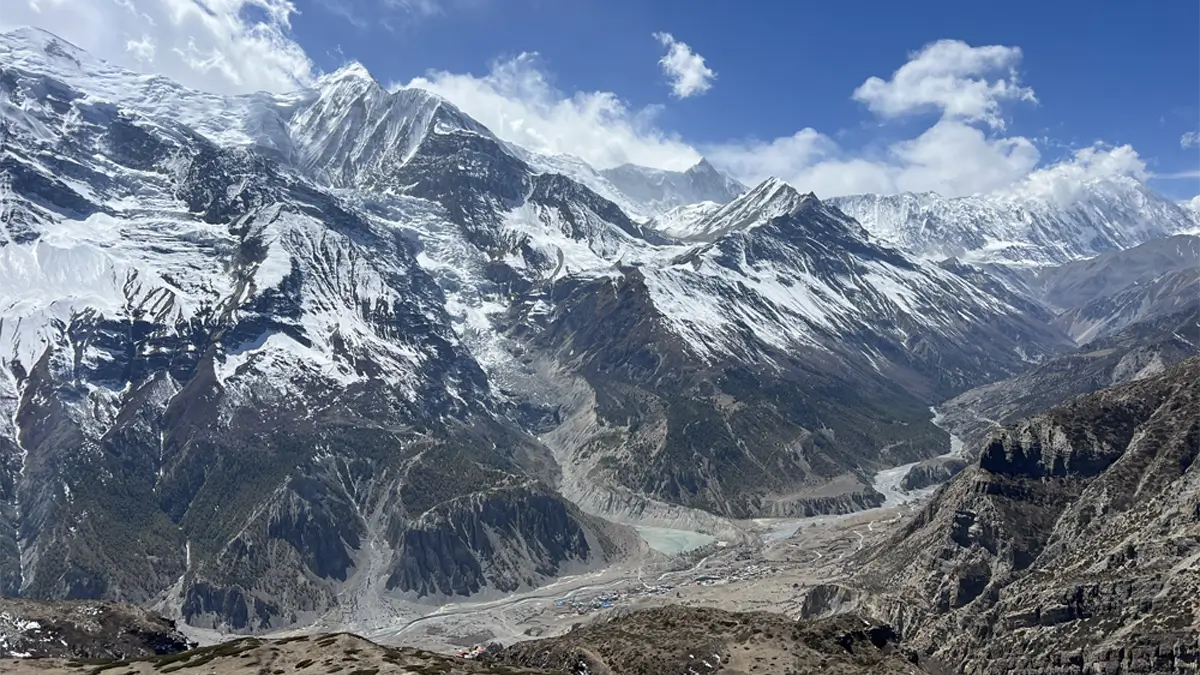
Alright, let’s cut to the chase, Nepal isn’t just a country, it’s basically a playground for anyone with hiking boots and a sense of adventure. You have mountains taller than anything you have seen back home, trails that take you through lush forests, rhododendron blooms, roaring rivers, and villages where life moves at the speed of… well, really chill.
Australians love trekking here because it’s the perfect mix of challenge, culture, and comfort. Most popular treks are doable even if you are not a gym rat, and unlike some “roughing it” adventures, Nepal has cosy tea houses waiting at the end of each day with hot meals and maybe even a yak-shaped postcard for your fridge.
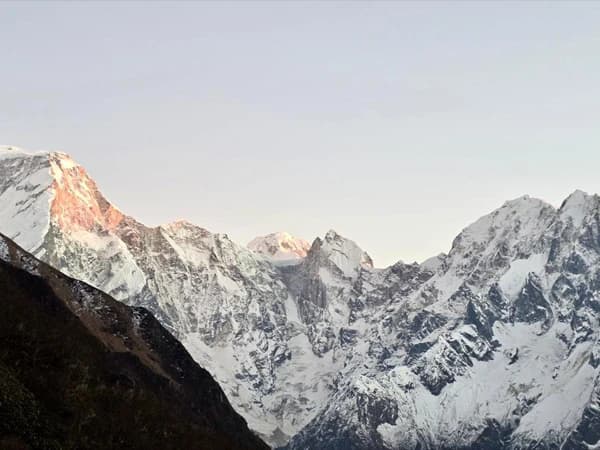
And let’s be real, there is nothing like walking up to Himalayan peaks hitting the sunrise. You get scenery that makes your Instagram feed jealous, plus a chance to soak in centuries-old culture, meet locals who somehow smile through altitude headaches, and discover a side of yourself that suddenly enjoys walking 5 to 7 hours a day (who knew?).
Nepal turns trekking from “exercise” into an unforgettable adventure, and for Aussies craving something more than beaches and barbies, it’s a no-brainer.
''Traveler's Choice — Save $ 52''
Price from
Is Nepal Trekking Worth Flying Across the World for?
True, flying out of Australia might seem more like a marathon than just a trip. Sitting still for hours, acting like those tiny meals are something special, yes, it happens. Yet beyond that? An experience most never reach.
Mountains rise high here, their tops lost in the clouds. Rivers rush below, spanned by swaying bridges that creak with every step. Small villages cling to slopes, quiet and still. When evening comes, colors tear across the sky.
Halfway around the planet feels shorter once you land in Nepal. Trails appear that until now lived only inside screens. Steam rises from a cup as shaggy yaks wander past without hurry.
Flying messes with your rhythm, yet moments stay put long after.
Planning Nepal Trekking from Australia, The Practical Stuff Nobody Talks About
Flights From Australia to Kathmandu
Truth is, reaching Nepal kicks off your whole journey. Most folks fly from Australia, which takes time, really. Yet that stretch in the air? It builds something real before you even land. The wait becomes part of why it matters.
Flying into Kathmandu from big Australian hubs such as Sydney, Melbourne, Brisbane, maybe even Perth, typically takes between 16 to 18 hours, give or take. Most routes touch down first in Singapore, sometimes Kuala Lumpur, New Delhi occasionally Bangkok, before pushing on. Tribhuvan International greets you at the far end of that stretch.
Early booking helps when chasing peak trekking months, think March through May or September to November. Flexibility with travel dates smooths out price spikes that leap without warning. Waiting too long? Prices climb faster than a startled goat on rocky slopes. Aim for a morning touchdown in Kathmandu if possible. First glimpses of the peaks hit harder when sunlight paints them upon arrival.
Nepal Visa For Australians
Good news, mates, getting a Nepal visa as an Australian is way easier than you would expect. Nepal keeps it simple for tourists, so you can focus on trekking instead of stressing at the airport.
Australians can get a tourist visa on arrival at Kathmandu’s Tribhuvan International Airport, or apply online for an e-visa before flying (which is honestly the smarter move if you want to skip lines). Tourist visas usually come in 15, 30, or 90-day options, with the 30-day visa being the most popular for trekking trips.
The cost? Roughly
- 15 days 30 USD
- 30 days 50 USD
- 90 days 125 USD
Visa fees can de payable in cash or card, which is pretty reasonable for walking in the shadow of Everest, right?
Pro tip: You might keep a few hundred cash with you such as USD, AUD, EURO, GBP, in case emergency sometimes CARD or ATM Machine not working.
Trekking Permits Explained Without Headaches
Trekking permits are the one thing that can make first-time trekkers break into a cold sweat before even leaving Australia. But again, it’s way simpler than it sounds. Think of permits as your official badge, kind of like a VIP pass to the Himalayas trek.
Here’s the lowdown for Australians: depending on where you are trekking, you will need a few key permits. The most common ones are:
Everest Base Camp Trekking Permit
- Khumbu Pasang Lhamu Municipality Rural Fees.
- Sagarmatha National Park Entry Permit.
- Sometimes required and sometime s not required (TIMS CARD)
Annapurna Base Camp Trekking Permit
- Annapurna Conservation Area Permit (ACAP Permit)
- Sometimes required and sometime s not required for the trip (TIMS CARD)
Langtang Trekking Permit
- Langtang National Park Entry Permit.
- Tims Card sometimes required and sometimes not required (TIMS CARD)
Manaslu Trekking Permit
- Manaslu Restricted Area Permit (MRAP)
- Manaslu Conservation Area Permit (MCAP)
- Annapurna Conservation Area Permit (ACAP)
- Tims Card sometimes required and sometimes not (TIMS CARD)
Upper Mustang Trekking Permit
- Restricted Area Permit - (RAP)
- Annapurna Conservation Area Permit - (ACAP)
- Tims Card sometimes required and sometime not required) (TIMS CARD)
The cost various of trekking permits fees not staying same price for the long time so changing usual.
Travel Insurance, yes, You Actually Need It
Travel insurance is not optional it is a rule that you have to make it for your safety. it is mandatory trekking in Nepal is amazing, but it comes with a few “adventure perks” that are better handled with a safety net. Think altitude sickness, sudden weather changes, minor injuries, or the occasional injury moment.
Why you especially need it: if something goes wrong at 4,000 meters, helicopter rescues and hospital visits can cost more than a few thousands of Aussie dollars.
Also, coverage matters more than price. Make sure what’s the highest altitude you’re going for the trekking in Nepal and add above extra 50-100 meters medical evacuation cost and Heli rescue in case of an emergency.
Think of travel insurance as your invisible Sherpa, carrying the heavy stuff behind the scenes while you enjoy the trail.
How Far in Advance Should Australians Book for Nepal Trek?
Here’s the thing: timing your Nepal trek just right matters more than most think. Picture this: others are relaxing near Everest Base Camp with warm drinks, while you are stuck scrambling for last-minute tickets and rooms. Booking early skips that mess completely. Waiting around means stress instead of scenery. Better move before the good spots vanish into thin mountain air.
Spring brings clear skies, think March through May. Autumn trails shine too, especially from September to November. Book flights well ahead; timing matters most. Reserve places to stay several months prior.
That’s why. These months draw crowds, travelers from Europe, the US, and Australia all arrive at once, chasing similar plans. Sometimes internal flight delay, lodging tight in mountain huts, while guide availability drops fast.
Starting your prep early helps when eyeing something huge, think Everest Base Camp or the full Annapurna loop. Half a year ahead gives enough room to build strength, sort gear, and adjust routines.
If you’re tight on time and not sure where to travel and how long in that case you can book on the last minute as well, but sometimes doing everything on last minutes makes us stressed and tired.
Truth is, walking through Nepal feels like another world. Yet waiting too long to book might cost you the trip entirely. Getting things sorted ahead of time means less worry later on.
Best Treks in Nepal for Australians (Pick Your Adventure Level)
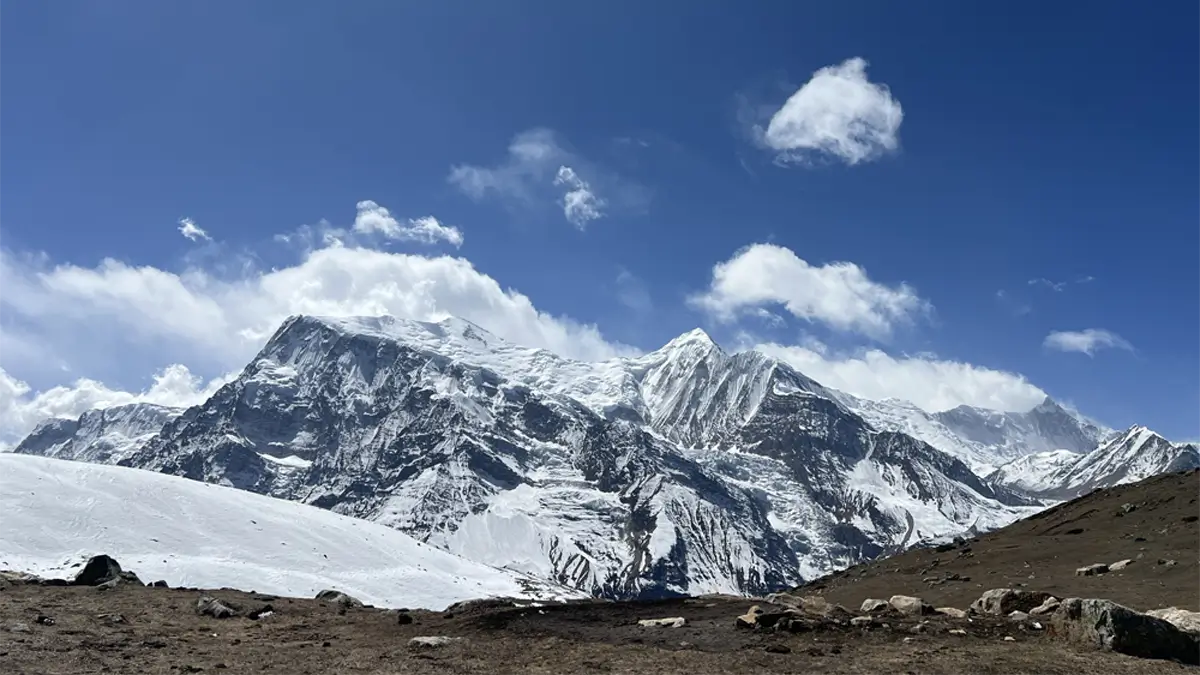
One of the best parts about trekking in Nepal is that there’s no single “best trek," only the one that fits your adventure style, fitness level, and how much annual leave you managed to convince your boss to approve. Australians visiting Nepal are spoiled for choice, with trails ranging from legendary bucket-list expeditions to short Himalayan escapes that still deliver massive views without weeks away from home.
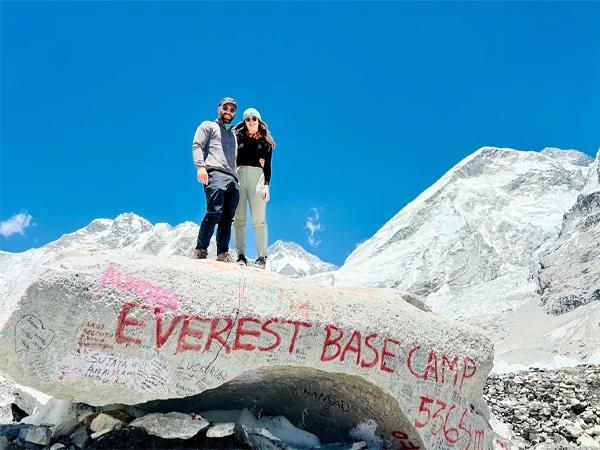
If you are chasing the classic dream, the Everest Base Camp Trek remains the ultimate brag-worthy journey, taking you through iconic Sherpa villages and straight into the heart of the Everest region. If you want equally stunning scenery in slightly less time, the Annapurna Base Camp Trek offers glaciers, mountain amphitheatres, and diverse landscapes.
Meanwhile, if you are looking for variety, you will fall in love with the Annapurna Circuit Trek, especially the thrilling crossing of Thorong La Pas 5,416m.
Closer from Kathmandu and more engage about Buddhism and Himalayas peak with culture of Tamang and Magar, the Langtang Valley Trek provides a peaceful Himalayan experience and Langtang was destroyed from earthquake in 2015, while the Gokyo Lake Trek delivers surreal turquoise lakes and panoramic Everest views without the heavy traffic. If you are seeking something more remote and raw, often choose the Manaslu Circuit Trek Larke Pass.
Not everyone wants a multi-week expedition though, and that’s perfectly fine. ThePoon Hill Trek proves that short treks can still offer world-class Himalayan sunrises, while the Everest View Trek or required as your luxury accommodation combines breathtaking scenery with comfortable lodges. The increasingly popular Mardi Himal Trek sits somewhere in between and very close to the mount Fishtail, and Annapurna South.
On your shortest time you can do Ama Yangri Trek close to the Kathmandu and 2-3 days trip reaching 3,771m. the Ama Yangri Peak.
And if time is tight, the Chisapani to Nagarkot trek near Kathmandu 3 days provides a quick yet rewarding escape with just a short distance from the capital.
Nepal Trekking Cost from Australia
So, let’s talk money, the one thing that can turn even the most hardcore adventurer into a spreadsheet-obsessed nerd. Nepal trekking from Australia is surprisingly kind to your wallet compared to other international adventure destinations, but it’s still smart to know what you are signing up for before you land in Kathmandu.
First off, you have gotta get there. Flights usually run AUD 1600 to 2,800 round-trip, depending on season, airline, and how early you book. Spring and autumn are more expensive, so early bookings pay off big time.
Accommodation in Kathmandu and Pokhara depends on you like which area and what budget you are comfortable to stay for the night. Ranging from 10 AUD to 300 AUD per night, it all depends on you how much you want to spend for this Nepal trip.
Trekking costs slightly different with different companies with them according to the service quality. And the destination and duration you choose:
Roughly Cost for the Nepal trekking for Australian trekkers
Everest Base Camp Trek Cost AUD 2,100 - 3,400 AUD.
Annapurna Base Camp Trek Cost AUD 1,420 - 1,800 AUD.
Annapurna Circuit Trek 1,500 AUD – 2,000 AUD.
Mardi Himal Trek AUD 9,98 – 1,300 AUD.
Langtang Trek AUD 1,100 – 1,500 AUD.
Manaslu Trekking Larke Pass AUD 1,650 – 2,300 AUD.
Ghorepani Poon Hill Trek AUD 9,98 - 1,300 AUD.
How Difficult is Nepal Trekking?
So, you are thinking about trekking in Nepal and wondering if your legs, lungs, and general life stamina can handle it. Let me break it down: it’s challenging, but not “climbing Everest in flip-flops” kind of hard. Most popular treks are designed for regular humans.
Here in Nepal there are plenty of different trekking and hiking routes such as shorter easier, moderate, challenging, difficulty level etc. So, you don’t have to panic, just make queries to choose the trip that matches on your fitness level and the holiday durations.
trick is that Nepal trekking is more about stamina than skill. You don’t need climbing ropes or sherpa-level mountaineering experience, but you will be walking 5 to 7 hours a day on trails that go up, down, and sometimes sideways.
Now, the real game-changer? Altitude. Some of these trails take you above 3,000 to 5,600 meters, where oxygen is thinner. Headaches, nausea, and general fatigue can creep in if you ascend too fast. The solution? Take it slow, enough rest, drink lots of water, good food, and embrace acclimatization days.
When it comes to difficulty, Nepal trekking has something for everyone. Beginner-friendly treks likeAnnapurna Base Camp, Langtang Valley, or Poon Hill are moderate, with plenty of tea houses along the way.
Intermediate options like Everest Base Camp or the Annapurna Circuit push your endurance a bit more with longer days, higher altitudes, and some steeper sections.
And if you are feeling really hardcore, treks in Everest Three High Pass, Manaslu Larke Pass or Kanchenjunga Circuit will test your limits and reward you with jaw-dropping solitude.
A few tips to make it smoother: train your legs before you go, pack light, choose your shoes wisely, and listen to your body. Don’t try to be a hero, altitude sickness is real, and no one wants to spend a night in a tea house regretting poor decisions. Hiring a guide also takes a ton of pressure off, from navigation to handling those unexpected yak traffic jams.
At the end of the day, trekking in Nepal is challenging enough to feel like a true adventure, but manageable enough that first-timers can actually enjoy it.
Best Time for Nepal Trekking from Australia
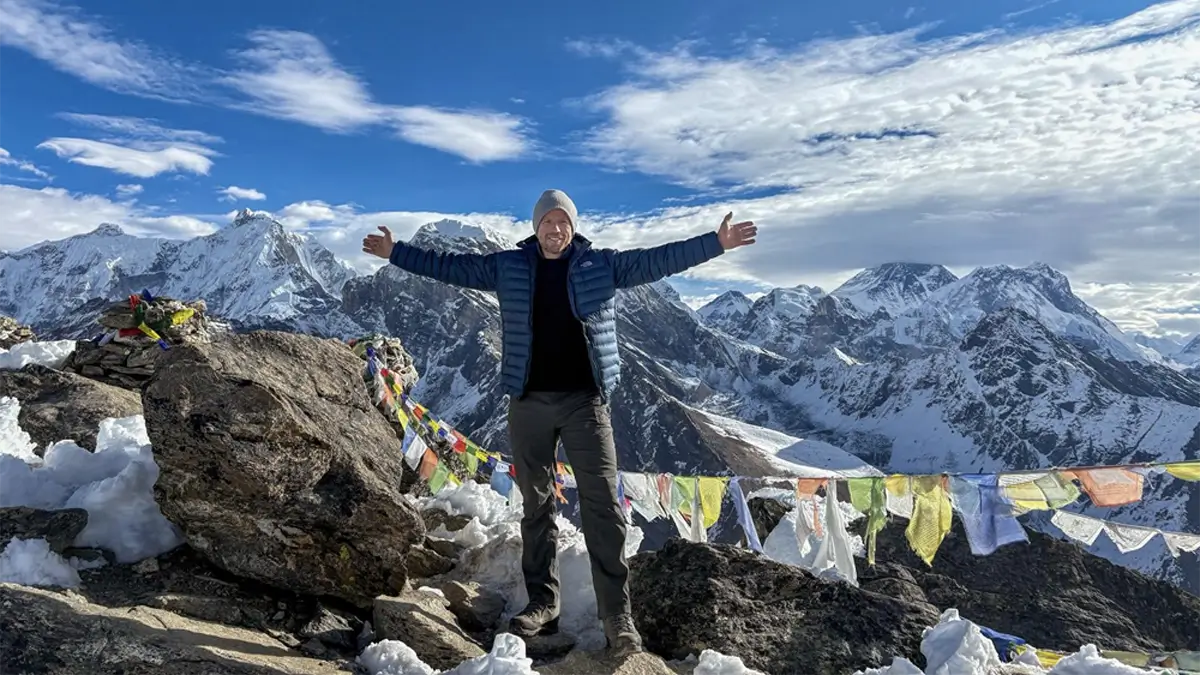
Avoid slogging along wet paths when skies pour down hard. Cold bites deep if you are out there during winter's worst stretch. Spring light brings clear views, fewer storms mess up plans then. Autumn offers much the same dry air, steady ground underfoot. Those months? They are what most who walk these hills choose.
Early warmth arrives as March slips into April and May stretches ahead. Imagine trails waking up under bright flowers while icy caps linger above. Skies stay clean and open during these months, offering sharp sightlines across valleys. Temperatures sit comfortably between cold snaps and summer heat. This time suits anyone wanting steady weather plus scenery that surprises the eye.
Next up, fall takes center stage, September through November. Once the monsoon clears away the grime, mountain paths gleam as if freshly printed on glossy photos. Crisp air fills your lungs, horizons stretch without a cloud, while peaks such as Everest and Annapurna stand tall, fully visible. Crowds pour in during these months, making it the most popular window for treks.
Slipping through slush, swatting leeches, monsoon time, June to August, rarely ends well if you are after comfort. Lower trails might still welcome winter hikers between December and February. Up high, though, ice grips everything, paths shut down without warning, and tea house nights turn into frozen shivers that nobody enjoys by morning.
Here’s something useful. Choose spring or fall, clear skies show the land well, and local life feels lively then.
What Australians Should Expect While Trekking in Nepal?
Tea Houses, Dal Bhat - Nepali Meals & Mountain Hospitality
Finding warmth in a mountain hut after long hours on the trail, tea houses make it real. A plate of steaming lentils and rice with veg curry shows up when you need it most; dal bhat keeps bodies fueled.
A tea house might feel like that one cousin’s cabin, small, warm, somewhere up high. Dotting paths through rugged peaks, these little shelters give tired walkers a place to pause. A hot drink appears, often sweet, steam curling into cool air. People swap tales there.
Some beds feel warm, maybe a little noisy too. Showers work just fine, although they aren’t fancy at all. The scenery, though, now that surprises you each morning. Snowy mountain tops wait beyond the glass when daylight comes.
Dal bhat? That’s what keeps hikers going across Nepal. A bowl shows up with steamed rice, thick lentils, a pile of vegetables, and meat might tag along too. Try it one time, then you will get why so many on trails treat it like gold. Have another round, and suddenly walking steep paths feels oddly easier.
Here’s what stands out: Nepali welcome in the hills feels different. Smiles come easily from those who live there, a cup of tea appears without asking.
Internet, Charging & Staying Connected (Sometimes…)
Wi-Fi exists in some tea houses, but it’s often slower than a snail on a hill climb and sometimes vanishes entirely, because, you know, mountains.
Most tea houses have Wi-Fi for a small fee, usually just enough to post that one epic selfie of Annapurna, Langtang, or Everest.
Charging is another adventure. Most lodges have limited plug points, so it’s a game of who’s got the charger first. A power bank is your new best mate. Seriously, pack a good one; it will save your phone, your camera, and your sanity. Some higher-altitude lodges even charge extra for electricity, so prepare to pay a few hundred rupees to power up your devices.
Pro tip: treat staying offline as part of the experience. You will actually notice the mountains, the culture, and yes, your own thoughts, crazy, right?
Nepal trekking is a chance to disconnect, sometimes literally.
Why Nepal Trekking Might Be Your Best Trip Yet as an Australian?
Truth hits hard when mountains do the talking. Trails twist through silence broken only by prayer flags whispering overhead. Tea houses wait around bends, smoke curling from chimneys like old stories rising. Nepali food Dal Bhat fills bowls again and again, warmth spreading slowly through tired bones. Faces smile without reason, yet feel like coming home. Peaks stand beyond belief.
Each turn offers something unforgettable, moments tucked deep into memory. Flights land without fuss, beds wait in cozy shelters, and costs stay kind to wallets. Adventure here breathes differently than crowded streets or polished tourist stops.
Far off mountains wait, so grab your boots just in case laughter finds its way along. A camera might come in handy when colors shift at dawn without warning.
FAQ (Frequently Asked Questions)
How to get a Nepal visa for Australian people?
Very easy to get Nepal visa for Australian people there is two options for you either on arrival visa in Kathmandu airport or online visa application form.
How do I book Nepal trekking from Australia?
There are plenty of trekking and tour operators you can find on google, So, Google it and find a good trustworthy trekking operator for your Nepal adventure trek, and you can book it online.
How do I find a local trekking company in Nepal?
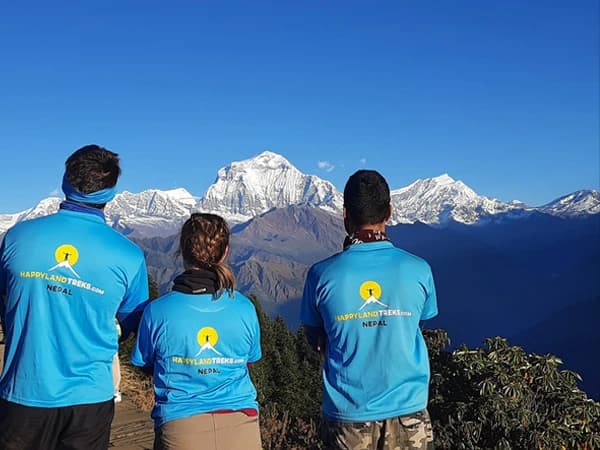
You can easily find a local trekking operator company in Nepal by google search. There are many national and international travel and trekking operators all around the world. But if you’re looking for a locally owned company you go more further about the contact section. We’re Happyland Treks also one of the local agency operators based from Kathmandu Nepal.
Can I buy Nepal trekking gear in Kathmandu?
Yes, youcan buy all the trekking and hiking gear in Kathmandu, and we also recommend, if possible, you can also bring from the home country because some of the gear is really good quality while you’re buying in Europe, America, Australia etc.
Which airport shall I land in Kathmandu for Everest base camp trek?
You will land in Tribhuvan international airport in Kathmandu for a trek to Everest Base Camp in Nepal.
Do I need travel insurance for Nepal trekking from Australia?
Yes absolutely, you need a proper trekking insurance for Nepal trekking from Australia.
When is the best time to go Nepal trekking for Australian?
The best time to go Nepal trekking during the Spring March – May, and Autumn September – November.
Is trekking in Nepal safe for Australian people?
Yes, totally safe for all the trekkers but you have to follow the few rules like acclimatization properly, use a trekking guide, don’t rush while you hike up to the mountain, slow and steady, eat well and listen to your body.
Is there luxury trekking in Nepal for Australian people?
Yes, in Nepal there is luxury trekking such as Everest base camp, Everest view trek, Annapurna Poon Hill, Australian camp, etc.
Are there university trekking programs in Nepal from Australia?
Yes, here in Nepal university students group trips, cultural, academic tours and treks.