So… Why is October Called the Peak Trekking Season in Nepal? What It’s Really Like?
It’s called peak season, not just because a lot of people show up, but because this is when trekking in Nepal feels the most effortless.
Everything that could go wrong in other months… just doesn’t, at least not as much. Most mornings, the paths stay firm underfoot, no slick mud slowing steps. Haze doesn’t hang in the air. Also, no need to scan clouds for breaks or gaps. Movement begins early, boots hitting dirt without delay. More often than not, peaks stand visible right away, already waiting.
Warm days and clear skies make October stand out for walking in Nepal Himalayas. Trails stay dry just when mountain views sharpen. This time of year lines up nicely with fewer surprises from the weather. You get a steady footing underfoot while light stretches far into the valleys. Rarely does such a balance show itself so clearly.
Yet it’s the pace of walking that catches attention most. That early air grabs you with sharp, cool, waking something slow inside. Sunlight climbs higher, softening the edges of the cold until it sits right on your skin. Midday rolls through without drama: steady footing, even breath, no struggle.
And the views? They don’t play hide and seek as much. You will often get long, uninterrupted stretches where the mountains stay visible instead of disappearing behind clouds by noon like they tend to in other seasons.
Another thing people don’t talk about enough, the overall flow feels smoother. Flights are less likely to get delayed, tea houses are fully open and stocked, and the trails feel “ready” for trekkers. It’s like the whole system is in sync.
Of course, yeah, it’s popular. You will see more trekkers, especially on the big-name routes. But instead of feeling crowded in a stressful way, it usually feels more like shared momentum; you are part of this moving line of people all chasing the same views.
So, when people call October the peak trekking season, they are not just hyping it up. It’s because this is when Nepal trekking hits that sweet middle ground; predictable without being boring, lively without being overwhelming, and just smooth enough to let you enjoy the whole experience without overthinking every step.
Weather in Nepal in October (What It’s Really like Day to Day)
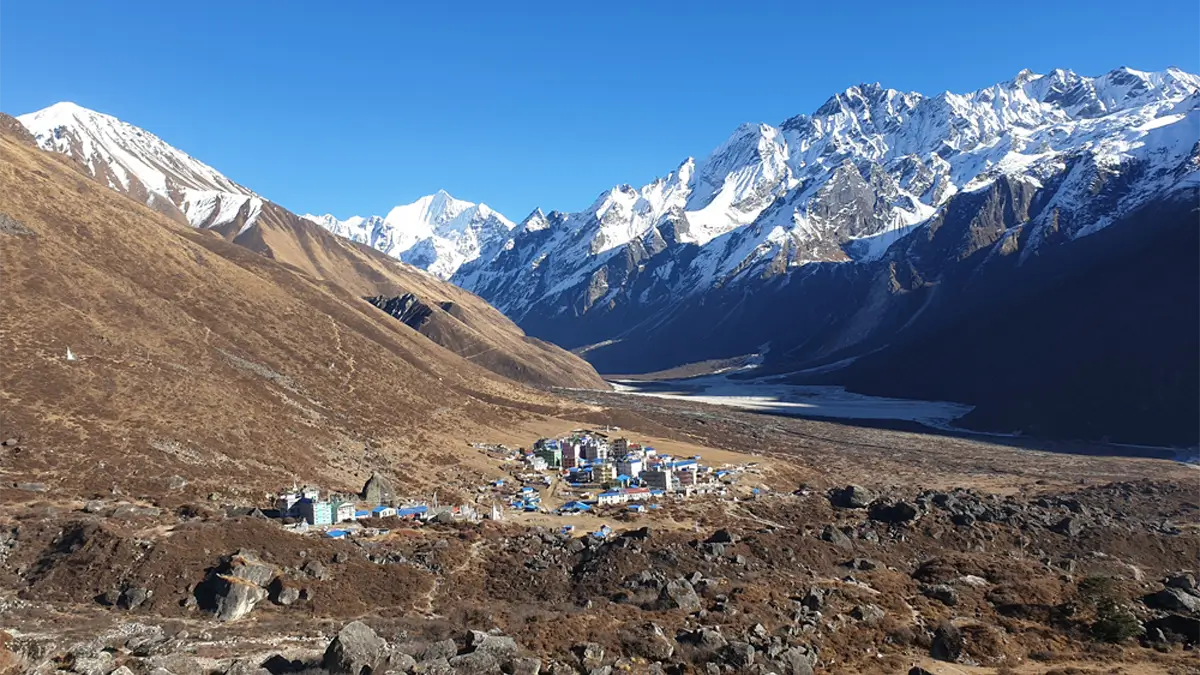
Picture October in Nepal. Rain stops knocking at your door daily. Skies often stay clear without much fuss. This stretch hands you calm mornings, fewer clouds. Some days feel crisp, others just quiet. The weather here does not demand attention. You might notice how light falls differently. Even the air changes its rhythm slightly.
Most days bring steady skies, little rain, and a mix of sun and mild air during daylight. Mornings stay sharp with crisp breezes that bite bare skin. By afternoon, sunlight presses down without mercy. Even shadows feel thin on long uphill stretches. Nights drop cold quickly once clouds vanish beyond the peaks.
Early hours often bring a sharp coolness, more so when perched above the tree line. Out the door you go, met by air so fresh it stings your cheeks. Sunlight climbs over ridges, heat building fast as shadows shrink. Soon enough, layers come off, maybe even down to a single shirt, as trails unfold under warming skies.
Morning warmth gives way to gentle afternoons by noon. Temperatures settle, just right for steady movement without tiring fast. Balance returns in October, turning hours on trail less like work, more like rhythm.
Evenings bring a sharp coolness once more. When sunlight vanishes behind mountain peaks, the air loses warmth quickly. Warm clothing becomes necessary again, particularly at elevated spots.
No surprise downpours, no fog swallowing the skyline without warning, no vanishing views by midday. Mornings stay sharp, afternoons hold steady, nights turn crisp. Same flow, day after day.
True, it's the mountains, no promises here. Clouds sometimes gather out of nowhere, even when skies seem clear. The weather can flip without warning, particularly up high. Yet when stacked against most months, October feels steady, almost predictable.
Day vs Night Temperatures (What Might Surprise You)
Surprisingly wide, the difference in daily highs and lows across Nepal in October trips up many travellers. Nighttime cools fast after daytime warmth, creating shifts some aren’t ready for.
Mornings might need a jacket, yet by late morning the warmth arrives. Between 1,000 and 3,000 meters, temperatures sit between 15 and 25 degrees. That range makes hiking feel smooth, almost effortless. The comfort builds slowly, then sticks around through most daylight hours.
But once the sun goes down? A whole different story.
Even at moderate altitudes, nighttime temperatures can drop to around 5°C to 10°C, and as you go higher (above 3,500 meters), they can easily fall to 0°C or below. And it doesn’t ease into it slowly either; the cold hits pretty fast as soon as the sun disappears behind the mountains.
What surprises most trekkers isn’t just the numbers, it’s how it feels. Because the air is dry and clear, there’s not much to trap heat. So even if the temperature doesn’t sound extreme, it can feel colder, especially when you are just sitting around in the evening at a tea house.
The good news? It’s very manageable if you layer correctly. Light and breathable during the day, warm and cozy at night, that’s the game in October.
Is October Really the Best Time for Trekking in Nepal? (Honest Take)
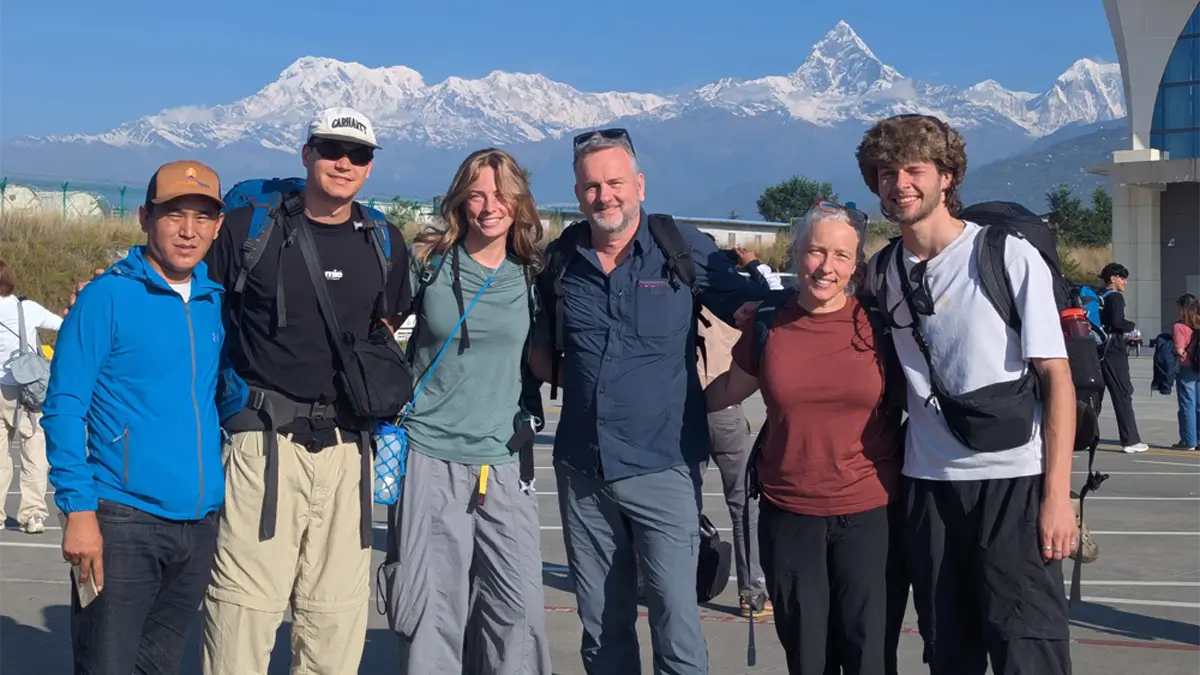
Short answer? For most people, yeah, it probably is. But let’s not just blindly hype it.
From a straight-up factual point of view, October is considered the best time for trekking in Nepal because of its stable weather, clear mountain views, and ideal trail conditions after the monsoon season. It ticks almost every box: visibility, comfort, accessibility, and overall experience.
But here’s the honest take: it’s “the best” for a reason, and that comes with a few trade-offs.
On the good side, things just feel easier. You are not constantly adjusting plans because of rain; flights are more reliable, and you are actually getting the views you came for.
It’s also one of the most forgiving times to trek. The weather is more predictable, the trails are in good condition, and everything, from tea houses to logistics, is fully up and running.
But here’s where we keep it real.
When something tops the list, crowds follow. Midmonth means packed paths more often than not. Rooms at tea houses vanish quickly, costs tend to inch higher, and stillness slips away in most spots.
For those drawn to quiet moments rather than crowds, October could bring more motion than welcome. A slower rhythm might suit you better when days grow loud.
Well, now, could October be ideal for hiking in Nepal?
True, when balance matters, when reliability counts, and what you see feels worth it. Yet maybe not, should solitude call or quiet paths pull harder than crowds ever could.
What matters most is the sort of journey you have in mind.
Who is October Perfect For? Can Beginners Trek in Nepal in October?
If you are wondering whether October is the right time for you, especially as a beginner, this is where it gets pretty simple.
October is perfect if you want a smooth, predictable, and visually rewarding experience in Nepal. It’s ideal if you don’t want to deal with extreme weather, complicated conditions, or too many unknowns along the way.
beginners? Honestly, it’s one of the best times you could choose.
weather is stable, trails are in good condition, and you are far less likely to run into issues. That alone makes a huge difference when you are new to trekking. Plus, you won’t feel completely alone out there, and there’s always a bit of shared energy on the trail.
Now, let’s not sugarcoat it, October doesn’t magically make trekking “easy.”
Altitude is still altitude. Long walking days are still long. If you pick a challenging route like Everest Base Camp, Manaslu Larke Pass,or Annapurna Circuit, it’s still going to push you, no matter the month.
But what October does is remove a lot of the extra difficulty. You are not fighting the weather, you are not dealing with muddy trails, and you are not constantly adjusting plans.
So yeah, if you are new to trekking and thinking about Nepal, October is pretty much one of the safest bets.
Beginner-friendly? Yes. Effort-free? Definitely not. But way more manageable than most other times of the year.
Cost of Trekking in Nepal in October (Realistic Breakdown)
Trekking in Nepal in October usually costs depending on the service quality. since its peak time, and you are paying for better weather, smoother logistics, and a more reliable overall experience.
Permits And Entry Fees
When it comes to permits, there is no way around it. You will need a few official documents to trek in Nepal in October, depending on which routes you are going.
For the most popular regions like Everest, Annapurna, and Langtang, you are usually looking at national park or conservation area trekking entry permits, and in some cases a TIMS (Trekkers’ Information Management System) card. But generally, TIMS CARD is not required all the time. Trekking permits cost not exactly the same amount for all the trekking routes so different routes have different amounts of cost.
Now, if you are heading into more restricted or remote areas (like Manaslu or Upper Mustang), you need the special restricted area permits, the permit cost jumps quite a bit, and you will also need to go through a registered agency with a guide.
Accommodation And Food Prices
When it comes to accommodation and food, October is the peak season, and trekking tea house accommodation can be full as usual.
In most trekking regions, you will be staying in normal tea houses, where a basic room can cost anywhere from USD 5 to 38 per night. Sometimes it’s even cheaper like too basic. but yeah, don’t expect luxury; it’s simple, cozy, and does the job.
Food is where most of your daily budget goes. Meals usually range between USD 4 and 8 in lower regions, and can go up to USD 8 to 13+ at higher altitudes since everything has to be carried up. Dal Bhat is the go-to (and honestly the best value), but you will also find fry noodles, noodle soups, pancakes, fry rice, potatoes, rice- curry, pasta, pizza, spaghetti, sandwich, burger, potato rosti, you can choose all these meals from the menu in the tea house.
One thing to keep in mind, prices increase as you go higher. Not because they are trying to rip you off, but because transporting everything up there takes effort.
Do You Need a Guide & Porter for Trekking in October? What Are the Costs?
Hiring a trekking guide or a trekking porter is completely on customers choice however you feel easy for your comfort.
If you don’t want anything panic and stress free during the trekking like to find permit, food, accommodation, trail, transport etc please you better to take a trekking guide which is really helps a lots for your journey and safe travel with you will learn more about Himalaya, nature, culture, people etc, and if you have more than 12 kilo backpack, you feel tired while walking in the high Himalaya especially walking on the concrete, bricks, rugged trail, ascent, descent etc so it is good to have a trekking porter also.
Hiring the local guide or a porter you’re completely helping local people to give them jobs as well.
25 to 65 dollars each day pays a guide, whereas porters cost 23 to 30 USD. Hiring both means less weight on your back, smoother travel, that kind of ease. Logistics fade into the background when two roles carry the load.
October brings busy trails, and guides fill up quickly because everyone wants in when the weather behaves. Costs tend to climb a bit compared to quieter months. Showing up without plans? That rarely works out well.
Solo Vs Guided Trekking in October (What Makes More Sense)
October treats lone hikers one way, group travellers another. How you move shapes what you feel.
Walking alone works when you know what you are doing, trust yourself to find the way, and yet enjoy moving on your own rhythm. Freedom grows, expenses dip a little, while the old-school "learn by stepping" mood settles in.
Here’s the thing: October draws big crowds, which means trails stay busy despite smoother conditions, especially if you have never seen the Himalayas up close before.
With a guide leading the way, stress tends to fade into the background. You have got someone handling routes, accommodation, permits, and even helping you read the weather and pace yourself properly with comfortable journey.
So, what makes more sense in October? If you are experienced and independent, solo trekking works fine, but if you are a beginner or want a smoother experience, go with a guide.
Best Treks in Nepal in October (Where You Should Actually Go)
Everest Region (EBC And Beyond)
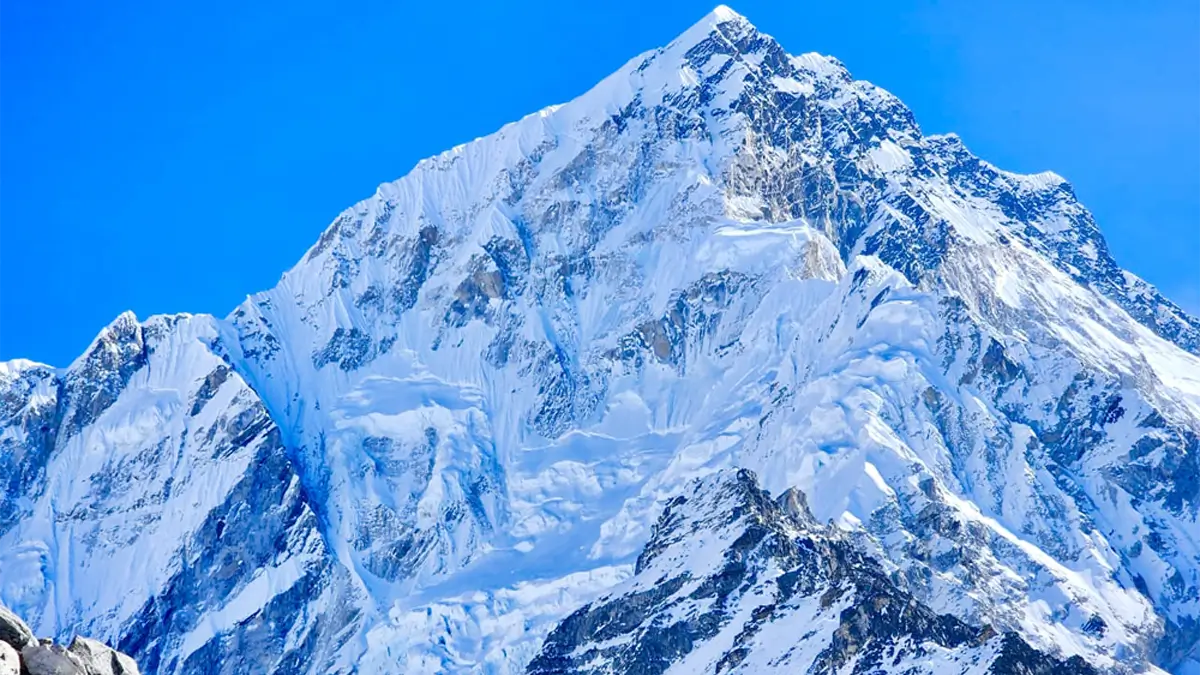
Picture the Everest area in October, this is when the Himalayas decide to dazzle. A quiet pride swells in the peaks, sharp under clear skies. Colors shift slowly, sunlight stretching across stone and snow. The air carries a crisp hush, broken only by distant bells or shifting ice.
Trails hum with steady footsteps, and each ridge line cuts clean against endless blue. Mornings start cold but bright, shadows long on valley walls. By midday, warmth pools in sheltered spots.
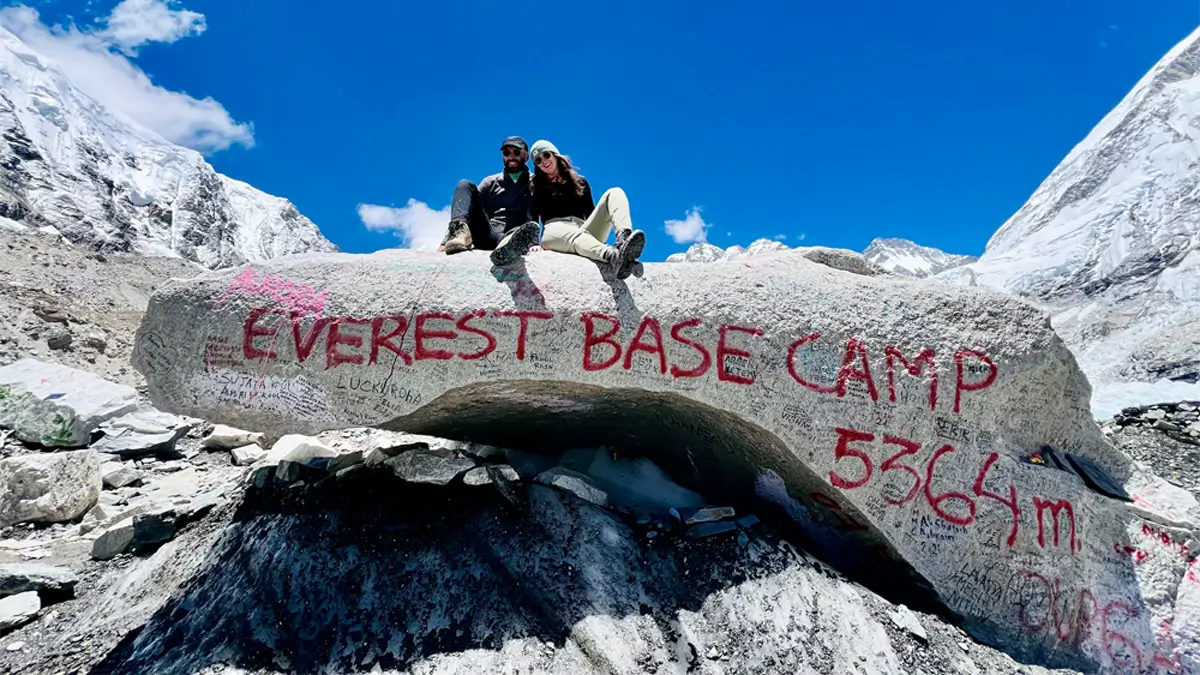
Weather holds steady just as the timeless trek to Everest Base Camp hits its stride, paths firm underfoot while you push toward the foot of Earth's tallest peak.
Little less crowed you on the Gokyo Lakes trek, where silence wraps around turquoise waters set high in the mountains. Instead of crowds, there are open valleys shaped by ancient ice. While Everest Base Camp draws most eyes, this trail slips sideways into calm.
Should you crave the complete journey, try the Everest Three High Passes Trek. This route links towering mountain crossings in a circular path. It unfolds views so vast they dominate the landscape.
Annapurna Region (ABC, Circuit, Poon Hill)
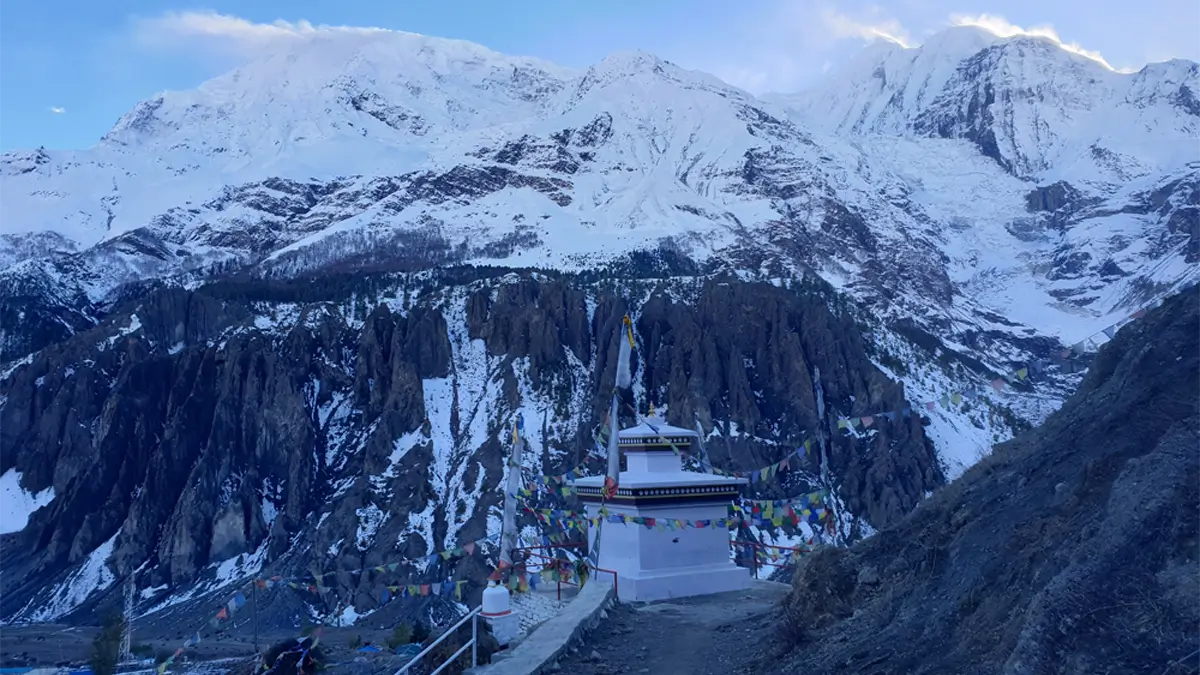
Up high, the air gets sharper, yet somehow warmer in the light. Each step lifts you into clearer skies where peaks show themselves slowly. Roads reach deep here, making arrival less grind than expected. Annapurna just works, like it knows what you need before you do.
Deep among the high mountains lies the trek to Annapurna Base Camp, a well-known path leading through a vast bowl shaped by giant summits. Here, the land rises sharply on all sides, drawing walkers steadily inward.
Starting off lush, the Annapurna Circuit unfolds through deep valleys before climbing into stark, high-altitude stretches where trees vanish. Moving forward, each day brings sharper peaks and thinner air instead of steady forest cover.
Mardi Himal Trek is surrounded by the annapurna himalayas and very close to Mt. Annapurna south and Mt. Fishtail - Machhapuchare.
Should you prefer a briefer journey with lasting impact, consider Poon Hill, a swift climb at dawn reveals golden light spilling across the entire Himalayan sweep, no lengthy trip required.
Langtang Region (Near-by Kathmandu and still Amazing)
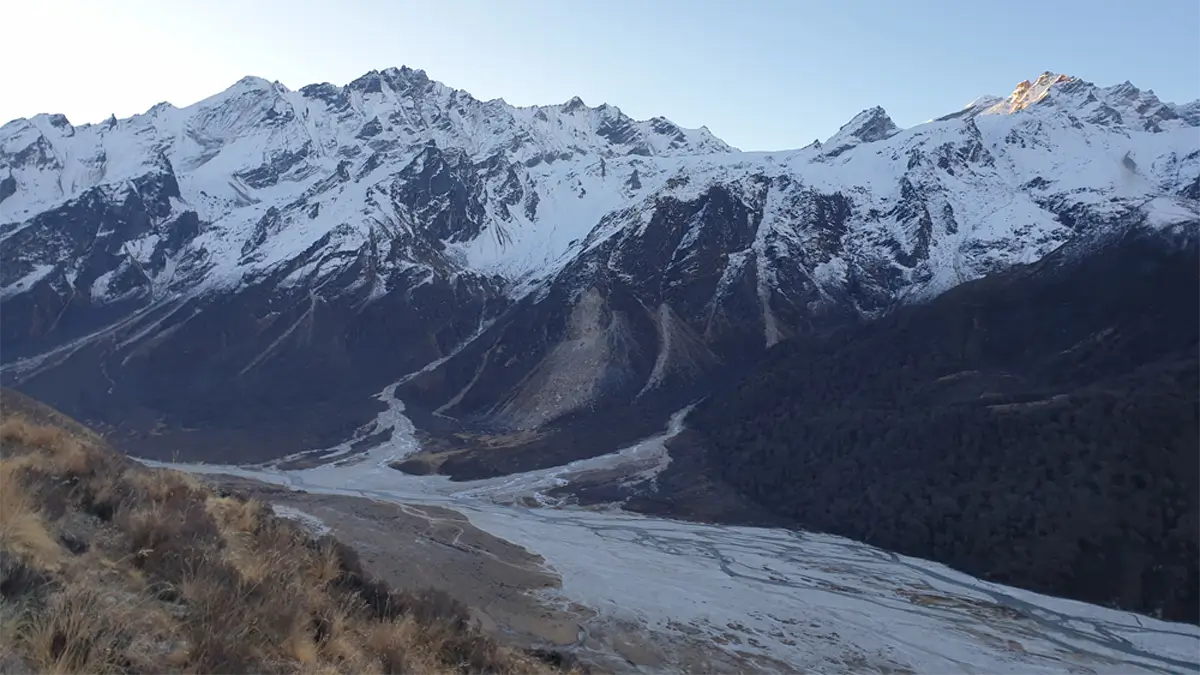
Even many trekkers would love to do Langtang trek, this treks the altitude elevation around 4000-5000m, and more about the Buddhism religion and will see along the trail route mani wall, prayer flag, prayer wheels, chortens, gumba, tibetan banner, stone mandala.
October clears the trails near Langtang. Rivers talk louder once most travellers have moved on. Your feet sound different with fewer voices nearby.
Surrounded by towering snow peaks that seem within reach, the wide valley unfolds after a journey along forest paths dotted with Tamang villages rooted in tradition. This trek through Langtang Valley Trek becomes the trip’s quiet centrepiece.
Spending extra days on the trail? The trek from Langtang up to Gosaikunda Lake opens into highland meadows and mirror-like lakes. Views shift constantly when you climb higher, bringing layers of terrain that keep things shifting underfoot.
Offbeat Treks if You Want Fewer People
October crowds on hiking paths might not spark joy. Yet Nepal holds hidden trails, less traveled, more intimate. These spots stay hushed, almost private.
Clear skies settle over these quiet trails by October, offering steady footing underfoot while bigger routes hum with foot traffic. Fewer faces appear here compared to Everest’s crowds, yet the paths stand firm, open, breathing.
Out here, the Manaslu Circuit trek keeps things wild and quiet because only so many people can go.
Not far off, the Upper Mustang trek rolls out red rock cliffs and wind-carved valleys, almost like another planet showing up in the mountains.
Then there's Nar Phu trek, tucked away where old ways still shape daily life and peaks rise sharp on every side.
Final Thoughts: Is Trekking in Nepal in October Actually Worth It?
So, here’s the honest takeaway: yes, trekking in Nepal in October is absolutely worth it for most people, especially if you want the safest bet for good weather, clear mountain views, and smooth trekking conditions.
(but sometimes we never know about the weather, weather can be change at any time in the Himalayas in Nepal)
It’s that one time of year when everything just feels “in place” as the skies are open, the trails are active, and the whole Himalayan experience is at its most reliable. You are not fighting rain, not dealing with blocked routes, and not gambling with visibility. You just walk and enjoy it.
But it’s not a perfect, one-size-fits-all situation. October also means more trekkers, busier trails, So, if you are chasing total solitude or a super off-the-grid vibe, you might feel that crowd energy a bit too much on popular routes.
Still, for beginners, first-timers, or anyone who just wants the best overall version of trekking in Nepal, October is pretty hard to beat.
In simple terms: if Nepal trekking had a “safe and beautiful default setting,” October would be it.
FAQs
Is October really the best month for trekking in Nepal?
Yes, October is considered peak season because of clear skies, stable weather, and great mountain views, making it one of the most reliable times to trek.
Do I need to book everything in advance for the October trek?
It’s a good idea, especially for guides, flights, and popular tea houses, since October is busy and things fill up pretty fast.
Is trekking in Nepal in October too cold?
Not really, days are usually comfortable and sunny days while trekking in Nepal in October, but nights can get quite cold at higher altitudes, so proper layering is important.
Can I trek solo in Nepal during October?
Yes, you can do a solo trek with a guide. It means you’re safer with enjoying the trekking without stress.
October is the busiest trekking season in Nepal?
Yes, October is the busiest trekking season in Nepal.
Is it good to go High pass Adventure trek in Nepal in October?
Yes, you can do any trek in Nepal during the October and also the high pass adventure trek, like Everest three high pass, Annapurna Circuit Thorong La Pass, Manaslu Larke La Pass, Tilicho Lake with Annapurna Circuit.