Why Are Australians Suddenly Obsessed with the Annapurna Trek in Nepal?
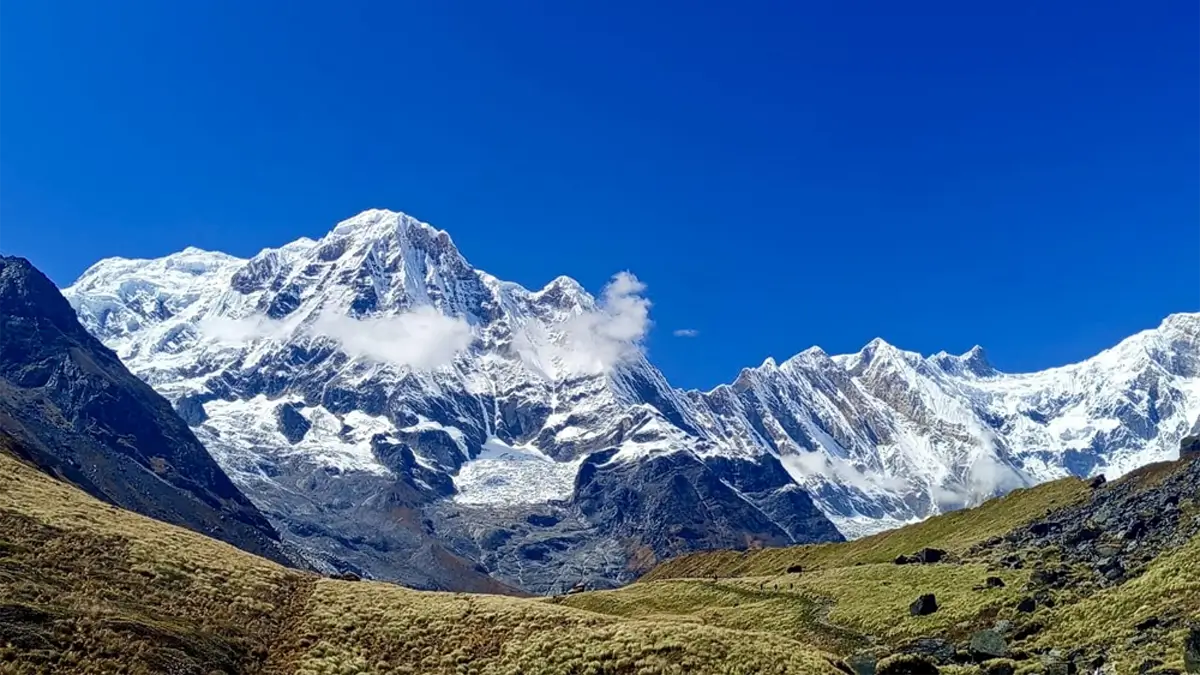
Something has definitely changed in the way Australians travel. Beaches and city breaks are still there, but more and more people are swapping flip-flops for hiking boots and heading straight to the Himalayas. And right at the center of this shift is the Annapurna Trek in Nepal.
So why is everyone from Australia suddenly talking about it?
Out here, days blur into something wilder. Sure, Australia treats you well, yet somehow everything begins repeating itself. Not so in Annapurna. Swap coffee runs for icy summits, trading shorelines for rope bridges swaying above deep valleys. Paths wind through quiet hamlets where time moves differently. Routine? Gone before you even notice.
For one thing, it's bold but still doable. ABC suits tight schedules, whereas the Circuit stretches out into something deeper and tougher. Whether chasing a brief high in the peaks or days of raw trail time, your pick exists.
Most folks find planning Nepal trips from Australia easier than expected. Through Asia, flight links run without fuss. Arriving in Nepal brings no headaches, and Australians get entry on arrival. Walking paths stay clear, dotted with places to rest, plus local experts ready to help along every stretch.
ABC Vs Annapurna Circuit: The “Short Burn” Vs “Full Adventure Mode” Debate
When planning the Annapurna Trek from Australia, this is the main question: do you go for the quick hit or the full Himalayan experience?
The Annapurna Base Camp 4,130m (ABC) trek is the “short burn” version. It usually takes around 7 to 13 days and is perfect if you want big mountain views without committing your entire life schedule. The trail is relatively straightforward, the scenery gets dramatic quickly, and you still get that iconic Annapurna panorama.
The Annapurna Circuit trek, on the other hand, is full “adventure mode.” It takes around 10 to 18 days and covers completely changing landscapes, from green valleys to high mountain passes like Thorong La 5,416m It’s tougher, and more immersive. You don’t just see the Himalayas, you kind of live in them for a while.
Is This The Kind Of Trip You Flex On Instagram For Years?
Short answer: yes. Long answer: Also yes, but with better photos and slightly better storytelling every time you post it again.
The Annapurna Base Camp and Annapurna Circuit Trek from Australia is exactly that kind of trip you collect memories from. Whether it is the Annapurna Base Camp sunrise shot or the Annapurna Circuit mountain pass moment where you look like you survived something important, these photos don’t age… they upgrade.
And the funny part? You won’t even need captions. The views do the flexing for you.
How To Get From Australia To The Annapurna Trails Without Losing Your Mind?
Flights From Australia To Nepal: Cheapest Routes That Don’t Hurt Your Wallet Too Badly
Most flights from Australia to Kathmandu (Nepal’s main gateway) are one or two-stop journeys, usually connecting through hubs like Kuala Lumpur, Singapore, Bangkok, or Delhi. There are no direct flights, but the route is super well-connected, so you won’t be stranded in aviation chaos.
Economy flights usually start from roughly round trip 1,350 AUD to 2,000 AUD Australia – Kathmandu - Australia with transit flight. depending on the season, with the best deals often found in off-peak months like monsoon or shoulder seasons.
If you are flexible with dates, you can sometimes score even cheaper fares, but yeah, that usually comes with longer layovers (aka airport snack marathon mode). Worth it? Absolutely.
Kathmandu To Pokhara To Trailhead
Once you land in Kathmandu, the Annapurna base camp trek slowly stops being a travel plan and starts feeling like a real adventure. But before you reach those mountain views, there’s a little journey warm-up: Kathmandu to Pokhara to the trailhead.
First stop is Pokhara, Nepal’s chill-out capital. You can either take a quick domestic flight (around 20 to 30 minutes) or go for the road trip option (6 to 7 hours by tourist bus). Flights are faster, buses are cheaper, pick your struggle.
Note: Flight also can be delayed due to the bad weather.
Pokhara is where things start getting real. Lakeside views, mountains peeking in the background, and trekkers everywhere. It’s also your last proper comfort stop before the ABC trail.
From Pokhara, you head to the trailhead, places like Nayapul, Ullery, Ghorepani, Ghandruk, or JhinuDanda, depending on your route variation. This part is usually a jeep ride that slowly transitions from normal roads to “Nepali off-road rollercoaster simulation.”
And then it hits you: no more traffic noise, no more city chaos, just mountains, suspension bridges, and the beginning of your Annapurna Base Camp.
For theAnnapurna Circuit trek, you’re going direct start from Kathmandu and end in Pokhara like Kathmandu to Besisahar- and Chame dive and start walking to the Circuit.
Do You Need A Travel Agent Or Can You Wing It Like A Pro?
This is the classic Annapurna Trek from Australia dilemma, do you book everything through a travel agent, or go full “I have watched 3 trekking vlogs, I’m basically ready” mode?
Using a travel agency means everything is pretty much sorted for you, permits, guides, accommodation, transport, and even that first nervous tea in Kathmandu. It’s ideal if you want zero stress planning and prefer just showing up and walking.
If you wing it like a pro, now this is the adventurous route. You land in Nepal, sort your permits in Kathmandu, head to Pokhara, and figure things out step by step. It works well if you enjoy planning as part of the trip.
Nepal is actually very trekking-friendly, so winging it is totally doable if you have done a bit of homework.
For first-timers from Australia, most people go with a guide or package for the Annapurna Circuit or Annapurna Base Camp trek.
Itinerary of Annapurna Base Camp - ABC And Annapurna Circuit Trek in Nepal for Australian
Annapurna Base Camp Trek Itinerary Via Poon Hill Route 13 Days
Day 01: Kathmandu arrival and transfer to hotel, overnight in Kathmandu.
Day 02: Drive from Kathmandu to Pokhara by tourist bus aprox 6 to 7 hrs. overnight in Pokhara Hotel. (Optional flight)
Day 03: Pokhara to Nayapul drive and trek to Ullery 2,010m, and approx 6 - 7 hrs, Overnight in tea house.
Day 04: Trek Ullery to Upper Ghorepani 2,874m approx 4 hrs, Overnight in tea house.
Day 05: Morning hike to Poon Hill 3,210m, return to Ghorepani breakfast and trek to Tadapani 2,630m, approx 6-7 hrs, Overnight in tea house.
Day 06: Trek Tadapani to Lower Sinuwa 2,340m, approx 6-7 hrs, Overnight in tea house.
Day 07: Trek Sinuwa to Deurali 3,200m, approx 6-7 hrs, Overnight in tea house.
Day 08: Trek Deurali to Annapurna Base Camp 4,130m, approx 5-6 hrs, Overnight in tea house.
Day 09: Trek ABC Base Camp to Bamboo 2,310m, approx 7 hrs, Overnight in tea house.
Day 10: Trek Bamboo to Jhinu Danda 1,780m,(Hot Spring) approx 5 hrs, Overnight in tea house.
Day 11: Around 20 minutes walk and take a transport to Pokhara, Overnight in Hotel.
Day 12: Drive from Pokhara to Kathmandu by tourist bus, approx 6 to 7 hrs. Overnight in Kathmandu Hotel. (Optional flight)
Day 13: Departure day from Kathmandu or you can stay longer.
Annapurna Circuit Trek Route Thorong La Pass 14 Days
Day 01: Kathmandu arrival and airport pickup and transfer to hotel.
Day 02: Drive from Kathmandu to Besisahar (approx 6 hrs drive) and overngiht in hotel/lodge.
Day 03: Drive to Chame (2,650m) by sharing Jeep approx 4 hrs drive.
Day 04: Trek Chame to Upper Pisang 3,400m, approx 5-6 hrs.
Day 05: Trek Pisang to Nawal 3,650m, aprox 5 hrs.
Day 06: Trek Nawal to Manang 3,540m, approx 3-4 hrs.
Day 07: Acclimitazation day in Manang, free day hiking 300 - 400 meters wander.
Day 08: Trek Manang to Yak Kharka 4,050m, approx 4 hrs.
Day 09: Trek Yak Kharka to Thorong Phedi (4,580m, or High Camp 4,880m, approx 3-4 hrs.
Day 10: Morning around 4:00 am start climb to Thorong La crossing the Pass 5,416m and trek downhill to Muntinath 3,800m,
Day 11: Drive Muktinath to Tatopani 1,200m, approx 4-5 hrs.
Day 12: Drive Tatopani to Pokhara 8,20m, approx 3-4 hrs.
Day 13: Drive Pokhara to Kathmandu by tourist bus, approx 6-7 hrs. (Optional flight)
Day 14: Departure day from Kathmandu or you can stay longer too.
Short Itinerary Route to Annapurna Base Camp Trek 10 Days
Day 01: Arrtival in Kathmandu airport pickup and transfer to hotel.
Day 02: Kathmandu to Pokhara drive by tourist bus, approx 6-7 hrs, (Optional flight)
Day 03: Pokhara to near Jhinu Danda drive and trek to Sinuwa 2,300m, approx 4 hrs.
Day 04: Trek Sinuwa to Himalaya 2,900m, approx -67 hrs.
Day 05: Trek Himalaya to Annapurna Base Camp 4,130m, approx 6 hrs.
Day 06: Trek ABC Base Camp to Bamboo 2,310m, approx 7 hrs.
Day 07: Trek Bamboo to Jhinu Danda (Hot Spring) 1,780m, approx 5 hrs.
Day 08: Short walk from Jhinu Danda and take a transport back to Pokhara.
Day 09: Pokhara to Kathmandu drive by tourist bus approx 6-7 hrs. (Optional flight)
Day 10: Departure to the airport to stay more.
Annapurna Trek Cost From Australia (Let’s Talk Money Without Crying)
Total Trip Cost Breakdown: Flights, Permits, Guides, And Snacks (Yes, Snacks Matter)
Let’s talk money, because the Annapurna Trek from Australia is unforgettable, but your bank account will still ask, “Are we sure about this?”
First up, flights from Australia to Nepal. This is your biggest cost chunk, usually around 1,350 to 2,000 AUD return, depending on timing and how early you book. Basically, early planners win, last-minute bookers pay the “panic tax.”
Then you have got permits for the Annapurna region (ACAP and TIMS). Nothing dramatic here, about 40 to 60 AUD total, but absolutely mandatory. No permit, no mountains. Simple.
Next, guides and porters. You can go solo, but most trekkers from Australia hire a guide for smoother navigation and less “wait… is this the right trail?” stress. Expect around 35 to 75 AUD per day for a guide and slightly less for a trekking porter.
On the trail, life gets simple: rooms are cheap or bundled with food, and per meals cost around 5 to 15 AUD. And yes, you will eat Nepali food dal bhat like it’s your new personality.
Now the underrated expense: snacks. This is where logic disappears. Chocolate bars at altitude suddenly feel like luxury goods. Budget 5 to 15 AUD per day.
ABC Trek Vs Annapurna Circuit Cost Comparison: Which One Burns Your Budget More?
Let’s keep it real, both the Annapurna Base Camp (ABC) and Annapurna Circuit Trek are amazing for Australians heading to Nepal, but they don’t treat your wallet the same way.
The Annapurna Base Camp trek is the lighter hit. And about 11-13 days. Everything stays more budget-friendly. For Australia, a typical Annapurna Base Camp with Poon Hill trip usually lands around 1,380 AUD to 1,900 AUD, depending on your flight deals, guide choice, and how many “I deserve this snack” moments you have on the trail.
Well, the Annapurna Base Camp short trek is a bit cheaper, roughly 1,150 AUD. Compared to Annapurna base camp with Poon Hill or Annapurna Circuit - ACT.
the Annapurna Circuit trek costs about1,650 AUD – 2,300 AUD which is a 10 to 16 days package trip.
So, the simple truth is this: Annapurna Base Camp is slightly cheaper than Annapurna Circuit.
Visas & Paperwork For Annapurna Nepal: The Boring But Necessary Stuff
Nepal Visa For Australians: Super Easy Or Surprisingly Chill?
Good news, getting a Nepal visa for Australians is one of the least stressful parts of your whole Annapurna trek from Australia plan. Like, shockingly easy. Almost suspiciously easy.
You don’t need to run around embassies or submit a folder thicker than your travel dreams. Instead, Australians can simply get a visa on arrival at Kathmandu airport (Tribhuvan International Airport). You land, fill out a quick form, pay the fee, and boom, welcome to Nepal.
But you will require your passport six months validity with a full blank page in your passport. More information about Department of Nepal immigration Visa Section.
Visa cost (rough idea):
- 15 days: around 30 USD
- 30 days: around 50 USD
- 90 days: around 125 USD
is it easy or chill? Honestly? Both. It’s easy enough that you won’t stress and chill enough that it feels like part of the travel experience.
Do You Need A Guide? What About Hiring A Porter?
This is one of the biggest questions people from Australia ask before doing the Annapurna trek in Nepal, and honestly, the answer is: it depends… but also, kinda yes.
Technically, you can still trek parts of Annapurna Base Camp or Annapurna Circuit independently, but most trekkers now go with a licensed guide. And not just for safety, for sanity too.
A guide helps you stay on the correct trail (because Himalayan shortcuts are not a thing you want to guess), understand routes, weather, and altitude, and deal with permits and local logistics without headache.
Think of a guide as your “mountain translator, GPS, and an emotional support human.”
Now porters are the real MVPs of the trek. A porter carries your heavy backpack so you can actually enjoy walking instead of questioning your life choices at every uphill step. Most trekkers from Australia hire guides, hiring a guide is a safe, stress free, cultural understanding, ligistic, more comfortable and more support, and also you're helping the local people to give them a job.
Best Time To Do The Annapurna Trek From Australia
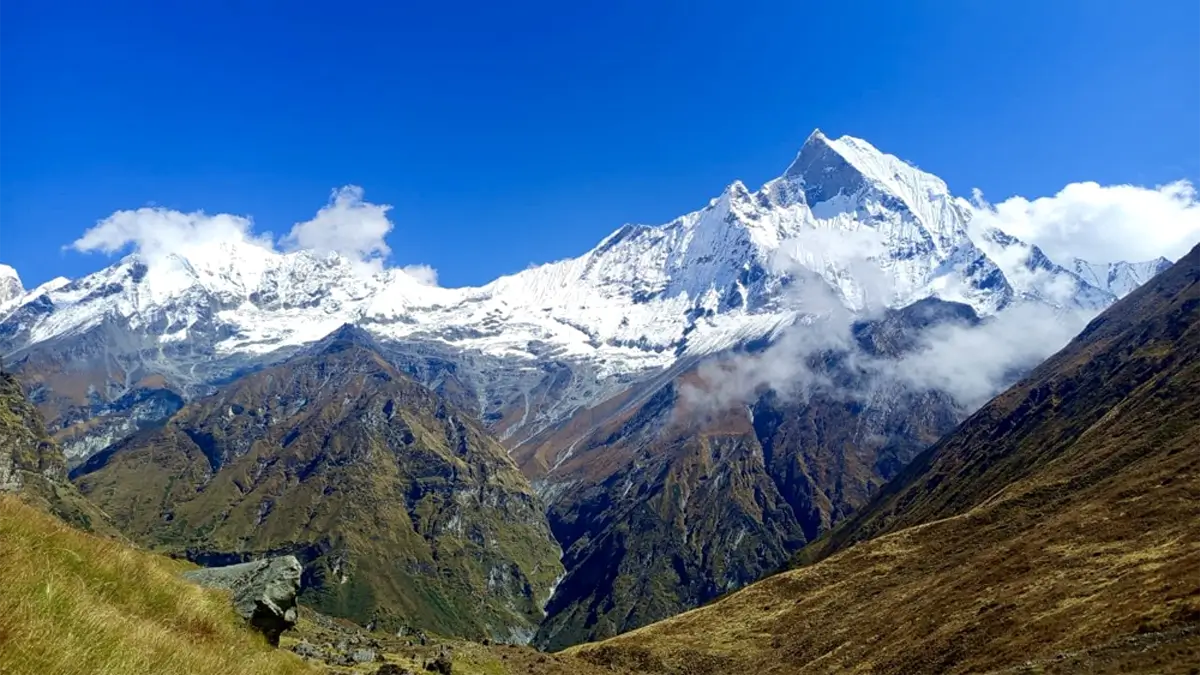
If there’s one thing that can make or break your Annapurna trek from Australia, it’s timing. Go at the right time and you get postcard-perfect mountains. Go at the wrong time and… well, you might just be trekking inside a cloud wondering where Annapurna went. But every different time you trek there is something different to see.
Autumn (like 3rd weeks September to November) is the gold standard season for both Annapurna Base Camp (ABC) and the Annapurna Circuit trek. You can expect crystal-clear mountain views, stable weather (aka fewer surprises from the sky), and perfect trekking temperatures.
Basically, it’s the time when the Himalayas show off a little too much, and honestly, we are not complaining. If you are coming from Australia and want the safest bet, this is your season. Simple.
Spring (March to May) is when the Annapurna region turns into a full cinematic experience. You get blooming rhododendron forests (yes, it looks fake but isn’t), clear mornings and slightly warm afternoons, and great visibility for mountain views.
It’s a bit warmer than autumn, but still super enjoyable. Think of it as the “pretty but slightly sweaty” version of trekking. And weather can be changed any time in the Himalayas in Nepal.
Off-Season Annapurna Trekking: Quiet Trails, Wild Weather, And Main-Character Energy
Off-season trekking in the Annapurna Region is for the people who want the mountains a little raw, a little moody, and a lot less crowded. It’s peaceful, dramatic, and occasionally feels like the Himalayas are testing your character development arc.
During monsoon and deep winter, the trails become incredibly quiet. Tea houses feel calmer, viewpoints feel more personal, and you can actually sit with a cup of tea without hearing fifteen trekking groups debate oxygen levels beside you.
Monsoon season brings misty forests, powerful waterfalls, glowing green hills, and clouds that roll through villages. Everything feels alive.
Winter, on the other hand, turns the region into a cold, crisp snow-globe version of Nepal, with frosty mornings and ridiculously clear mountain views on good days.
But yes, off-season trekking comes with a little chaos too. Rain can turn trails slippery, leeches suddenly become emotionally attached to your legs, and winter mornings can feel illegally cold. Sometimes weather delays happen, and higher passes may get blocked by snow for a while. The mountains stay beautiful, but they definitely stop pretending to be easy.
Still, there’s something special about trekking the Annapurna Circuit or Annapurna Base Camp during the off-season. It feels less like a tourist trip and more like a real mountain experience.
Is The Annapurna Trek Hard? Or Are You Just Overthinking It?
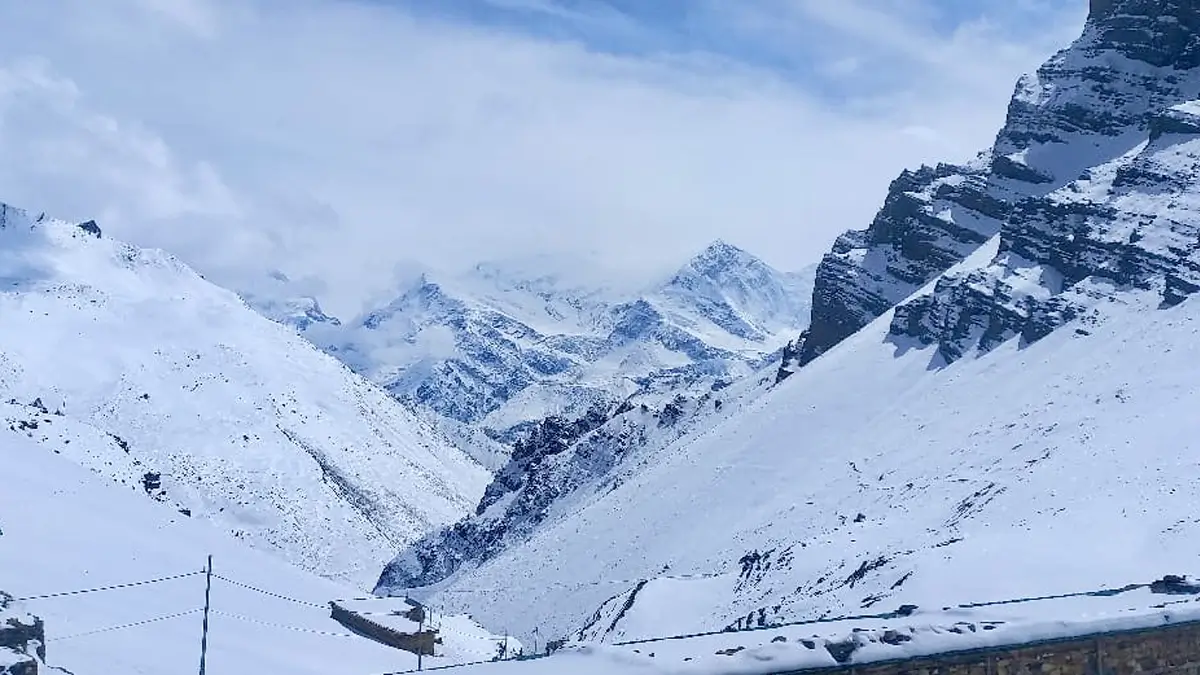
Let’s be honest, before doing the Annapurna Trek from Australia, almost everyone Googles this at 2 AM: “Is Annapurna trek hard?” followed closely by “Am I physically ready or am I just being dramatic?” Short answer: It’s not easy, but it’s also not a survival mission.
So how hard is it really? The Annapurna Base Camp trek is moderate. You will walk a lot, climb a lot, and question stairs in general… but it’s very doable for most reasonably active people.
The Annapurna Circuit is more demanding, especially with high altitude passes like Thorong La. It’s more about endurance than speed; slow, steady, and slightly sweaty wins the game.
The real challenge isn’t what you think. Here’s the truth nobody says loudly: It’s not the mountains that break you, it’s your brain overthinking them.
● “Do I need to train for 6 months?”
● “What if I can’t breathe at altitude?
● “Should I have become a gym person before this?”
Meanwhile, thousands of normal travelers from Australia do this trek every year without turning into athletes beforehand. What actually makes it “hard” are long walking days (5 to 7 hours on average), uphill sections that feel personal, altitude, and basic comfort.
If you can walk for a few hours a day and handle some uphill grind, you are already 70% ready for the Annapurna trek in Nepal.
Life On The Trail With Tea Houses, Dal Bhat, And Mountain WiFi That Barely Works
Life in the Annapurna region is not about luxury; it’s about simple mountain living with a very honest WiFi connection (and by honest, we mean barely there).
Forget hotels. On the Annapurna Base Camp and Annapurna Circuit trek, you will stay in cozy tea houses, simple lodges run by locals.
They are basic, a bit cold at night, but surprisingly warm in vibe. You get a bed, a blanket, and sometimes a hot shower if the universe is feeling generous. It’s not fancy, but it’s got character. A lot of character.
Now let’s talk about the real MVP: dal bhat. This is Nepal’s trekking fuel with rice, lentils, veggies, and sometimes meat. The best part? Refills are often unlimited. It’s basically the unofficial reason trekkers survive the Himalayas.
Yes, there is WiFi in some tea houses. No, it is not reliable. One minute you are sending a message, the next minute you are staring at a loading circle, questioning your life choices. Some places even charge for it, which makes the lag feel even more personal.
Final Thoughts: Should You Do The Annapurna Base Camp Or Annapurna Circuit Trek From Australia?
So here we are, the big question in your Annapurna Trek from Australia planning journey: Annapurna Base Camp or Annapurna Circuit Thorong La Pass?
And honestly, there’s no dramatic twist here… just two very good options depending on how much mountain energy you are ready to commit.
Go for Annapurna Base Camp 4,130m, if you want it simple but stunning. Big peaks wait along the Annapurna Base Camp trail, ideal when time runs short. Instead of long weeks, just days open up towering heights.
Choose the Annapurna Circuit Thorong La Pass 5,416m, when craving something deep. This route fits those ready for days on foot, where each step builds quiet bonds with towering peaks instead of just passing through.
One isn’t superior. It simply comes down to preference: do you crave quick glimpses or deep immersion into the Himalayas? Sometimes moments shine brighter when stretched out.
Choose your mood, grab your gear, and now prepare yourself; whichever path you take, the Annapurna area will quietly reshape how you see things.
FAQs
How long does it take to do the Annapurna Trek from Australia?
Most travelers from Australia spend two or three weeks total, factoring in flight time. ABC trek tends to fill 7 through 13 days on foot. The path along the Annapurna Circuit often stretches beyond twelve, sometimes past 18. Each journey fits different paces.
How much does the Annapurna trek cost from Australia?
Snack habits might push ABC costs toward 1,158 up to 1,900 AUD. The Circuit? That one ranges from 1,600 to over 2,300 AUD, give or take.
Is the Annapurna trek beginner-friendly?
True, beginners friendly, ABC feels easy for newcomers while the Circuit steps up the challenge a bit.
Do I need a guide for the Australian travellers to Annapurna trek in Nepal?
Well, trekking with a guide without a guide is up to you, but hiring a guide is safe, cultural understanding, logistic, stress free, easier and more comfortable, supports every step, And also you’re helping the local people to give them jobs.
What food do you get on the trek?
Well, during the trek there is many different options foods menu along the trekking route like Nepali, Western, and European food. But mostly Dal Bhat – the best Nepali combo meal, which is Nepal’s way of saying “you will eat this and you will be strong.”
What is the best time for the Annapurna trekking from Australia?
Autumn (September to November) and spring (March to May), basically when the mountains are in their “show-off” mood. Nowadays December also has good weather with less people but a little bit more cold compared to October and November.
Which is better: ABC or Annapurna Circuit?
Well, both trekking Annapurna Base Camp - ABC and Annapurna Circuit Thorong La Pass are beautiful and stunning views, The ABC low altitude 4,130m and Annapurna circuit 5,416m more challenging, if you want high pass and bit more challenging go for Annapurna circuit and if you want this beautiful grand mountain view but low elevation altitude go for the ABC base camp. If you have enough time Poon Hill with Annapurna base camp, the 13 days itinerary is more beautiful compared to the ABC short route.