So… What Exactly is an Everest Base Camp Guided Tour? Why Walking to Everest is Easier with Someone Who Knows the Way?
Most people think hiking toward Earth's highest peak feels like a triumph. Yet that feeling fades fast when route charts, thin air, paperwork headaches, and basic bathroom logistics kick in. This is when having a guide who knows the trail turns everything around.
Guided trip to Everest Base Camp means walking through rugged trails with someone who knows the mountains well. knowledgeable guide is there to make your journey safe and comfortable. The tour company and guide plan each step of the route ahead of time. Arrange food, shelter, and steep stops along the path.
risks? Handled quietly behind the scenes. The journey stays steady even when air gets thin. Mistakes get corrected before they grow. What could feel overwhelming becomes manageable.
Worries about paths, beds, paperwork, or if your legs can handle thin air? A guide handles those. You just look up, spiky peaks cutting the sky. Small homes tucked into rocky slopes appear ahead. One shaky bridge after another leads forward. Then there it is, the place so many dream of, planted right in front of you.
Your guide sets a rhythm that matches the thinning air, one that keeps you moving without gasping. Conversations with villagers come through them, turned from unknown dialects into clear meaning.
Most people climbing to Everest Base Camp for the first time pick a guide because it makes things easier. The mountain throws plenty of hurdles on its own; knowing there's an experienced person leading helps calm nerves. A guide with local insight turns confusion into confidence.
''Traveler's Choice — Save $ 52''
Price from
Why Most Trekkers Choose a Guided Everest Base Camp Experience?
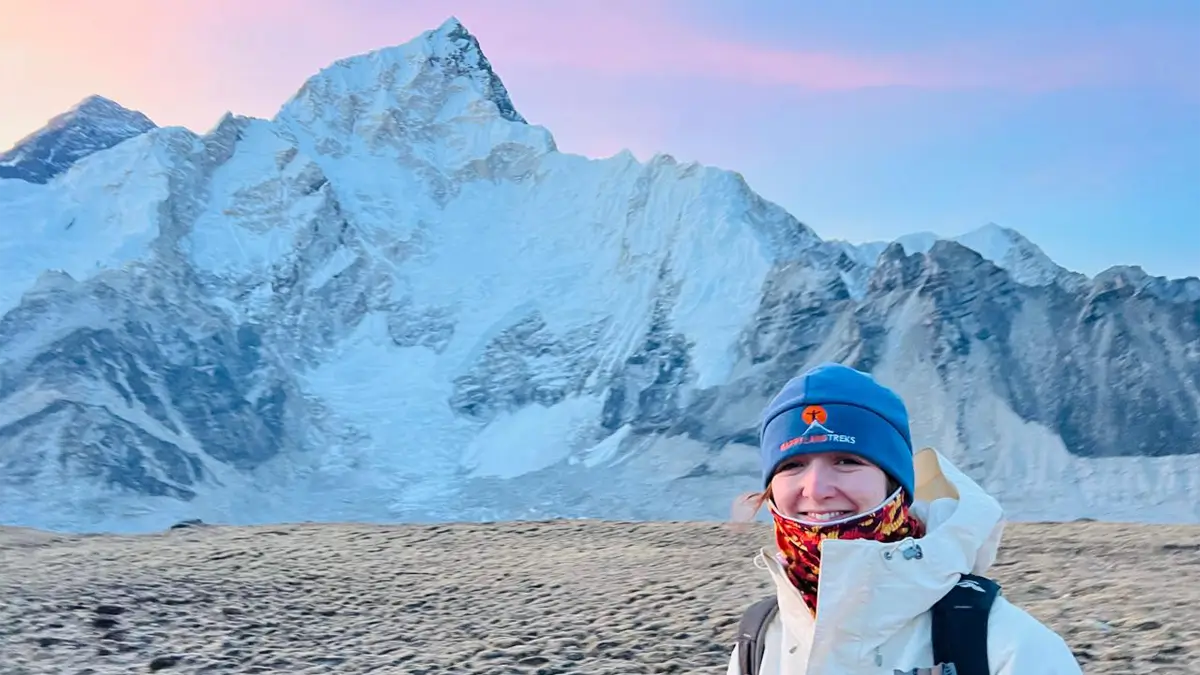
Safety At High Altitude
Fine. Up high on the Everest Base Camp trail, breathing turns tricky. Lungs act out. Even bending down for shoelaces wears you out fast, honestly. A guide steps in right there, making things possible without fuss.
Halfway up, your legs might quit, this is where the guide steps in, keeping each step steady before fatigue takes hold. When dizziness whispers at the edge of your vision, they see it first, even if you are smiling through it. Pause. Drink water. Breathe slowly.
Guides also make sure your acclimatization days actually work. You might think, “I can totally push through today,” but at 4,000 meters, your body has its own opinions. A smart guide will gently tell you, “Nope, slow down. Your Everest selfie can wait.”
Basically, having someone who knows high-altitude safety is like carrying a cheat code for your trek. You still do the walking and suffer a little (let’s be honest, it’s Everest), but the odds of turning your epic adventure into a hospital story? Way lower.
Local Knowledge You Can’t Google
Google Maps might tell you where the trail starts, but it won’t warn you about that one yak blocking the path, the hidden tea house with the best momo, or which side of the suspension bridge actually squeaks less when you are carrying a 10-12 kg backpack. That’s the kind of local knowledge a guide brings, stuff no search engine can ever truly teach you.
Guides know all the little hacks that make the trek smoother: which villages have the coziest rooms, where to refill water without questionable surprises, and which local snacks are worth risking your diet for. They will even give you insider tips like, “Hey, don’t stand too close to that cliff edge while taking a selfie… your followers won’t thank me.”
practical stuff, guides are the real culture translators. They explain the stories behind prayer flags, monasteries, and local customs. Basically, they turn your trek from “just walking up a mountain” into a full-on Everest experience.
Stress-Free Logistics in the Himalayas
Let’s face it, trekking in the Himalayas is hard. Flights to Lukla? The weather decides. Accommodation? Sometimes more like “hope-for-the-best.” Food? You might love momo, or you might discover your stomach has new opinions. And don’t even get me started on permits, transport, flight connections, or figuring out which trail actually leads where.
That’s where a guide swoops in like a mountain superhero. They handle all the annoying but necessary stuff: permits, tea house bookings, daily meals, transport between villages, and basically making sure you don’t end up sleeping in a yak pen because someone “forgot” reservations.
They also know how to time your trekking days so you don’t arrive at 4 PM and find every tea house full, which, trust me, is not fun when your legs feel like noodles.
In short, guides let you ditch the stress and focus on the mountains, the views, and maybe taking that perfect sunrise selfie. Because trekking Everest is already enough of a challenge, you don’t need logistics turning it into an extreme sport.
What Does the Everest Base Camp Journey Actually Feels Like?
The Lukla Flight Experience
Ah, the Lukla flight, the unofficial “mountain rollercoaster” of Everest Base Camp treks. If you think commercial flights are boring, think again. This is a teeny tiny plane, perched on one of the world’s shortest runways, right at the edge of a cliff, surrounded by peaks that basically scream, “Good luck, humans!”
Take-off is an adrenaline shot, landing is basically a trust fall with a view, and somewhere in between, you might question all your life choices… in a very scenic way. One minute you are cruising over the Himalayan foothills, the next you are gripping your armrest and silently praying.
But here’s the thing: the Lukla flight is also magical. Mountains everywhere, rivers sparkling like silver ribbons, clouds floating under you… it’s the kind of view that makes Instagram filters feel unnecessary. And yeah, it’s a little scary, but that’s part of the adventure.
During the high Season Flight Diverted
Kathmandu to Ramechhap Manthali airport land transport, and Ramechhap to Lukla by flight.
During the high season like March to May, and end of September to November Lukla flights divert to Ramechhap because of the air traffic congestion in Kathmandu airport. So, we need to take a transport around 1:28 am to Ramechhap Manthali airport and take a flight to Lukla.
Transport
Nowadays there is land transport also available to do the Everest base camp trek but we need to add a few extra days because transport takes a long way and needs to walk from the little lower altitude before the Phakding and Lukla. And drive transport is a long way like 14-15 hrs.
Your guide is your sanity insurance. They will calm the panic, give you practical tips, and make sure you walk off the plane feeling like a true Himalayan conqueror.
Acclimatization Days on the Everest Route Explained Simply
Acclimatization is really important during the Everest base camp tour and we highly recommend two full acclimatization days on your way up to the base camp. The first rest day must be in Namche Bazaar when you are at 3,440 meters and second must be at Dingboche at an altitude of 4,410 meters.
So here is the deal: your body didn’t sign up to breathe thin Himalayan air at 5,000 meters overnight, and trust me, it will make its feelings very clear if you try. That’s why acclimatization days exist, basically mandatory “chill, hydrate, don’t die” breaks that your guide will insist on, whether you like it or not.
Think of them as the mountain’s way of saying: “Slow down, human.” You will walk a little, maybe climb a small hill, then spend the rest of the day sipping tea, staring at glaciers, and convincing your lungs that oxygen is still your friend.
days are boring in the most exciting way. You will start noticing things you would otherwise rush past: prayer flags dancing in the wind, locals smiling at you like you are a confused yet adorable tourist, or a yak casually crossing your trail.
yes, your guide will make sure you don’t cheat. It’s frustrating, hilarious, and absolutely necessary. Because skipping acclimatization is a fast track to altitude sickness.
Reaching Everest Base Camp and Kala Patthar
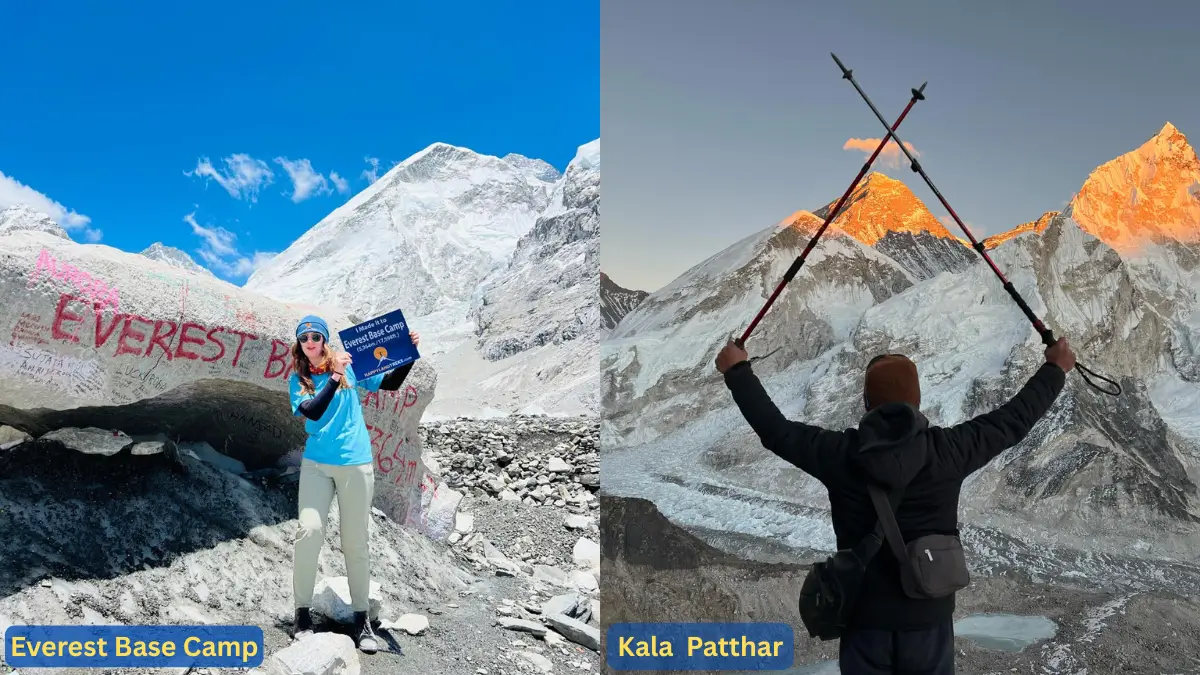
This is it, the stretch you have been walking (and low-key complaining) for. From Gorak Shep, the trail to Everest Base Camp gets real fast. The path isn’t smooth; it’s rocky, uneven, and full of loose moraine from the massive Khumbu Glacier.
You will hop over rocks, weave through icy patches, and probably stop a few times to ask yourself why you didn’t just pick a beach holiday. But then you look up and, the mountains make it all make sense.
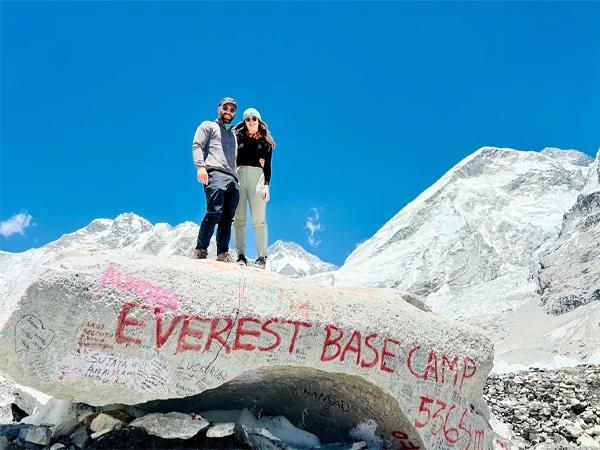
Reaching Everest Base Camp feels like winning a personal Olympics. Prayer flags everywhere, trekkers hugging, high-fives with strangers, and that weird mix of exhaustion and pure joy. But here’s the plot twist nobody tells you: you don’t actually see the summit of Mount Everest from Base Camp. Yep, Everest plays hide-and-seek behind nearby ridges. Still, the feeling of standing at the foot of the world’s highest mountain? Unreal.
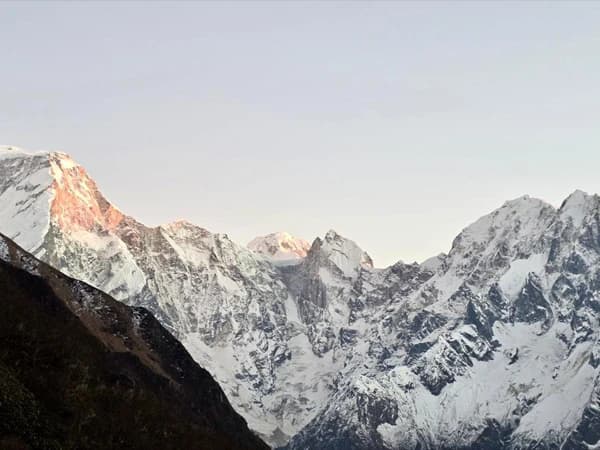
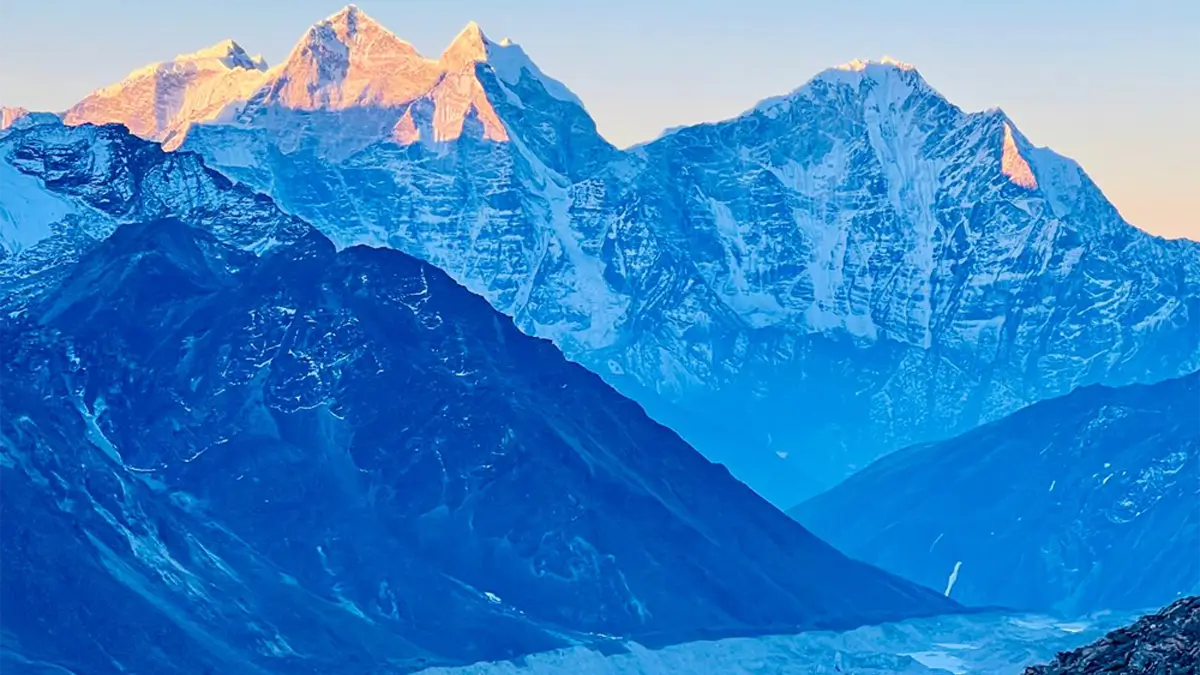
The real magic happens when you hike up to Kala Patthar. The climb is approx. 2:30 hrs steep the kind that makes your lungs file a complaint. But once you reach the top, you get the best views of the entire trek, no exaggeration. Everest finally shows its full face, joined by the dramatic ridgelines of Lhotse and Nuptse, plus a jaw-dropping look down the Khumbu Glacier.
Sunrise and sunset from Kala Patthar? Best view absolutely next-level. The sky glows, the peaks light up, and for a moment, everything feels still and perfect. It’s the kind of view that makes you forget the sore knees, thin air, and every moment from the trail.
Sherpa Culture, Monasteries and Prayer Flags Everywhere
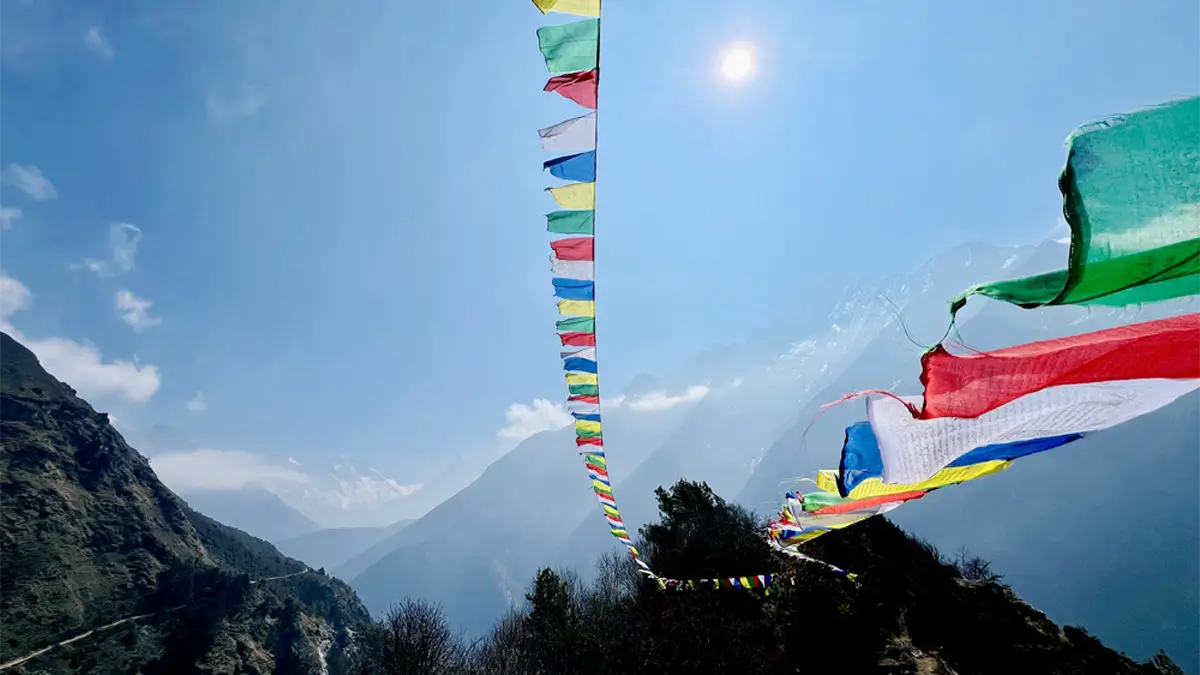
Winding through the mountains, the journey to Everest Base Camp carries more than thin air, it brings stories. Wrapped in thick layers against cold winds, villages rise where life moves steady despite the height.
Up there, faces greet you with warmth that surprises after hours of silent stone paths. These trails lean on the Sherpas.
Monasteries cling to cliffs as if stuck there by hand. Enter one, then everything quiets, voices hum, metal rings, smoke curls through air. Often a monk bows slightly when spotting you sneaking by.
And then there are the prayer flags everywhere. Seriously, they are like confetti from the universe, fluttering in every direction, each color carrying wishes, hopes, and a little mountain magic.
Your guide will point out the stories behind these traditions, explain what the colors mean, and even teach you how to tie a flag without accidentally sending a mountain-sized curse into the universe.
Things Nobody Tells You Before Trekking to Everest Base Camp
You Will Fall in Love with Tea Houses
After a day of climbing mountains, crossing rivers, and questioning all your life choices, the tea house becomes your soulmate. These cosy little spots are basically the Hogwarts common rooms of the Himalayas: warm, welcoming, and full of magical vibes.
Step inside, kick off your boots, and suddenly the world’s problems shrink to the size of your teacup. Hot water is your best friend, Dal Bhat Nepali food is basically gourmet fuel, and every steaming mug of chai tea feels like it’s been brewed with pure mountain happiness.
You will start timing your hikes around which tea house has the fluffiest blankets, comfiest pillows, or the friendliest staff, because let’s face it, tea houses don’t judge your sweaty, stinky trekking self. And yes, you will probably get attached.
(Dal Bhat – steam rice, lentil soup, veg curry, pickle) Becomes Your Main Character Meal
Welcome to Everest trekking 101: Dal Bhat is life. Seriously, after hours of hiking, your stomach basically stages a protest if you try anything else. Rice, lentils, curry, maybe some veggies, it’s simple, it’s hearty, and somehow it refuels your soul and your legs in one scoop.
Dal Bhat becomes your main character, the hero keeping you alive and happy while you tackle mountains taller than your apartment building. It’s served like clockwork in tea houses, and trust me, you will start measuring the day by when you get your next plate of it.
Bonus: it’s basically free fuel. Want to hike longer tomorrow? Eat more dal bhat. Want to survive a surprise snowstorm on the trail? Dal bhat. Your guide might even joke that dal bhat is the secret Himalayan power-up, and honestly… they are not wrong.
Washrooms, Showers and the Art of Managing Expectations
Let’s talk about something everyone pretends they are fine with but secretly obsesses over: bathroom and shower situations on the Everest trek. Spoiler alert: it’s not exactly a spa experience.
Most tea houses have basic toilet - washroom like western and european, sometimes squat style, sometimes western, european, and yes, toilet paper is a luxury, so carrying your own is basically mandatory. Hot water showers? They exist… if the sun is in the right spot. Sometimes a cold rinse is your Everest baptism, and honestly, it wakes you up faster than any espresso ever could.
Your guide will prep you for all of this with tips like: “Carry sanitizer, wear flip-flops, and accept that today’s shower is optional… but the view outside your window? Mandatory.” Managing expectations is key. You will start appreciating simple things: a warm cup of tea, a sunny patch to dry your socks, and the fact that the floor isn’t actually frozen solid.
WiFi, Mobile Signal, And Digital Detox
Welcome to the Himalayas, where your WiFi is weaker than your willpower on day 5, and mobile signals are sometimes spotted, rarely caught. If you are used to scrolling Instagram every 10 minutes, prepare for a serious digital detox. Normally mobile data works for checking our email and some text messages like Instagram, facebook messenger.
Some tea houses have WiFi, slow, finicky, and often disappearing mid-selfie, and mobile coverage pops in and out like it’s playing hide-and-seek. But honestly, that’s the magic. Suddenly, you are looking at Everest instead of your phone screen.
Your guide will probably nudge you, saying: “Trust me, your emails can wait. This view? Can’t.” And they are right. By the end of a few days, you start enjoying the freedom of being “off-grid.”
Who Handles the Permit Paperwork?
Truth is, those Himalayan trails hide paperwork nobody sees at first glance. Hikers show up dreaming of snowcaps, yet forget the stamps required before stepping foot near Namche. One slip without approval means turning back, no questions asked.
So, all the trekkers need Pasang Lhamu Municipality rural fees, and Sagarmatha National Park- Everest trekking permit. All this paperwork and permit your trekking operator will handle. And also, along the trail from Lukla to Namche Bazaar there are few counters to make the permit as well.
This entry permit system keeps records straight so authorities know where you are. It’s how Nepal makes sure nobody vanishes without a trace out in the mountains.
A pass is needed to step into Sagarmatha National Park. Think of it as your way in, where yaks wander near ice rivers under towering mountains. Getting one means moving through trails surrounded by stillness and stone giants above tree lines.
Truth is, when you walk with a guide, none of this worries you. They’re already moving through each step, knowing where things go, and what price shows up at counters. All you do is pass across documents and cash.
What do you actually do? Almost nothing. Just grin, hand over your ID if someone asks. Permits must stay on your person during hikes. Everything else? Handled.
Is the Everest Base Camp Guided Trek Difficult?
Okay, let’s cut to the chase: trekking to Everest Base Camp is moderately difficult. Some people just walk faster to reach the base camp photo collection and return. That’s seems more rushed and even like a mountain marathon don’t do that.
However, you call walking, hiking, trekking on the Everest route all single trekkers have to be slow and steady walking at your own pace, plenty of time for clicking photos and real memories from our eyes. no rust at all please!
The difficulty mostly comes from altitude, not asphalt. You are climbing higher than most clouds, so even simple steps can feel like mini Everest attempts. That’s why guided treks are a game-changer: your guide paces you, watches for altitude sickness, and keeps you motivated when your brain is screaming. A trekking guide is like your parents in the Himalaya in Nepal.
But here’s the funny part: difficulty is relative. Some days, you will feel like a Himalayan superhero, crushing kilometers with energy to spare. Other days, the tiniest hill will feel like summiting Everest itself. And that’s totally normal. The trick? Take it slow, hydrate as your life depends on it, and trust your guide and the local people.
Best Time to do the Everest Base Camp Guided Tour
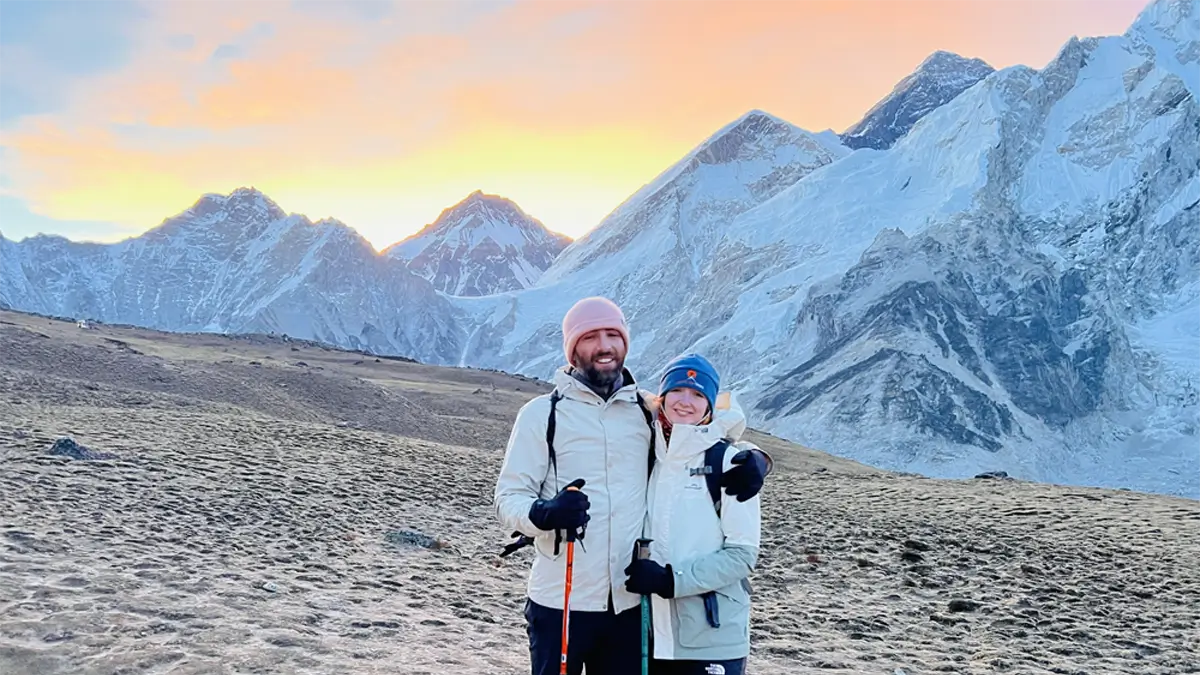
Weather in the mountains can be changed at any time in the Himalayas like Everest base camp tour. so, anytime we highly recommend everyone to prepare well for all weather trekking gear but especially cold weather.
Spring: Busy but Beautiful
When spring arrives around Everest, that’s when most people show up. Color bursts from rhododendron blooms, sky often stays open and bright, while peaks look sharp enough to cut paper. Beauty piles up as Nature here doesn’t hold back.
When tea houses fill up, paths hum with travelers passing through. Yet worry never sets in, a few extra faces bring quick smiles, sometimes even snapshots taken together though nobody knew each other hours before.
The best part? Spring weather is generally stable, with daytime temps perfect for hiking and nights cozy enough in a tea house to make you forget how much your legs hate you.
Autumn: The Crowd Favorite
If Everest Base Camp had a “most popular season” award, autumn would win every single year, no debate. September rolls in and suddenly the peaks sharpen. Skies stay empty of clouds for weeks on end. Air bites clean, almost electric against your skin. Distant ridges cut through space, so clear you would swear a filter was involved. Nope. Just how it looks when autumn wakes up out there.
Morning light spills across the peaks just as boots hit the trail, thanks to steady skies that stay clear longer. Clouds rarely bother showing up here this time of year, leaving views wide open by midmorning. Temperatures sit balanced.
Folks move fast along the paths, while steam rises from tin cups in crowded lodges, yet somehow it adds up to joy. Energy hums through every stop, and most seem convinced food hits differently when air gets thin.
Winter & Monsoon: For the Bold Ones
Now we enter the “okay, you are either very brave or very curious” category of Everest Base Camp trekking, winter and monsoon seasons. These months are less popular, but hey, fewer crowds mean more mountains for you, right?
Winter December to February
Nowadays December is the great weather, just a bit more cold and sometimes snowing but perfect weather and very less crowded.
(December to February) turns the Everest region into a snow globe. Trails are quieter, skies can be crystal clear, and the mountains look insanely dramatic. The downside? Cold.
Temperatures drop well below zero, and mornings require serious motivation (and multiple layers). A guided trek becomes extra valuable here because guides monitor weather conditions and help adjust plans when Himalayan winter decides to show attitude.
Then comes monsoon season (June to August)
The 3rd week of June has stable weather and after that starts the monsoon like the end of June. Expect rain, cloudy views, and trails that occasionally resemble muddy obstacle courses. Flights to Lukla may get delayed, and mountain views play hard to get.
But surprisingly, the landscapes turn super green, waterfalls appear everywhere, and you will experience a quieter, more local side of the Everest region. Plus, fewer trekkers means tea houses feel cozy instead of crowded. And still some people love to do the trek during the monsoon who like the rain, waterfall stream, river, mountain peak, cloudy, foggy, and lush green valley in the lower altitude.
So, who should trek during these seasons? People who don’t mind unpredictability and enjoy solitude.
How to Prepare for a Guided EBC Journey without Turning into a Professional Athlete?
- Each day, move on foot. Try covering between 5 to 10 kilometers most days.
- Climbing steps beats riding lifts each time you can manage it.
- Hiking up small hills during weekend trips builds trail-like strength.
- A bit of weight on your back feels strange at first. Try moving around with a small pack strapped on.
- Start slow by riding a bicycle, doing laps in water, or moving at an easy pace on foot.
- Build stronger legs by doing basic squats or trying lunges now and then.
- Start wearing your hiking boots well ahead of time.
- Muscles loosen up when you move them every now and then, so stiffness doesn’t sneak in by Wednesday.
- Walking without gasping means your pace works. Talking smoothly tells you not to push too hard.
Final Thoughts: Why Choosing a Guided Everest Base Camp Tour Just Makes Sense?
When it comes to reaching base camp, the real win isn’t just climbing, it’s skipping permit headaches, route confusion, altitude surprises, and planning chaos. With a guide along, things shift as safety improves, effort drops, and joy rises.
Starting early, your guide takes care of every detail so stress stays behind. Moving forward, they monitor how you feel as the air thins. Without pause, they manage logistics while your attention lands where it should, on steady footsteps across high trails. The journey unfolds simply because someone else carries the weight.
Alone, perhaps. Yet a guide changes things as suddenly the path makes sense, local stories unfold naturally, and confidence builds without even trying.
FAQs (Frequently Asked Questions)
How difficult is the Everest Base Camp trek for beginners?
Everest base camp trek is moderate, it is not too easy, and not too hard. And you can do it without problem if you’re a flexible and outdoor lover. Like who love to walk, hiking, trekking, cycling, paddling, running, normal outdoor activities etc. the main thing is altitude sickness, Altitude sickness can get anyone if you’re careless and not listen to your body.
To be honest we have got many previous clients their first time and beginners to do the Everest base camp trek and they have well completed. Like they have rhythm, listen to their body, slow and steady, drink enough water, eat good food, energy bars like snickers chocolate and muesli bars, stay hydrated. think moderate trekking with epic views. and let your guide, and tour operator handle the tricky stuff.
Do I really need a guide for Everest Base Camp?
Well, depending on your choice, how do you like to travel this Everest base camp 5,364m, with guide or without guide.
Hiring a guide is totally your choice, there is no pressure to hire a guide. So, it’s totally up to you. But traveling with a guide is very beneficial for everyone’s journey.
Yes! Unless you enjoy getting lost, stressing over permits, logging, fooding, and arguing with altitude, a guide makes it way smoother, and also safer for you.
What does the trekking company and guide do on Everest base camp tour?
Trekking company who organizes your tour and the guide who going with you they manage everything as you need for the Everest base camp trek include logistic, flight, transport, tea house, food, and along the journey guide will be like your parents like taking caring whole trip about the group, and manage well safety monitoring navigating challenging terrain etc.
What permits do I need for the trek?
Trekking to Everest base camp you will need Pasang Lhamu Municipality Rural fees and Everest - Sagarmatha National Park permit. And TIMS CARD sometimes require and sometimes not required) Your guide handles the paperwork.
Can I trek to Everest EBC in winter or monsoon?
Yes, you can trek to Everest base Camp in winter or monsoon, if you are brave, patient, and like everything unpredictable adventure. Expect snow, rain, river, waterfall, cloudy, mountain peak, or epic solitude, pick your flavor.
Will I have WiFi or mobile signal on the Everest trail route?
Kind of… but mostly digital detox vibes. Good news: your Instagram can wait, Everest can’t. Some of the teahouses do have WIFI but as usual it is too slow and still you have to pay like 2 - 4 USD.
We recommend you to buy the local SIM CARDS and you can top off the data by yourself from the balance. Local sim cards you can buy easily in the Kathmandu airport after you land, before taking the transport to the hotel.
How should I train for the Everest base camp tour?
Normal training will be fine for the Everest base camp tour such as: Walk up hill, and downhill, climb stairs, cycling, rowing, paddling, just make sure to be flexible, keep in mind that like each day walking 5-7 hrs, and strengthen legs.
What’s the best time to do the trek?
Normally the best time to do the Everest base camp trek is in spring and autumn which are sunny, colorful, and social; winter and monsoon are offbeat but bold. Pick your adventure style.
Can I do the Everest base camp trek in December?
Yes defenitely you can do the Everest base camp trek in December, December is not crowed in the Himalayas mountains but a bit more cold so just make sure you do have enough and warm equipment gear and guide to do the Everest Base Camp. If you're living in a cold country there might be no problem.
What is Everest base camp guided tour?
Guided tour to Everest base camp fully supported package, operated and organized include provide guide, porter, food, accommodation, transportation, domestic flight etc.