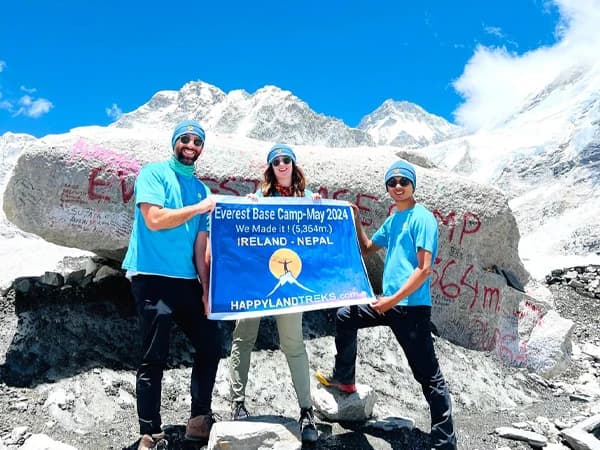
Go For The 14-Day EBC Itinerary, It Changes Everything
If there’s one Everest Base Camp tip worth shouting about, it’s this: go for the 14-day itinerary if you can. The 14 Days itinerary includes your Nepal arrival and departure date.
Shorter 10 to 12 day plans might look tempting, but they often leave you rushing, skipping acclimatization, and struggling with altitude way more than expected.
A 14-day trek gives you proper rest days in places like Namche and Dingboche, more time for viewpoints like Everest View Hotel, and space to actually enjoy the Sherpa villages and scenery instead of just passing through.
Most importantly, it lowers the risk of altitude sickness because your body gets time to adjust properly.
If You Have Got Time, Don’t Skip the Gokyo Lake and Cho La Pass Trekking Route
The classic Everest Base Camp trek is amazing, no doubt, but if you have got extra days and energy, the Gokyo Lakes and Cho La Pass route is a serious upgrade.
You still reach EBC, but you also get turquoise glacial lakes, fewer crowds, and a totally different view of the Himalayas. But chola pass is a bit tough.
Gokyo Ri is a highlight on its own, with mountain views many trekkers say rival Kala Patthar. And the lakes? Pure camera overload.
Then there's Cho La Pass, tough and cold but also one of the most rewarding parts of the whole region. If your schedule allows it, don’t just do Everest Base Camp, experience the Everest region properly.
Don't Stress with Everest Permits & Paperwork
Everest trekking permits sound scary but you only need two: the Khumbu Pasang Lhamu Rural Municipality Permit and the Sagarmatha National Park Entry Permit. If you are going with an agency, they will usually handle everything.
If you are trekking independently, you can still get the permits easily in Kathmandu or along the route at checkpoints. The process is straightforward and well-organized.
Just don’t leave it to the last minute. The mountains already love surprises, you don’t want paperwork adding to them.
Plan According to the Best Time for the Everest Base Camp Trek in Nepal
One of the simplest ways to improve your EBC trek is choosing the right season, yet many trekkers overlook it and end up facing bad weather, delays, or poor visibility.
The best time is spring (March to May) and autumn (September to November). These seasons offer stable weather, clear skies, and the best mountain views. Spring also brings rhododendron blooms, while autumn is known for crisp air and sharp Himalayan panoramas.
Winter and monsoon are still possible, but come with tougher conditions: freezing cold in winter and rain, mud, and frequent flight delays in monsoon.
Always Trek with A Local Sherpa Guide (They Know These Trails Like Home)
Sure, maps, GPS apps, and trekking blogs are helpful. But none of them can compete with a local Sherpa guide who has spent years walking these mountains. They know the trails, the weather patterns, the tea houses, the shortcuts, and sometimes even the names of the yaks blocking your path.
More importantly, a good Sherpa guide can spot altitude-related problems before they become serious, help adjust your pace, and make your trek much safer and less stressful. Instead of constantly worrying about navigation or logistics, you can focus on enjoying the incredible scenery around you.
As a bonus, you will learn fascinating stories about local culture, monasteries, mountain traditions, and life in the Khumbu region that no guidebook can fully capture.
Keep Buffer Days in Your Plan (Weather Delays and Lukla Flights are Unpredictable Here)
If there’s one thing the Himalayas don’t care about, it’s your perfectly planned itinerary. Especially when Lukla flights are involved. One minute you are ready to fly, next minute you are sipping tea in Kathmandu wondering if the plane is coming today… or maybe tomorrow… or maybe the day after.
That’s exactly why buffer days are not optional. Adding at least 1 to 2 extra days in your plan gives you breathing room for flight delays, sudden weather changes, or even trail slowdowns. And trust me, delays at Lukla Airport are basically part of the experience.
Instead of stressing about missing connections or rushing your trek, buffer days let you stay relaxed. Worst case, you use them for exploring Kathmandu or just recovering after the trek. Best case, you don’t need them at all.
Be Patient Walking on Suspension Bridges
Let’s be honest: Everest Base Camp suspension bridges look like they were designed by someone who said, “Yeah, this should be fine… They are totally safe, but the first time you step on one with the river roaring below, your brain suddenly starts questioning all your life choices.
Here’s the deal: don’t rush them. These bridges get crowded sometimes, especially when groups of trekkers, yaks, and porters all decide to cross at the same time. So, just take it slow, hold your balance, and wait your turn. And yes, the bridge will swing a bit; that’s normal.
Also, don’t try to be a hero by jumping, shaking, or “testing” the bridge’s stability. That’s how you become the person everyone remembers… for the wrong reason.
''Traveler's Choice — Save $ 52''
Price from
Walk Smart on Cliff Sections: Stick to the Mountain Side, not the Drop Side
This one sound obvious, but once you are actually on those narrow Himalayan trails with a cliff dropping straight into “nope,” your brain sometimes forgets basic logic.
So, here’s the simple rule: stick to the mountainside, not the drop cliff side. On many sections of the trail, along the Everest base camp trek. The path can get narrow with steep drops on one side. When you are tired or distracted by the views (which, fair enough, are ridiculous), it’s easy to drift toward the edge without realizing it.
Spend A Full Day in Namche Bazaar Acclimatization
Most trekkers treat Namche Bazaar like a quick stopover, sleep, eat, and rush out the next morning. Big mistake. Namche is basically the “reset button”.
This is where your body finally starts feeling the altitude, so pushing too fast here is a bad idea. Take a full rest day, no negotiations.
And honestly, there’s plenty to do. You can hike up to the Everest View Hotel for your proper glimpse of Everest, wander around the local bakeries (yes, Everest has better croissants than you would expect), explore the Sherpa Culture Museum, or just sit and enjoy the local lifestyle.
Namche is also your last real comfort zone before things get more remote, so it’s the perfect place to recharge, stock up on snacks, and mentally prepare for the higher climbs ahead.
You Can't Miss the Everest View Hotel Stop
There are a few moments on the Everest trek that hit differently, and the stop at Everest View Hotel is one of them. Because of what you are looking at while sipping your tea or coffee.
This is usually your first proper “wait… that’s Everest?!” moment. On a clear day, you get insane panoramic views of Everest, Lhotse, Nuptse, Ama Dablam, Thamserku, and the whole Khumbu range just casually flexing in front of you.
It’s a short hike from Namche Bazaar, but don’t underestimate it. The altitude starts reminding you who’s boss, so walk slowly, breathe properly, and don’t rush the experience just for photos.
And yes, the hotel itself is one of the highest-altitude luxury stays in the world.
Don’t Rush Past Tengboche & Dingboche Stupa
When you are on the way to base camp, it’s easy to fall into “destination mode” where everything feels like a checkpoint to tick off. But Tengboche Monastery and Dingboche village stupa are exactly the kind of places where you should slow down and actually "be there".
Tengboche Monastery is the most famous one on the route, sitting dramatically with Ama Dablam in the background. The atmosphere here is calm in a way and forces you to stop overthinking everything.
Dingboche, on the other hand, feels quieter and more reflective, surrounded by wide valleys and mountain silence. It’s one of those spots where you naturally slow down without even realizing it.
Respect Local Culture, Monasteries, and the Mountain Way of Life Everest
One of the best parts of the Everest trekking is the people who actually live here and make this place feel alive. The Sherpa culture, monasteries, stupa, chorten, prayer flags, prayer wheel, and daily mountain life all add a layer to the trek that you just don’t get from photos.
So yeah, a little respect goes a long way. Simple things matter: walk clockwise around stupas, don’t touch sacred objects without permission, lower your voice near monasteries, and always ask before taking photos of locals.
The Himalayas feel more special when you respect them, not just climb through them. And the locals? They will treat you even better when you do.
Wake up Early for the Sunrise at Kala Patthar after EBC
Honestly, sunrise at Kala Patthar might even be the highlight of the Everest base camp trek. Yes, it means waking up ridiculously early. with warm clothes, enough water with headlamp slowly walking ascent to the Kala Patthar. As long as you go higher you’re able to see the close view of the high Himalayas including mount Everest.
Yes, it’s freezing. And yes, your brain will try to negotiate five more minutes of sleep. Ignore it.
Because once you start climbing in the dark with a headlamp and reach the top just before sunrise, everything changes. The first light slowly hits Everest, Nuptse, and the surrounding giants, turning the whole sky into something unreal. It’s also the closest view of Everest you will get without actually climbing it.
Start Slow Every Morning, As Your Body Needs Time to Warm up in the Himalayas
The cold hits differently at altitude; your muscles feel tighter, and your breathing takes a few minutes to fully “load.” So instead of rushing out like you are late for work, take it easy, stretch a bit, sip some warm tea, and let your body actually wake up properly.
Most experienced trekkers don’t really “start” the day until the first 20 to 30 minutes are done. So, find your rhythm and ease into the Himalaya walk.
Drink Water Constantly and Eat Proper Meals (Dal Bhat is the Trek Fuel)
At altitude, your body dries out faster than you would expect, and you may get headaches and fatigue. So yeah, sip water regularly, even when you don’t feel thirsty.
Now let’s talk food. You will see plenty of food options on the trail, but one dish stands undefeated: Dal Bhat. Locals weren’t joking when they said “Dal Bhat power, 24 hours.” It’s filling, balanced, and somehow gives you the energy boost you didn’t know you needed for those uphill climbs.
Sure, you can experiment with noodles, pizza, pasta, spaghetti, potato, and many more, but if you want steady energy without crashing halfway up a hill, stick to proper meals.
AMS Prevention 101: Listen to Your Body and Don't Wait Until You Feel it
Altitude sickness (AMS) is one of those things that doesn’t really care how fit you are or how many stairs you can sprint at home. That’s why AMS prevention is all about one simple rule: don’t wait until you feel it.
The tricky part is that early symptoms: headache, tiredness, mild dizziness, loss of appetite. It can feel normal, but at altitude, that’s your body asking for a slowdown.
So, the smartest move is to go slow, take acclimatization days seriously, drink plenty of water, and never try to “tough it out” just to keep up with a schedule or group. If something feels off, stop, rest, and communicate with your guide and trekking members. Feel more worst go lower altitude.
Carry Basic First Aid and Know When to Turn Back if Needed
A small first-aid kit might not seem exciting when you are packing, but trust me, it becomes very interesting the moment you get a blister the size of a small country.
Bring the basics: bandages, blister treatment, pain relievers, personal medications, and anything your doctor recommends. You probably won't need most of it, but you will be glad it's there if you do.
More importantly, know when to turn back. The Everest Base Camp trek is challenging, but it's never worth risking your health just to stick to a schedule. Remember, Everest isn't going anywhere.
Dress in Layers for the Himalayas
The weather in the Everest region has a funny habit of changing its mind every few hours. You can start the morning freezing, feel hot during the day an uphill climb, and be reaching for a jacket again by lunchtime.
That's why layers are your best friend. Instead of wearing one giant puffy jacket all day, wear a base layer, an insulating layer, and a waterproof outer layer that you can add or remove as needed. Recommended trekking equipment gear for Everest Base camp trek in Nepal.
Carry Cash on Hand along the Everest Trekking Trails
One of the quickest ways to ruin your trekking mood is discovering that your card doesn't work right when you are craving a hot coffee, a charging station, or an extra slice of apple pie.
While you will find a few ATMs in Lukla and Namche Bazaar, they aren't always reliable, and once you head higher into the mountains, cash becomes king. Most trekking tea houses, shops, and small services along the trail operate primarily on cash.
A good rule of thumb is to withdraw enough money in Kathmandu or Namche to comfortably cover meals, snacks, drinks, charging fees, WiFi, hot showers, and any unexpected expenses.
Pack Smart: What to Carry (And What You Can Leave Behind)
First-time trekkers often pack for every possible scenario, and you probably don't need half that stuff.
Focus on the essentials: good trekking boots, layered clothing, a warm down jacket, gloves, a water bottle, sunscreen, a headlamp, and basic toiletries. These will do far more for your comfort.
Remember, every extra kilogram feels heavier the higher you go. Pack what you need, not what you might need.
Before You Go: Mistakes You Should Avoid on the EBC Trek in Nepal
Before you lace up your boots and head into the Everest Himalayas tour, here’s the honest truth: most Everest Base Camp trek problems come from avoidable mistakes.
Rushing the itinerary, ignoring acclimatization, skipping hydration, overpacking, or treating altitude like a “push through it” situation are the classic rookie moves.
If you pace yourself, respect your body, pack smart, listen to your guide, and give the mountains the patience they deserve, the whole experience changes completely. So take it slow, stay smart, and don’t try to outsmart the Himalayas. They have been doing this a lot longer than you have.
FAQs
What are the best Everest Base Camp tour recommendations for beginners?
Go for a 12 to 14-day guided tour to Everest base camp with proper acclimatisation days and a slow, steady pace.
Do I need a guide for the Everest Base Camp tour in Nepal?
Yes, a guide is highly recommended for safety, navigation, and handling altitude challenges.
When is the best time for the Everest Base Camp trek?
Spring and autumn give the best weather and mountain views in the Everest.
How difficult is the Everest Base Camp trek?
Moderately difficult. It’s not technical, but altitude and long walking days make it challenging.
Is altitude sickness common on the Everest Base Camp trek?
Yes, it’s quite common above 3,000 meters, but manageable with proper acclimatisation, care for yourself and listen to your body.
How can I prevent altitude sickness on the Everest Base Camp tour?
Go slow, hydrate well, take rest days, and don’t ignore early symptoms.
What are the best acclimatization stops on the EBC trek in Nepal?
Namche Bazaar 3,440m, and Dingboche 4,410m, are the key places for proper acclimatisation.
Is the 14-day itinerary better than the 12-day Everest Base Camp trek?
Yes, 14 days is safer and more comfortable with better acclimatisation and less rush.
What side trips should not be missed on the EBC trek Nepal?
Everest View Hotel, Tengboche Monastery, Dingboche acclimatization and Kala Patthar.
Is the Everest Base Camp tour safe for first-time trekkers?
Yes, it’s safe with proper preparation, a guide, and a sensible itinerary.
What are the essential items to pack for the EBC?
Layers, trekking boots, warm jacket, water bottle, sunscreen, basic first aid with more items.
When is the Everest Base Camp guided tour Available?
Everest base camp guided tour available any time of the year.
Are Everest base camp tea houses open during the off season time?
Yes Everest base camp trekking tea houses open during the off season time but as usual around 2 teahouses open every village’s way to Everest trekking route.
How many days is the Everest base camp trek from Kathmandu?
As usual, the 12 days Everest base camp trek from Kathmandu to Kathmandu.
Which tour operator do you recommend for the Everest base camp trek?
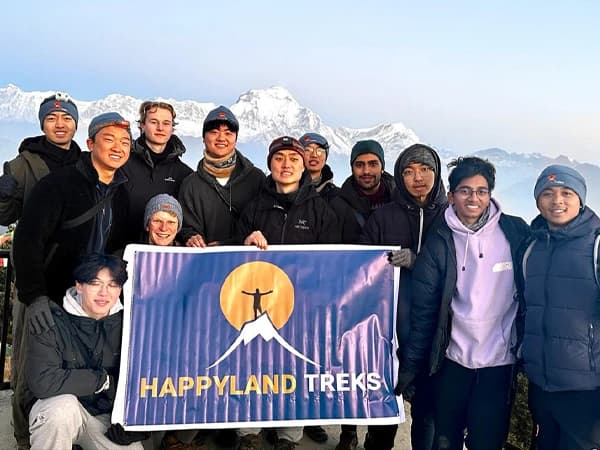
Well there are many different trekking and tour operators in Nepal for Everest base camp trek and most of them are well serviced with slightly different pricing, itinerary, and group size. well one local trekking operator agency Happyland Treks often recommended by travellers the company has received positive feedback from many travellers. experience guides, personalized service.
Ready to upload