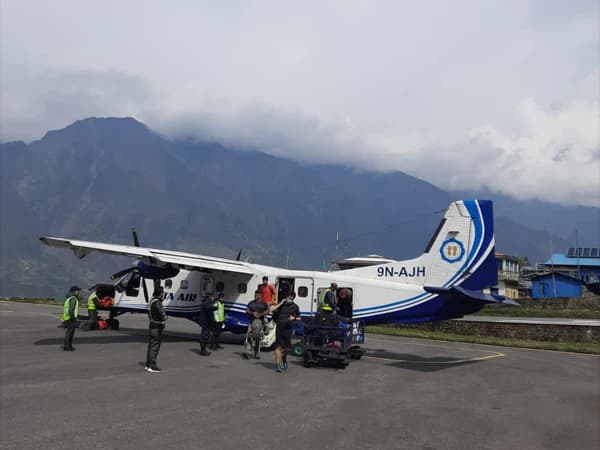
What Makes Certain Days of the EBC Trek Difficult?
''Traveler's Choice — Save $ 52''
Price from
Steep Uphill Climbs and Uneven Trails
Uphill slopes and uneven pathways are some of the major difficulties faced while taking the EBC Trek. This is because the nature of the land changes frequently from rocky paths to forest paths and stone steps as you move higher up in the Khumbu region of Nepal.
The first challenge you will face is on the climb that starts from Phakding toNamche Bazaar. After going past the Edmund Hillary Suspension Bridge, a long, rocky, and steep path begins.
The other challenge is on the climb from Thukla to Thukla Memorial on the route from Dingboche to Lobuche. The trail becomes very steep, rocky, and windy, without proper wind protection. The trek requires more effort at a higher altitude, especially on the trails around Gorak Shep and Kala Patthar, than other sections of the trek.
It is, therefore, better to take small steps as well as keep a steady pace when climbing at the various points of this trek. You should also be sure to use hiking poles and boots.
High Altitude and Reduced Oxygen Availability
Elevation increases and makes the atmosphere there thinner, meaning there is less oxygen available at higher altitudes. Therefore, climbing in places like Dingboche, Lobuche, and Gorak Shep is much tougher than walking around Phakding or Namche Bazaar, and you will feel like taking long breaths in no time, just to feel accumulated fatigue and know that a break in the middle of the walk is a must.
The altitude is crucial in the last legs of the trek. Your body requires some time to adapt. In case it ascends too quickly, it will simply get sick. People usually suffer from a headache, nausea, feeling dizzy, and tired if they ascend too much in a few days.
Thus, you should move slowly, drink a lot of water, follow a proper itinerary, and consult your guide if things go bad. If you feel worse, you should not ascend.
Cold Weather, Wind, And Cumulative Fatigue
The higher you go on the Everest Trek, the colder and windier it gets. Around Lobuche, GorakShep, and Kala Patthar, chilly winds and exposed trails can make an already tiring day feel even harder. You'll lose body heat faster, and keeping your hands, feet, and face warm becomes important, especially during early-morning sunrise hikes.
Then there's cumulative fatigue. By the time you reach the higher sections of the EBC trek, you've already spent several days walking uphill and downhill. Your legs may feel heavy, your energy levels can drop, and even a gradual climb can feel exhausting when combined with high altitude and cold weather.
The best way to handle these Everest trekking challenges is to dress in layers, carry warm gloves and a windproof jacket, eat regularly, and maintain a comfortable pace.
Phakding to Namche Bazaar: The First Major Uphill Challenge, Before and Beyond Hillary Bridge
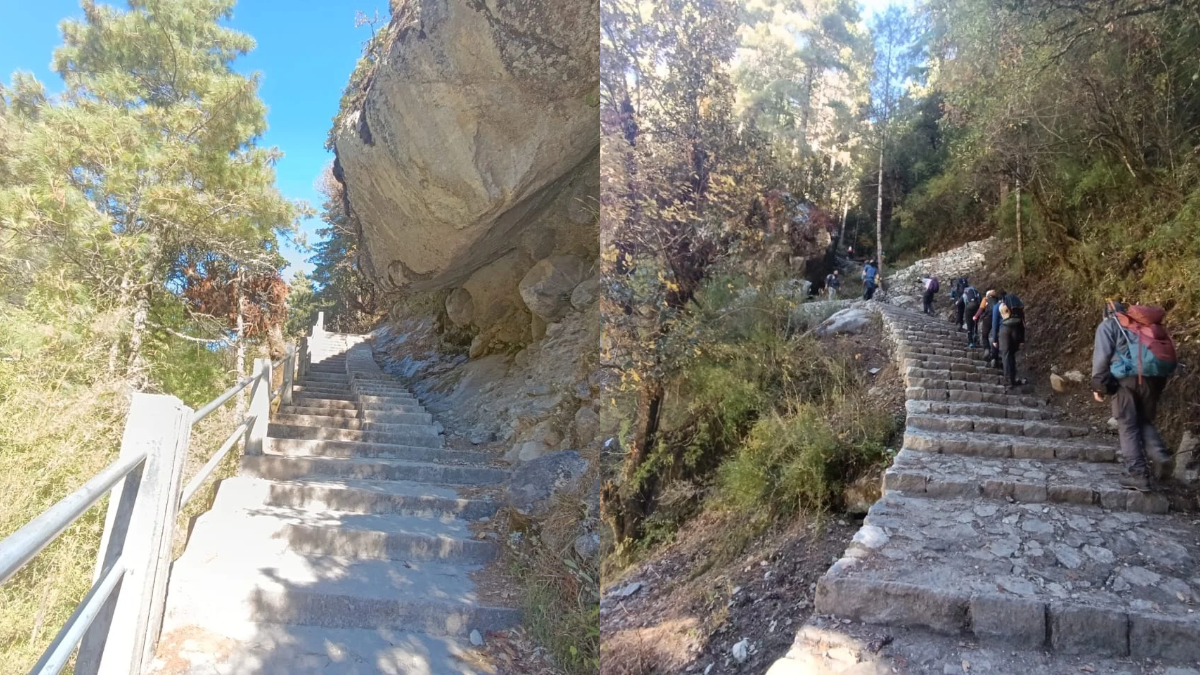
Everest trekking a walk from Lukla to Phakding is relatively easy, but after that, you realize this part of the trek is just the warm-up for more serious stuff ahead because of the long uphill walk towards Namche. First glimpse of lovely Sherpa villages through the forest path towards Dudh Koshi River, with many suspension bridges, is something you will enjoy. Of course, crossing the famous Edmund Hillary suspension bridge is also a highlight of this part of Everest trekking in Nepal which offers a tremendous view of the surrounding mountains.
Right after crossing the Edmund Hillary bridge, you have a fairly steep walk up towards Namche Bazaar. It will take 2 to 2.5 hours to get to Namche. Steep and winding trail with lots of stone steps is waiting for you, so get ready to sweat!
The good thing is that this section is still relatively low compared to the higher parts of the Everest base camp trek route. While you may have to deal with a bit of altitude, it's nothing too bad. This hike is actually pretty easy compared to others in the area. It's a forested path that is pretty much open all the way up.
So why is it a hard hike? Well, it's a steep climb. It's also your first real day of trekking in the region, so you're bound to feel a little tired after hours of hiking up mountains. It's bound to happen even if you are a fit hiker.
Dingboche to Lobuche: The Challenging Altitude Climb to Thukla Memorial from Thukla
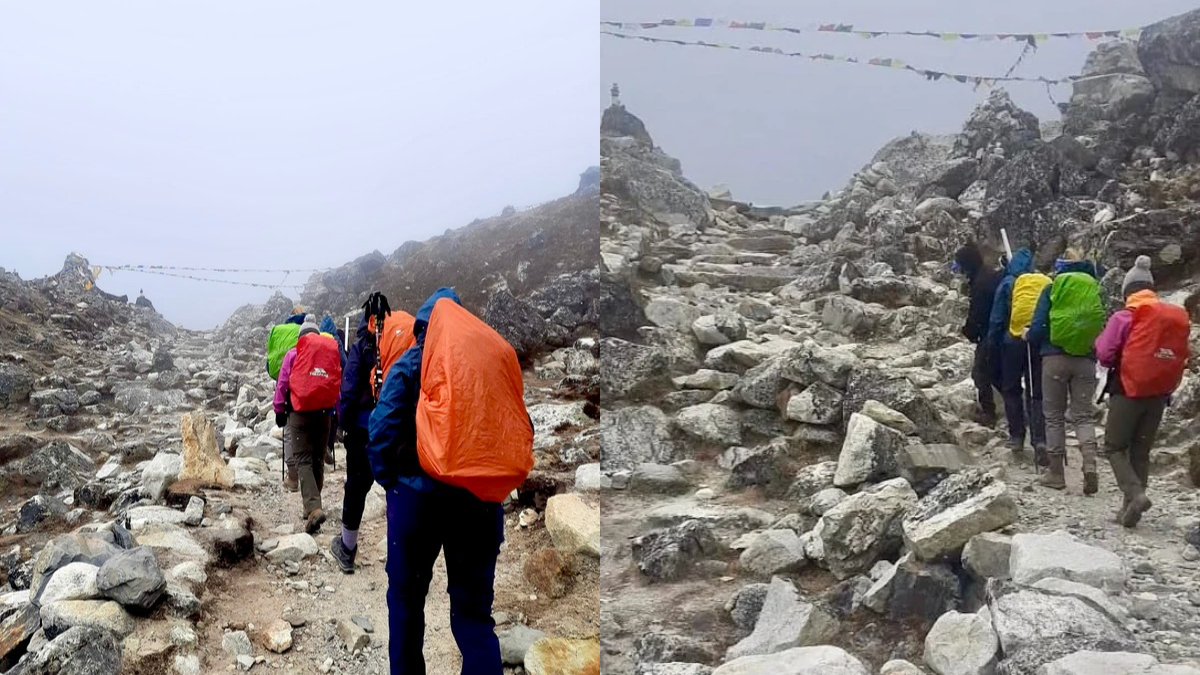
The first half of this journey is relatively comfortable, with a gradual trail through the wide, open landscapes of the Khumbu region. But after reaching Thukla (also called Dughla) and stopping for lunch, things get noticeably tougher.
After lunch, you're scheduled to begin the strenuous uphill climb to the Thukla Memorial, which is a set of stone memorials honoring those who died in the Himalayas, both climbers and Sherpas. This part of the trek takes about 1 to 1.5 hours, depending on your speed and breaks.
Whilst the trek to Namche Bazaar is through forests, the trail here is dry and rocky and sometimes quite desolate, with no trees for shade. You will be walking over loose rocks, huge stone blocks, and uneven surfaces as you gain altitude. Nonetheless, the view is magnificent.
The altitude also makes the climb tough. As you climb to more than 4600 meters, you will feel the effects of altitude and will get tired faster, even if you're quite slow on the way up.
Once you arrive at Thukla Memorial, you will see tombstones erected to climbers and Sherpas who died in pursuit of their dreams in the mountains. The reading of names and being around the memorials is very touching, as it reminds you of the price of high-altitude climbing and the bravery of those whose footsteps you are following.
Gorak Shep To Kala Patthar: The High-Altitude Climb
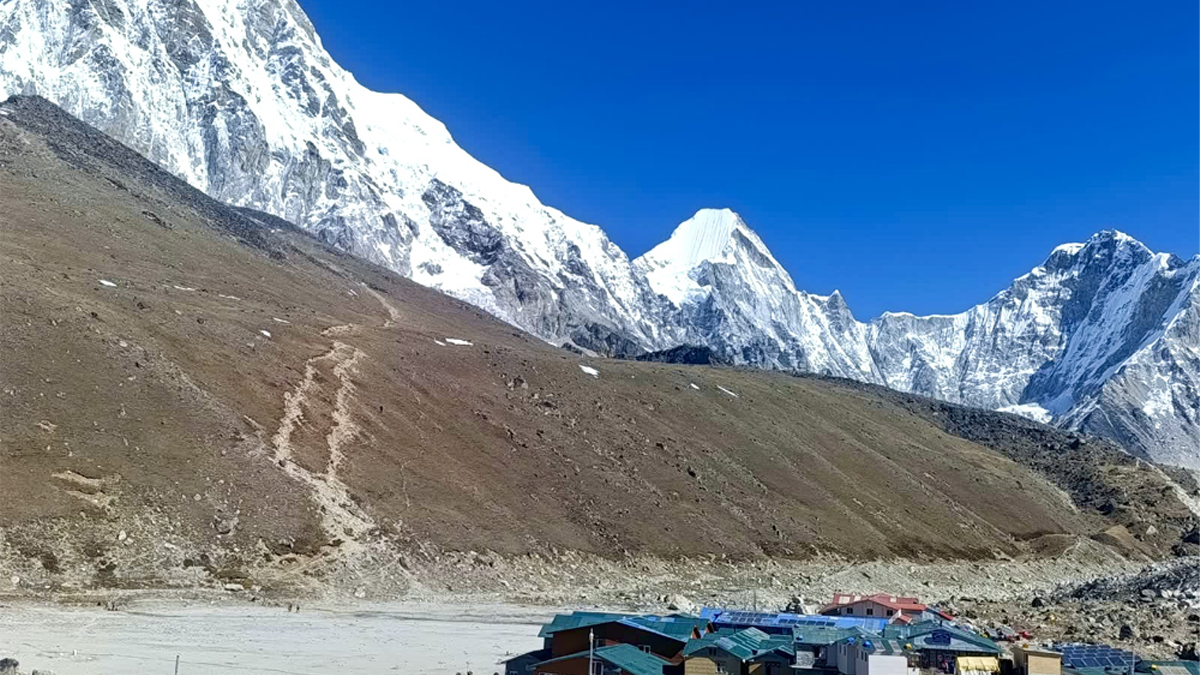
The hike from Gorak Shep to Kala Patthar is frequently considered to be one of the most challenging sections of the Mt. Everest base camp - EBC Trek due to its high altitude, cold temperatures, and the fact that it goes gradual uphill. Kala Patthar is the highest peak on the conventional EBC route, and it rises to an elevation of 5,545 meters above sea level.
The path from Gorak Shep to Kala Patthar is a gradual incline, but trying to trek at such a high altitude may be a taxing experience given the chilly climate. You may find it hard to breathe at times, especially if you are not accustomed to walking at such heights, so you’ll need to take regular breaks to catch your breath.
Cold winds add another challenge. The trail is exposed, with little shelter from the elements, and temperatures can drop significantly before sunrise and toward sunset. You'll need warm layers, gloves, a hat, and a windproof jacket to stay comfortable during the climb.
You can hike to Kala Patthar for either sunrise or sunset, depending on your itinerary, weather, and preference.
- Kala Patthar Sunrise hike: You'll usually leave Gorak Shep around 3:30 to 4 am, walking in darkness with a headlamp, and warm trekking gear. It's cold, and getting out of bed that early after a tiring trekking day can be a challenge. However, reaching the Kala Patthar viewpoint as the first light falls across Everest is an unforgettable experience.
- Kala Patthar Sunset hike: Generally, the hike starts at around 3 pm, depending on the season and the time of sunset. This option is preferred by many since it usually spares you the hassle of waking up in the middle of the night. However, the wind can be quite strong, and it gets chilly as the sun sets.
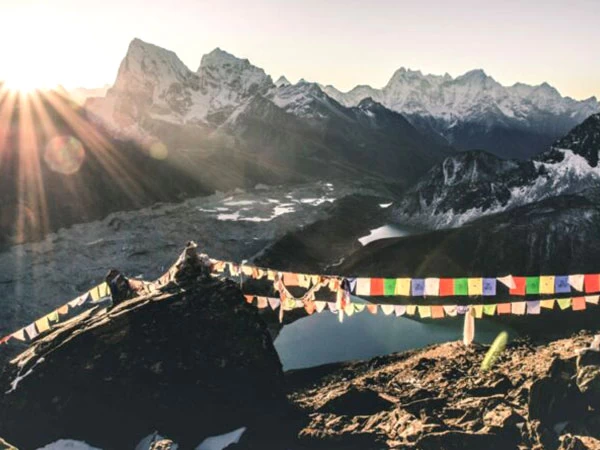
It is hard to say which hike, the one at night or the one at sunset, is easier. Both options require a good amount of effort since you will have to ascend steep heights at high altitudes. Thus, your physical fitness, the weather, and the acclimatization level will play a significant role in the outcome. The Kala Patthar hike can be strenuous, but the view of Everest, the Khumbu glacier, and other snow-capped mountains will undoubtedly keep you fascinated for the entirety of your Everest Base Camp trek in Nepal.
How Difficult is the Trek from Lobuche to Everest Base Camp and Back to Gorak Shep?
This is one of the longest and most demanding days of the Everest Base Camp Trek. You will start trekking from Lobuche to Gorak Shep, hike to Everest base camp, and return to Gorak Shep for the night. This day’s walk covers a distance of about 14 to 15 Kilometers, and it takes 7 to 9 hours to walk, depending on your hiking style and the trail’s difficulty.
The trekking trail from Lobuche to Gorak Shep passes through a rocky and barren landscape to the Khumbu glacier. After resting for a while and light lunch at Gorak Shep, you will walk towards Everest Base Camp - EBC on rough ground of glacial moraine, uneven rocky, and boulders. The trail is not mostly steep, but it is very rocky and tiring.
The most challenging part of the hike is that you will be walking at an altitude of over 5000 meters above sea level. At this height, the air contains less oxygen, making it hard for you to breathe. Therefore, you will feel very tired, even if you walk slowly compared to how you would walk at lower altitudes. By this stage, you've also spent several days trekking, and that accumulated fatigue starts to catch up with you.
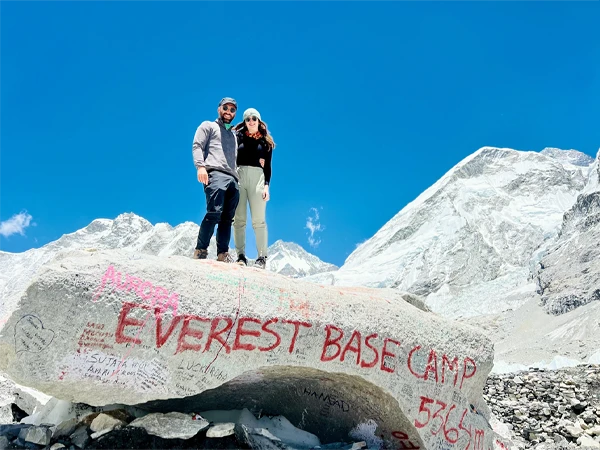
Reaching Everest Base Camp is an incredible moment, with views of the Khumbu Glacier and Khumbu Icefall making the effort worthwhile. However, don't underestimate the return journey to Gorak Shep. Your legs may already be tired, and crossing the same rocky terrain again can feel surprisingly demanding.
How to Prepare for the Difficult Days of the Everest Trek?
- Make sure to start doing lots of walking, hiking, climbing steps, and performing cardio a few weeks prior to the trip, and also bicycle if possible.
- While it is important to know that slow and steady is the key when hiking at altitude, especially in the presence of steep climbs. Rest periodically during uphill climbs, especially to Namche Bazaar and Thukla Memorial.
- Your body is not used to an altitude yet, so make sure you follow the itinerary timetable properly and do not push yourself too hard.
- Wear warm clothes because it may get quite chilly, for example, in Lobuche, Gorak Shep, or Kala Patthar.
- It is advisable to wear comfortable hiking boots that are already broken in.
- To help your body to gain energy during the hike, drink a lot of fluids and eat properly.
- Using trekking poles may help take the pressure off the knees during long hiking days.
- Feed your body properly and sleep well for successful hiking.
- It is normal to feel tired, but don’t ignore other signs of altitude sickness, such as headache, nausea, dizziness, or feeling tired. In case you feel any of these symptoms, let your guide know and seek assistance at once.
FAQs
How hard is the Everest Base Camp Trek?
The Everest Base Camp trek is relatively not difficult. However, it can be moderately to highly strenuous for some people depending on your level of fitness, pace, and acclimatization.
Which part of the EBC Trek is the most difficult?
The steep climb to Namche Bazaar, the uphill walk to the Thukla Memorial, and the high altitude hike to Kala Patthar are some of the most challenging parts of the trek, each for different reasons.
Is Phakding to Namche Bazaar the hardest day?
It's one of the first major challenges, with a sustained uphill climb after the Edmund Hillary Suspension Bridge. However, altitude is generally less of an issue here than on the higher sections of the trek.
Why is Dingboche to Lobuche challenging?
The most difficult part of the trail is the rocky climb up to Thukla Memorial. The lower pressure caused by the altitude makes every step a tough one as you walk above 4,000 meters. And the emotional experience of visiting the memorial site makes it unforgettable.
Is Kala Patthar more strenuous than the Everest Base Camp hike?
The Kala Patthar trek can be more challenging compared to the EBC due to chilly winds and high altitude. The trail to Everest Base Camp is also strenuous, with uneven rocks and ups and downs on the Khumbu Glacier.
Can beginners complete the EBC Trek?
Yes! Beginners can achieve success within their trek by being well-prepared, setting out a plan, getting enough acclimatization, and keeping a normal pace.
Are there any tough days in the Everest trek?
The tough days in the Everest trek are Phakding to Namche Bazaar trail between Hillary Bridge to Namche, Trek Dingboche to Lobuche the trail between Thukla to Thukla Memorial, and from Gorak Shep to Kala Patthar.
What day has the highest altitude in the EBC trek?
The hike to Kala Patthar reaches the highest altitude of any other point on the classic EBC trek.
How long do you walk in the difficult days of the EBC Trek?
On the Phakding to Namche Bazaar and Dingboche to Lobuche days, you may walk about 5 to 7 hours. The Lobuche to Everest Base Camp to Gorak Shep is about 7 to 9 hours. Whereas the hike to Kala Patthar is a short one of about 2 to 3 hours.
Is the Everest Base Camp trek difficult in high altitudes?
It is harder to walk at high altitudes as the amount of oxygen in the atmosphere decreases.
What mountain is the most difficult in the Everest Trek?
The Everest trek is the hardest in the areas around and between the height camps of Gorak Shep, Everest Base Camp, and Kala Patthar.