Why This 6-Days Everest View Trek from Kathmandu is Perfect for Short Trips?
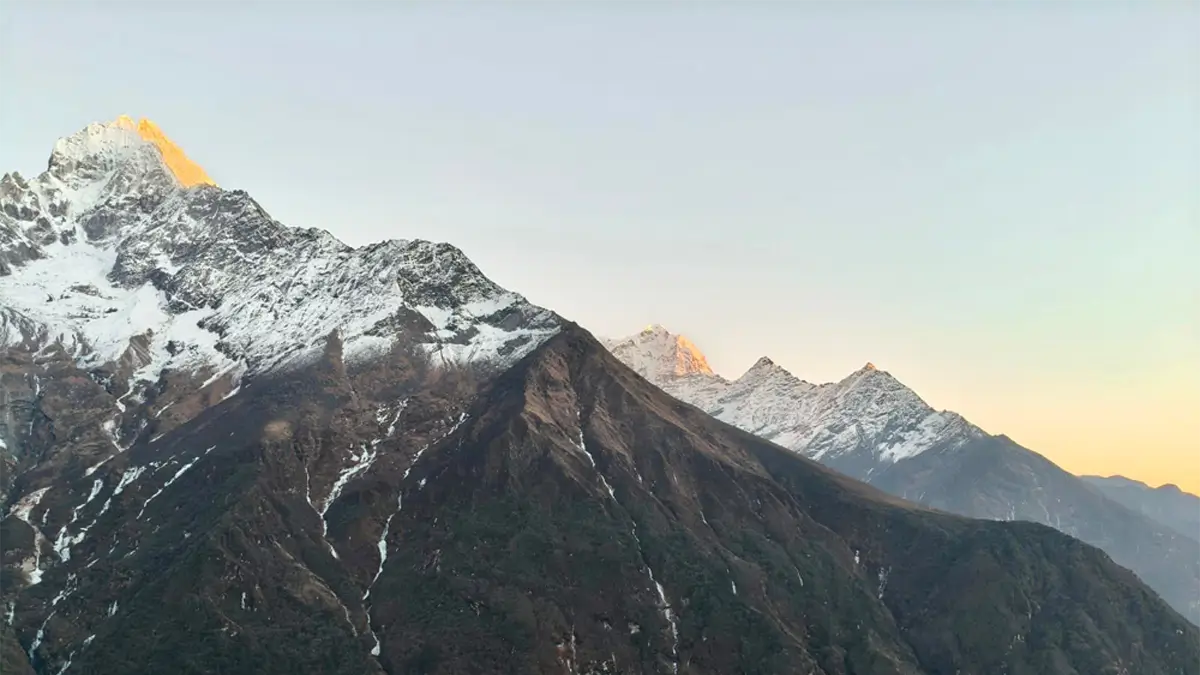
Half a week trekking from Kathmandu to Everest view lands right where few trips do. Long enough for genuine mountain immersion, but brief enough to fit between work dates without needing extended time away.
Imagine standing where the air thins, eyes tracing paths through stone-walled trails, and witnessing stunning peaks rise close enough to feel their silence. This happens without vanishing for weeks on a two-week trek toward base camp. A brief journey delivers what usually takes much longer.
What really makes this trek shine is how fast it throws you into the action. First, the tangled streets of Kathmandu swirl around you.
Then, without pause, a small aircraft lifts you toward Lukla. Moments later, boots meet trail at the edge of the high mountains within hours, you hit rugged paths, crossing swaying bridges, thick pines, and sharp summits cutting into the sky. The journey centres on spotting Everest, not reaching dangerous heights.
Reaching moderate altitudes still brings stunning sights of Everest, Lhotse, Ama Dablam, Kongde Ri, Thamserku, Khangteka, and Tabuche. Key spots like Namche Bazaar and the Everest View Hotel offer some of the best moments. You won’t stand at Base Camp, but honestly? The spirit of the Everest area finds its way to you anyway.
4 - 6 hrs walking each day keep things light. Paths stay clear thanks to regular upkeep. Rest spots pop up often with Sherpa villages, Buddhist monasteries fluttering with prayer flags, and stacked mani stones etched with mantras. Culture also shapes each step. Mountains frame every turn.
Put simply, this trek suits anyone stepping into the Everest area for the first time. Towering peaks rise all around, yet the walking stays reasonable. Each turn offers sights that stick in your mind long after. By the time your muscles begin to protest, you are already back where you started.
NOTE: Probably you are wondering how I get Ramechhap from Kathmandu?
Well, yes, great questions. You need to know that:
From Kathmandu to Ramechhap, you need to catch the shared Haice transport from Thamel Sanchaya Kosh, near the Garden of Dreams. The time 1:30 am, will depart from Thamel, so please be at the transportation stand in Thamel, Sanchaya Kosh, before 1:30 am.
If you’re planning to go by any private transport, you can leave at 1:30 – 1:40 am, and they will pick you up from your hotel.
Complete Kathmandu to Everest View Trek 6 Days Itinerary
Short Itinerary
Day 1: Kathmandu to Ramechhap drive and flight to Lukla and trek to Phakding (2640m) the same day.
Day 2: Trek from Phakding to Namche Bazaar (3440m) via Hillary Bridge
Day 3: Namche Bazaar to Hiking Hotel Everest View. (3880m)
Day 4: Trek from Namche Bazaar to Phakding (2640m)
Day 5: Trek from Phakding to Lukla (2860m)
Day 6: Flight from Lukla to Ramechhap Manthali Airport and drive to Kathmandu.
Flying to Lukla via Ramechhap: Early Mornings & Tiny Planes
Flying to Lukla via Ramechhap is where the Kathmandu to Everest view trek officially stops being normal and starts being legendary. Morning air bites when you shuffle through Ramechhap’s quiet dark, eyes on a speck of light in the sky. That speck? A small aircraft waiting to carry you toward jagged peaks instead of city streets.
As you board the flight, mountains rise without hesitation as cloud layers peel back just enough to reveal icy slopes below. By the time the tires touch Lukla’s sloped runway, you will feel at ease.
Flying into Lukla often means landing at Manthali instead when trails get busy in spring or autumn. During these busy times, the planes push out of Kathmandu to make room. Travelers head east toward Ramechhap as a workaround during crowded months.
Four hours past midnight, the road climbs away from Kathmandu: rough turns, high drops, 130 kilometers of dark curves. Tired? Most people are at that hour. Still, Ramechhap opens a shortcut straight into the Everest skies.
Early light brings planes to Manthali Airport, tucked amid hills where mornings are short and skies unpredictable. You won’t find polished waiting rooms here, just wooden benches under tin roofs. As usual, flights start from Ramechhap to Lukla at 6:00 am, slipping through gaps in the weather
Things may get delayed. That is just how it goes sometimes. The weather in Nepal does what it wants. The mountains do not answer to anyone.
That ride through the air lasts just thirteen minutes but feels like something out of a dream. Over there, the aircraft slips past mountain slopes, opening up sudden sights of green lower ranges and distant white summits. You spot them just before touching down at Lukla, where most treks toward Everest begin.
How Difficult is the Kathmandu to Everest View Trek in Nepal?
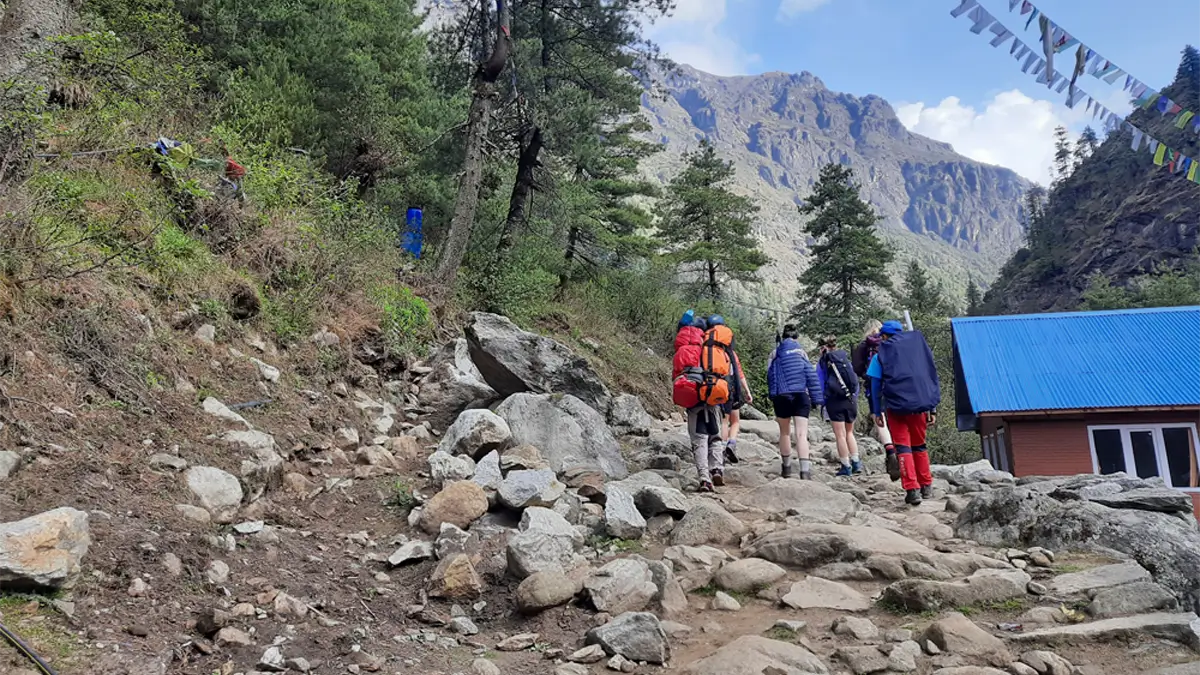
What makes the trek from Kathmandu to Everest View stand out? It's rated easy to moderate, perfect for those stepping into high-altitude hiking for the very first time. That balance pulls in crowds who want a taste of mountain trails without extreme demands.
Most of your walk stays under 3,900 meters, giving you space to breathe while still chasing grand mountain scenes. Peaks like those near Tengboche and the Everest View Hotel rise above, offering front-row seats without needing a summit bid.
Instead of climbing gear or icy faces, picture steady steps along clear paths cut through alpine quiet. Trails are simple with solid ground. Fresh air fills each step, with trails that flow easily underfoot while your body adjusts without fuss.
When stairs and walking don’t bother you, this path turns effort into something satisfying. New to uphill trails? You will work hard, though the scenery tends to pull your mind off tired legs.
Footing turns harder now and then when paths turn slick under rain or frost, especially if you are out walking through monsoon dampness or winter's chill.
Here’s the key thing: rushing gets you nowhere. Move quickly up a hill, plus you will burn out before halfway. Take it step by step, sip water now and then, notice what’s around you; pace finds its own rhythm after a while.
This walk keeps you moving, yet it’s well within reach. Breathing may get heavy at times, slight signs of height could show up too, still, both fade with a calm rhythm and basic care. Not every journey here needs mountain-hard breathing strength, just steady steps count.
Altitude, Acclimatization, & How Not to Ruin Your Trek
- Trek step by step if you want steady power. Move too fast toward high peaks and your system might rebel, so only climb 400 to 800 meters each full day. That way, your muscles, lungs, and blood adjust without chaos.
- Follow the principle: "climb high, sleep low." Drop lower when night comes, rest better that way. Smart moves mean sleeping at a gentler altitude, even if your feet went far above.
- Your body gets stronger on acclimatization days. Think of them as prep moments before climbing further.
- Stay hydrated. Aim for four or five liters water every day since high-altitude air pulls moisture out quicker than most notice.
- Steer clear of booze, cigarettes, tobacco products, nicotine patches, vaping devices, sleep medications like sedatives or hypnotics; these interfere with how your body takes in oxygen while also increasing fluid loss.
- Fuel your body right, skip the extras. Stick to meals that pack energy.
- Your body speaks true, pay attention. When headaches arrive, along with nausea or a spinning head, that means altitude is talking. Slow your pace when tiredness hits hard. Rest instead of pushing.
- Try some medication, but only after consulting and checking with your regular doctor.
- Start light, but pack what matters. Think twice about hydration, bring a reusable bottle along with electrolyte mixes. Footwear makes a difference; choose sturdy hiking boots without fail. Toss in a pulse oximeter too; it quietly checks your body's response at height.
- Start loose, stay calm. On the Everest view trek through Nepal, it is the peaks that matter most. A relaxed rhythm brings more joy along the path.
When is the Best Time for the Kathmandu to Everest Panorama Trek?
(The main things about the weather in the Himalaya mountains can change at any time)
Spring shows up strong from March to May. Then comes autumn, hanging around September through November. These months rule the trails near Everest. They bring steady skies. The weather behaves most when these two seasons take turns.
And nowadays December offers a great clear mountain view in the Himalaya in Nepal.
June is the starting month of the monsoon and it’s very less crowded in the mountains. You will experience cloudy, misty, pleasant warm, lush green landscape in the lower elevation which is like Everest view trek. So, June is also not a bad month for the Everest view panorama trek in Nepal.
Midway along a trail, the air turns sharp and still. That is when Everest decides to appear. Skies stay open, without clouds blocking the peaks. Temperatures sit neither hot nor cold, just right for walking.
When autumn arrives, everything lines up perfectly. Picture steady skies, paths that stay dry, air so sharp it wakes you up, plus mountain views; Everest, Lhotse, even Ama Dablam.
The cold never bites hard, yet you won’t be wiping sweat either. For anyone chasing a solid chance at seeing those peaks without guesswork, this season delivers every time.
Spring brings soft warmth, mornings sharp and bright under pale skies. Hills ignite with wild rhododendron bursts, sudden patches of red and pink along the trails. The air tastes clean here, thin but alive, carrying pine and dust. Views of Everest hold steady at dawn, crisp enough to count snow ridges.
As for winter, it brings a chill, and is yet manageable. Trails grow silent, people stay away. Cold bites deep when the sun goes down. But it is not ideal for everyone
Monsoon, however, is a no-go. Skies stay wrapped in gray layers. Delays pile up at airports. The peak vanishes as clouds cover it completely. Far from perfect conditions.
Right now, choosing times such as late February, early June, or just before December might suit someone who dislikes crowds. Weather tends to shift without warning then, yet paths feel more open, while scenery often delivers quiet shocks.
Kathmandu to Everest View Trek 6 Days Cost & Permits (Where Your Money Goes)
Let’s talk about money, because even Himalayan dreams need a budget. The Kathmandu to Everest view trek 6 days usually costs USD $ 1,100 to 1,500 per person, Exact cost depends on the services that you ask and the tour operator provides. with around USD 1,297 being the sweet-spot price for a standard group trek or private trek.
That’s pretty much industry standard pricing for a short Everest region adventure, and honestly, it’s good value for what you get.
This cost typically covers the essentials: airport pickups and drop-offs, road transport, domestic flights to and from Lukla (via Ramechhap), tea house accommodation, all meals on the trek, an experienced licensed guide, required trekking permits, and all government and local taxes.
Normally we’re providing jobs to our guides and porters from the local remote communities like they were born and raised in the Himalaya region.
Trekking with a local operator makes for easy travel. And all your necessary permit guides will keep it during the trek like check-in, check out, and at the end of the trek you will get it. keeps you on the right trail, manages safety, and adds cultural context, plus, they know when to slow you down before your legs start negotiating with your brain.
Porters are optional, but highly recommended unless you enjoy hauling your backpack uphill for fun. Personal expenses like hot showers, WIFI, charging, snacks, drinks, tips, and travel insurance are extra, so keep a little buffer cash handy.
Permit-wise, you will need the Everest National Park Entry Permit and the Pasang Lhamu Rural Municipality Permit, both usually arranged by your operator. Bottom line? Booking with a reputable trekking company saves you time, and less stress.
Accommodation and Food on the Mount Everest View Trek Route
Food and accommodation on the Mount Everest view trek route much aren’t fancy, but that’s exactly the charm. You will rest up in old-style tea spots and huts tucked into the hills with neat spaces, warm inside, built just right. These shelters offer a bed, meals, and a chance to sit with others who’ve walked far.
There is a normal room, and nowadays also an inside bathroom and some of the inside bathroom with a warmer blanket also along the trek to Everest view but those rooms are extremely expensive warm blankets with hot showers in the same room.
Most rooms have two single beds, along with cozy blankets and soft pillows; bathrooms are typically shared. Moving up means simpler setups, more people around, yet it stays cozy, just right for resting well after long hours on your feet.
Lodging gets cozier in larger villages, take Lukla, Phakding, Namche Bazaar, for instance. Private rooms pop up now and then.
After hours on uphill, downhill, bridge, and local village trails, paying a little for hot water beats any fancy resort. Don’t expect five-star hotels, but do expect warm hospitality and mountain vibes that no hotel can fake.
Meals are available on the menu you can choose, many different items, and hot and cold drinks in every lodge or guest house in the mountains in the Everest trek.
Mornings start with toast or maybe pancakes, sometimes porridge, muesli, eggs, Tibetan bread, chapati, set breakfast, rosti egg, or even French toast. By midday or evening, most people eat what they know: Dal Bhat-Dal Bhat is traditional Nepali food leads here, ahead of fried rice, momo, noodles, soups, sandwiches, pasta, pizza, spaghetti, fry potato, curry with rice, or quick veggie stir-fries.
Warming drinks wait in the wings: milk tea, black tea, a cup with ginger and lemon, spiced masala brews, coffee, even hot chocolate. Alcohol might not be good at altitude.
Here’s something useful. Pack a few snacks or energy bars if you are trekking far between tea houses. A small bite helps when meals are late.
Everest View Trek vs Everest Base Camp Trek: Short Trip vs Big Mission
Think of the Everest view trek as the “sampler platter” of the Himalayas: short, sweet, and satisfying. In just 6 to 7 days, you get jaw-dropping panoramas of Everest, Lhotse, Tabuche, Kangtega, Thamserku, and Ama Dablam without even touching Base Camp.
Altitudes stay moderate around Namche Bazaar and the Everest View Hotel, so you dodge most severe altitude headaches. Perfect for beginners, busy travellers, or anyone who wants Everest vibes without superhero stamina. Plus, it’s lighter on the wallet and easier on the legs.
Now, the Everest Base Camp Trek? That’s the full Himalayan feast. Over 12 to 14+ days, you climb higher (up to ~5,364 meters), trek longer daily sections, and fully immerse yourself in the Khumbu wilderness. This one demand endurance, careful acclimatization, and a fair bit of grit, but the payoff is standing near the legendary Base Camp itself.
Both treks let you experience Sherpa culture, visit villages, and soak in Himalayan life, but EBC takes you deeper, literally and figuratively. Costs are higher, effort is bigger, but the adventure is massive.
So, here’s the scoop: if you want a short Himalayan fix with epic views, good culture, and zero burnout, go for the Everest view trek. If you are ready to commit, chase high altitudes, and embrace a two-week Himalayan mission, the Everest Base Camp trek is your Everest-sized challenge.
Is the Kathmandu to Everest View Trek Worth it? Final Thoughts
Absolutely yes, and here’s why. The Kathmandu to Everest view trek is like the VIP pass to the Everest region: all the drama, beauty, and mountain vibes without committing to a 2-week grind.
You get jaw-dropping views of Mount Everest, Lhotse, and Ama Dablam from iconic spots like Namche Bazaar, Tengboche, and the Everest View Hotel, and trust me, those panoramas stick in your brain long after you are back in Kathmandu traffic.
It’s short, sweet, and ridiculously doable, making it perfect for first-time trekkers, busy travellers, or anyone who wants the Everest experience without losing a fortnight of life. The trails are manageable, the daily walks are satisfying but not soul-crushing, and the tea houses and villages along the way give you a taste of Sherpa culture and Himalayan life.
In other words, this trek packs big mountain memories into a tiny time frame. You will finish feeling proud, relaxed, and maybe even smug about sneaking in one of Nepal’s top trekking experiences without the extreme altitude headaches or marathon effort.
FAQs
Is this Everest View Trek good for beginners?
Yes, the Kathmandu to Everest view trek is perfect for beginners, or even the experience trekkers, offering moderate trails and stunning Himalayan views without extreme altitude challenges.
Can you actually see Mount Everest on this trek?
Absolutely! The Everest Panorama trek provides breathtaking Himalaya views include Mount Everest and surrounding peaks, from the Namche Tenzing Norgay statue and the Everest View Hotel.
Do i need a guide for the Everest view trek?
Well, hiring a guide is a way to travel with easy access to experience their knowledge about nature, culture, and the Himalayas. Being safer and secure with giving jobs to the local people is anyway good to support local people here.
Is the Lukla flight safe?
Lukla flights are generally safer and early morning flights from Kathmandu or Ramechhap offer the best visibility for a thrilling Himalayan view.
How is this different from the Everest base camp trek?
Unlike the Everest Base Camp Trek, the Everest View Trek is shorter, easier, and designed for those seeking spectacular Everest views without a long, high-altitude expedition.
What is the elevation of the Everest Panorama tour?
The Everest panorama trek reaches around 3,880 meters at the Everest view hotel, offering high Himalayan views without extreme altitude.
Which permits are needed for the Everest view trek?
You will need the Everest National Park entry permit and the Pasang Lhamu Rural Municipality trekking permit for this Everest region trek.