Langtang Himalayas National Park Conservation in Nepal
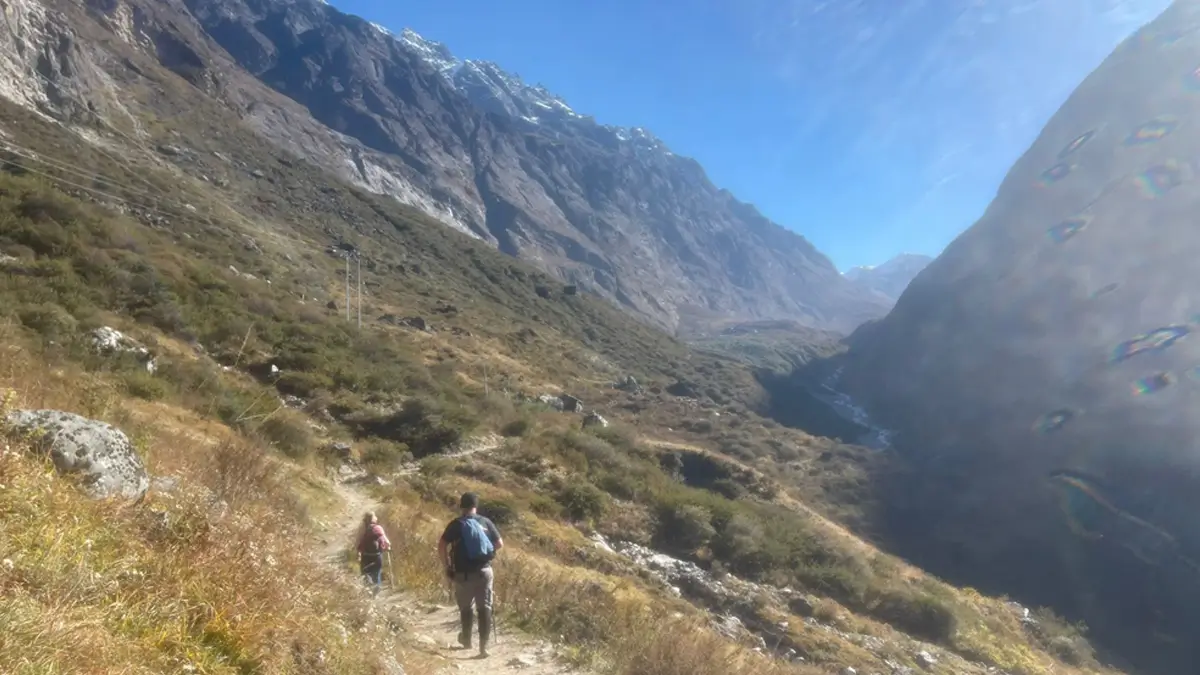
Every step here stays raw because of how Nepal protects Langtang National Park. Spread over nearly 1,710 square kilometers through Rasuwa, Nuwakot, and Sindhupalchowk, it holds close to each trail that cuts through the Langtang Himalayas.
Step by step, your journey unfolds through a key protected areain Nepal. This place, set aside in 1976, marked the country's debut Himalayan national park. Its purpose? Shielding forests, animals, and greenery unique to the land. From beginning to end, you walk within its guarded borders.
Far from being merely a tree-saving effort, the area safeguards vital watersheds. These supply major rivers, Trishuli, Melamchi, and Balephi, with clean flow. So, every step you take helps secure water for homes, farms, and even power stations downstream. Your presence becomes part of something wider without making a sound.
Money from your Langtang National Park pass stays close to home. Locals help run the place. Responsibility spreads across community members who shape how the park moves forward. Fees collected go right back into projects that last. That cash does not disappear without a trace. Instead, it grows things people need.
Money from treks pays for nature projects, backs classrooms and roads, while also making sure visitors do not overwhelm the area. Simply put, walking these paths means the place stays standing.
Out here, paths wind past trees that have stood long before names were given. A cup of tea at a roadside hut feed more than hunger; it keeps traditions alive.
Voices echo between hills where yaks graze above tree lines carved by seasons. Each footstep brushes soil held together by roots and memory. Money spent on a guide does not vanish; it returns as schoolbooks, tools, and warmth.
Rivers hum beside trails, shaping stone just as people shape survival. Meals served on cracked plates carry flavors grown in thin mountain air. Homes cling to slopes like lichen, and life moves slowly. It’s conservation you can actually see, feel, and be part of.
Syabrubesi and Dhunche, Your Gateway Trekking to Langtang Himalayas, Nepal
Dhunche is the trekking gateway entrance to the Langtang Gosainkunda Lake trek.
Suddenly, Syabrubesi marks the shift; trekking plans turn into footsteps on stone. Above the treeline in Nepal’s Rasuwa District, this small village marks where roads end and footpaths begin.
Out there, paths slip into Langtang National Park, taking shape as the famous trek along Langtang Valley or weaving instead through the traditions of the Tamang Heritage Trail. Now the sky seems changed: lighter on breath, crisper in touch, somehow more present.
Something about arriving here clicks into place, with checkpoint vibes. Guides show up. Porters too.
Also, the Bhote Koshi meets the Langtang Khola, which is Syabrubesi: simple, yet full of quiet beauty. Hills are covered in trees rolling into river cuts, terraced fields step down slopes like stairways. On crisp mornings, Ganesh Himal slips into view with peaks of Langtang hovering far beyond.
Floating prayers hang between houses where the Tamang live, their voices quiet under mountain skies. A rhythm of bells and chants moves through narrow paths. You will see colors tied to poles catching the wind near doorsteps. Peace settles like dust after a long walk here.
A first night spent at this height, about 1,550 meters, gives your system time to adjust; the peaks may welcome you gently, yet altitude sickness shows no mercy.
Trekking Through Langtang Villages in Nepal
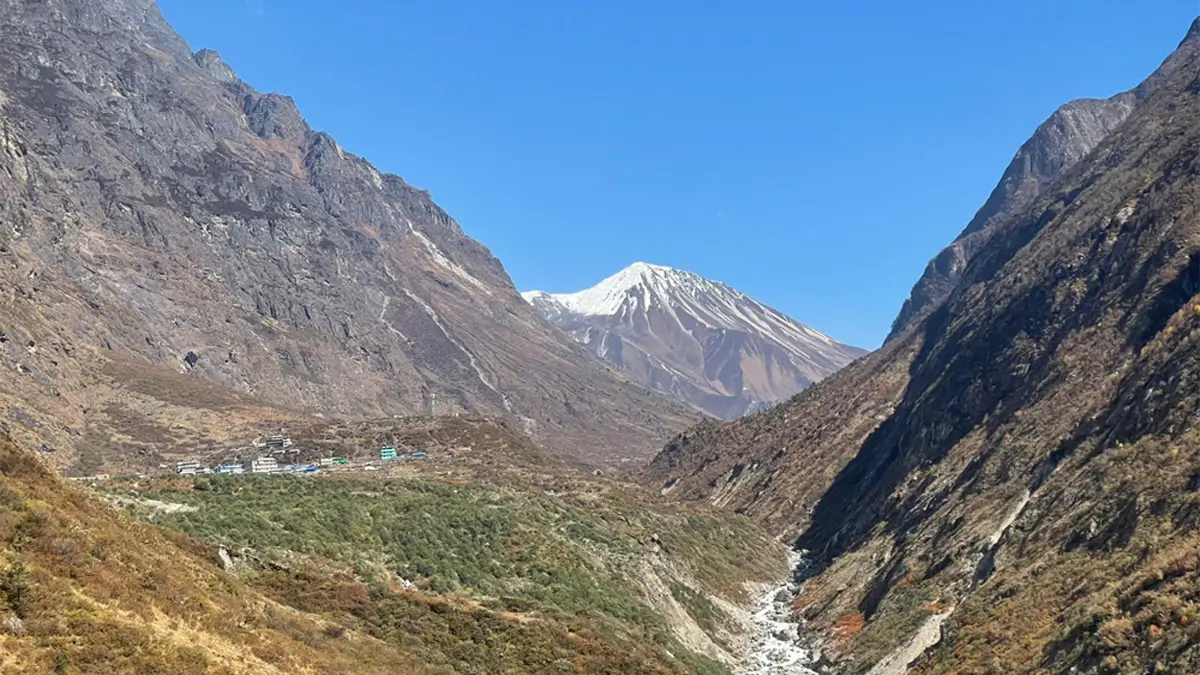
Wandering among Langtang's villages in Nepal? It’s like stepping into pages of an old tale, each one whispering secrets. Life moves in these villages without hurry here, as simple routines unfold just beyond a wooden gate or smoke curling from a roof.
Rimche or Lama Hotel (2,380 Meters): Gateway to the Bamboo Forests
Lama Hotel is a cozy cluster of family-run tea houses hiding deep inside Langtang National Park, and honestly, that’s the charm. This is your first real Himalayan pause button after leaving Syabrubesi, where legs get tired, lungs start negotiating, and hot dal bhat tarkari suddenly tastes elite.
Sitting at around 2,380 to 2,470 meters, Lama Hotel works perfectly as a natural acclimatization stop on the Langtang Trek. The trail into Lama Hotel is pure forest-core energy. On quiet mornings, you might spot langur monkeys or Himalayan monal pheasants.
If the weather’s feeling generous, distant peaks like Langtang Lirung and Dorje Lakpa peek above the treeline, just enough to remind you why you are here. On top of it, with the Tamang culture, prayer flags, mani walls, and that enclosed, wild jungle vibe, Lama Hotel becomes more of your official welcome into the Himalayas.
Langtang Village (3,430 Meters): Heart of Tamang Culture Amid Majestic Peaks
Here, trails turn quiet, then meaningful. Nestled within Langtang Valley lies a place shaped by rhythm, not routine. The Tamang people live here, their days guided by customs rooted in Tibetan Buddhism. This village speaks through gestures, smoke from rooftops, and prayer flags fluttering above stone houses.
Floating above the trail, prayer flags flutter beside stone carvings covered in sacred words. Locals move through their day, steady and unhurried, while shadows shift across the path.
Rest settles into these stones, and bodies recover here before climbing higher. Across the gorge, Langtang Lirung stands sharp against the sky.
A tremor shook it apart back in 2015, yet people returned, shaping the walls again. Though fewer homes stand here today, the air hums with something steady. You step in, not as a visitor but a neighbour.
Kyanjin Gompa (3,870 Meters): Base for Himalayan Adventures
Up here, where the air gets thin, this village stands as the last real stop before true mountain wilderness begins. Kyanjin Gompa gives its name to the area that dates back hundreds of years. Spiritual energy lingers in the stones, carried on chants and prayer flags fluttering above rooftops.
Prayer flags snap around you. Paths edged with mani walls wind through the quiet. Monks hum low chants nearby. Butter lamps flicker beside rising coils of incense smoke, and stillness settles in. A strange ease eases fatigue, even when steps grow heavy here.
Out here, adventure kicks off with hikes to Kyanjin Ri or Tserko Ri, with glacier trails, meadows thick with yaks, the kind of scenes that flood travel feeds. Towering peaks such as Langtang Lirung, Dorje Lakpa, Gangchenpo, and Yala Peak line up across the horizon.
Halfway through a quick walk, maybe pausing at a quiet temple, then later standing near vats of aging yak cheese, you begin feeling how deep the Langtang peaks pull into your bones.
Langtang After The 2015 Earthquake in Nepal
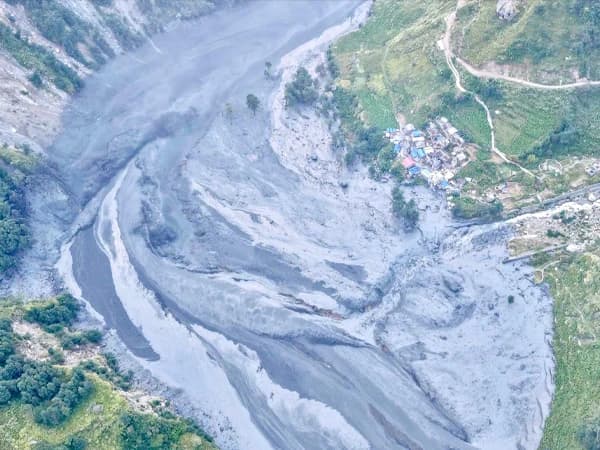
A quake measuring 7.8 hit Nepal's mountains in April 2015, catching every village off guard. From heights like Langtang Lirung, tons of ice and rubble broke loose when the ground heaved beneath the Himalayas.
Faster than a breath, Langtang Village along with smaller homes around it vanished beneath rubble. Homes, tea houses, and community buildings vanished, trails were blocked, supplies ran low, and the valley fell eerily silent. For a while, Langtang felt frozen in time.
But here’s the part that matters most: Langtang didn’t quit. Folks here decided on rebuilding rather than leaving, shifting the settlement a bit eastward. From broken pieces came fresh houses, places for tea, classrooms, health spots, stupas, each piece added over time.
Now past 2017, trails slowly opened again; visitors came back, bringing steady support. Life moves forward here, not loudly, yet clearly seen in daily routines. To walk Langtang is to see strength grow from loss, one footfall at a time, where mindful journeys help those who shaped renewal themselves.
Highest Trekking Altitude Point of the Langtang Himalayas Nepal
Picture yourself trekking through Nepal's Langtang region. Here, Tsergo Ri 5033m waits at the top, often called Tserko Ri by locals. This peak marks the upper edge of what regular trekkers can climb. No ropes or crampons needed here.
Up there beyond every trail branching off the Langtang path, it stands taller, though Langtang Lirung looms overhead, undisputed. Reaching Tsergo Ri means effort, long hours on steep ground; this peak comes through grit, not ropes or ice axes.
Leaving Kyanjin Gompa behind, this walk usually fills up 4 to 7 hours there and back, maybe longer if your feet keep pausing for snapshots. Up ahead, the path climbs hard over loose stones, twists through gusts, throws snowflakes now and then; nature here speaks without saying a word.
Headaches might hit if your body hasn’t properly adjusted. Yet make it to the summit, then suddenly those peaks wrap around you like a slow reveal: Langtang Lirung, Yala Peak, Dorje Lakpa, Langshisa Ri, and when the air clears just right, Shishapangma appears across the border in Tibet.
Kyanjin Ri (4,773 Meters): Best Viewpoint of Langtang Lirung
Now here’s a peak worth every step, Kyanjin Ri waits just above Kyanjin Gompa like a quiet reward. Not hard to climb, yet unforgettable once you are there.
Because suddenly Langtang Lirung fills your eyes, huge and near, impossible to ignore. This spot? It turns breathless into beautiful without trying.
Halfway up, you hit a viewpoint at about 4,300 meters, good for taking it slow. The higher peak waits at 4,773 meters, where air runs thin and courage matters more.
Above, the path winds upward, 3 to 4 hours there and back. With every step higher, green slopes fade beneath you. Ice fields appear at the edges of sight. Breathing changes here; it pulls tighter, nudges rhythm, whispers patience through each inhale.
Floating above everything, you are slapped by raw mountain theater, with Langtang Lirung, Yala Peak cutting sideways, while Dorje Lakpa looming beyond. Wind howls through the ridgeline here, freezing skin, rattling bones.
Icefalls dangle like broken glass near quiet yak meadows curled inside ancient glaciers’ scars. Yet few spots on this trek punch so hard into your memory once seen.
Side Trip to Langshisha Kharka (4,285 Meters)
Big views wait at Langshisha Kharka, a spot for those who prefer peace on the trail. Heading east from Kyanjin Gompa, this hidden path opens into vast meadows where yaks wander without fences. Few travelers come here, so silence settles deep. The land stretches flat under open sky, untouched by noise.
High up in the Langtang Himalayas, this trail stands out for its raw beauty. Wild scenery surrounds you, yet somehow stays peaceful. Though the path stretches far, the pace lets your breath stay steady. Instead of steep climbs such as Kyanjin Ri or Tsergo Ri, this route takes things slow.
Picture open meadows, rivers born from ice, quiet mountain pools, then sudden bursts of flowers when warmth returns, all beneath towering summits such as Langshisha Ri, Dorje Lakpa, Gangchempo. Now and again, someone tending yaks appears near a small tent, simply passing days where air grows thin.
Panoramas of the Langtang Range
Around every turn in the Langtang Range, more views appear. These scenes stick close, tagging along like scenery that refuses to quit.
Framing the horizon, snow-heavy peaks push into view around nearly every bend. Langtang Lirung holds steady while Dorje Lakpa cuts through the haze. Yala Peak rises without warning beside quieter forms like Langshisha Ri.
Gangchempo gathers light differently each hour. On sharp mornings, even distant Shishapangma in Tibet traces a faint line across the sky.
Close up, that is what sets Langtang apart. Step right into the heart of it, moving through spaces where life unfolds daily. When light breaks each morning or fades at dusk, the change feels personal, which is seen best from high points such as Kyanjin Ri or the ledges above the monastery.
Close up. Full of twists. Leave all your past hikes looking flat by comparison.
Flora & Fauna of Langtang Himalayas Nepal
Step by step, the path cuts across Nepal’s raw wilderness, a living gallery carved by wind and time. Beyond thickets of rhododendron, open slopes unfold where wildflowers cling low, you will also see edelweiss, fragile blue poppies peeking through damp soil, and tiny primulas stitching color along rocky seams.
Plenty lives beyond greenery here. Spotting a red panda takes luck some days, patience others; sometimes both. A Himalayan tahr steps quietly through mist if conditions align just right.
Musk deer also appear where few expect. Also, you will notice Himalayan monals, blood pheasants, and griffon vultures.
Local Tamang Culture & Tibetan Traditions in Langtang Region
High up in Langtang, trails wind past homes where Tamang families live much like their ancestors did. Centuries of Tibetan Buddhist ways continue without pause, woven into daily routines.
Some say these people once rode horses for trade; others claim they fought as soldiers long ago. Life now clings to steep slopes shaped by hand, patchwork fields stepping toward the sky.
Stone-and-wood homes topped with slate sit nestled among the hills, where prayer flags wave above paths worn by time. Locals move quietly through village lanes dressed in bright layers, heads covered with shyade caps rooted in tradition.
A sense of heritage hums in every corner. Also, welcoming strangers comes naturally, as warmth shows up before words are even spoken. In short moments like these, culture slips in while your feet keep moving.
Festivals & Ceremonies of Langtang Region
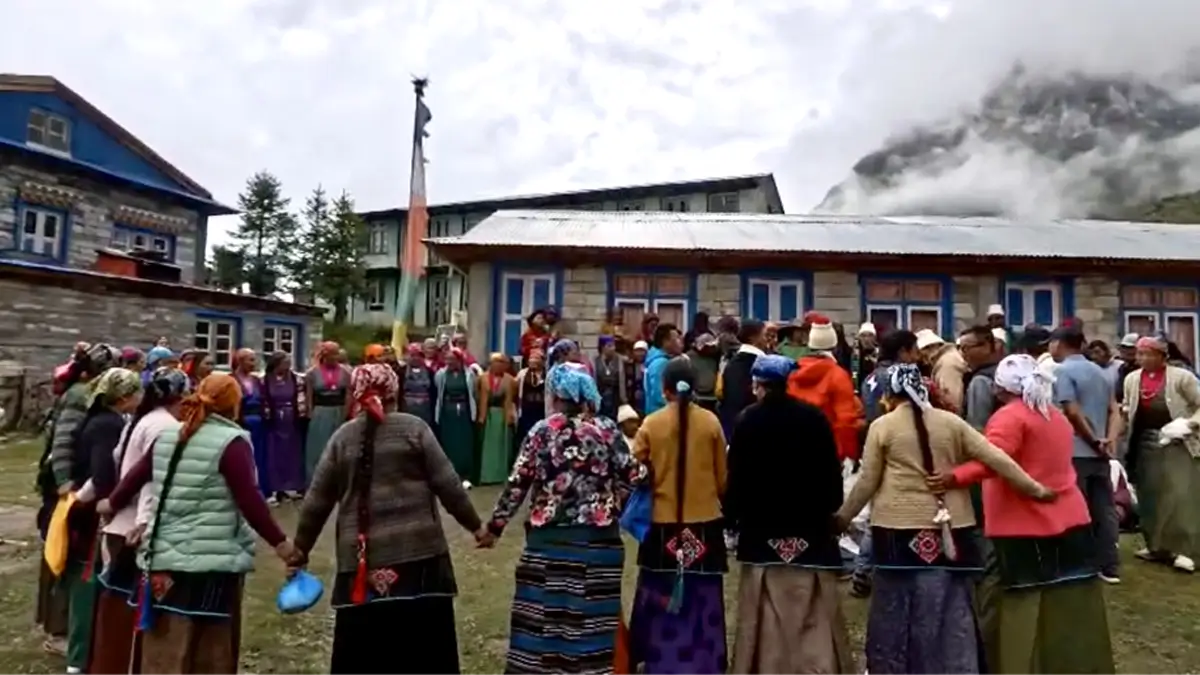
Finding yourself on a path through Langtang might mean more than mountain views, villages along the way light up with celebrations blending quiet prayers and vivid moments caught in photos.
Picture Sonam Lhosar, Tamang New Year. Drums called Damphu beat fast. People move in rhythm, dancing the Tamang Selo. Their steps follow a circle of twelve animals. Joy spills into the peaks, loud and clear.January or February? Check. Colorful costumes? Double-check. Good vibes? Off the charts.
Then there’s Buddha Jayanti, when butter lamps flicker, incense curls into the crisp Himalayan air, and monks chant at Kyanjin Gompa. Feeling extra adventurous? Join a hike for the Tarna Festival, winding up to a sacred cave by Lirung Glacier, offering prayers, lamps, and maybe even a selfie with a yak in the background.
Oh, and don’t forget Dhukpu Tsechu, a festival full of fire rituals, mantras, and spiritual cleansing. Trails and homes light up with prayer flags, butter lamps, and colorful cloths, making every step feel like a mix of culture, devotion, and, yes, a little festival magic.
Local Legends & Spiritual Beliefs
Ah, Langtang is basically a Himalayan fairy tale with yaks and Yetis as the main characters. The name itself, “Lang” for yak, “Tang” for follow, comes from a lama chasing a lost yak into the mountains.
Now comes the tale of the Yeti, rooted deep around Mundu and Kyanjin Gompa, tucked into a hollow known as Yamphu, where folks say the beast just vanished. People who live here insist yeti still wander nearby, startling goat herders, vanishing with yaks under cover of dusk.
If you find yourself walking through distant caves or open highlands, you should expect hushed stories from villagers. tales where forest beings and mountain watchers guard wild spaces. Almost everywhere in Langtang, myths trail behind each footfall like shadows at dusk.
Langtang Tea House Trekking
Picture Langtang tea houses like mountain hideouts, that are less basic than hostels and richer in local flavor. Nights mean shared or double spaces, set up with beds, cushions, covers (pack a sleeping bag just in case). One step inside and warmth wraps around you.
Out here, toilets are shared. Bucket showers show up when they feel like it. Wi-Fi flickers in and out. Rough edges come with the territory. Now a days gas geysers shower also available in Langtang trekking.
As for the dining areas? They are more than just food stops. Think gathering spots. People trade tales over cups of thick yak-butter tea.
Around most tea houses, it's Tamang families from nearby who take charge, so every guest helps locals thrive while tasting everyday highland routines up close.
Food Adventures on Langtang Trek
Food in Langtang is a full-on Himalayan adventure for your taste buds. Imagine demolishing a Dal Bhat platter (yes, unlimited refills), sneaking in some steaming momo, slurping thukpa, noodle, potato, fry rice, and nibbling on yak cheese while your eyes feast on Langtang Lirung flexing outside the window.
The tea houses mix it up too, with buckwheat rotlo, Tibetan breads, and even pasta or pizza, if your stomach demands some international backup. Vegetarian or vegan? No sweat, most spots will happily swap ingredients without judgment.
Dining here hits all five senses: the glow of morning light, the rustle of prayer flags, the smell of yak butter tea, the sound of hikers’ chatter, and, of course, the taste of mountain-made goodness.
Langtang Himalayas Trek Planning & Preparation
Planning your Langtang Himalayas trek is about plotting epic views, yak encounters, and prayer-flag selfies. Nail your gear, pace your legs, and prepare your stomach for Dal Bhat on repeat.
Langtang Himalayas Trekking Permits
Are you heading to the Langtang Himalayas? Don’t forget your permits; they are like your golden ticket into the park, and yes, they actually help protect the forests, wildlife, and Buddhist monasteries you are here to ogle.
You will need the Langtang National Park Entry Permit and a Trekkers' Information Management Systems (TIMS) Card, which keeps track of all trekkers. (TIMS CARD sometimes necessary and sometimes not.
Good news: if you are trekking with a licensed agency, they will handle the paperwork, so you can focus on packing snacks, practicing your “wow” face for the peaks, and figuring out how many photos of prayer flags are too many.
Who Should Trek the Langtang Himalayas? How Difficult is it?
Picture yourself walking through the Langtang Himalayas in Nepal. This path sits right in the middle, not too rough, not too soft. Climbing gear stays home; ice axes, harnesses, none of that matters here.
What counts is how long your body keeps going when the trail gets steep. Strong legs make a difference. A good level of fitness opens doors where machines and degrees can’t help.
Starting out on a journey like this fits those who have done a bit of training, yet still keep things light. Those craving mountain air minus ropes and ice axes find their pace here. Not every high path needs gear, some reward simply showing up.
Begin at Syabrubesi, sitting just above 1,550 meters. Step by step, move higher past small settlements, trees thickening on both sides, and paths leading onward to Langtang Village at nearly 3,430 meters. Continue climbing until Kyanjin Gompa appears around 3,870 meters up. Those who wish can head toward Tsergo Ri, touching close to 4,984 meters if weather allows.
Trails come clearly signed, yet watch out for rocks underfoot. Bridges sway, sometimes harder than your heartbeat jumps. Ground shifts beneath boots without warning. Rain might start even when skies look calm.
Walking stretches across days, each night lands in small villages where talk slows down. Phones struggle here, which means screens fade into background noise.
Can I Trek to Langtang in all four Seasons / Best Time to Trek Langtang Himalayas in Nepal
Pictures of you hiking through Langtang might look great on paper all twelve months. Paths stay open every single day, plus villagers still stock the mountain lodges while others stream movies indoors. Yet each stretch of calendar brings its own twist, some smoother than expected, some less kind.
Trails stay solid during autumn, that stretch from September through November. Skies are often blue, temperatures comfortable, plus crowds show up for Dashain and Tihar.
Not far behind comes spring, March onward, when hillsides flare with rhododendrons blazing color while wildflowers quietly take over the view.
In December, frosty mornings greet you, perfect if silence between peaks matters more than warm toes. Fewer faces on trails mean space to breathe. Snow piles high by January, turning paths into quiet corridors under gray skies.
That chill? It bites, sure, but also clears the head like nothing else. As for February, daylight stretches slightly, hinting at change while ice still grips the rocks.
Monsoon season? That stretch from June through August? Think slick mud underfoot, downpours that never seem to quit. The land turns a fierce shade of green, lushness takes over, and nature feels untamed here. Not exactly the easiest welcome for those showing up for the first time.
So, autumn first, spring second, winter if you want solitude and frostbite-adjacent vibes, and monsoon only if you fancy dancing with raindrops on a mountain trail.
Why Trekking the Langtang Himalayas is a Journey You Will Never Forget?
Every step forward reveals another peak, as if the mountains themselves are changing shape while you walk. The Langtang range unfolds slowly, keeping its rhythm unpredictable. Instead of a single view, there’s always something shifting just beyond the next turn.
Up close, glaciers appear around bends you do not expect. Through Tamang and Tibetan settlements you walk, places where days unfold without stagecraft for visitors. Though distant in rhythm, Kathmandu stays near enough to touch if needed.
Langtang isn’t a “lesser trek,” it’s a Himalayan classic with a VIP pass to scenery, culture, and that quiet feeling of awe you can’t fake.
Frequently Asked Questions
Can beginners, kids, or elderly family members complete the Langtang trek?
Sure thing, tackling Langtang feels manageable for most people, even those just starting out or traveling later in life, provided they plan well. Little ones and seniors ought to move at an easier pace, pause now and then, and drink water often.
Can the Langtang Himalayas trek itinerary be customized?
Every traveler can tweak the Langtang route a little. You can stretch days, shorten them.
How long does it actually take to complete the Langtang trek?
Trekking through Langtang often lasts a week or more, starting at Syabrubesi and reaching Kyanjin Gompa before returning. Sometimes travelers stretch the journey by exploring side trails as well.
What is the best time of day to reach Kyanjin Ri or Tsergo Ri in Langtang?
Before dawn works best. Sunrise hasn’t hit yet, that means open views, gentle lighting good for pictures, also higher odds of spotting distant summits before mist rolls in.
Do I need to hire a guide or porter for Langtang, or can I trek independently?
Guides are recommended but not mandatory. They help with navigation, cultural insights, and language barriers. Porters are optional, but they make the trek more comfortable, especially for those carrying heavier gear.
Is safe drinking water available on the trail of the Langtang Himalayas Nepal?
Water at most tea houses comes clean, either filtered or boiled. When heading off trail, having a refillable bottle helps, particularly if it includes a built-in filter or room for a purification tablet.
Can I trek in Langtang in winter, or is it too cold?
Frost bites deep up high when you hike through winter months. Still, trails stay open if you brave the cold snap above tree line
Are the trails in the Langtang Himalayas well-marked?
Fresh footpaths stretch reliably forward, mostly clear past Kyanjin Gompa. Trails stay tidy where travelers pass often, signs pointing the way without fuss.
What is the highest point of the Langtang trek, and what can I expect there?
The highest point is Tsergo Ri at 5,033 meters. You can expect panoramic views of Langtang Lirung, Langshisha, and surrounding peaks.
Is it possible to combine the Langtang trek with a trip to Gosainkunda or Helambu?
True enough. Hikers often wander off toward Gosainkunda Lake, some link up with trails leading into Helambu. These detours give a deeper look at mountain life, far beyond the main route.
Can I trek the Langtang Himalayas without prior high-altitude experience?
Fresh off the trail, many beginners find Langtang manageable, yet adjusting slowly to altitude makes all the difference.
How remote is the trail? Will I have a cell phone signal or internet?
The trail is moderately remote. Main villages and tea houses often have limited mobile coverage and Wi-Fi, but expect spotty signals as usual.