What is the Short 5-Day Everest View Trek? And Why is it so Popular?
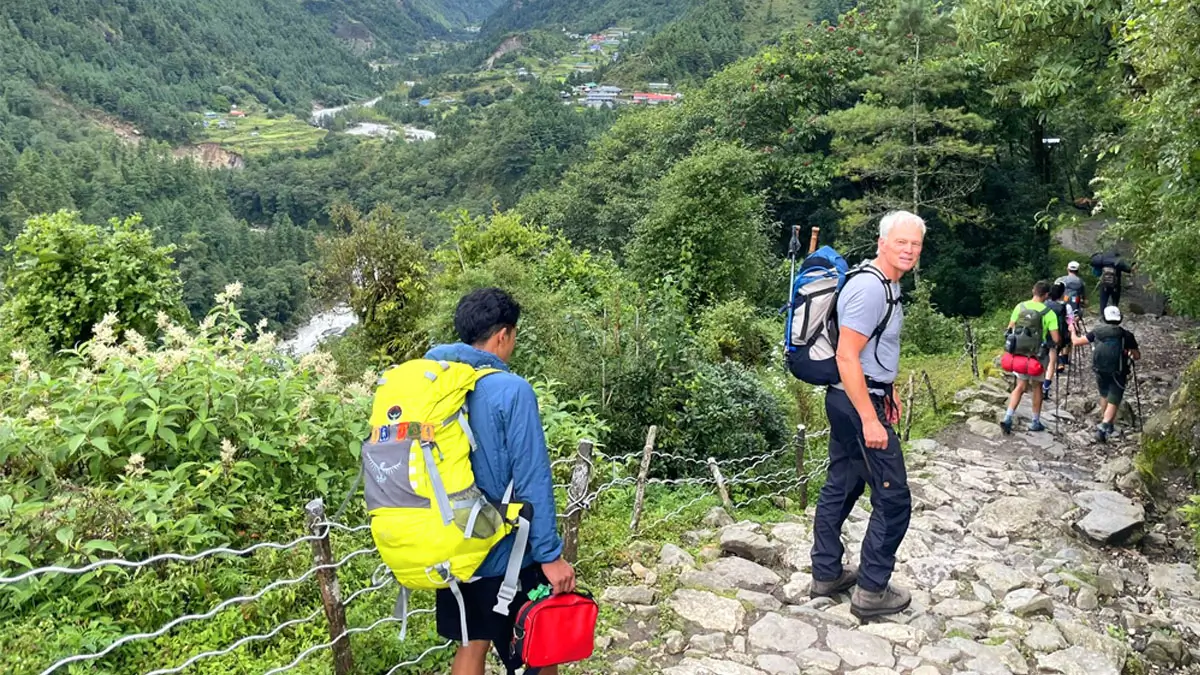
The Short 5-Day Everest View Trek is a scenic, beginner-friendly trek in Nepal that offers panoramic views of Mount Everest, Sherpa villages, and iconic Everest-region landscapes.
It’s popular because it delivers the best Himalayan highlights in just five days, making it perfect for travelers who want epic views, manageable difficulty, and maximum reward with minimal time.
A Quick Himalayan Escape with Big Rewards
This Short Everest Panorama Trek is designed for those travellers who want to experience the Himalayan wow factor without spending time on a long expedition. It's a quick getaway to the Everest region that can easily be combined with a very busy schedule, but at the same time, it still offers the kind of views that people from all over the world come to see.
Within only a few days, you are out of the city, take a flight to the mountains, and there you are walking along the same Khumbu paths with the snow-covered giants towering over your head. The most satisfying thing is the greatness of the vistas in comparison with the little time spent outside.
This trek is proof that you don't really have to go all the way to the Base Camp in order to feel the grandeur of Everest. It is a really rewarding trekking experience: shorter walking hours, easily reachable viewpoints, and the entire Himalayan panorama, which actually does not feel short at all.
Panorama Views Above Namche Bazaar
Everest View Trek above Namche Bazaar, the big mountains show themselves. Everest, Ama Dablam, Lhotse, Nuptse, and Thamserku lined along the edge of the sky. When day breaks first, light spills warm over icy tops while shadows dance through low places below.
On every side, rhododendrons and junipers scatter across the hills. Catch a glimpse, maybe a Himalayan Thar steps into view. Or perhaps near rocks, a quiet bharal feeds close by.
Nowhere else do bright feathers dart through pine branches quite like here. Above the rocky slopes, bursts of bloom break across meadows when summer arrives.
Five days pass fast, yet some instants stretch so wide they mimic years beneath Himalayan skies.
Sherpa Culture & Mountain Teahouses
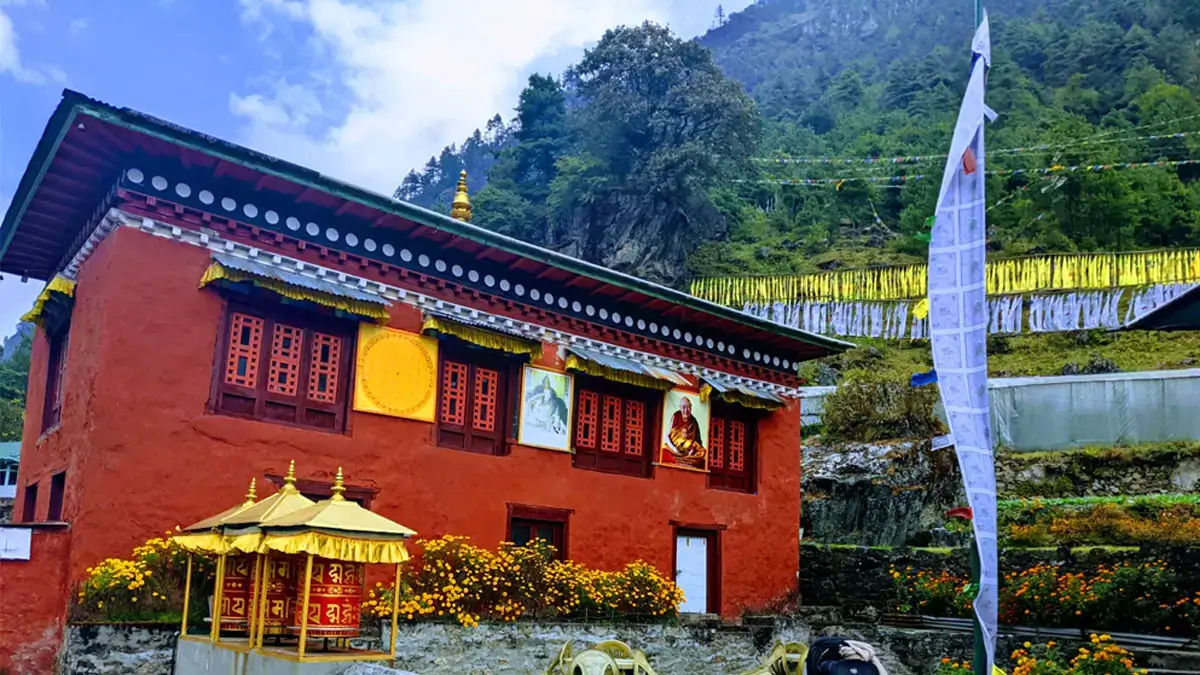
Up in those Himalayan trails, life moves to the rhythm of Sherpa ways. Hailing from Khumbu, these folks have spent generations mastering thin-air climbs. Their kindness greets you before words do. Centuries-old Buddhist practices shape much of what happens here.
Folks here grow up speaking Sherpa, one of the tongues rooted in Tibetan speech, while shaping days around crops, yaks, or walking paths high in mountain trails alongside visitors. Bright aprons drape women, whereas both men and women wrap themselves in warm bakhus.
Early autumn could bring you face to face with the Mani Rimdu Festival, when masked dancers spin through prayers at Tengboche Monastery. Tengboche is about 5-6 hrs walking distance from Namche Bazaar. Winter's edge gives way to Lhosar, the Tibetan New Year, marked by shared meals and laughter among neighbors
Here, you might find travelers gathered around steaming bowls, listening to elders speak of old paths. Mountain huts along the way open their doors for food and for shared moments. A quiet moment over tea can turn into an unplanned lesson in kindness.
These stops breathe life into routines most never see. Warmth shows up in gestures. Life moves slowly enough to notice details.
Everest View Hotel: Iconic Himalayan Panoramas At 3,880 Meters
Above the clouds at 3,880 meters sits the Everest View Hotel, where peaks unfold like a slow-motion storm. Not just altitude defines it; instead, sheer sightlines steal attention.
Over ten giants rise into view from this spot. Mount Everest stands tallest at 8,848.86 meters. Next comes Lhotse, just behind at 8,516 meters. Nuptse follows, sharp and steep, measuring 7,861 meters high.
Ama Dablam catches light differently, its face glowing near 6,812 meters. Thamserku breaks the skyline too, rising to 6,623 meters. Nearby, Kangtega lifts upward, its peak hits 6,782. Slightly lower sits Kantega, holding steady at 6,710. Cholatse appears rugged, only 6,440 meters tall. Taboche joins the row, reaching 6,495 meters, and on clear days, far off, Cho Oyu marks the edge of sight at 8,188 meters.
Nowhere else looks quite like this. Watching bare peaks catch fire from dawn light, ice fields shimmer under first rays, while broken edges tear at the morning skyline.
High up like this, the air bites clean, with prayer flags dancing in the wind and yaks showing up now and then beneath the slope line.
Ideal For Beginners & First-Time Trekkers
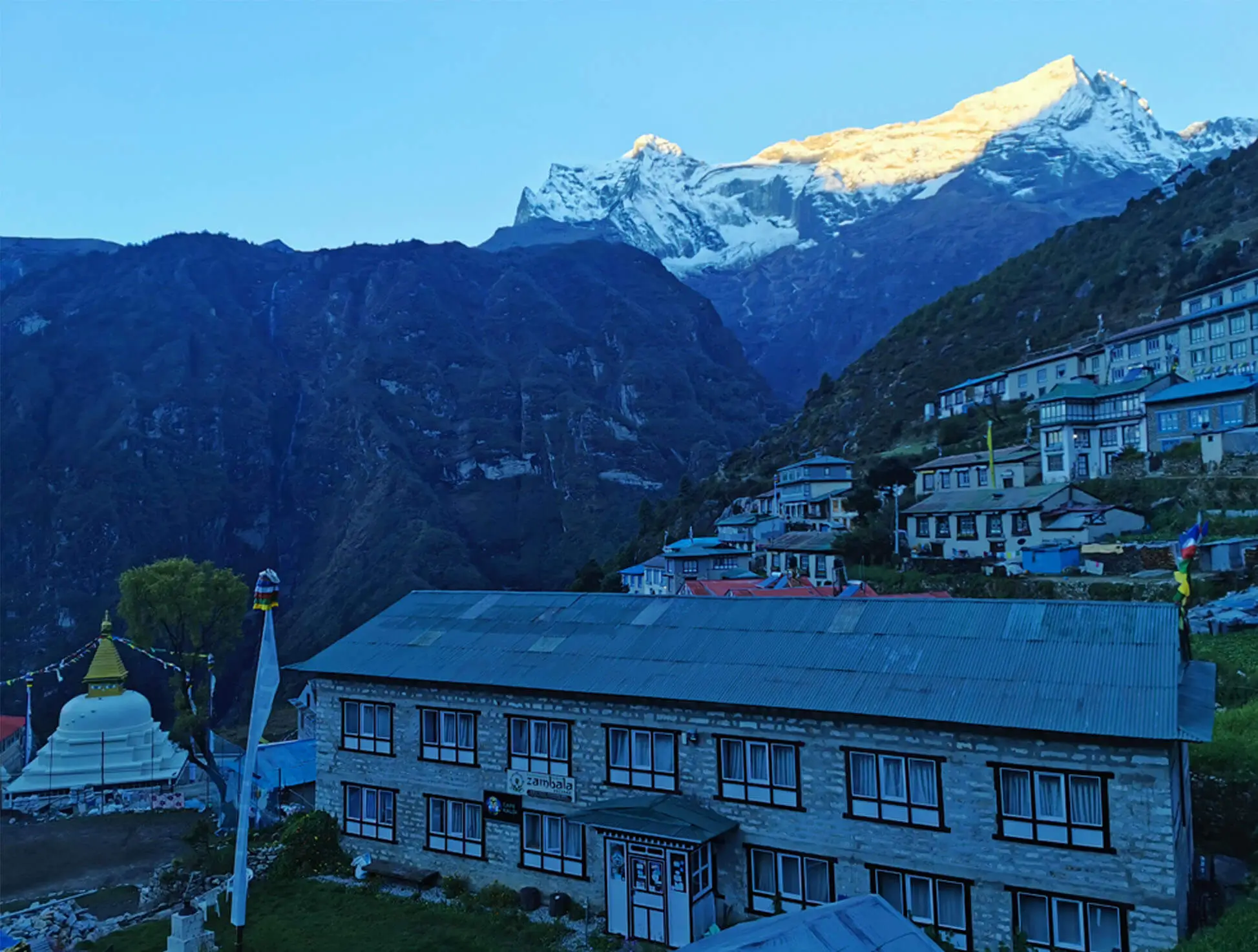
A quick five-day hike near Everest suits those new to trekking. Paths show clear signs, while slopes stay gentle most days. Each day brings 4 to 6 hours on foot, enough to take in views slowly. Walking feels steady here, never rushed.
At nearly 3,880 meters tall, the peak offers thin-air charm without extreme elevation dangers, thanks to planned rest points that ease the body into thinner air. Reaching close to that height means excitement lingers, yet health concerns stay small.
Fires crackle inside small shelters where travelers rest between mountain paths. Meals arrive steaming beside thick wool blankets offered by people who know the weather. Guide and porter also walk alongside every turn, showing up as steady voices or strong shoulders when slopes grow sharp.
Five days is all it takes. Beginners find themselves beneath towering peaks, stepping through bustling Sherpa homes, catching dawn light spill across mountain ridges. First time on a trail? Doesn’t matter. The land pulls everyone in, one step at a time.
How Difficult is the Short Everest View Trek?
Imagine a mountain walk that fits into a long weekend, short, doable, yet packed with big scenery. This Everest View path climbs through quiet trails where snow peaks stare down without crowding too close.
Each step unfolds wide skies above deep valleys, no extreme effort needed. Think crisp air, wooden bridges, and prayer flags fluttering. The route skips the brutal parts but keeps what matters: open space, height, stillness. You get the sense of being high up without wrestling danger at every turn.
Most days include 5 to 7 hours of walking along relaxed paths, where slopes roll softly and leave room to pause, take pictures, or quietly eat something. Reaching close to 3,880 meters near the Everest View Hotel feels grand, an impressive altitude without overwhelming your breathing. Time moves slowly here, letting moments stretch out under open skies.
Footsteps fall easily here, with stone steps winding through trees. Now and then, a swaying bridge appears. Being on your feet most days helps, whether that means strolls, hikes, or racing after a playful pet.
Should something go wrong, locals at cozy tea houses might lend a hand. Paths are watched quietly by guides who know the way. The peaks feel welcoming instead of harsh.
Best Time to do the Everest View Trek
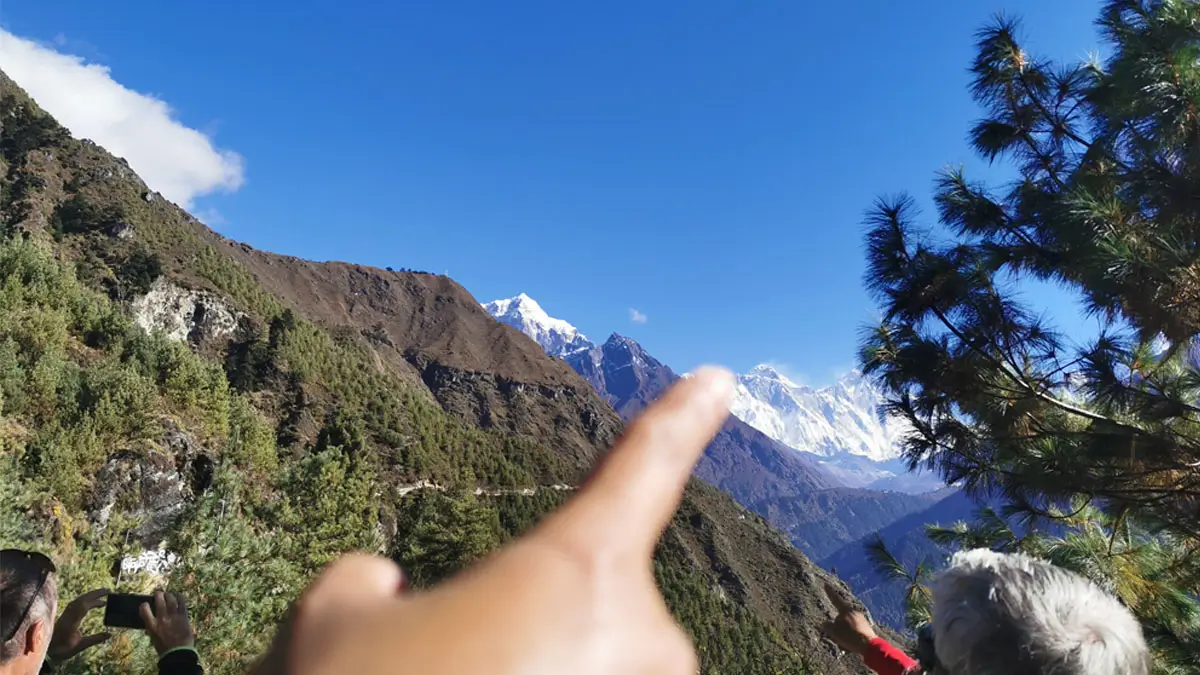
When the mountains put on their finest display, that’s when you will want to walk the Short Everest View Trek. Spring months from March through May make it happen. Another solid window opens up, September onward into November, which also means autumn delivers clear skies just right for viewing peaks. Also during the December is good time just a bit colder.
Autumn air feels sharp, sky so clean it slices through haze, unveiling Everest, Ama Dablam, Nuptse, and Lhotse. Temperatures by day stay gentle; night wraps itself in quiet chill, just right for walking trails without strain. Morning spills gold across ridges, then dusk returns the favor, setting summits on fire with hues.
When spring arrives, rhododendrons burst into the color of red, pink, and white, spreading through the valleys. Slopes get speckled with tiny alpine blooms, while sunlight softens on mountain faces. The air stays gentle, almost kind, making high altitudes feel inviting instead of harsh.
Hiking paths carry fewer people compared to fall months, so space opens up. For brief moments, standing still among peaks, it feels more like belonging.
Is the Everest Panorama Adventure Doable in Winter & Monsoon?
Winter or monsoon might seem unlikely, yet a few travelers still ask about them when thinking of the Everest View Trek. Autumn and spring are favorites, that much is clear.
Still, tackling the trail during rainy months? Possible. Even in snow-covered cold stretches, some make it happen.
Muddy paths greet your steps when the rains arrive each June, lasting through August. Mountains vanish behind thick curtains of cloud most afternoons. Showers pop up without warning. Few photo moments happen under these skies.
As for winter, frost bites early when December arrives, wrapping the high paths in quiet white. Above Namche, mornings stiffen. Yet clear views stretch wide on days warmed by patience instead of people. Dress thick: one layer after another traps heat while solitude holds the ridges.
Winter trails plus the rainy season? They work, when you accept soaked footwear, cold evenings, that kind of journey comes with extra hassle. Still, it happens.
Nepal Everest View Trekking Availability
Everest view trek availability all the months in a year and most of the time, trekking to Everest View in Nepal works fine any month you pick. Yet July and August? Better stay away, as monsoon downpours make paths slick, streams burst, while peaks hide under thick cloud cover.
Winter brings hushed paths between December and February. Autumn offers sharp air under clear skies, stretching from September through November. Spring wakes up with rhododendrons showing color, from March into May.
If clear views top your list, this route lines up just right during spring and autumn. Peaceful mountain towns? They wait along the trail, too.
Permits, Flights & Logistics for the 5-Day Everest View Trek in Nepal
Before you lace up your boots, remember: to trek in Nepal, you will need permits, flights, and a pinch of patience to navigate logistics.
Required Permits & Entry Fees
Before you hit the trails, you will need a couple of official “hello, I’m allowed here” papers.
First up is the Everest-Sagarmatha National Park Permit, costing around NRs 3,000 (around USD 25) for most foreigners, which lets you legally wander the park and helps protect its snow-capped giants and wildlife.
Next, there’s the Khumbu Pasang Lhamu Rural Municipality Permit at about NRs 3,000 (around USD 25), basically a “support the locals” fee that keeps villages, trails, and tea houses running smoothly. So total 6000 rupees which is about 50 USD but price can be up and down 5-10 USD.
You will need your passport and some cash, and if paperwork isn’t your thing, your trekking agency operator can handle it for you. Think of these permits as your VIP pass to Everest magic.
Without them, the mountains might look the same, but you definitely won’t be officially allowed to walk among them.
Lukla Flight Reality Check
Up there above Lukla, the plane bucks through mountain air like it's alive, tossing scenery at your window so sharp and sudden it steals breath.
Right after your plane leaves Tribhuvan International Airport. However, direct flights from Kathmandu are usually only available in the low or off-season. During peak seasons, you will need to drive to Ramechhap Manthali Airport first and take a morning short flight from there.
Over these hills, the plane passes above step-like farms, small clusters of homes, then follows curves of water below. To see peaks clearly, choose a seat on the left when boarding. When clear skies hold steady, Everest appears first, followed by Lhotse, then Ama Dablam as far distance.
Flying low in those little planes, most carry between 12 to 14 people. The quick lift off and sharp descent hit like a rollercoaster you didn’t know you signed up for. Bumps pop up often when crossing mountain ridges, yet somehow they fit right into the whole journey.
Clouds might block paths through the mountains, yet calm air helps pilots thread the route safely. Touchdown feels sudden, wheels meeting tarmac just beyond a cliff edge. The moment stretches, unlike anything expected.
When your plane lands, the biggest thrill of your trip is already behind you.
Do You Need to Hire a Guide and Porter for Everest View?
Most trekkers, trekking with a local operator agency to the Short 5-Day Everest View Trek without any stress and more chill relax easy holiday. And a few percentages of people travelling without guide also.
Someone who lives nearby might point out hidden paths between stone walls. A familiar face along the way helps when signs are unclear or the weather shifts fast. Knowing what people say at tea stops makes things smoother. What feels manageable alone often grows messy without support.
Up high near 3,800 meters, local guides take care of the route, paperwork, lodging, plus they watch your rhythm so altitude doesn’t knock you sideways. Carrying gear yourself? Not required, yet should you prefer pointing cameras over hauling loads, bringing along a porter shifts everything quietly into balance.
A single day with a trained guide tends to run between USD 35 and 85. A porter for that same span often comes in at USD 25 to 40 daily.
A small tip after service is not built into the price. Still, many choose to offer one, around 15% of what they paid feels right. Sometimes higher when moments stood out in surprising ways.
Basically, guides and porters are your safety net, cultural interpreters, and personal cheerleaders rolled into one.
Packing List for The Short Everest Trek 5 Days
Packing for the Short Everest Trek 5 Days is all about balance: bring what you truly need, skip what turns your backpack into a gym membership. Since this is a short Everest view trek with teahouse stays, you don’t need expedition-level gear.
Here’s your Everest View Trek packing list:
- Lightweight backpack (30 to 40L) with a rain cover
- Duffel bag (if hiring a porter)
- Down jacket
- Waterproof outer shell (jacket and pants)
- Fleece or warm mid-layer
- Moisture-wicking trekking shirts
- Lightweight and flexible trekking pants
- Thermal base layers
- Warm hat & buff
- Gloves
- Good trekking boots (broken-in!)
- Extra socks
- Lightweight camp shoes or sandals
- Sunglasses (UV protection)
- Sunscreen and lip balm (SPF 30+)
- Reusable water bottles or hydration bladder
- Water purification tablets or filter
- Basic toiletries and quick-dry towel
- Personal medications and small first-aid kit
- Headlamp
- Power bank
- Passport, permits, and some cash (Nepali rupees)
- Trekking poles
- Snacks
More info about Nepal trekking gear and equipment list.
5-Day Everest View Trek Itinerary (Day-by-Day Breakdown)
Day 1: Drive from Kathmandu to Ramechhap, fly to Lukla, and then trek to Phakding.
Your Everest View adventure starts at a heroic 1:30 AM drive from Kathmandu to Ramechhap. Yes, it’s early enough to question your life choices, but that’s part of the story you will later tell with pride.
The 4 to 5 hour road journey winds through sleepy towns and quiet hills before you board a tiny mountain plane bound for Lukla. The flight is short, scenic, and slightly thrilling, with terraced fields below, snow-capped peaks ahead, and a landing that makes everyone clap.
From Lukla, your first trek to Phakding begins gently, following the Dudh Koshi River through pine forests and small Sherpa villages. You must expect colorful prayer flags, mani stones, suspension bridges, and the first glimpses of Himalayan peaks.
The trail is mostly downhill or gradual, perfect for easing into trekking mode. You will feel excited, slightly breathless, and very aware that you are officially in the Everest region.
Day 2: Trek from Phakding to Namche Bazaar.
Today, you will wake up to crisp mountain air and the sound of the river, and this is when the Everest View Trek starts feeling real. The trail gradually climbs through forests of pine and rhododendron, crossing several suspension bridges, including the famous Hillary Bridge, fluttering with prayer flags high above the river gorge.
On this way, wildlife sightings might include Himalayan birds or even a shy musk deer if you are lucky. After Monjo, you enter Sagarmatha National Park and begin the steeper ascent to Namche.
It’s a steady uphill push (yes, your legs will notice), but if the skies are clear, you may catch your first distant glimpse of Mount Everest. Arriving in Namche Bazaar, the vibrant Sherpa hub, feels like reaching a mountain amphitheater surrounded by peaks.
Day 3: Hike from Namche Bazaar to Everest View Hotel and back to Namche for the night.
Today is all about views and acclimatization. The uphill hike above Namche is short but rewarding, winding through alpine forests and open ridgelines. As you gain altitude, the panorama expands dramatically with Everest, Lhotse, Nuptse, Tabuche, Ama Dablam, Thamserku, and surrounding giants standing proudly against the sky.
Reaching the iconic Everest View Hotel at 3,880 meters, you will get to sip tea with one of the best mountain backdrops on Earth. The air feels thinner but exhilarating.
Yaks graze nearby, prayer flags ripple in the wind, and fellow trekkers exchange that “we actually made it here” smile. After soaking it all in (and taking about 200 photos), you descend back to Namche for a relaxed evening.
Day 4: Trek back to Lukla from Namche Bazaar.
Now, retracing your steps feels surprisingly different. The climbs become descents, the bridges less intimidating, and your confidence noticeably higher.
You will pass familiar villages, wave at locals you met on the way up, and maybe feel a little nostalgic already. The downhill stretches are easier on your lungs but tougher on your knees, so trekking poles become your best friend.
By the time you reach Lukla, you have officially completed your Everest panorama adventure, and yes, you have earned that celebratory hot shower.
Day 5: Fly from Lukla via Ramechhap or take direct flight to Kathmandu.
Morning flights are the golden rule, so you will head to the airport runway as the sun lights up the surrounding peaks. The return flight offers one last sweeping view of the Himalayas.
Whether you land in Ramechhap for the drive back or fly directly to Kathmandu, the journey down feels surreal. Just days ago, you were staring up at Everest; now you are back to city life with mountain memories, sore legs, and a camera roll full of proof that yes, you did the Everest View Trek.
FAQs
How close do you really get to Mount Everest view trek?
You don’t stand at Everest Base Camp, but from the Everest View Hotel (3,880 meters) you get clear, jaw-dropping panoramic views of Mount Everest. It is close enough for epic photos and far enough to keep your lungs happy.
Why is this trek perfect if you are short on time?
In just 5 days, you fly into the Everest region, see the world’s highest peak, surrounded mountain vistas, explore Sherpa villages, and return.
Is the Everest View Trek worth it?
Absolutely, it delivers iconic Everest views, cultural immersion, and high-altitude adventure without the extreme duration or difficulty of Everest Base Camp.
How high does this view trek go?
The Everest view trek reaches about 3,880 meters / 12,730 feet at the Everest view hotel. It is high enough for the wow-factor, low enough to avoid extreme altitude strain.
Can beginners complete the Everest View Trek comfortably?
Yes definitely, beginners with basic fitness can complete it comfortably, thanks to moderate trails, manageable walking hours, and proper acclimatization stops. Slow walking also like acclimatization.
Is altitude sickness a risk here?
Altitude sickness is possible above 3,000 meters, but the gradual ascent and lower maximum elevation make the risk significantly lower than longer Everest treks.
When is the best time to trek for the Everest View?
People trek all the time whenever they have a holiday and planning to their trip, But the best time is spring (March to May) and autumn (September to November) for clear skies, stable weather, and those postcard-perfect Everest panoramas. December also good time hey!