Why Kapan Monastery is one of the Most Famous Meditation Retreats in Nepal?
If you have ever typed “best meditation retreat in Nepal” into Google while secretly hoping for a place with peace, perspective, and maybe fewer group chats, then Kapan Monastery has probably popped up.
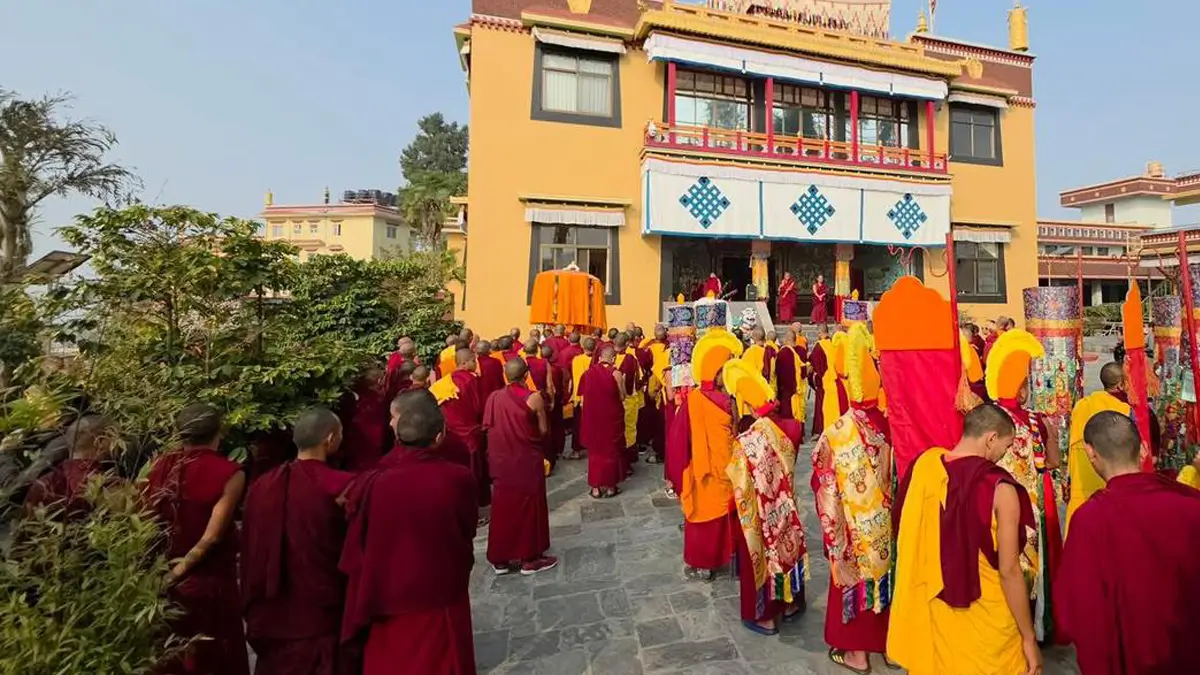
What makes Kapan one of the most famous meditation retreats in Nepal is that it is one of the few places where meditation is a deep, structured, and tradition-rooted experience rooted in Tibetan Buddhism.
People don’t come here for Instagram quotes (though they happen); they come because Kapan has been hosting real meditation retreats and Buddhism courses for decades. You can expect daily guided meditation sessions, Buddhist teachings that actually make sense, mindful group practices, and a rhythm that gently nudges you toward clarity.
Why choose Kapan over every other spot in Nepal? For one, it’s accessible yet sacred, just outside Kathmandu but spiritually worlds away from your usual distractions. The programs are structured but inclusive. The monastery’s reputation has grown because people come, experience real internal calm, and tell others about it.
Imagine stepping away for a moment, just when your mind needs it most, that quiet pause might begin here. Not every chance to slow down comes wrapped in obvious signs, yet this one stands out somehow.
By the second day, empty space stops feeling odd; it starts making sense. Tools appear quietly: ways to untangle tension without scrolling endlessly. Even breath shifts from habit to something useful, almost noticeable. The break wasn’t an escape, more like finding pieces you didn’t know were missing.
Who Can Join the Kapan Monastery Meditation Retreat?
If you have ever thought meditation is only for monks, yogis with top-knot buns, or people who already have their life together… think again. The Kapan Monastery meditation retreat in Nepal welcomes just about anyone with a pulse and even a slightly curious mind, and honestly, that’s most of us.
First things first: beginners and seasoned meditators alike are welcome. Whether you have tried meditation once (and promptly fell asleep) or you have been practicing for years, Kopan’s retreats are designed to support people at all stages. You don’t need a PhD in mindfulness, a fancy yoga outfit, or a lifetime supply of incense sticks. If you can stretch your attention for at least five minutes, you are qualified.
That said, there are a few notes worth knowing if you want something more than a casual breath-and-relax session. Some longer, private retreats, especially intensive ones rooted deeply in Tibetan Buddhist practice, may ask that participants have prior experience with foundational courses or previous retreats at Kapan. This is mostly so that your inner meditator doesn’t show up unprepared.
If you are just starting, most people join either the group retreat programs or the famous November meditation course. These courses are open to all nationalities, backgrounds, and experience levels.
Here’s the truth, served with a grin: stepping into a Kapan Monastery retreat doesn’t demand sainthood, silence vows, or meditation mastery. All it asks is presence and an open mind. Never tried sitting still with your thoughts? Perfect. That blank slate fits right in.
Truth is, you belong here, whether this is your first try or you have been at it for years. Maybe you are passing through, looking for something undefined. Perhaps your days are loud, packed with noise no one else hears. Judgment has no place in this space.
Types of Meditation Courses and Retreat Programs at Kapan Monastery
5-Day and 10-Day Meditation Courses
Five days might seem too quick for the deep change, yet at Kapan Monastery, it’s exactly how long some spend dipping into stillness. Instead of waiting weeks, you will arrive looking for quiet.
The sessions fit within broader teachings on Buddhist thought and practice. Ten days stretches the experience further, building space between thoughts without demanding years.
Deep down, these 5-day and 10-day programs work like short retreats built around looking into meditation basics, along with key Buddhist ideas. Though shaped differently in length, each offers space to slow down while stepping into practice.
One moment might unfold quietly through breathing; another could open up during teaching sessions held in still rooms. While time passes steadily, attention shifts toward inner patterns instead of outer noise.
As mornings begin early, minds often meet clarity before sunlight fills the windows. Early each day, try sitting quietly together while someone guides the practice. Talks about Buddhist ideas come next, often sparking curiosity.
The Famous November Course
If meditation had a “legendary annual highlight,” the November Course at Kopan Monastery would be it. Held every year from November through December, this month-long meditation course has become one of the most renowned spiritual programs in Nepal.
So what exactly is this famous November Course? At its core, it’s a comprehensive Lam Rim meditation and Buddhist philosophy retreat based on the Tibetan Gelug tradition. It was originally started in 1971 by the monastery’s founders, Lama Thubten Yeshe and Lama Zopa Rinpoche, and has since become a kind of a spiritual pilgrimage.
It has a mind-expanding mix of activities that are simultaneously simple and deep: daily Buddhist teachings, guided meditations, and group discussions. You will learn practical tools to recognize and work with negative thoughts, cultivate compassion, and see yourself and the world through a fresh lens.
The November Course often feels like a spiritually charged community of people learning together. It is one of those experiences you will hear about for years after, and might even be tempted to come back for.
Private Meditation Retreats
Quiet wraps around you here, away from group routines. These one-on-one retreats let your practice grow without rushing. A still setting opens room for meditation, thought, or simply stepping back from pings that never stop.
Peace fills the air at Samten Ling, where quiet rooms await those choosing a personal path inward. A room here becomes your own, calm walls holding space just for you. Meditation finds its corner.
Each day here follows a quiet rhythm with meditation, reflection, just like monks do. Yet there is no set timetable for lessons with others.
What's it like inside? Hard to say. At first, maybe confused, then something shifts. Curiosity creeps in. Later on, balance follows. Thoughts and feelings become clearer.
Vajrasattva Purification Retreat
At Kapan Monastery, the Vajrasattva Purification Retreat strips off old burdens using time-tested Buddhist methods. Instead of just sitting quietly, you dive into intense inner clearing through a specific form of meditation.
The core? Focusing on Vajrasattva, chanting this sacred sound becomes the rhythm of each session. While breath moves slowly, awareness sharpens, cleansing thoughts one repetition at a time. Each moment here links the body, voice, and mind in quiet alignment.
Three months is how long the stay usually runs in Kapan, meant for people familiar with Buddhist ways. Those who have practiced before find it fits their level. Staying there builds on what you have already learned.
What happens next? Four times daily, practice mantras alongside mental imagery, led by an instructor during the opening stretch of ten days.
Some find the early days hard on the heart. Yet when time moves forward, thoughts clear out. Weeks pass. The mind feels looser.
Lam Rim Meditation Practice Retreat
This retreat follows the Lam Rim, Tibetan for "step-by-step path to awakening", guiding you slowly through what the Buddha taught.
Lam Rim at Kapan walks step by step through core teachings, why pain arises, and how thoughts shape unrest. One piece follows another, showing ways the mind sticks to habits that stir trouble. Each turn reveals simpler seeing.
A blend of guided meditations shows up alongside Dharma talks, while small group chats slip in between moments.
This retreat lets sensations guide understanding instead of thoughts alone. At first, confusion may linger like morning fog. Yet slowly, space opens up inside.
What Happens During A Meditation Retreat At Kapan Monastery?
What goes on at a meditation retreat in Kapan Monastery? Truth, there is more than just seated stillness and quiet chanting (even if those show up too).
Right after arrival, each detail slowly introduces hands-on tools from Buddhist practice meant to help you see your thinking clearly. Though peaceful, the structure works quietly beneath.
Early hours often begin with stillness. Meals come next, simple and taken in calm. Lessons on Dharma follow, delivered by monks who make ancient ideas feel close to daily life. Instead of lectures.
The air stays hushed much of the time, filled only by breath or footsteps. Later, another round of seated practice settles into late daylight. Evenings fold into deeper quiet.
Sometimes you sit quietly, noticing each breath while thoughts pass by without grabbing hold. This space offers chances to write down moments of clarity after silent stretches under open sky. Moments between sessions feel slow yet full.
Fear might grip you at first when you arrive. Yet slowly, breath by breath, the noise inside begins to fade. Stillness slips in without warning. Your thoughts stop racing long enough to notice the trees, the sky, even your hands.
Meditation Techniques Practiced At Kapan Monastery
The retreat focuses on practical Tibetan Buddhist meditation techniques designed to calm the mind, develop awareness, and cultivate compassion.
Some of the key techniques include mindfulness meditation, where you simply observe your thoughts without judgment; breathing practices, visualization meditations, and Lama-guided contemplative practices.
You will also practice walking meditation around the serene monastery grounds, the perfect excuse to stretch your legs while still pretending to be profoundly enlightened. Each session is structured to help you focus, reflect, and transform habitual thought patterns, so by the end of the retreat, you will be better at managing stress, handling emotions, and sitting in silence.
Accommodation, Food, and Facilities at Kapan Monastery
Retreat House And Accommodation Options
Peace fills the air at Kapan Monastery, where rest comes without fuss. Inside Samten Ling, the heart of the guest stay, rooms are tidy, built for calm. Beds bring warmth, though frills do not exist here. Stillness settles easily, making corners ideal for sitting quietly.
Some programs offer shared spaces, while others set up private ones for individuals going solo. Longer stays, such as the November course or Vajrasattva practice period, come with tailored setups instead of standard picks. Group formats often pair people together, yet personal paths get their own space by design.
Peace fills the space, quiet and steady like morning light through thin curtains. A stillness wraps around the buildings, part monastery hush, part mountain air drifting down from high stone paths.
Step inside, and you will find rooms built for silence, where books line shelves. Outside, trails wind past courtyards strung with prayer flags.
Vegetarian Meals And Dining Experience
Fresh vegetables often start the day at Kapan Monastery, followed by bowls of rice or steaming dal. Meals there skip meat entirely, focusing instead on plant-based dishes that sustain energy quietly.
The kitchen hums each morning, stirring pots of noodles alongside seasonal picks from nearby farms. Lunch arrives with familiar flavors, sometimes spiced just enough to wake the senses gently. Dinner might bring a rare taste of local Nepali cooking.
Meals bring people together, slowing things down so talking feels natural. Without coffee jolts or quick bites, there is space to taste each bite. Late-night munching disappears.
Meditation Halls, Library, and Retreat Facilities
Peace wraps around you the moment you step into Kapan Monastery wide meditation halls. Cushions line the floor, and quiet settles. Comfort meets calm through simple arrangements.
Inside sits a collection of Buddhist writings, guides on sitting still, along with lessons about living simply, ideal when you are ready to explore what lies beneath routine thoughts. Outside, there are shared spots where people talk, pause, or watch prayer flags dance above them.
Inside Kapan, spaces stay clear. Quiet corners invite stillness instead of noise. Rooms hold just enough, no clutter, no excess pulling attention away. Sitting here, thoughts slow because the surroundings ask nothing.
Rules, Etiquette, And Retreat Guidelines At Kapan Monastery, Nepal
Attending a meditation retreat at Kapan Monastery comes with a few simple but important rules to help you get the most out of your experience.
● Most retreats include silent periods or full silent days. It’s a golden time for your mind to calm down. Keep conversations minimal and whisper only if absolutely necessary.
● Meditation sessions, meals, teachings, and group activities have specific times. Being punctual keeps your practice disciplined and respects others’ focus.
● Wear loose, comfortable, and modest clothing suitable for meditation.
● Meals are vegetarian and meant to be eaten mindfully. Avoid rushing, overeating, or bringing outside snacks.
● Keep phones and devices turned off or in silent mode during meditation and group activities.
● Listen attentively to teachings, follow instructions during practices, and avoid interrupting or questioning in a disruptive way.
● Keep your room and retreat spaces tidy, dispose of waste properly, and respect shared facilities.
● No smoking, alcohol, or disruptive behavior on retreat grounds.
How Much Does a Meditation Retreat at Kapan Monastery Cost?
Wondering what it takes to find calm inside? At Kapan Monastery, the price might surprise you. Not high at all, given everything included. Guidance for your spirit comes along with a room to sleep. Three meals arrive each day without extra charge. Sitting quietly becomes possible again.
Fees shift based on what kind of retreat you pick and how long it lasts. A 5-day session might land around a few hundred bucks, just like some ten-day versions do. Longer stays, say, that well-known November one, often ask more money. The Vajrasattva option does too. These bigger numbers come from extra days, specific lessons, meals included, and lodging covered.
Fees typically cover plant-based food, a bed at the retreat center, guided sitting practice, plus use of shared areas such as reading rooms and quiet spaces for reflection.
Best Time to Attend a Meditation Retreat at Kapan Monastery
The best time to attend a meditation retreat at Kapan Monastery is generally during Nepal’s dry and mild seasons, which means autumn (September to November) and spring (March to May). Autumn brings cool air, crisp mornings, leaving trails dusted with golden light. Spring unfolds slowly, soft warmth replacing winter’s edge, making paths easier underfoot.
Clear days stretch longer, which is perfect for sitting quietly on stone benches facing mountains. September through November hold steady breezes, and few clouds blotting the horizon. March onward, flowers start peeking through mossy corners near the temple steps.
Views open wide when the haze lifts, revealing peaks that look painted against dawn. The weather stays gentle most afternoons, just right for walking mindfully between prayer flags. The hills hum differently in those spans, and the skies stay washed clean.
Folks often favor autumn since it lines up with the well-known November racing event. Come spring, though, you will find blossoms just opening.
Rainy months, from June through August, bring downpours that make paths slick and tough, yet some trekking options remain open if wet boots don’t bother you. Cold weather sets in during winter, true; however, quiet moments await anyone willing to sit with the silence and fewer travelers around.
Can I Do Short or Long Activities in Nepal Before or After the Kapan Monastery Stay?
Yes, and honestly, combining a Kapan Monastery meditation retreat in Nepal with other activities is one of the best ways to experience the country fully. You can choose to balance inner peace with a little outer adventure, because enlightenment pairs surprisingly well with exploration.
Before or after your Kapan Monastery meditation retreat, you can enjoy a wide range of short activities in Nepal. Popular day experiences include sightseeing tours around Kathmandu Valley, cultural visits to temples and heritage sites, short hikes to nearby viewpoints, yoga sessions, and even thrilling adventures like white-water rafting.
If you have more time, Nepal also offers incredible multi-day journeys and trekking experiences. You can extend your trip with famous Himalayan treks such as Everest View Trek, Langtang Valley Trek, Ghorepani Poon Hill Trek, or other guided trekking adventures that combine nature, culture, and mindfulness.
Whether you want a relaxing cultural tour, a short hiking experience, or a full Himalayan trekking adventure, it’s completely possible to plan your itinerary around your Kapan Monastery stay. If you have any questions, confusion, or need help organizing activities before or after the retreat, feel free to reach out to us anytime.
Call or WhatsApp: +977 984 941 7757
Is a Meditation Retreat at Kapan Monastery Worth it?
Truth is, stepping into Kapan Monastery might just reset what you expect from quiet moments. Worth skipping TV shows for a while? Without question. Think of it less as escape, more like hitting pause on noise so thoughts can stretch out.
Some folks start with the five-day trial class, others jump into the well-known November session, or maybe slip away for a personal getaway. Each path carries you out with hands-on ways to meditate, clearer views of how your mind works, plus a quieter sense about daily living. People often walk off saying they feel unburdened, tension softened, even amused.
Should your thoughts resist at first, still the pattern of daily habits, moments of awareness, then silence begins reshaping things from within. This shift rarely happens like this in any other setting.
A quiet break might be what you need; this retreat at Kapan Monastery offers space to slow down, clear mental clutter, while finding a steadier rhythm before heading back.
FAQs
What is the Kapan Monastery Meditation Retreat?
It’s a traditional Tibetan Buddhist retreat in Kathmandu, Nepal, offering meditation courses, spiritual teachings, and immersive mindfulness experiences.
Who can join a meditation retreat at Kapan Monastery?
Anyone with an interest in meditation and Buddhism can join, and even beginners are welcome.
What types of meditation programs are offered?
Kapan offers 5-day & 10-day courses, the famous November Course, private retreats, Vajrasattva Purification, and Lam Rim Practice Retreats.
What meditation techniques are practiced?
Techniques include mindfulness, breathing exercises, visualization, Lam Rim contemplative practices, and mantra recitation.
When is the best time to attend the Kapan retreat?
Autumn (September to November) and spring (March to May) are ideal for clear skies, pleasant weather, and the most serene retreat experience.
What will I feel after completing a retreat?
You will feel calmer, more focused, mentally refreshed, and better equipped to handle daily stress with mindfulness.