What Happened During the August 2026 Floods in Nepal?
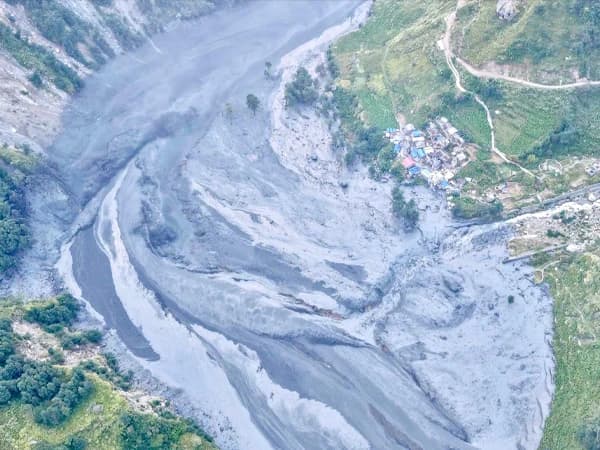
The flash flood occurred in northern Nepal on 26 August 2026 and caused severe damage to areas around Rasuwa and the Bhote Koshi River. The flooding was caused by an outburst from upstream, and a large quantity of rock debris, silt, and other materials was carried downriver.
The disaster caused extensive damage to many houses, roads, bridges, hydropower plants, markets, and other important facilities and infrastructure. The most seriously affected communities were Timure, Rasuwagadhi, Syabrubesi, and other communities downstream. Syabrubesu is the main entry point to the Langtang valley Kyanjin Gompa trek.
The tragedy caused a great loss of human lives and property. Many people have lost their lives in the disaster, and many more are injured and homeless. The search and rescue operations are still ongoing, and restoration of basic facilities has started in the affected communities.
The flooding also affected several downstream districts. But the damage was not uniform across Nepal. Some areas were hit extremely hard, while others remained largely outside the main disaster zone.
What Triggeredt the Recent Floods and Landslides in Nepal?
The disaster that befell the region on 26 August was not just heavy monsoon rain. Early reports pointed to an earthquake, but more recently, satellite and scientific analysis suggested that a huge ice and rock fall occurred in the high Himalayas of the Nepal-Tibet border.
The collapsing glacier and rock sent a huge wave into the Lhende Khola, which then went on to the Bhote Koshi. The fast flow of water, rocks, and debris tore its way downstream, while the debris blocked the river, forming another threat of flooding when the blockage gave way.
So in short: A cascade of glacier and rockfall, blockage by debris of the river, with resultant flash flood happened in a matter of hours in steep Himalayan terrain.
What is the Situation in Nepal After the Floods?
Nepal is still recovering from the heavy floods that happened on August 26, and it will take some time for the hardest-hit areas to fully bounce back. Whole villages, roads, bridges, and other important structures near the affected rivers are badly damaged, and rescue and search efforts are still ongoing.
However, travelers should know that the disaster mainly affected certain regions. Many of Nepal's big cities and popular trekking areas are not in the flood zone and are still safe to visit. Most of the country’s mountains and valleys were not directly affected, so trekking has not come to a nationwide standstill.
What Has Changed for Travelers and Trekkers in Nepal?
The biggest thing is that travellers have to be a bit more careful about where they are going and by what means. The places most affected by the heavy rains, namely Rasuwa, Syabrubesi, and the Bhote Koshi-Trishuli corridor have been hit hard on the infrastructure side.
On the other hand, major trekking areas like Everest, Annapurna, and Manaslu are outside the main affected area and are still running. So, don't think that "worldwide" the whole Himalayan region is closed because what happened in Rasuwa, if you are looking to do a trek this fall.
What does need extra attention is access and current conditions. Even when a trekking route itself has not been hit by the floods, you must check the latest local updates before departure. Nepal is recovering, but it is not closed.
Which Trekking Regions Were Affected by the August 2026 Floods?
Rasuwa And Syabrubesi: Among the Worst-Affected Trekking Access Areas
Rasuwa was seriously impacted by the August 26 floods in Nepal. The sudden flow over the Bhote Koshi river for the corridor caused the collapse of settlements, roads, bridges, trails, and the market of Syabrubesi, an important destination for trekkers. Timure and Rasuwagadhi were also impacted by the disaster floods.
Syabrubesi is however particularly impacted, as it is one of the entrance to the Langtang area. Both the road and bridge to Syabrubesi from Dhunche were impacted by the disaster. As of September, the road was still closed to traffic and people had to use the detour around the flooded area.
Thus it is clear that Nepal’s Rasuwaand Syabrubesi are not yet back to normal. The road connections and the rest of the infrastructure need to be repaired and the detour is still necessary.
What Happened to the Langtang Trekking Route?
The Langtang trekking route was affected mainly because of the damage around its gateway, Syabrubesi, rather than the entire trekking trail being wiped out. The road from Kathmandu toward Syabrubesi was hit in several places, with sections of the Pasang Lhamu Highway damaged by the flood and debris.
As for the trekking trail itself, the detailed assessment of trail conditions farther into the valley is still needed. So, saying either “the whole Langtang Trek is gone” or “everything is completely fine” would be jumping the gun.
For now, the Langtang route should be considered temporarily disrupted, particularly because of the damaged access infrastructure and the ongoing recovery around Syabrubesi.
Were Everest, Annapurna, And Manaslu Directly Affected?
Short answer: no, not because of the August 26 flooding. Those big names Everest, Annapurna, and Manaslu are trekking routes open for the coming season.
The Everest region, including the famous Everest Base Camp trek, is outside the flood zone, as are Annapurna Circuit and Manaslu Circuit.
So, there is no need to think that the August 26 flood has put all the big names in Nepal on hold. Everest, Annapurna, and Manaslu are open.
Is Nepal Safe for Trekking in Autumn 2026?
Yes, Nepal is still an option, among other places to go trekking in the country during the autumn of 2026/2027/2028. As the places that were not affected by the flood in August can still be considered safe. However, you can't say everything is completely back to normal because the disaster caused a lot of damage, and the recovery process is still going on.
So, should you plan a trek in Nepal soon? Right now, most of the popular trekking areas are open to tourists, but they follow the usual safety measures for hiking in the Himalayas. Just be sure to choose a reliable local guide or tour company, check the latest conditions in the area, and plan your trip in advance if you prefer to avoid unexpected changes.
Should You Still Plan a Nepal Trek This Season?
Yes, Nepal trekking is still possible for September 2026. Just make sure you are not planning a trek in areas that have been flood-affected. Regions of major trekking, such as Everest, Annapurna, and Manaslu are still open for trekking and Nepal is still preparing for the main autumn trekking season.
So, don’t panic. Don’t just cancel all your mountain plans. Pick your route wisely, keep yourself updated, and be ready to change your itinerary whenever required. Being flexible goes a lot further when you are trekking in the Himalayas.
What Should You Check Before Trekking in Nepal After the Floods?
Check trail, road status, and weather alerts for the region you are trekking in before you leave. Don’t just accept an itinerary you made months ago.
You might also want to ask your local trekking agency, guide, or lodge for any updates right before you leave. They’ll have a better sense than an online update a few days old of whether roads, bridges, and trail sections are passable.
And be careful to leave some slack in your time schedule. Landslides, bad weather, and road closures can still delay you, especially with Nepal now exiting the monsoon period. Verify that your travel insurance covers trekking and emergency evacuation.
Nepal Is Recovering: What Trekkers Should Keep in Mind
The recovery from the August floods is a tough one for Nepal. For many, the process of moving on will take far longer than clearing the roads. Crucial infrastructure and entire settlements have been razed to the ground, and rescue and relief operations continue in the worst affected regions.
For trekkers, what you need to keep in mind is this: the Floods disaster should not cause you to write off Nepal entirely, but you should be careful not to overlook it either. The situation is very different from one place to another, so plan accordingly along the trail you intend to walk.
If you are trekking in the mountains this fall, keep the itinerary flexible, check on the latest local conditions, live your guide’s or trekking agency’s suggestions when they recommend a different route. And maybe most importantly, travel this season with a pinch of patience and respect.
FAQs
Are Everest treks safe after the August 2026 floods?
Yes. The Everest region did not lie in the direct path of the August 2026 floods, so the trek to Everest Base Camp is open.
Is the Annapurna trek safe after the floods?
Yes, Annapurna itself was not heavily affected by the August 2026 floods. The main trekking routes in Annapurna are still open, but check current access before planning a trek.
Is the Manaslu Circuit Trek safe after the floods?
Yes. Manaslu Circuit trek is outside the major flood path in Nepal, so trekking is open. As always, trekking/road conditions should be verified before traveling.
Is Nepal safe for trekking after the August 2026 floods?
Yes. Trekking in Nepal is still open across Nepal. The safest way to plan a trek is to plan region by region. Trekking routes were affected in some areas, but not all of Nepal.
Is Langtang Valley Trek safe after the floods?
Caution right now. Langtang survived the August 2026 floods but will be in need of a complete infrastructure rebuild. Access to the valley via Syabrubesi was destroyed, and the path conditions are not yet clear.
Was Syabrubesi affected by the August 2026 floods?
Yes. Syabrubesi was one of the hardest hit settlements in the August 2026 floods in Nepal, so expect heavy damage to the infrastructure there.
Are the main trekking routes in Nepal open for autumn 2026/2027?
Nepal trekking like 2026/2027 is already running and the Everest, Annapurna, and Manaslu routes are still open for autumn. and not affected by flooding from August 2026.
Can I go trekking in Nepal in September, October, November, and December 2026?
Yes, but September can bring monsoon showers and variable conditions, October, November already the good weather and December are a little bit colder and it’s cool and fresh and less tourist in the trekking region, so you need to check your route, transport connections, and weather conditions.
What is the risk of weather and landslides in Nepal after the August 2026 floods?
Heavy rain is still a risk factor for landslides, muddy trails, flash-flooded rivers, and road closures in vulnerable mountain and river corridors.
What were the most severely impacted parts of Nepal by the August 2026 floods?
Rasuwa and the Bhote Koshi-Trishuli corridor bore the brunt of the damage, and reports of further impacts were received from downstream in Nuwakot, Dhading, Gorkha, Chitwan, and Tanahun.
Should I postpone my Nepal trekking trip because of the August 2026 floods?
No, your trekking plans shouldn’t automatically be postponed if you are in a region that isn’t affected, but you should be prepared to change your itinerary if local situations develop.
What do I need to check before trekking in Nepal after the floods?
Refer to the latest trail, road, and weather conditions, verify them with your guide or local operator, and keep your plan flexible.