Why Acclimatization in Namche Bazaar is Important?
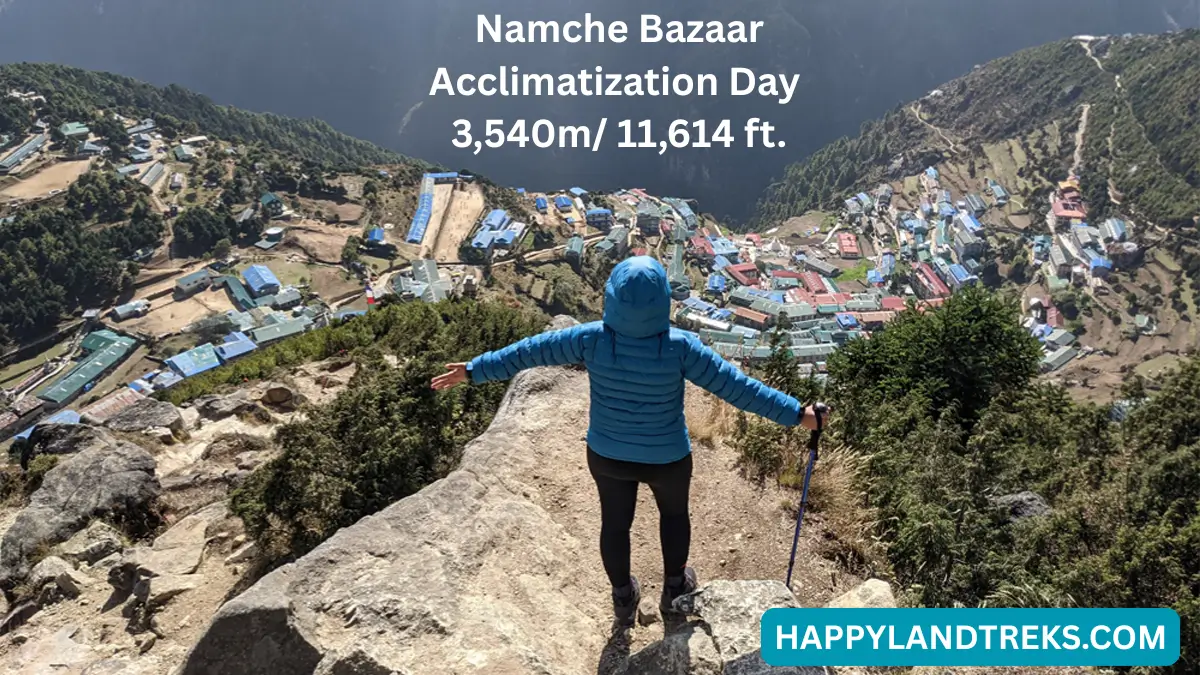
Here is the thing: why does Namche Bazaar matter so much when adjusting to altitude? Well, it is like letting your body learn the ropes up high, bit by bit.
Good acclimatization keeps you safe from high-altitude illness, cuts chances of severe issues like HAPE or HACE, while also boosting your trekking stamina: your body gets space to adapt to low oxygen levels.
Skip this step? You are risking dizziness, vomiting, and maybe even an emergency drops in elevation, regardless of your fitness level. Believe it or not, even seasoned hikers can not dodge these effects.
Everybody must acclimatize in Namche Bazaar: newbies, experienced trekkers, thrill-seekers, or folks who are convinced that they are faster than thin air. Up in Namche Bazaar, your system adjusts on its own, while you take in jaw-dropping peaks, rich local traditions, and a chill highland rhythm.
Later on, I will cover how to get used to the altitude in Namche: think of light treks or strolling through local villages. These slow-paced options let your body adapt naturally. Doing them keeps things easy instead of tiring. You won’t feel pushed; just gently tuned in.
Understanding AMS: Early Symptoms & High‑Altitude Challenges
Let us chat about Acute Mountain Sickness and your body shouting it can not handle the thin air found high in the Himalayas. This condition pops up most often when climbing past 2,500 - 3’000 meters, say around places such as Namche Bazaar, sitting at 3,440 meters.
It occurs since your body takes time getting used to less oxygen and thinner air; otherwise, your lungs, heart, and maybe brain begin acting up. The altitude sickness signs tend to pop up 6 to 24 hours after climbing higher, yet they might be just slight hassles or turn into bad headaches, throwing up, tiredness, light headedness, trouble sleeping, no hunger, or that "why is it hard to breathe?" sensation.
Here is the thing: AMS could not care less whether you are strong, quick, or seasoned. What matters is how fast your body hits high elevation. Brush it off, climb too soon, and then you could face HAPE (which is liquid in the lungs), or HACE (which means brain swelling). These are serious, though they don’t happen often when you take time adjusting to the Everest Region hike.
Right now, those first signs are your body gently nudging you: “Whoa, take it easy, give me a second.” Pay attention, drink water, chill out, go at your own peace, and then you will enjoy the wild mountain scenery and the energy of Namche Bazaar without feeling woozy or sick halfway through.
Best Acclimatization Hikes in Namche Bazaar
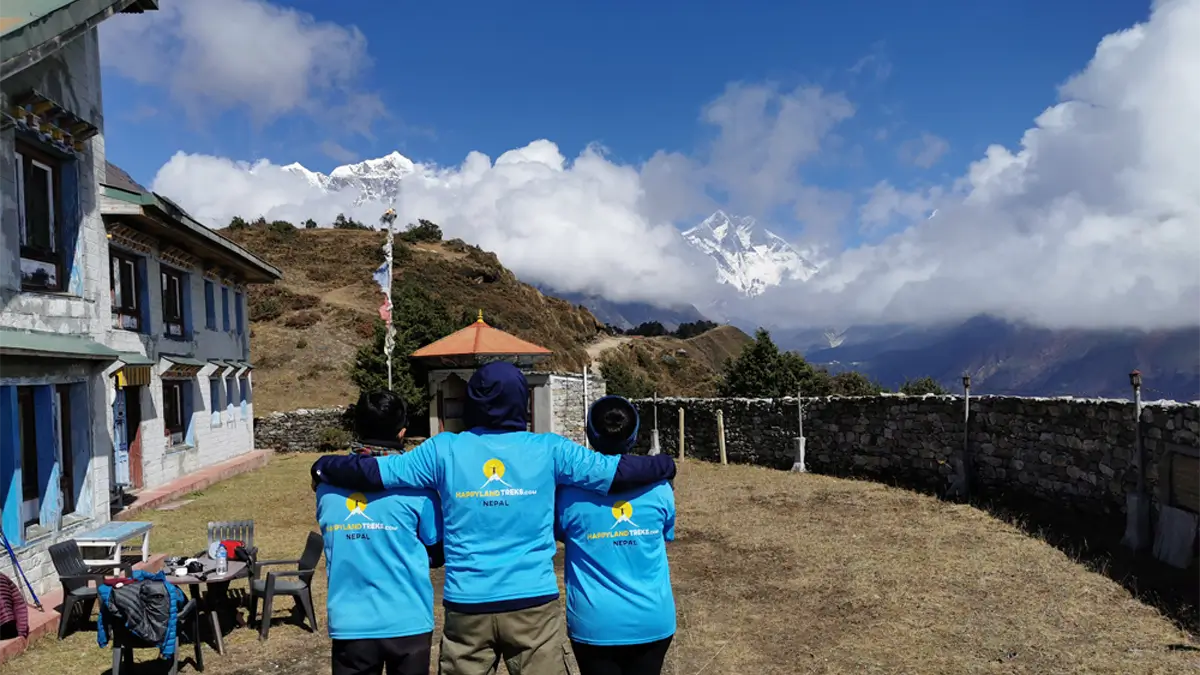
Hike to Everest View Hotel (3,880 Meters)
If you are hanging out in Namche Bazaar and want to adjust to the altitude without acting like a machine built for uphill hikes, try walking up to Everest View Hotel (3,880 meters): it is kind of perfect. This little trip turns your standard Namche adventure into fancier Namche Bazaar short trekking.
You are using the old "climb high, sleep low" move. As you gain about 400 meters by daylight, let your breathing and heartbeat adapt up there, then drop back to Namche to chill overnight. Fit or not, anyone might still run into altitude issues; taking it slow like this gives your system time to catch up without stress.
On this path, it is more like a daydream, as it is only roughly 2.7 - 3 km each way. Move past pine trees, follow zigzag turns, while climbing just enough so your lungs don’t scream for mountain oxygen.
The whole hike lasts about 3 hours (2 going up, 1 coming down), giving you loads of moments to take in the wild mountain sights like Everest (8,848.88 meters), Ama Dablam (6,812 meters), Lhotse (8,516 meters), Nuptse (7,861 meters), along with Thamserku (6,623 meters) After that, grabbing tea or a snack at the lodge lifts your spirits while letting your body adjust a bit more to the height.
Pro tip: Start at sunrise as the sky is crisp, the air is chill, and pictures turn out sharp without the sweat. This trek boosts heart rate while snapping shots, blending fitness with views, all as your body quietly adapts to Namche’s thin air.
Visit the Sherpa Culture Museum & Everest Photo Gallery
If you are hanging out in Namche Bazaar but need to take it slow due to altitude, checking out the Sherpa Culture Museum along with the Everest Photo Gallery makes for an ideal chill activity. Namche Bazaar is the land of the Sherpa people, and this spot sits right in the heart of Sherpa territory, which is just a light stroll from downtown, less than a km away.
This museum is made in the old Sherpa way, featuring real tools from daily life, worn clothes, sacred spots for praying, and also bits of history tucked into tight corners. Think of it like stepping back without moving far, where every nook holds stories older than most towns.
Moving ahead, the Everest Photo Gallery brings some more excitement, showcasing old pictures and achievements of mountain Sherpa climbers along with famous climbs, like those by Tenzing Norgay Sherpa. This quiet activity keeps you moving while avoiding strain, letting your system slowly adapt to the lighter atmosphere in Namche.
Afterward, try stopping by the Everest-Sagarmatha National Park Visitor Centre. It will help you learn about local plants, animals, plus how life thrives in high-altitude zones. Because of these things, your rest day turns into something lively, almost like exploring hidden gems instead of just adjusting to altitude.
Here is a tip: just moving around like this gets your body going, clears your lungs, keeps thoughts lively, all while you take in the wild Himalayan views and soak up Sherpa culture.
Toss in a little cash, spend part of your day here, and it adds up to a smarter, safer, enjoyable adjustment during your hike to Namche Bazaar.
Acclimatization Walk to Everest View, Khumjung & Khunde Villages
If you are after a cool way to adjust to height while diving into real Sherpa life, trekking up to Khumjung or Khunde Village from Namche Bazaar is the move. Sitting above Namche Bazaar, Khumjung hits 3,790 meters, while Khunde climbs to 3,840 meters. They give your body time to ease into thinner air without pushing it.
Khumjung has stone-built homes, lively Sherpa traditions, while the monastery there claims to hold a real Yeti scalp, believe it or not. Not far off sits the Hillary School, set up by Sir Edmund himself so kids here could learn better.
Then there is Khunde, just a quick walk from here; it is calmer, no noise, thanks partly to the clinic opened by the Himalayan Trust. That gives folks a quiet break instead of dealing with Namche’s crowds.
The trail looping from Namche up to Khumjung, then over to Khunde before returning to Namche, coversroughly 7 to 8 km. Most folks finish it in anywhere from four to five hours, though that depends on how many times you stop to snap pics or just hang around watching yaks.
Trails are clearly marked, mostly flat but with slight climbs now and then. You can expect open meadows mixed with typical Khumbu landscapes. Terraced farms appear along the way while prayer flags wave softly in the wind, all beneath wide-open skies showing Ama Dablam, Thamserku, plus Kongde Ri. The hike feels light on effort yet helps your body adjust slowly; it gets your blood moving, breath steady, thoughts relaxed.
Expert Acclimatization Advice from Local and Sherpa Guides
- Drink like a camel, hydrating constantly. Aim for 4 to 5 liters of water a day (more on tough days) as the dry mountain air may make you lose water faster than you think!
- Avoid alcohol as it dehydrates your body and makes acclimatization harder. Save the toast for Sherpa beer after the trek.
- A little tea or coffee can be comforting, but too much can sneakily dehydrate you and mess with sleep.
- Overexertion increases the risk of altitude problems, so slow, steady pacing is your friend.
- Climb high, sleep low, not the other way around! This classic Sherpa trick lets your body practice at higher elevations without taxing it overnight.
- Sherpa guides recommend carb‑rich meals like Dal Vhat, rice, curry, lentil soups to keep energy up without weighing your stomach down.
- Listen to your body as it’s smarter than your ego. Feeling dizzy? Headache? Tired faster than your phone battery? Don’t ignore it. Rest, hydrate, and maybe consider a descent.
- Avoid smoking as it reduces oxygen absorption.
- Water alone isn’t enough; altitude makes you lose salts, too. Thus, pack electrolytes to help keep muscles and nerves happy.
Quick Summary for First-Time Everest Trekkers
Alright, first-time Everest trekkers, here is the deal: acclimatization in Namche Bazaar is your body’s best friend at 3,440 meters. Sure, being fit helps, but no amount of squats or cardio can magically prep your lungs for thin mountain air.
Altitude adaptation is a physiological process, and Namche’s scheduled acclimatization days give your body the time it needs to adjust gradually, rest properly, and avoid the dreaded AMS or worse. Thus, Namche is perfectly placed on the Everest Region trek.
Namche Bazaar is high enough to get your body moving but low enough to sleep safely, making it the ultimate “practice round” for higher elevations.
Proper acclimatization here keeps you safe, boosts your stamina, energy, and enjoyment, letting you actually Savor those jaw-dropping Himalayan views instead of wheezing through them. Think of it as giving your body a gentle pep talk before it tackles the big league peaks.
FAQs
Can I see Everest View from the Namche Bazaar?
Yep! When skies are clear, you get wide-open sights of Everest, Ama Dablam, Lhotse, and also Nuptse from Namche Bazaar or quick walks near spots such as the Everest View Hotel.
Is the Namche Bazaar Trekking worth doing?
Fully! Namche Bazaar serves as a crucial spot to adapt, giving breathtaking mountain views while immersing you in local Sherpa life. Here, hikes ease your body into thinner air.
What is acclimatization in Namche Bazaar?
Getting used to Namche Bazaar mean giving your body time to handle less oxygen at high elevations, which helps lower the chances of altitude sickness when you climb further up.
How many days should I spend in Namche Bazaar for acclimatization?
Normally 2 nights in Namche Bazaar while you trekking up to Everest base camp or high pass. Doing short trails or strolling through local villages, to let their bodies adjust slowly, without risk.
And trekkers who are doing just the Everest view trip and Hotel Everest view, they might stay an optional couple of days like Namche, Khumjung, Khunde, Kyangjuma, Tengboche. And return back downhill.
Can beginners handle the Namche Bazaar acclimatization hikes?
Fine! Treks such as Everest View Hotel or local strolls toward Khumjung plus Khunde feel manageable, even for beginners. You will get great views, work well for new hikers, and also help adjust to the height safely.
What are the common AMS symptoms to watch for in Namche Bazaar?
Headache or nausea might show up first, and as you get these hints, you should slow down, drink water, and take it easy instead of pushing higher too fast.
Is visiting the Sherpa Culture Museum helpful for acclimatization?
Fair enough, this slow-paced move keeps you active up high, plus it brings deep cultural flavor, so adjusting feels light and enjoyable.
Does the season affect acclimatization in Namche Bazaar?
Yep! Spring or autumn work best as the weather is steady, skies stay clear, plus trail conditions help you adjust safely.
But I have seen people doing Everest view trek in December, January, June, and July as well.