What is Hiking to Everest Base Camp (And Why is Everyone Obsessed with It)?
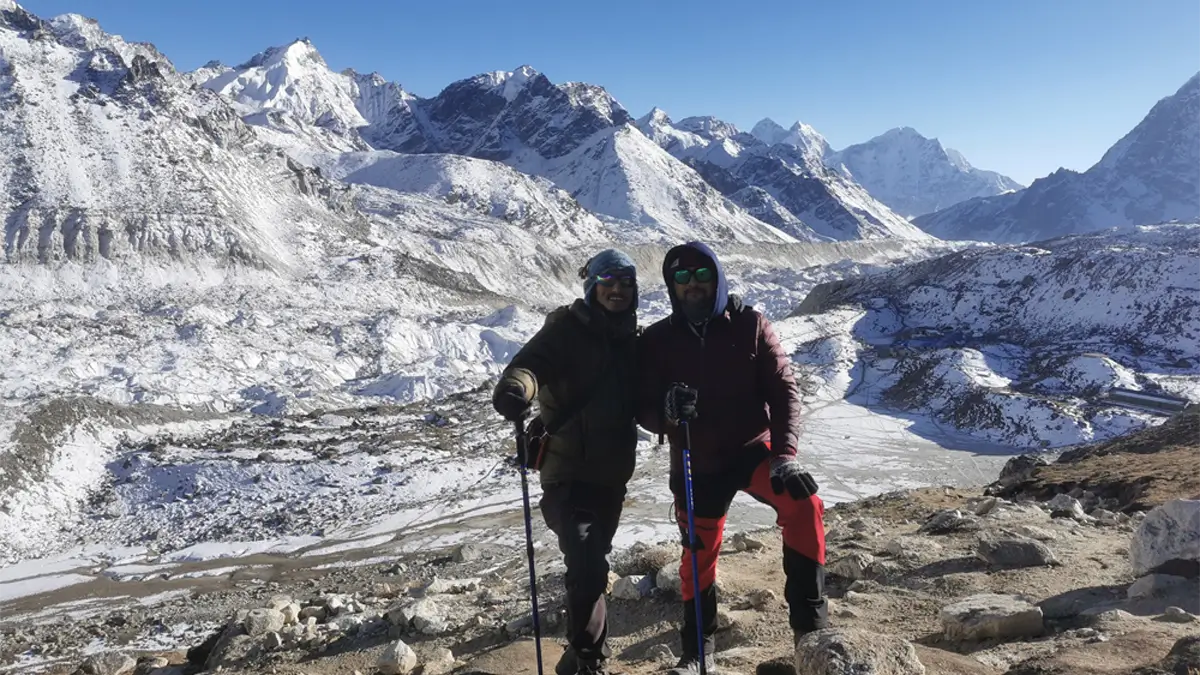
Hiking Everest Base Camp isn’t about climbing peaks. Instead, it unfolds across rugged trails in Nepal’s thin air. You reach the foot of the tallest mountain while walking steady paths through remote valleys. No ropes needed. No ice axes either.
A plane drops you into Lukla, cutting out the long trek just to begin. From there, a winding path unfolds beneath Himalayan peaks, threading through stone villages and pine-scented air. This route skirts Everest without needing ropes or summit fever.
Around 12 to 14 days usually pass during the EBC trek, covering about 130 kilometers there and back, slowly climbing so bodies can adapt to less oxygen. Some of Earth’s tallest mountains form the backdrop; this path becomes the true centerpiece.
Everest Base Camp pulls people in; here’s why. A real Himalayan journey, big enough to feel legendary, close enough to reach.
Why Hike to Everest Base Camp in Nepal?
Starting at lower valleys, the walk toward Everest Base Camp unfolds through thin air, following trails where porters pass carrying supplies. Reaching the foot of the world's tallest peak does not demand climbing experience, just steady steps over rugged paths.
Most travelers make the journey by moving slowly upward, adjusting to heights along stone-walled villages. You arrive below Everest after days of walking past prayer flags strung between wooden posts. No ropes or ice axes needed.
A sudden plane ride drops you into Lukla, kicking off your walk through the Khumbu valleys. Far from scaling Everest itself, this path brings you near enough that snow-capped views fill every pause.
Starting slowly, the EBC trek lasts about two weeks and spans close to 130 kilometers there and back, gaining height bit by bit so bodies adapt. What makes it stand out isn’t just the destination, as towering mountains rise all around.
Truth is, most people crave the trail to Everest Base Camp for one reason. It offers a real mountain journey, big enough to feel legendary, close enough to actually reach.
How Difficult is Hiking to Everest Base Camp Really?
The honest answer? A tough journey, hiking to Everest Base Camp, still stays within reach. Though classed as moderate or harder due to elevation, it's the relentless climbs and extended hours on foot that shape the experience.
Here's the upside: no special gear or training is required, so anyone with steady stamina can join. Walking becomes your main task, step after step. Slow movement is expected, and patience matters more than speed. Being in reasonable shape helps, but determination plays a bigger role.
Most of the time, you are moving uphill slowly, 5 to 7 hours a day for almost ten days. What catches people off guard? It’s not how far they travel, it’s the thinning air that weighs more heavily.
Up there past 3,000 meters, the air gets thinner. That’s when breathing feels harder, so rest days appear on the plan, giving your body space to adjust slowly.
Walking to Everest Base Camp tests stamina far more than muscle power. Not every hiker runs races, yet getting used to hours on foot makes things easier.
Mind-wise, that’s the true test. Certain mornings spark joy, then come moments when doubt creeps in mid-climb, watching a yak glide past, effortless, like it knows something you don’t.
Everest Base Camp sees plenty of first-time trekkers each season. Sure, it's possible for newcomers to make the trip, provided they train well ahead of time.
Cost of Hiking to Everest EBC Base Camp (A Realistic Breakdown)
A single journey to Everest Base Camp might take anywhere from 1,400 to 3,800 $ U.S. dollars, though the total shifts based on choices made ahead of time. Spending more often means extra comforts along the way instead of bare essentials only.
A long journey often begins with something you pay for before moving an inch. The trip from Kathmandu to Lukla counts as one of those early costs. This flight offers views that grab attention. It also brings a quiet jolt when landing feels too quick.
Carrying everything yourself? Not fun. Trekking permits show up early, often alongside a guide or maybe a porter if you would rather walk light. Tea house beds wait each night, simple but warm.
Food comes from trail kitchens. Charging your phone takes coins, sometimes patience. Wi-Fi sputters through thin air.
Up top, meals and lodging get pricier, since hauling supplies like instant noodles uphill takes effort. What runs just a couple of bucks in Kathmandu might easily double or triple close to Everest Base Camp.
Permits, Flights, And Daily Expenses
Most of your money goes toward just a few key parts when figuring out how much it costs to hike to Everest Base Camp. Permits eat up a big chunk without making noise about it. Flights slip in next, often more than expected. Day by day on the trail, small spending adds up faster than you might think.
Ahead of stepping into the Everest area, paperwork comes first. For access, you will need two permits: a Sagarmatha National ParkPass and a Khumbu Pasang Lhamu Rural Municipality. Skipping these isn’t an option.
First, the well-known plane trip from Kathmandu to Lukla. Though brief, it cuts out many days on foot, placing travelers right at the trail's edge. Patience grows necessary when clouds linger overhead.
Flying into Lukla during peak times usually means leaving from Manthali Airport, located in Ramechhap. That spot sits far from Kathmandu, so reaching it demands a long road trip lasting most of a day.
Most folks notice costs creeping in once they hit the trail. Around 30 to 60 $ U.S. dollars each day covers meals and little extras, give or take, based on how fancy your tastes run.
Best Time to Hike Everest Base Camp
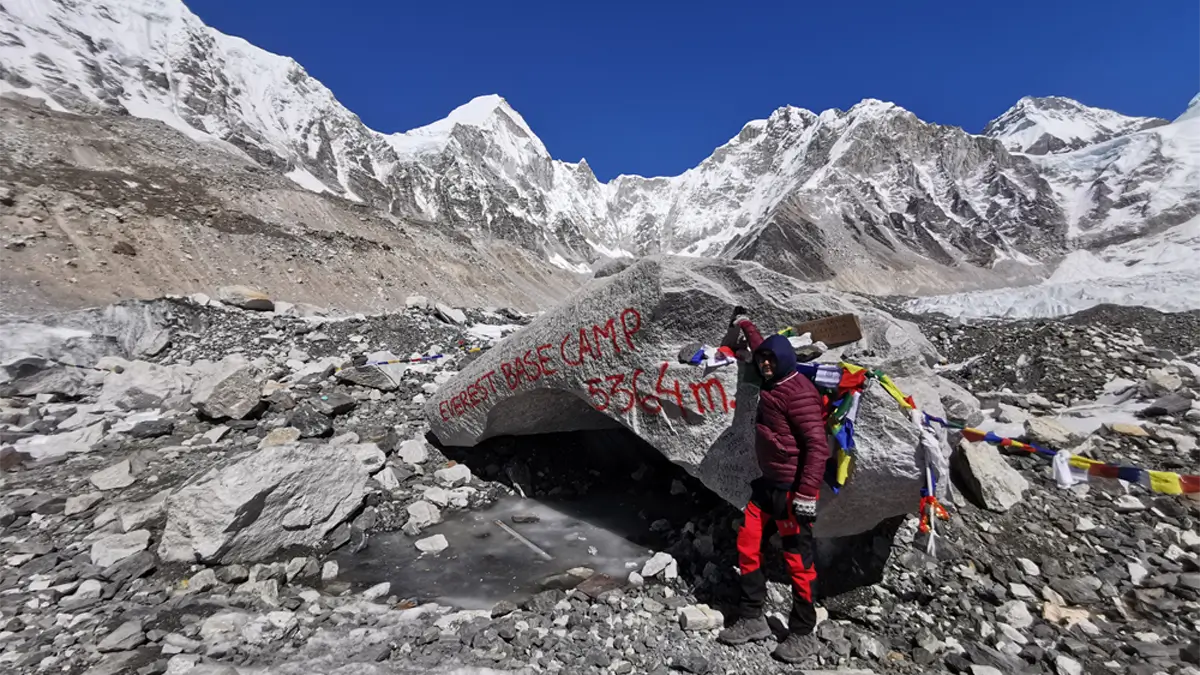
The best time to hike Everest is during spring (March to May) and autumn (September to November). Now a days December also good weather. Spring brings calmer winds, so most climbers head up then.
Visibility climbs when the monsoon clears out around September. Fewer storms mean fewer delays. Clear skies often linger between April and May. October light tends to be sharp and crisp. Crowds spread out if you pick shoulder weeks. Mornings usually burn off fog by nine.
Wildflowers wake up the mountain paths when spring arrives. Rhododendrons burst into color just as days grow milder. Trekkers fill the air with chatter while heading toward high camps.
Fall brings sharp mountain scenes once the rains clear out the haze, leaving peaks like Everest bold against the sky. Dust fades, visibility grows, and colors sharpen.
Spring brings crowds buzzing with excitement at Everest Base Camp. Meanwhile, crisp skies in autumn hand you sharp mountain scenes without blur.
Is EBC Possible During the Monsoon or Winter Season?
Fewer people trek to Everest Base Camp in the monsoon or winter, yet some still do when the weather allows. Conditions turn tougher; paths get slick from rain, and cold bites harder at high altitudes.
Mist often hides views, trails soften underfoot, and days shorten without warning. Still, those who go find a quieter mountain, less crowded paths. Snow piles in December, and rainy by July, August. Each step feels heavier, gear matters more than before.
High up, the trail to Everest Base Camp stays open all twelve months. Still, June through August brings heavy rains that mess with paths and views. December to February piles on bitter cold and snow without much warning.
Heavy rains often drench the lower parts of the Everest area when the monsoon hits. From time to time, the mountains peek through fog before vanishing again. Flights heading into Lukla tend to wait longer on the ground, held back by shifting weather.
When the rains come, everything grows lush and vivid. Fewer people wander the trails, so paths stay clear. You might enjoy the stillness more than expected.
Frost grips the trail early when walking to Everest Base Camp in winter. Clear skies show off sharp peaks, yet cold bites hard after dark.
Everest Base Camp, can it be done when rain pours down every day? Yes, if you have packed correctly. Still, that doesn’t mean it suits all travelers equally well.
Food, Accommodation, and Daily Life on the EBC Trail
Far from roughing it under the stars, reaching Everest Base Camp means walking into tea houses each evening. These small lodges offer beds, warm meals, and even charging points in the dining room along the trail.
Comfort comes in layers here with blankets, thin walls against the wind, and shared rooms with fellow travelers. Nights feel quiet yet full of low chatter through thin doors. The path climbs steadily, but so does access to basic ease. Rugged views stretch wide while life stays surprisingly manageable.
Folks who live close to Everest usually stay in modest guesthouses run by Sherpa families, their rooms fitted with basic twin beds, heat humming in gathering spaces where food is passed around.
Off the trail, meals surprise with their range. Nearly everywhere you pause, dal bhat waits with lentils and rice poured again and again. With that, options spread: noodles, fried rice on a plate, pasta drenched in red sauce, hot broth in deep bowls, eggs stirred until fluffy, sometimes even a sweet pie made from apples.
As night falls, people gather near a shared dinner space to warm up. Talk flows between travelers who have come from everywhere. Some pass time with card games instead of speaking. A few just sit quietly doing their own thing.
WiFi, Charging, and Showers in the Himalayas
Yes, you can find WiFi, charging points, and even hot showers while hiking to Everest Base Camp, but expectations need to shift slightly from “fast and unlimited” to “it works… eventually.”
WiFi is available in most villages through paid services. Speeds vary depending on weather and altitude, which means sending a message usually works fine, but uploading 47 mountain selfies might require patience and strong emotional resilience. The higher you go, the slower the connection becomes.
Charging electronic devices is also possible at nearly every tea house, usually for a small fee. Power comes from solar panels or local hydroelectric systems, so outlets are often located in dining areas rather than bedrooms.
And yes, hot showers exist, at least in lower and mid-altitude villages. Most are gas or solar-heated and come with an extra charge, and as altitude increases, showers become less frequent and more… character-building.
Do You Need a Guide or Porter for Nepal Everest Base Camp?
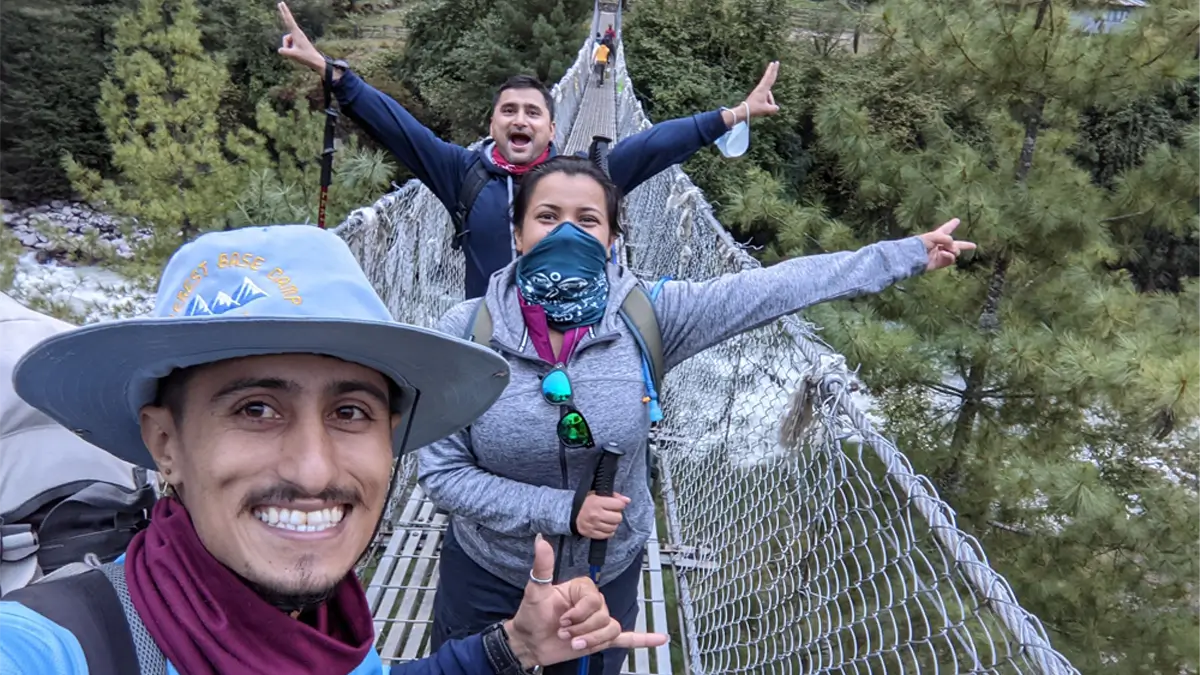
Well, hiring the guides and a porter is totally a customer choice, like up to you either hiring guide for the trek or not. but normally hiring a guide or a porter is more comfortable with easy access and stress out you're more free yourself. And hiking with a guide is more safe and secure as well. And hiring local guides or porters from the local operator that you help to give them jobs also. Which is beneficial support for the community people.
A seasoned Everest Base Camp guide maps out the trail. They keep an eye on safety, manage how fast you climb to handle thin air, share stories from locals, then sort things with tea houses along the way, meanwhile the porter hauls your gear so your legs aren’t screaming by the time you reach Namche Bazaar.
A first trip to Everest Base Camp? That is when a local experience guide makes things clearer. Safer steps come with someone who knows the path well. For those new to big heights, having help smooths every part of the journey.
Early signs of altitude sickness? Guides catch those fast, a real game-changer up high. Up ahead, porters glide past like mountain ghosts.
Out here, the days slow down once help arrives. Walking feels lighter when someone else worries about the details.
Common Everest Base Camp Trek Mistakes to Avoid
High up on the list of well-known hikes sits Everest Base Camp, yet folks still trip into silly errors year after year. Near 5,000 meters, each misstep echoes through the mountains differently.
● Trekking too quickly is the number one cause of altitude sickness. Slow walking is a survival strategy.
● Skipping acclimatization days to “save time” is basically asking the Himalayas for a reality check. Your body needs time to adjust to altitude.
● Overpacking is a classic Everest Base Camp mistake. You do not need five jackets, three jeans, or a hairdryer. Remember: every extra kilo eventually feels like emotional baggage.
● Nights get freezing, especially above Dingboche. Proper layers are essential unless you enjoy sleeping like a frozen momo.
● At altitude, dehydration sneaks up faster. Drink 4 to 5 liters daily, even when you are not thirsty. Tea counts. Coffee sadly betrays you.
● Many trekkers skip insurance, thinking nothing will happen. Helicopter evacuation costs quickly change that opinion.
● Breaking in boots on the trek itself equals blisters, regret, and creative walking styles. Always test your trekking shoes before arriving in Nepal.
● Ignoring symptoms like dizziness, nausea, or severe headaches is a serious EBC trekking mistake. Descend if symptoms worsen.
What Hiking to Everest Base Camp Really Feels Like?
Hiking to Everest Base Camp feels different each day? First thing, the hike seems fun and light. Landing in Lukla, camera clicking nonstop, a quiet pride kicks in, “Turns out, I can handle more than expected.” A handful of days later, each climb demands full attention.
Up there, each step takes longer than before. Breathing feels heavier the farther up you climb. Just zipping a jacket might need a pause. Simple things start to weigh more. The air changes how effort works.
Exhaustion hits hard, yet that view of Ama Dablam at dawn pulls everything into sharp focus. Still, light spills across the peak. The body drags, but eyes lock on the mountain’s face painted gold. What felt unbearable now seems worth it.
Out here, trails turn strangers into quick companions. People arrive from every corner of the map, swapping sweat and sore feet as currency. Every new rooftop spotted ahead pulls cheers from tired lungs.
Imagine walking toward a mountain that seems too big to reach. Each step pulls you forward even when your body wants to stop.
FAQs
Can beginners successfully complete the hike to EBC?
Fitness at a modest level helps, yet it is taking time to adjust that truly matters. Even first-timers reach the base camp.
Is the Everest Base Camp Trek safe?
Most folks find the EBC trail pretty safe; move slowly, let your body adjust to the height, since listening to local guides really helps. Still, pacing matters more than most think.
Do I need travel insurance for the Everest Region in Nepal?
Flying into thin air means backup plans matter. Cover that handles extreme heights plus emergency airlifts? Not optional.
How long does hiking to Everest Base Camp take?
12 to 14 days typically cover the full trek to Everest Base Camp and back, starting from Lukla. Acclimatization breaks are built into most schedules along the way.
How high is the Everest Base Camp?
High up where the air feels thin, Everest Base Camp rests near 5,364 meters, around 17,598 feet above the world below.
Can you see Mt Everest from the base camp?
Funny thing, the peak hides just enough at Base Camp to keep climbers guessing, while Kala Patthar offers a clearer look down the mountain's spine.
Do I really need to climb Kalapatthar while hiking to Everest?
Climbing to Kalapatthar is optional but highly recommended for the grand close up to Mt. Everest view and surrounded vistas.
How many hours of climbing Kalapatthar from Gorakshep?
Climbing Kalapatthar between 2 to 3 hrs from Gorakshep. It depends on your walking pace.
Can I stay 2 nights in Gorakshep during the Everest base camp hike?
Yes you can stay 2 nights at Gorakshep during the Everest base camp hike and explore around.
Whats is famous for Kalapatthar?
Kalapatthar is one of the best viewpoints of mount everest and the morning sunrise and evening sunset view.