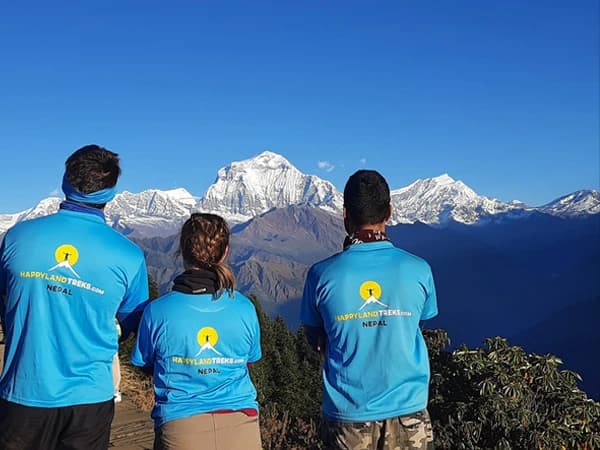
Annapurna Mountain View from Poon Hill 3210m.
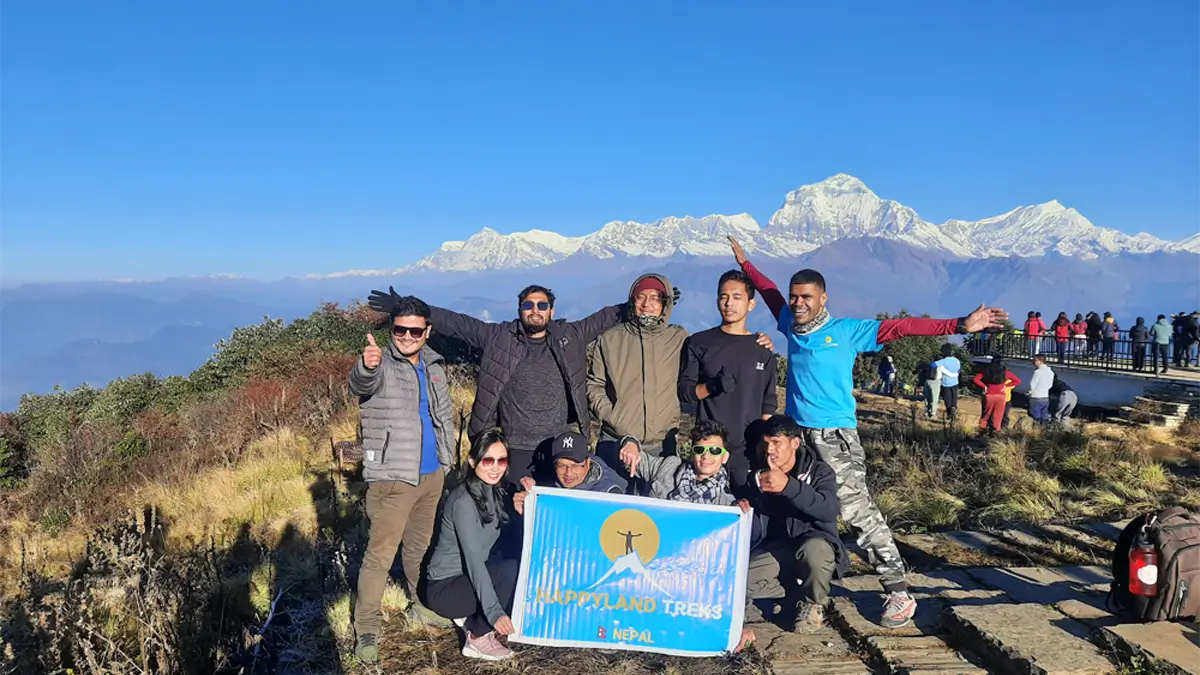
We can see sunrise view and sunset view from Annapurna Poon Hill include 15 different mountains of the Annapurna range. Below is the list of the visible mountain views from Poon Hill, 3210m, Nepal.
| Peaks |
Height |
| In meter |
In feet |
| Gurja Peak |
7,193 m |
23,599 ft. |
| Dhaulagiri IV |
7,661 m |
25,135 ft. |
| Dhaulagiri V |
7,618 m |
24,992 ft. |
| Dhaulagiri III |
7,715 m |
25,311 ft. |
| Dhaulagiri II |
7,751 m |
25,430 ft. |
| Dhaulagiri |
8,167 m |
26,795 ft. |
| Tukuche Peak |
6,920 m |
22,697 ft. |
| Dhampus Pass |
5,250 m |
17,220 ft. |
| Dhampus Peak |
5,250 m |
17,220 ft. |
| Nilgiri |
7,061 m |
23,166 ft. |
| Annapurna |
8,091 m |
26,545 ft. |
| Annapurna South |
7,219 m |
23,684 ft. |
| Hiunchuli |
6,411 m |
21,132 ft. |
| Gangapurna |
7,455 m |
24,457 ft. |
| Machhapuchre |
6,993 m |
22,943 ft. |
All these peaks with beautiful sunrise views over Annapurna and Dhaulagiri ranges.
What set this Ghorepani poon hill trek apart?
Poon Hill trek stands out, offering stunning Himalayan views, including the world’s 7th heights mountain, Mt. Dhaulagiri. The trek passes through lush Green Hill, forest, and mountain valley.
1. The Forest Shapes the Experience
The sunrise from Poon Hill often gets most of the attention, and for good reason. But the hours spent walking through the forest leave just as strong an impression.
The trail between Ulleri, Banthanti, and Ghorepani passes through:
- Old oak and mixed hardwood forests
- Section with dense bamboos
The forest feels active rather than quiet during the warmer months. You can get scent of damp soil and pine in the air, and bird chirping makes you feel at peace, away from traffic noises. These stretches slow the pace naturally and give the trek much of its character.
2. The Stone Steps Have a Purpose
There is a long staircase near Ulleri. And yes it’s tiring to climb. Many trekkers feel that climb as the hardest part. Step after step, these stone steps climb steadily uphill, and the effort is noticeable.
The steps were first built to help local and trekkers navigate the terrain safely, transport goods between lower and higher settlements.
Ulleri and surroundings villages were part of a trade routes between lower hills and mountain regions. These steps helped people to carry goods like vegetables, grains, and salt more safely.
They contributed to safety and sustainability. Once you complete this steep stone steps, the trail ahead feels more comfortable, both physically and mentally.
3. Ghorepani After Dark is often Missed
Many trekkers arrive in Ghorepani focused on the early morning hike and turn in soon after dinner. Taking a short walk outside later in the evening can quietly change the experience.
On clear nights, the village becomes still. The air turns sharp, the ridgelines fade into darkness, and the sky opens up with visible stars. This quiet moment adds contrast, making the sunrise the next morning feels sharper and more meaningful.
All these beautiful things to experience and create memories but when to go? When is the best time to go on this trek? No worries now let’s see when.
Best Time to do Ghorepani Poon Hill Annapurna Short Trek
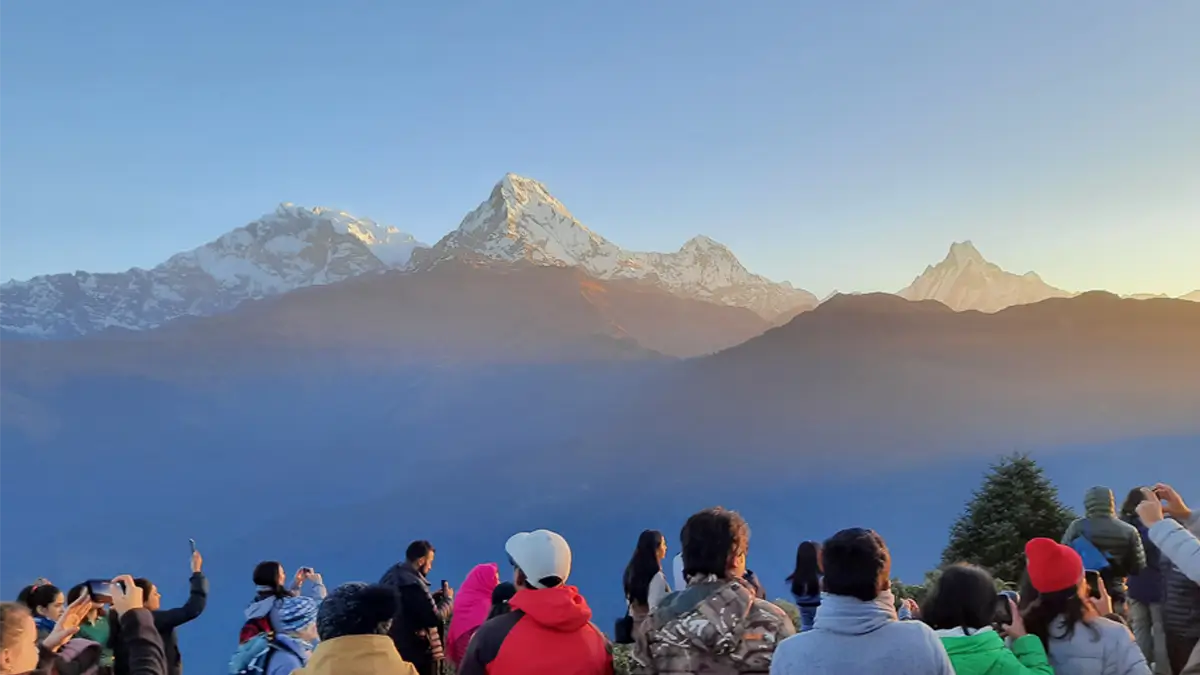
Annapurna Poon hill short trek is the trek that can be done in any seasons of the year. However, the scenery may be different when you trek in different seasons.
The spring falls during the month of March to May. During the season of spring, the trail becomes is full of fresh green plants, beautiful flowers blooming around, clear skies and ideal weather.
Autumn comes during the period of September to November. It is considered the peak trekking season as the weather is good with fresh air and you can get the clear view of mountains after the monsoon.
Winter & Summer Considerations:
During Winter that falls from December to February, there are fewer crowds than at other times. So, you can enjoy the trail with fewer crowds.
Also, the views of mountains covered in white snow will really take thy breathe away. But you have to be ready for coldness in the morning and at night. As well as you have warm gear, there is no problem.
From June to August, during the time of Summer/ Monsoon, thou can enjoy the greenery and lush region but the trail can be muddy and wet.
Ghorepani Poon Hill Annapurna Trekking Itinerary 9 Days
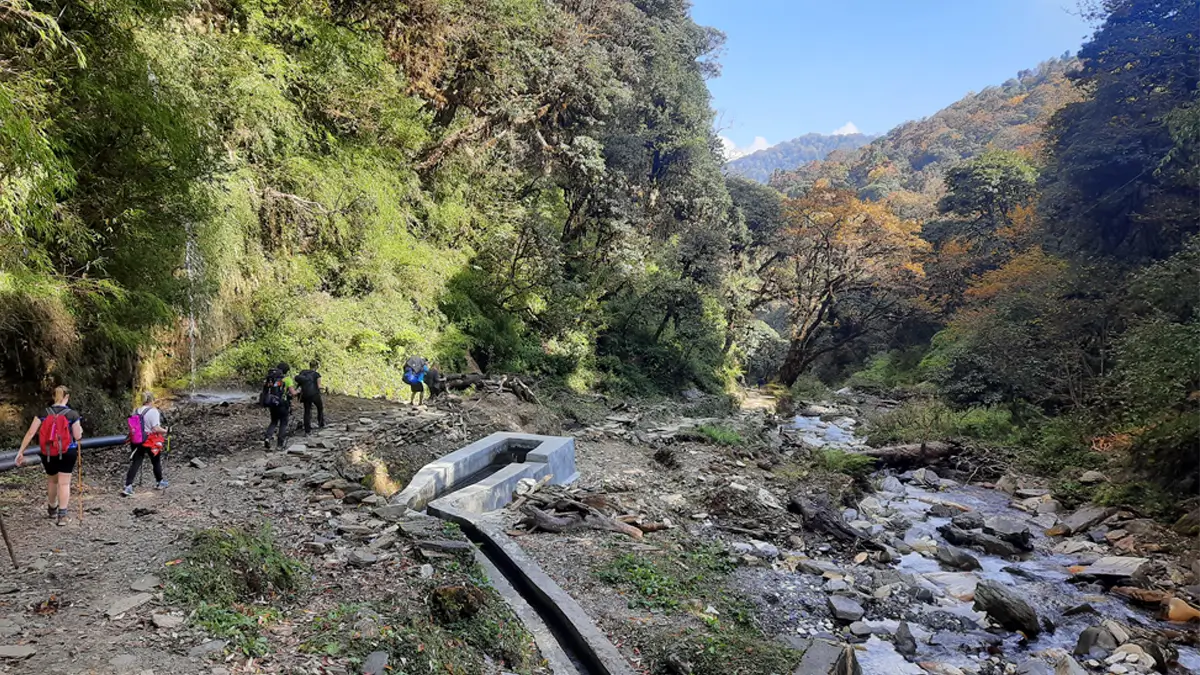
Below here are the two different trekking itineraries of Annapurna Poon Hill trek 9 days and Poon Hill with hot spring trek 9 days. But you can do shorter days or longer days according to your needs and travel durations.
9 Days Poon Hill Trek
Short Itinerary
Day 1: Arrive to Kathmandu and transfer to hotel.
Day 2: Drive or by flight to Pokhara from Kathmandu, overnight in Pokhara.
Day 3: Drive to Nayapul from Pokhara and trek to Ulleri 2010m.
Day 4: Trek Ulleri to Ghorepani 2874m.
Day 5: Ghorepani to Poon Hill and Tadaani 2640m.
Day 6: Tadapani to Ghandruk 1930m.
Day 7: Ghandruk to Pokhara drive, overnight in Pokhara hotel.
Day 8: Flight or drive to Kathmandu from Pokhara, overnight in hotel.
Day 9: Departure from Kathmandu.
9 Days Poon Hill Trek with Hot Spring
Short Itinerary
Day 1: Kathmandu arrival and transfer to hotel, overnight in Kathmandu.
Day 2: Drive or by flight to Pokhara from Kathmandu and overnight in Pokhara hotel.
Day 3: Drive by private transport to Nayapul and trek to Ulleri 2010m.
Day 4: Trekking from Ulleri to Ghorepani 2874m.
Day 5: Trek up to Poon Hill 3210m, from Ghorepani and then to Tadapani 2640m.
Day 6: Trek Tadapani to Jhinu Danda 1840m – Hot Spring.
Day 7: Trek Jhinu Danda to transport station and drive to Pokhara, overnight in hotel.
Day 8: Pokhara to Kathmandu optional drive or flight. Overnight in Kathmandu.
Day 9: Departure from Kathmandu or stay longer.
Accommodation & Food During the Trek
Comfortable basic accommodation, and all different types of food available during the Annapurna Poon Hill trek. food like Nepali, western, and European.
Accommodation on the Trekking Trail Poon Hill
We will be staying in the local teahouse alongside the trail. Tea house are the local hotels with cozy room for the travelers to have food and to stay. They are mostly owned and operated by the local family.
Places are basic with cozy rooms with beds, pillows, and blankets, share bathroom, and a toilet. And you can also carry sleeping bags for extra warmth. Also, nowadays most of the places have available bathrooms and toilets inside the room.
You will have restrooms and shower is also available. Both hot and cold shower are available but we recommend you to take hot shower as it’s cold up there.
You can see dining hall place with traditional heater in the center of the hall. Trekkers can meet and have conversation with other trekkers in the hall in the warmth of the heater.
Foods on the trek
Teahouses serve all the different types of food like breakfast, lunch and dinner every day.
You can try local Nepali food - Dal Bhat (lentils soup, plain rice, and curry) available in both vegetarian and non-vegetarian. (Nepali food favorite of many national and international trekkers)
There are also lot to try like noodles, pasta, momos, pizza, fried rice and many more.
Breakfast includes list of items like:
- Bread with Jam, Honey or Peanut Butter.
- Eggs (Boiled, Scrambled or Omelets)
- Set breakfast.
- Pancakes.
- Porridge.
- Chapati.
- Any tea, coffee, And lemon honey ginger tea.
Lunch and dinner include list of dishes like:
- Dal Bhat Nepali food.
- Fry potato.
- Spaghetti.
- Fried rice.
- Noodles.
- Momos.
- Pizzas.
- Pasta.
- Rosti.
- Sandwich.
- Chapati and many more
Poon Hill Trek Difficulty
difficulty level of the Annapurna Poon hill trek is considered intermediate. You can see different trail’s sections like steep stone stairs, flat, uphill and downhill.
Trekkers have to be ready for 4-7 hours of trekking a day. The trek is not that hard but for easy and comfortable trek, having good cardio can help. Regular walking, jogging or stair climbing before the trek can make your journey comfortable.
You will also be drinking water, snacks and energy bar which also help you remain energized.
Even beginners can successfully complete the trek. The guides and porters can help you have a comfortable journey as the guide can monitor your activities and suggest you while porters can carry your heavy luggage.
Why Trek with a Local Operator Company?
This Annapurna poon hill trek is suitable for all age groups of trekkers. And local knowledge still matters.
A good local team helps you:
- Travelling with a local tour operator is easy and safe.
- Learning and experiencing more about nature, culture and their people.
- Walking at a slow steady pace there is a guide to support you.
- Safety security includes more comfort on your journey and provides you even better service.
Choosing a locally based trekking company can make a noticeable difference. Local teams understand seasonal trail conditions, quieter lodging options, and realistic pacing.
They also help and involve local people on-site, rather than doing everything from another country or city and just sending money or instructions.
Conclusion:
Ghorepani Poon Hill in Annapurna region is more than a checklist trek. You really want to add the trek to your achievement list.
The trek offers variety of things and also in short period of time. Mountain views, friendly strangers, insights to unknown culture, and more importantly peace to your soul.
Walking in the trails with beautiful forests, streams flowing, birds chirping and fresh breeze flowing- it is more than just a trekking. It’s a natural therapy. Peace of mind, happiness and memories. It’s an iconic dreamland.
It is one of the iconic trek to add into your list of achievements.
The beautiful Ghorepani Poon hill is waiting for your presence to showcase its beauty.
We didn’t get life just to work and survive.
We should live not survive.
It’s better to enjoy and make memories now than regret later.
When everything ends, there’ll be nothing except memories. Enjoy and Live your life to the fullest. Nature calls you.
FAQs
1. What permits are required for the Ghorepani–Poon Hill trek?
Trekkers need the Annapurna Conservation Area Permit (ACAP). This permit can be obtained in Pokhara or Kathmandu and must be carried throughout the trek for checkpoint verification.
2. Is a guide required for the Ghorepani–Poon Hill trek?
Trekking regulations may change, so it is important to check current rules before trekking. Even when not mandatory, trekking with a licensed guide adds safety, navigation support, and local insight.
3. Where does the Ghorepani–Poon Hill trek start?
The trek typically starts from Nayapul, which is about a 1.5-2 -hour drive from Pokhara. Some itineraries begin from Ulleri or Hile to shorten the trekking days.
4. How difficult is the Ghorepani–Poon Hill trek?
This is a moderate trek suitable for first-time trekkers or advance with average fitness. Daily walking time is around 4–6 hours, with long stone staircases on certain sections.
5. What is the highest altitude on the Ghorepani–Poon Hill trek?
Poon Hill reaches approximately 3,210 meters, where serious altitude sickness is uncommon. Walking slowly, staying hydrated, and resting properly help reduce any discomfort.
6. When is the best time to trek Ghorepani–Poon Hill?
This Poon Hill trek availability all the months in a year
The best seasons are spring (March–May) and autumn (September–November) for clear mountain views and stable weather. Winter and monsoon treks are also possible.
7. What accommodation and food are available during the poon hill trek?
Teahouses are available each night, offering basic but comfortable rooms and freshly prepared meals. Facilities are simple, with shared bathrooms and limited Wi-Fi. And nowadays even more comfortable accommodation like some of the places inside the bathroom.
8. How much cash should I carry on the Annapurna poon hill?
There are no reliable ATMs on the trail to poon hill, so trekkers should carry enough cash for food, accommodation, and personal expenses. Costs increase slightly at higher villages. You better consult with your trekking operator office.
9. What essential gear is needed for the Ghorepani–Poon Hill trek?
Good trekking boots, layered clothing, a rain jacket, sun protection, and trekking poles are recommended. Warmer layers are necessary during colder months. Ask your trekking operator agency for a trekking gear list.
10. Is drinking water safe on the Annapurna trek?
Untreated water is not safe to drink. Trekkers should use purification tablets, filters, or purchase boiled water from teahouses along the route or buying a safe drinking mineral water bottle.
11. What emergency support is available during the trek?
Basic medical facilities are available in some villages, but serious cases require evacuation to Pokhara or Kathmandu. Travel insurance covering trekking and emergency evacuation is strongly advised.