Why People End Up Confused Between Everest, Annapurna, Langtang & Manaslu?
Some travelers wonder which is the best trek in Nepal Everest Annapurna Langtang Manaslu? Everyone starts off thinking choosing a trek in Nepal will be easy… until Everest, Annapurna, Langtang, and Manaslu all start looking equally “perfect” in photos. The confusion happens because you are not just picking mountains, you are choosing four totally different experiences, and nobody really tells you that upfront.
Everest Region: Iconic, Energetic, Bucket-List Chaos
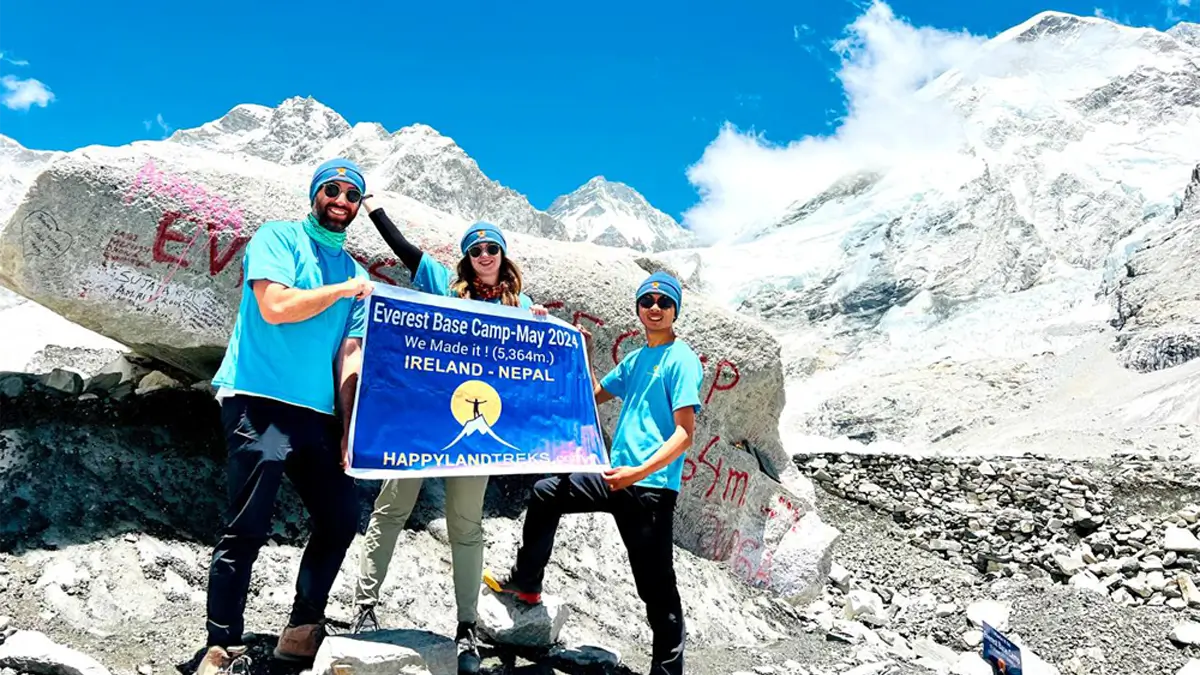
The Everest region isn’t just “high mountains and famous names,” it has a very specific vibe that you start feeling even before you reach the trailhead. This is the Khumbu Valley, home to the world’s highest peaks, deep Sherpa culture, and that unmistakable feeling of being in a place that lives and breathes mountaineering history.
What makes it different is the energy level. Even on the trail, it feels active. You are constantly meeting trekkers from all over the world, gear shops, busy tea houses, helicopters flying in supplies, and villages that feel like little mountain hubs. That’s why treks like the Everest Base Camp Trek, Lakes around 4800m and grand mountain view Gokyo Lakes Trek, and the high adventure over 5000m, Everest Three Passes Trek don’t feel like “escape into nature” alone.
Everest is NOT the same kind of peaceful, low-traffic experience, or remote and untouched region. It is far more developed, structured, and socially active.
You get iconic peaks like Ama Dablam and Everest itself constantly in view, but you also get a “busy mountain highway” feeling in peak seasons, which is exactly what makes it exciting for some people and overwhelming for others.
Annapurna Region: Diverse, Balanced, “Nepal Starter Pack” Vibes
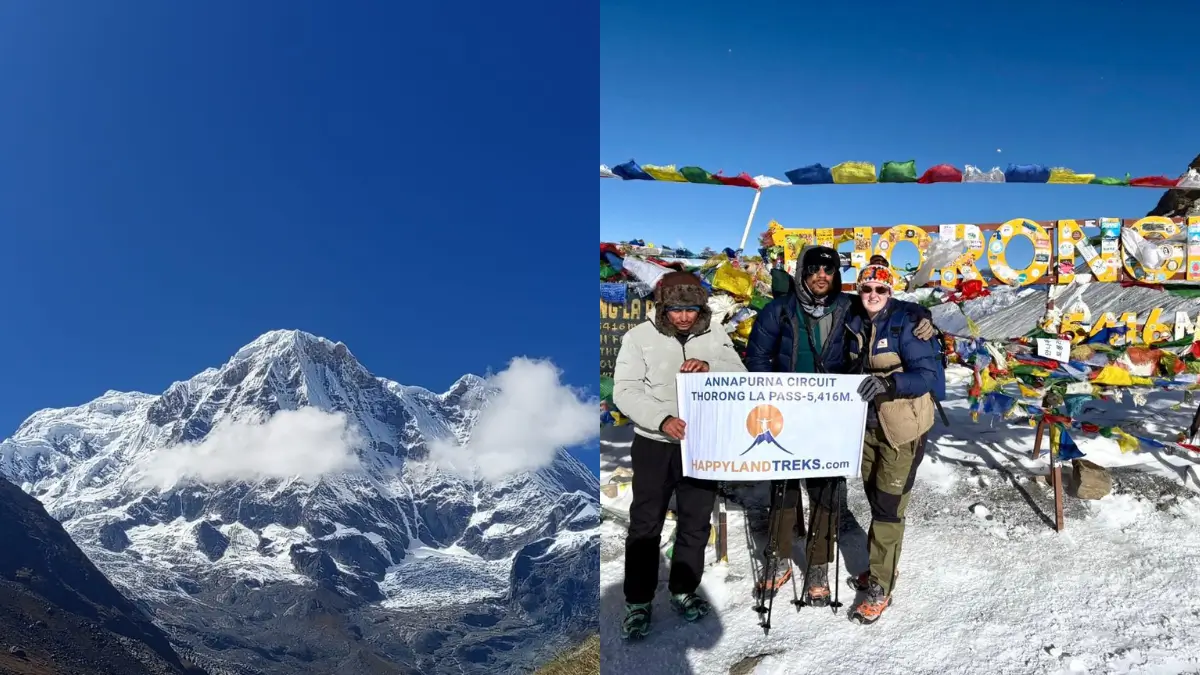
The Annapurna region is basically the “everything in one package” deal of trekking in Nepal, if Everest is the celebrity and Manaslu is the introvert, Annapurna is the friendly all-rounder that somehow gets along with everyone.
What makes it special is its insane variety. You can start your walk through lush green rice terraces, pass through traditional Gurung and Magar villages, cross dramatic river valleys, and suddenly find yourself surrounded by snow-covered peaks, all in the same journey.
That’s why treks like the Annapurna Circuit Trek feel like a full journey across climates and cultures, while the Annapurna Base Camp Trek takes you straight into a natural amphitheater of giant Himalayan walls without needing extreme remoteness to get there.
You will also find shorter, softer introductions to trekking here, like the Ghorepani Poon Hill Trek, which is famous for sunrise views that hit way harder than people expect for such an “easy” hike. That mix is exactly why people call it the “Nepal starter pack,” as it gives you a bit of everything without throwing you into full expedition mode.
However, Annapurna is NOT as crowdedly intense or globally “buzzing” as the Everest region, and it’s definitely more varied and large-scale than the quieter, more intimate trails of Langtang. It also doesn’t feel as remote or restricted as Manaslu.
The real uniqueness here is balance. Annapurna doesn’t force you into one type of experience. That’s why it works so well for first-timers who want a complete Nepal experience without committing to something too extreme or too isolated.
Langtang Region: Calm, Cultural, Underrated Himalayan Experience
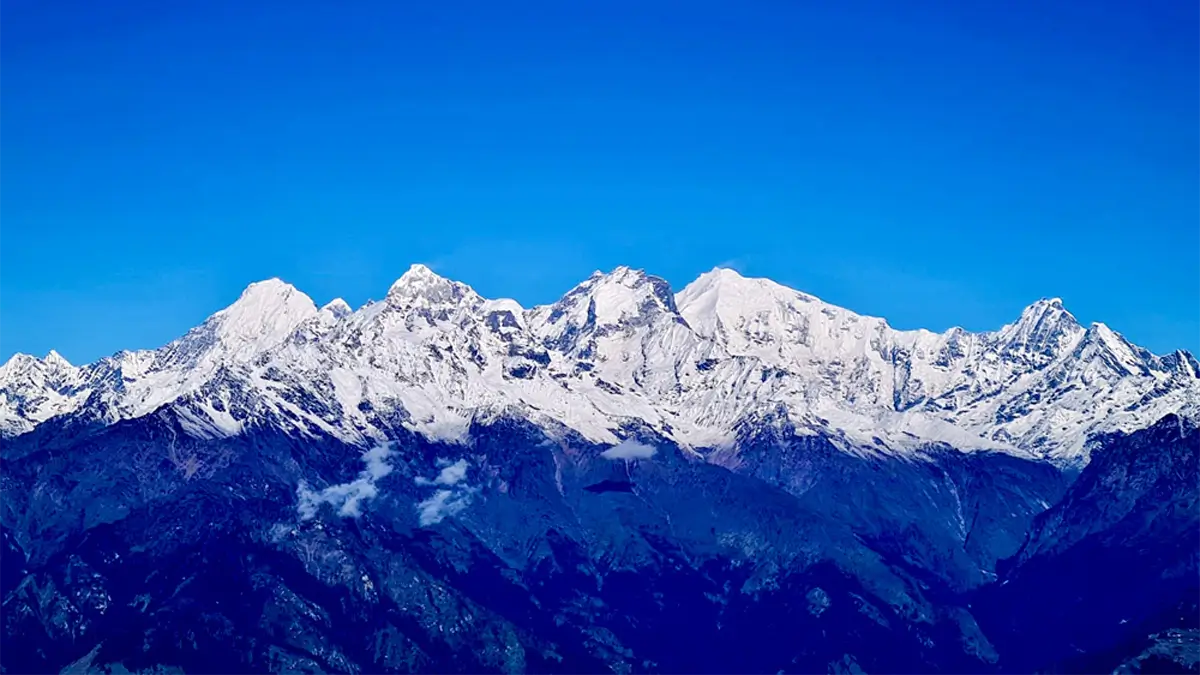
The Langtang region is where things finally slow down a bit, like the Himalayas taking a deep breath and saying, “Alright, let’s keep this simple.” It’s close to Kathmandu, but the vibe feels surprisingly far away from the chaos, which is exactly why treks like the Langtang Valley Trek are loved by people and also experience the Buddhist culture.
What makes Langtang special is how personal it feels. You are not walking through tourist highways or busy trekking cities; you are passing through Tamang villages. Along the way, you will also find quieter extensions like the Gosaikunda Lake Trek, where sacred alpine lakes sit high in the mountains.
Unlike Everest, there is no global “bucket-list noise” here, and unlike Annapurna, you don’t get that overwhelming mix of everything at once. Langtang is simpler, softer, and more direct. It slowly grows on you.
The real uniqueness here is the emotional tone of the journey. It’s calm without being boring, cultural without being overwhelming, and scenic without constantly shouting for attention.
Manaslu Region: Raw And Remote
The Manaslu region is where Nepal basically drops the “tourist-friendly” act and says, “Alright, this one’s for the real wanderers.” It feels raw, less polished, and way more untouched compared to the other trekking regions, and that’s exactly what makes it so special. This is home to the legendary Manaslu Circuit Trek, a route that circles Mount Manaslu itself.
Unlike Everest or Annapurna, you don’t get that steady flow of trekkers, busy tea houses, or familiar trekking-town energy here. Instead, you get long stretches of silence, deep valleys, and villages where life hasn’t been shaped around tourism.
What makes Manaslu different is the isolation factor. You don’t just “go trekking” here; you actually enter a restricted region where everything feels more controlled, more protected, and more untouched. That means fewer crowds, stricter permits, and a stronger sense that you are not on a casual hike, but on a proper Himalayan expedition.
The uniqueness of Manaslu is simple: it doesn’t try to make things easy for you. Instead, it rewards you with a raw Himalayan experience that feels authentic, slightly challenging, and incredibly rewarding if you are looking for something beyond the usual trekking routes.
If You Are Still Confused, This Will Make It Way Easier
| TrekkingRegions |
Popular Treks |
Difficulty |
Permits Required |
Who Is It For? |
| Everest |
Everest Base Camp Trek, Gokyo Lakes Trek, Everest Three Pass Trek, Everest View Trek |
Moderate to Challenging |
Sagarmatha National Park Permit, Khumbu Pasang Lhamu Permit |
Bucket-list trekkers, adventure seekers, first-time Himalayan trekkers chasing iconic views |
| Annapurna |
Annapurna Circuit Trek, Annapurna Base Camp Trek, Ghorepani Poon Hill Trek, Mardi Himal Trek, Annapurna View Trek |
Easy to Challenging (depends on route) |
Annapurna Conservation Area Permit (ACAP), TIMS Card |
First-timers balanced trekkers, culture and scenery lovers, flexible budgeet travelers |
| Langtang |
Langtang Valley Trek, Gosaikunda Lake Trek, Tamang Heritage Trail, Langtang-Ganja La Pass Trek |
Easy to Moderate |
Langtang National Park Permit |
Peace seekers, cultural explores, short-time trekkers, beginners wanting quieter trails |
| Manaslu |
Manaslu Circuit Larke La Pass Trek, Manaslu Tsum Valley Trek |
Moderate to Strenuous |
Restricated Area Permit (RAP), Manaslu Conservation Area Permit (MCAP), ACAP |
Experienced trekkers, adventure lovers, |
Reasons Why Not All Treks Feel The Same (Even If The Mountains Look Similar)
Let’s clear something up real quick: just because all these treks are in Nepal and all of them show you “Himalayas,” it does NOT mean they feel even remotely the same. That’s like saying all movies are the same because they have screens. Technically true… but also completely wrong.
The reality is, what really changes your experience isn’t just the mountains, it’s everything around them. The crowd on the trail, the kind of villages you pass, how easy it is to reach the starting point, how isolated you feel after a few days, and even how your evenings feel inside a tea house. All of that quietly shapes your trek more than the peaks you see in photos.
For example, some regions feel busy and energetic, where you are constantly meeting people, sharing meals, and hearing different languages in tea houses. Others feel calm and slow, where you can walk for hours without seeing many trekkers. And then there are routes that feel so remote that it’s just you, the mountains, and the occasional prayer flag trying to keep you company.
This is exactly why Everest, Annapurna, Langtang, and Manaslu differ in vibe, energy, and emotional experience. Even if two treks show you similar snowy peaks, one might feel like a lively mountain town experience, while another feels like you have completely stepped out of modern life.
So yeah, don’t let the “same mountain photos” fool you. In Nepal, it’s never just about what you see, it’s about what the trail makes you feel along the way.
Four Journeys, Four Different Versions Of Nepal: Which Trek In Nepal Matches Your Travel Personality?
Choosing a trek in Nepal is honestly less about “which mountain is prettier” and more about what kind of experience "feels right for you". Because the truth is, Everest, Annapurna, Langtang, and Manaslu don’t just show you different landscapes… they show you completely different versions of Nepal.
If you are someone who loves big energy, iconic places, and busy tea houses, the Everest region will probably hit different for you. Everything there feels dramatic with the mountains, the atmosphere, even the morning rush for tea before trekking starts. It’s the kind of place where the journey feels larger than life.
Now, if you want balance, like a little bit of culture, scenery, comfort, challenge, and flexibility all mixed together without things getting too extreme, Annapurna is usually the sweet spot. It’s the region that works for a huge range of trekkers because it never feels too isolated or too overwhelming. One day, you are walking through forests and villages, the next day, you are staring at giant snowy peaks, wondering how this is still the same trek.
Langtang is for the people who secretly don’t want the “tourist circus” experience. If you enjoy slower travel, quieter trails, meaningful local interactions, and mountains that feel peaceful, this region starts making a lot of sense. It doesn’t constantly scream for attention, but that’s exactly why you may end up emotionally attached to it.
And then there is Manaslu, the trek for people who want the raw side of the Himalayas. This region feels less polished, less crowded but many people planning to do this trip so probably going to be crowed after season. You don’t really “visit” Manaslu casually… you commit to it. The trails feel wilder, the villages feel more untouched, and the entire experience feels like stepping deeper into the mountains.
So when people ask, “Which trek in Nepal is best?” the answer honestly depends on what kind of traveler you are. Some people want excitement, some want balance, some want peace, and some want adventure that pushes them slightly out of their comfort zone. Nepal somehow has a trekking region for all of them.
How Much Cost and Effort does it Take to Actually Make Each Trek Happen?
This is the part where trekking in Nepal stops being just dreamy mountain photos and starts becoming a very real conversation between your wallet, your schedule, and your patience. Because honestly, every trekking region asks for a different kind of “effort” before you even start walking.
The Everest region, for example, is probably the most iconic, but also one of the most logistically dramatic. Between Lukla flights, weather delays, higher food and accommodation prices, and the overall popularity of the route, it usually costs more and requires tighter planning. You are paying for access to one of the world’s most famous trekking experiences.
Annapurna, on the other hand, feels much easier to organize. The region has flexible routes, road access in many areas, and a huge range of trekking styles. That’s why many people see Annapurna as the most balanced option when it comes to cost, comfort, and logistics. It doesn’t demand too much from your budget or your sanity.
Then comes Langtang, which quietly wins the “least stressful planning” award. It’s close to Kathmandu, accessible by road, and generally more budget-friendly compared to Everest. You don’t need flights, complicated permit systems, or expedition-level preparation. The overall trekking experience feels simpler, calmer, and easier to fit into 7-8 days travel plans.
And then there is Manaslu… where things get serious again. This region isn’t expensive just because of tea houses or altitude; it’s expensive because of regulations, restricted-area permits, mandatory guides, and the overall remoteness of the trail.
But here is the interesting part: the “easiest” trek isn’t automatically the “best” one. Some people happily spend more money and effort on Everest because that dream has been sitting in their heads for years. Others would rather skip the crowds and invest that same energy into something rawer, like Manaslu.
Before You Pick a Trek in Nepal, Ask Yourself this Instead of “Which one is Best”
Honestly, “Which trek in Nepal is best?” is probably the wrong question to start with. Because the real answer depends less on the mountains and way more on "you": your personality, travel style, comfort level, patience, energy, and even how much human interaction you can tolerate.
Instead of asking which trek is the “best,” ask yourself this:
- Do you want excitement or peace?
- Do you enjoy social energy or quiet trails?
- Are you okay sacrificing comfort for remoteness?
- Do you want iconic bucket-list moments or a slower, more personal Himalayan experience?
That’s the stuff that actually changes your trek.
For example, some people dream about Everest their whole life and absolutely love the buzzing tea houses. Others arrive there and immediately realize… “Wait, I think I wanted something quieter.” Meanwhile, someone doing Langtang might completely fall in love with the calmness of the trail.
The same thing happens with Annapurna and Manaslu. One feels balanced and flexible, the other feels raw and remote. Neither is automatically better; they just attract different kinds of trekkers.
Another thing people forget to ask themselves is: “How do I actually want to feel during this journey?”
Do you want to feel challenged? Inspired? Peaceful? Social? Disconnected from the modern world? Slightly uncomfortable but wildly alive? Because trekking in Nepal is an emotional experience that stays with you long after the sore legs disappear.
And here’s the funniest part: most trekkers only figure this out after they have already booked something.
So… Which Trek in Nepal is Actually Worth your Time?
Honestly? All four are, just for completely different reasons.
If you want iconic bucket-list energy and dramatic Himalayan hype, Everest will probably steal your heart. If you want the most balanced “classic Nepal trekking” experience, Annapurna is hard to beat.
If peace, culture, and quieter trails sound more like your thing, Langtang quietly shines in ways people don’t expect. And if you want something raw, remote, and deeply adventurous, Manaslu feels like the Himalayas without the filters.
At the end of the day, the best trek in Nepal isn’t the one with the biggest name or highest altitude, it’s the one that matches the kind of experience you actually want to remember years later.
So stop trying to find the “perfect” trek. Pick the one that excites you enough to start packing your backpack already.
FAQs
Which trek in Nepal is best for first-time trekkers?
Annapurna is usually the best for beginners because it offers varied routes, good infrastructure, and manageable difficulty.
Is Everest Base Camp better than Annapurna Circuit?
Neither is “better,” Everest is more iconic and dramatic, while Annapurna is more diverse and flexible.
Which Nepal trek has the best mountain views?
Everest and Annapurna both stand out, but Everest wins for iconic peaks while Annapurna wins for variety.
Which Nepal trek is best for travelers who dislike crowds?
Langtang and Manaslu are the best choices since they are quieter and far less crowded. But now a days many travelers heading to less crowded routes so this Manaslu and Langtang region will be also crowded.
Which Nepal trek feels the most remote?
Manaslu feels the most remote because of its restricted access and untouched trail experience. And also the local village trek.
Is Langtang better for shorter treks in Nepal?
Yes, Langtang is ideal for shorter trips since it’s close to Kathmandu and doesn’t require too long travel.
Why do experienced trekkers choose Manaslu?
Experienced trekkers choose Manaslu for its raw, less commercial, and more challenging Himalayan experience.
Should I choose Everest, Annapurna, Langtang, or Manaslu?
It depends on your style: Everest for iconic energy, Annapurna for balance, Langtang for peace, and Manaslu for adventure.
Which trek in Nepal is the most expensive?
Everest, Kanchenjunga, Upper Mustang, Dolpo is generally the most expensive due to flights, permits, and high demand.
Which trek in Nepal is safest for solo travelers?
Langtang and Annapurna is considered the safest due to its popularity, infrastructure, and well-established routes.
Which trek requires the most acclimatization?
Everest, Manaslu, and Annapurna Circuit require the most acclimatization due to the higher altitude and longer trekking days.
Which trek is easiest to do without experience?
Annapurna, especially shorter routes like Ghorepani Poon Hill, Annapurna view trek, Australian camp, is the easiest for beginners.
Which are the best and short treks in Nepal?
There are many different short and best treks in Nepal like Mardi Himal Trek, Annapurna Poon Hill Trek, Annapurna view trek, Australian camp trek, Chisapani Nagarkot trek etc.