Highlights of the Manaslu Circuit trek
- Cross one of the world’s thrilling high-mountain legendary Larkya La Pass at 5,106m.
- Get four hiking options to Pungyen gompa/Birendra taal/Tibet border/Manaslu Base Camp on your acclimatization day.
- Start your trek from the Manaslu region and end in the Annapurna region. Two high Himalayan portals, one trek.
- Walk in the restricted region, which was closed to foreigners before 1991.
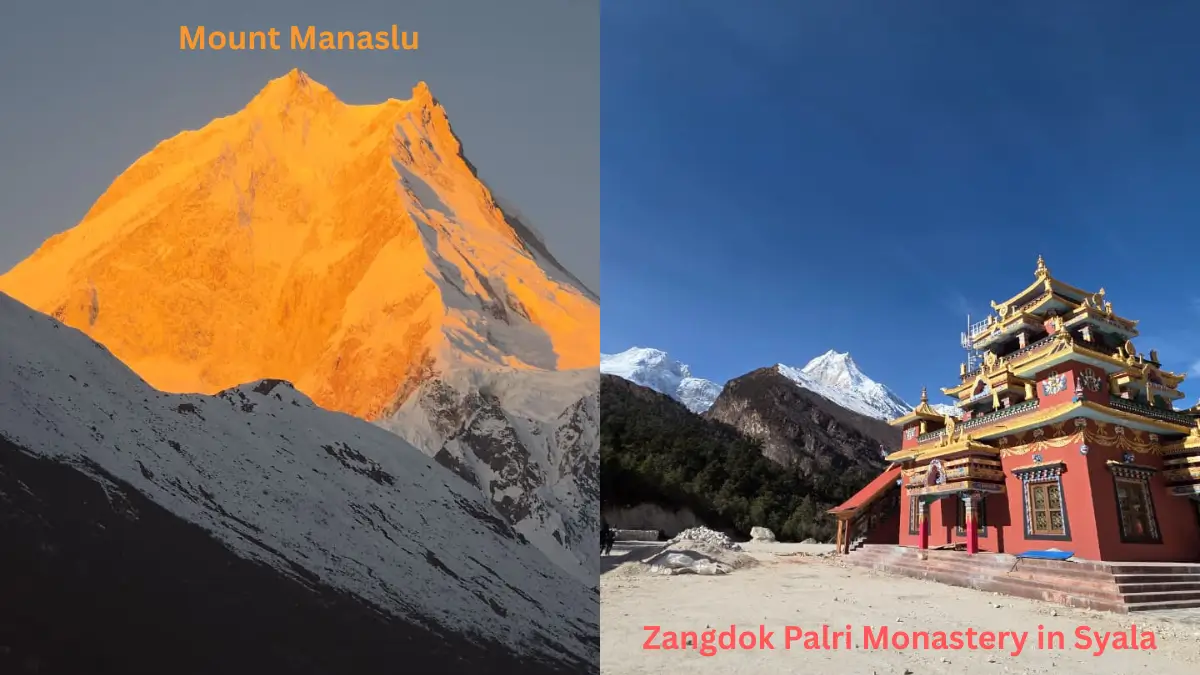
- Walk beneath the world’s 8th-highest mountain, Mt. Manaslu.
- Immerse into pure high Himalayan Tibetan culture. You feel like you’re in Tibet after you cross Samagaun.
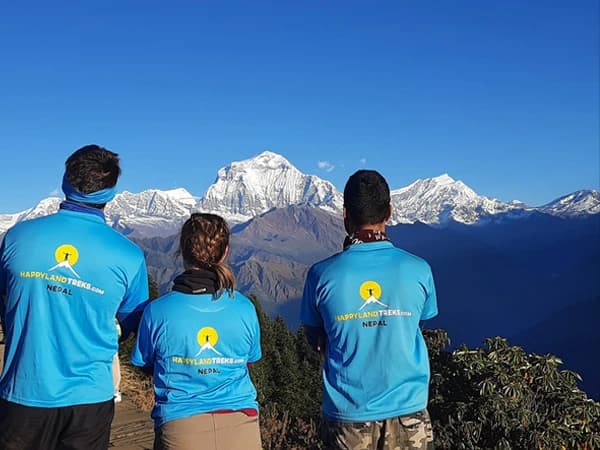
- Witness a heavenly 360-degree panorama of more than 15 peaks above 6,000- 8,000 m+ and other small mountains that are still unnamed.
- You experience five climate Zones in two weeks, from subtropical zone to alpine transition.
- Explore old-age spiritual gompas like Shyala Gompa, Lho Gompa, Pungen Gompa, etc., and feel the high vibration of energy.
- Complete the Quora of spiritual Manaslu.
- Sleep in the traditional Himalayan tea house, which acts as a bridge between Himalayan culture and Western culture.
Why Trek the Manaslu Circuit?
Trekking the Manaslu Circuit in Nepal one of the grand Himalayan mountain views with lake, Buddhist Tibetan culture, local village people, and peaceful and similar famous trek like Everest base camp 14 days trek in Khumbu region and another one in the Annapurna region the Annapurna circuit trek thorong la pass, and the Manaslu trek is the restricted area, it stays wild, isolated, and less explored. You come here for raw isolation. This Manaslu trek can have a little less trekkers compared to Everest region and Annapurna region.
“You choose this legendary remote route to see Nepal exactly as it existed fifty years ago.”- quote
Manaslu trek Nepal every single day forces you through deep gorges, alpine deserts, and freezing glacial paths. You get raw, unfiltered access to giant ice walls and ancient mountain communities without fighting hundreds of other tourists.
And the itinerary? It’s customizable too; you can add trekking days to explore all hidden gems, or decrease trekking days according to your wish.
Untouched Remote Himalayan Experience Manaslu Circuit
Finding true off-the-beaten-path Nepal trails feels almost impossible lately. Bulldozers and crowds keep chewing up the other classic routes. But Manaslu fights back.
The government locks this region down with strict permit quotas. Meaning? Only a handful of trekkers actually get in. You feel like you're walking in the past when you enter the high Himalayan portal at 3,000m+ altitude.
You may find some other interesting culture and tradition in other high Himalayas of Nepal too, but the culture and tradition here in Manaslu are rare. You can’t find this kinda isolated, rare old-school culture and tradition of Manaslu in any of the other high Himalayas in Nepal.
There are many unexplored hidden gems which hasn’t been discovered yet. The trekking experience is extremely remote and pure Himalayan. Stepping into high Manaslu makes you feel like you are in a different dimension of time and High Himalayas.
Many people higher than Samdo don’t even speak the Nepali language; they speak the Tibetan language.
Remote trekking in Nepal experiences like Manaslu circuit mean seeing traditional mountain life still operating in an old-school way. It’s a remote Himalayan loop, where you feel like entering a portal to the past.
Four optional hikes on your Manaslu Acclimatization Day.
You get four optional hikes on your acclimatization day while Manaslu trekking. Sama Gaun and Samdo serve as your mandatory rest stops. We hike high and sleep low on your acclimatization days.
Each optional hike comes with its own specialty and beauty. Every optional hike has its own rare mood, with unique landscapes, isolated vibes, rare rock formations, 360-degree mountain views, and million-dollar panoramas.
It’s on you to decide which optional hike on your acclimatization day matches your vibe.
Manaslu Base Camp (4,800m)- Into the high Himalayan Realm
This hike takes you to the base of the world’s 8th-highest mountain, Manaslu, at 8,164m. You gain 1,270 vertical meters from Samagaon (3,530m).
Your final destination is the physical border pillar separating Nepal and Tibet. And the reward? You get 360-degree views of the world’s highest peaks, including mountains of Tibet side. Expect approx. 5 hours of climbing up, according to your pace.
The route to Manaslu Base Camp follows the lateral moraine on the glacier's north side. The trail is less crowded. Manaslu Base Camp itself is not a permanent settlement.
The landscape is arctic-alpine. It's a flat area on the moraine where mountaineering expeditions pitch tent camps during climbing season. Every step makes you feel privileged.
Why choose the Manaslu Base Camp hike? For the raw high-altitude wilderness experience. For standing at the base of an 8,000-meter giant. For the ecosystem transformation. For serious acclimatization preparation. It gives the closest view of Mt. Manaslu at 8,163m.
Birendra Lake-Taal (3,692 m)- The Easiest Option
This is the absolute easiest optional hike you can take from Samagaun. Max elevation gain is 3,692m from Samagaun (3,530m). The hike is 1 hours, based on your walking.
The lake has spiritual significance for Samagaon families. You'll see prayer flags strung between rocks along the shore. During major Buddhist festivals, locals come here to perform ceremonies.
The backdrop is pure magic. Manaslu's north face (8,163m) rises directly behind the lake. Peak 29 (7,835m) sits to the northeast. Himal Chuli (7,893m) appears further east, with tons of other high Himalayas.
Why choose the Birendra Lake hike? Three reasons. First, it's achievable even if altitude is bothering you. Second, the views rival the harder hikes. Third, you're back to Samagaon by lunch with energy left to rest properly before continuing the trek tomorrow, and you get to spend proper time exploring the village. Sometimes easy is exactly right.
Tibet Border (way to Rui La Pass)- Walking Ancient Trade Routes
The hike to the Tibet border takes you north from Samdo village toward the Tibet border, following routes traders used for centuries.
Samdo village serves as your starting point for this full-day mission. Rui La Pass marks the actual geopolitical border at 4,998 meters. The trail follows a historic, dusty salt trading route.
You cannot cross the border unless you are a local from Upper Manaslu - illegal without special permits that regular tourists cannot obtain. But standing on this ridge looking north into Tibet creates powerful historical and geographical connection.
Every step of yours comes up new mountains from the Tibetan side. You can see more than 9 peaks of Tibet side and more than 10 peaks of Nepal side, which you can’t see on the lower trail. Many peaks lack official names on maps - they're just numbered peaks. z
From the viewpoint ridge, you look directly north into Tibet. Nepal side has vegetation - alpine grasses, dwarf shrubs, and some green in the valleys- but the landscape changes noticeably at the border.
Tibet side is noticeably more barren. High desert terrain, brown mountains, minimal vegetation. The Tibetan Plateau rises in elevation heading north, creating this sense of vast empty space extending to the horizon.
Pungyen Gompa, where spirituality meets Altitude in the Manaslu Trek
Pungyen Gompa is one of the most rewarding side hikes on the Manaslu Circuit Trek - MCT. It is the spiritual hub of the Manaslu Circuit Larka La Pass.
You feel high vibrations of energy all over the gompa as soon as you enter. People literally come up here just to meditate because the high-vibration energies of this isolated plateau are so intense.
You get world-class mountain views. You can also explore meditation caves used for 400 years.
If you arrive early, before 10 pm, you can also get to see ancient and old-aged traditional Himalayan rituals inside the gompa.
You walk across a sweeping, windy valley to find a centuries-old monastery sitting directly beneath the perfect backside view of Mount Manaslu, packed with its other 9+, 6k-8km+ neighboring mountains.
This high alpine landscape on the way to Pungyen Gompa rewards you with such a heavenly view of Manaslu and Tibet ranges that you can’t get it anywhere else.
Million-dollar Larkya La sunrise experience
This is the most important day of your trek, where you cross Larkya La Pass of the Manaslu region at 5,106 m/16,751ft and descend towards the Annapurna region. This is one of the most rewarding parts of the trek.
You wake up at 3:00 AM in the morning, get fresh, eat a light breakfast, pack your gear, and leave Dharamshala early at approx. 3:33 AM – 4;33 AM.
The nighttime landscape reveals itself slowly. White peaks shimmer under starlight all around you. And, out of nowhere, in the middle of more than 15 giant Himalayas, you get to see a sunrise panorama.
The very first ray of morning sun cuts through the thin air and strikes the highest Himalayan tips. Getting the chance to experience it is a dream for many people.
Within minutes, that golden light bleeds straight down the sheer ice walls of Himlung Himal, Cheo Himal, Annapurna II, Larkya Peak, Samdo, and other 12 + peaks, extending ranges to Tibet.
Every step unlocks new Himalayan peaks. After you cross the legendary Larkya La pass, you then descend towards Bhimtang. On the way, you can also see Ponker Taal. Now, you enter the Annapurna region and see new Himalayan peaks on the Annapurna side.
Rare Tibetan Buddhist Culture and lifestyle
You step straight into ancient Nepal-style Tibetan culture once you cross 3,000m. The Tibet border sits just a few kilometers away over the ridges. Locals here trade salt and herd yaks exactly like they did three centuries ago.
The people living high above Samagaun are originally from Tibet, but during the war they ran away from the Chinese military and came here to settle. Later, the Nepal government gave them land to stay. That’s how the villages above Samagaun were built.
Many people higher than Samdo don’t even speak the Nepali language; they speak the Tibetan language.
In the higher Manaslu region, locals still practice polyandry (one woman married to multiple brothers) in some families to keep land holdings together. The authentic Himalayan culture here is raw.
Links to Annapurna Circuit Option continue after the Manaslu trek from Dharapani
Dharapani (Manaslu Circuit end) sits on the Annapurna Circuit trail. Creates options. You can combine both circuits- Manaslu Circuit Trek and Annapurna Circuit Trek.
Some trekkers do Manaslu then continue to Thorong La, crossing two legendary 5,000m+ passes in one trip. These are the best legendary High Himalayan combos. The east side of Larkya La (descending to Bhimtang) looks completely different from the west approach.
You get different mountains, different vegetation, even different village architecture on the Annapurna side. And, the experience is geologically different, culturally different, and climatically different.
Accommodation on the Manaslu Circuit Trek
Your accommodation will be in a traditional tea house, with a modern touch. These tea houses are run by the same generations of the local families.
These cultural Himalayan teahouses are also said to be cultural bridges between foreign and mystical Himalayan culture of Manaslu.
What to expect on Accommodation on the Manaslu Circuit Trek?
The tea house where you stay maintains good cleanliness standards. You will not find city-like luxury here.
The rooms you will get along the way to the Manaslu Circuit trail are warm, clean, cozy, and you will also get sometimes attached bathrooms till Shyala. The comfort exists only up to Shyala, disappears at Dharamshala, and again comes back from Bhimtang.
At Dharamshala, things change completely. This isn't a village. It's barely even a settlement. Just two seasonal stopovers sitting at 4,460 meters.
The accommodation here is rural in the extreme. Basic stone buildings and tents. No attached bathrooms at all, and you can also get camping vibes. We highly recommend you bring good-quality sleeping bags.
After you pass Larkya La Pass, Bhimtang brings back comfort again. After the harsh conditions at Dharamsala, the teahouses here feel almost luxurious. You get decent and warm beds again.
As you climb past Namrung, the culture in the teahouses shifts completely to Tibetan Buddhist. The families running these lodges in Samagaun, Shyala, and Samdo trace their ancestry back to Tibet.
We recommend that you book early so we can lock in the best accommodation options for you before peak season fills everything up.
Hot Shower and Bathroom Facilities on the Manaslu Circuit Route
From the start of the trek until Samdo and from Bhimtangg to Dharapani, you'll find attached bathrooms in most teahouses. Every teahouse on the Manaslu route has limited rooms with attached bathrooms, so you must book early for the best accommodations with attached bathrooms.
Hot showers are available, but it costs approx. 3USD-5USD. Sometimes, hot shower also depends on the weather and sun. We highly recommend to not take hot showers up in higher altitude.
After Samdo, things change. Dharamsala is a tiny settlement. There are only two basic structures here. The facilities are minimal because this is just a stopover before crossing Larkya La Pass. Shared bathrooms with no hot showers become the norm at this altitude.
Your comfort and cozy room with attached bathrooms come again after you reach Bhimtang.
Is Wi-Fi and network available on the trail to Manaslu Circuit Trek?
WiFi exists in most teahouses from Soti Khola to Samdo and disappears in Dharmasala. After your Larkya La Pass, wifi exists again from Bhimtang to Dharapani.
WI-fI throughout the Manaslu Circuit is not reliable. It gets slower as you gain altitude. So is there any alternative to Wi-Fi? Yes, Nepali SIM Cards are perfect alternative.
Internet on the MCT – Manaslu Trekking
Nepal Telecom NCT SIM works better than NCELL SIM in many parts of the Manaslu circuit trek. For 500 -1500 Nepali Rs, you can get an NTC SIM card. This includes data too.
Mobile data runs faster than Wi-Fi, but at high altitudes, the mobile data is unreliable too. Don't depend on consistent internet anywhere on this trek.
Electricity availability and charging facilities on the Trekking
Most trekking teahouses use solar power exclusively. This means electricity works only when the batteries are charged. Cloudy weather for several days can drain the batteries completely.
Some lower-altitude villages have micro-hydro power. These provide more reliable electricity. But above Namrung, it's all solar with occasional diesel generators as backup.
In Dharmasala, there are limited charging options, and you need to share with everyone. We recommend bringing a high-quality power bank.
Expect to pay 3-6 USD per device per charge in high camps and Dharmasala. Teahouses at lower villages offer unlimited charging.
Food on the trail to the Manaslu Circuit.
You get many food options throughout your Manaslu trek; only Dharmasala has limited food options.
You will get Western foods like Pizza, sandwiches, porridge, Apple pie, to traditional high Himalayan foods like Thenduk, Thukpa, Momo, Sea buckthorn juice, Sherpa Stew, Mustang coffee, su chya, Dal Bhat, and many more.
But food options at Dharmasala? It’s very basic. You get Daal Bhat-rice, curry, lentil soup, Tibetan Bread, Egg omelets, Chapati, Su chya, noodles, and other basic food items.
Difficulty of Trekking the Manaslu Circuit in Nepal
The difficulty of the Manaslu Circuit Trek in Nepal falls under a challenging to strenuous trek. Many beginner trekkers finish Manaslu circuit - MCT every season. There is a trekking porter to carry your loads.
Trekking the Manaslu Circuit in Nepal the highest point is Larkya La Pass at 5,106m/16,751ft.
You don’t need any technical climbing, but you will need crampons for crossing Larkya La Pass when there's ice and snow. Your fitness and mental preparation determine everything on this trek.
Training before you go makes a massive difference. You walk 6- 7 hours a day. Start at least two months out with cardio and leg strengthening. The oxygen level gets low as you gain altitude.
Acclimatization day for Manaslu trek is absolutely crucial for everyone. You cannot rush altitude gain. Your body needs time to adapt. Our standard itinerary builds in proper acclimatization, with four optional hikes for acclimatization so that your body produces more red blood cells and adjusts to the thinner air.
If you walk slowly, gain altitude slowly, acclimatize properly, communicate well with your guide, walk high, sleep low, and respect the rules of the mountains, it helps to reduce the difficulty level.
If you rush and do not follow the rules of the high Himalayas, then the Manaslu trek gets more difficult.
Many people say the difficulty level of trekking Manaslu Circuit is harder than the Annapurna Base Camp - ABC and from Kathmandu north-east the Langtang Valley Trek. The Manaslu region was closed to outsiders until 1991. The routes are less developed and rural than Everest Base Camp and Gokyo Valley Treks.
Trail Difficulty of Manaslu Circuit via Section by Section
Trek Machha Khola (869m) to Jagat (1,340m): You climb 471 meters. The trail goes up and down constantly, following the river valley. Lots of stone staircases. The trail follows the Budhi Gandaki River through sub-tropical forest. You cross several suspension bridges.
Trek Jagat to Deng (1,804m): Another 464 meters up. The trail is sometimes carved into the cliff face with the river churning below. You get your first view of Sringi Himal (7,187 m) from Deng. More of the same – the off-beaten path comes with stone stairs, narrow trails, suspension bridges, up-and-down patterns.
Trek Deng to Namrung (2,630m): You gain 826 meters. This is a big day. The altitude isn't high enough to cause problems yet, but the elevation gain is substantial. Long sections of uphill climbing. There's a section called Prok where the trail is blasted into the cliff face. You can see the Ganesh Himal range (7,422m) to the south.
Trek Namrung to Shyala (3,520m): You climb 890 meters. This is the biggest single-day gain in the lower section. The trail is relentlessly uphill. You're getting into proper altitude now. The landscape changes to high alpine.
Around 3,200 meters, you get a proper view of Manaslu (8,163m), which dominates the northern skyline. It's the eighth-highest mountain in the world. You can also see Ngadi Chuli (7,871m).
Trek Shyala to Samagaon (3,530m): Finally, a break. You gain only 10 meters over 5-6 hours. The trail is mostly flat through a wide valley. The Manaslu massif is right in front of you the whole day - Manaslu itself, Peak 29 (7,835m), and Manaslu North (7,157m).
Samagaon acclimatization day: You get four optional hikes: Pungen Gompa (4,200m)/Birendra Taal/Tibet Border via Samdo/Manaslu Base Camp (4,800m). This "climb high, sleep low" approach helps your body adapt. The acclimatization day cuts your altitude sickness risk by maybe 40-50%.
Samagaon to Samdo (3,860m): Only 330 meters up over 3-4 hours. It's a short day but you really feel the altitude now. You're starting above 3,500 meters and going to 3,860 meters. From Samdo you can see several peaks - Simbuwa Himal, Hiunchuli, and Larkya Peak.
Trek Samdo to Dharamsala (4,460m): You gain 600 meters in 4-5 hours. The altitude makes every uphill section feel twice as difficult. You get 360 views of whole Manaslu range on the trail.
Trek Dharamsala to Bhimtang via Larkya La (3,720m): The hardest day by far. You climb 646 meters to the pass, then descend 1,386 meters to Bhimtang. Total distance is about 10-12 kilometers, but it takes 9-11 hours because of terrain and altitude.
The facilities at Dharamsala are minimal. Wake up is 3:30 AM. You get dressed wearing every layer, force down some breakfast, and leave by 4:00 AM. You get to see million dollars sunrise view on this day.
The views are 360 degrees of mountains. Annapurna II (7,937m) is visible to the east. Manaslu is behind you to the northeast. Cheo Himal and Himlung are close to the north. Kang Guru (6,981m) is south. It's one of the best mountain panoramas in Nepal.
Trek Bhimtang to Tilije or Gho (2,300m): You descend 1,420 meters, with all downhill walks. You walk for up to 6-7 hours. The trail goes through rhododendron and pine forest. If you're trekking in March-April, the rhododendrons are blooming - red, pink, and white flowers everywhere.
Trek Tilije to Dharapani (1,960m): Another 340 meters down over 5-6 hours. The trail is a flat walk and more downhill. The trail joins the Annapurna Circuit route.
Dharapani to Besisahar (760m) and drive to Kathmandu: You cross one suspension bridge and take a jeep back to KTM via Lamjung. This is the easiest and the most comfortable part, after long days of the trek.
So, which is the most difficult section of the entire Manaslu Circuit Trek? I would say Samdo to Dharmasala and Dharmasala to Bhimtang via Larkya La Pass is the most difficult section.
Can Beginners Complete This Manaslu Trek?
Can Beginners Complete Trekking the Manaslu Circuit in Nepal?
Yes, beginners trekkers finish this Manaslu trek every single season. I've seen first-time trekkers complete it successfully, but some veteran trekkers struggle. But there's a catch - they were fit beginners who had good mental preparation and trained properly.
The secret sauce here is patience. If you acclimatize well, do not rush, and let your body gain altitude slowly, then a beginner can absolutely complete the trek. Honestly, the difficulty for beginners is the long walk, the creeping altitude, and the extreme ruralness of the trail.
What Makes Trekking the Manaslu Circuit Difficult?
So what actually makes this route such a challenge? It mostly boils down to its altitude, remoteness, ruralness, and a glaring lack of luxuries like those on Namche Bazaar on the EBC trek.
You need a special Restricted Area Permit to trek in the higher Manaslu region. Ultimate reality check hits when you finally reach high camp. Dharamsala is a small, two-ruined seasonal stop-like settlement. The accommodation is very basic, with Basic stone buildings and tents.
This isn't the well-developed Everest Base Camp trail with fancy lodges and bakeries. The Manaslu Circuit is far more basic. The rooms have no heating obviously.
The food at Dharamshala is basic too—just simple carbs meant to keep your engine running. The Larkya La pass day is a difficult one. You wake up early, usually around 3-30 AM to start the climb. Temperature is typically -15 to -20°C.
But as soon as the first ray of sun hits the high Himalayas and you witness a beautiful, heavenly 360-degree sunrise of some of the world’s highest mountains, every step feels privileged.
Weather on Manaslu. Which is the best season for MCT?
Trekking the Manaslu Circuit ultimately comes down to timing. The undisputed best windows to hit the Manaslu trail are Spring (March, April, May) and Autumn (September, October, November).
Yet, each passing month transforms the Himalayas into a completely different landscape with its own distinct raw beauty. Every season comes with its own unique mood.
Choosing your departure date is really about matching the mountain's mood to your own personality.
Some trekkers crave warm forests, rhododendron blooms, and lively villages, while others actively seek out the stark landscapes with zero crowds on the trail.
You just have to decide what kind of adventure you want to write for yourself.
Trekking the Manaslu Circuit in Nepal in spring season (March, April, and May)
- The daytime temperatures are incredibly comfortable for long walking hours.
- The skies open up to reveal crystal-clear, unobstructed views of the high peaks
- The blooming rhododendron forests literally paint the steep hillsides bright red and pink.
- This is prime time for wildlife spotting.
- The weather is clean and crystal clear.
Trekking the Manaslu Circuit in Nepal in autumn season (September, October, and November)
- Post-monsoon air is exceptionally clean, giving the sharpest mountain views of the year
- October offers the most stable weather - clear skies, minimal precipitation, perfect temperatures
- Daytime temperatures are comfortable
- The weather is clean with sharp views of the Himalayas.
- Wildlife is less visible than spring because animals are preparing for winter.
- Clear weather makes the pass crossing safer with better visibility.
Trekking the Manaslu Circuit in Nepal in winter season (December, January, and February)
- The busy autumn and spring crowds vanish completely, leaving you with pure, unfiltered solitude on the trail.
- Because there are fewer trekkers, you get a rare and genuine chance for deep cultural exchange with the local families.
- Larkya La Pass has a high risk of closure due to deep snow, and the pass may be closed.
- Sometimes, it offers some of the sharpest, cleanest mountain views of the entire year.
- The weather is extremely cold, but manageable with warm layers of clothing.
NOTE: In winter, there is a very high chance of Larkya La Pass being closed. The people who run seasonal settlements in the Dharmasala also sometimes come down because of extreme snow, lack of wood, and the pass being closed. So, make sure you confirm with your local trekking operator before your Manaslu Circuit trek. And Manaslu base camp trek you can do any time.
Trekking the Manaslu Circuit in Nepal in monsoon season (June, July, and August)
- The trails are less crowded, with sometimes zero trekkers.
- High risk of pass closure - many trekking companies don't operate during monsoon.
- The weather is moody, with changing landscapes every hour.
- Heavy rainfall in lower elevations (below 3,000 meters)
- Wildflowers bloom everywhere in the valleys after rain.
The Best Restricted Area and Off the Beaten Path Trek in Nepal Manaslu
Everest Base Camp and the Annapurna Circuit opened up to the masses decades ago. Today, they are basically commercial hiking highways and crowded. But Manaslu Trek? It gives you a rural and raw experience that the major commercial routes have already lost many years ago.
There is a reason this specific trail still feels so completely wild. The Nepal government kept the Manaslu region strictly locked down and restricted until 1991. They did this on purpose. They needed to protect the sensitive Tibetan border and preserve the ancient local culture from outside influence.
Annapurna Circuit has road access to most sections now. Jeeps drive to Chame, Pisang, Manang or Khansar. For those who have already done the Annapurna Base Camp trek or the Langtang trek. I highly recommend MCT for you guys.
Because it stayed closed off till 1991, Annapurna was busy building massive tourist lodges, while Manaslu kept its rough, authentic edge. The upper Manaslu valley maintains cultural authenticity that disappeared from commercial routes.
You pass from subtropical forests to high alpine Himalayan landscape via glacial lakes, all within a matter of days. After your Larkya La Pass Day, you descend and join the Annapurna region from the Manaslu region.
And the views? You get a 360-degree panorama of more than 15 high Himalayan peaks of all of the Annapurna region, the Tibetan region, and the Manaslu region. You can also hike to Ponkar Lake, which you will see after crossing Larkya La Pass.
If you want Nepal's best restricted area and off-the-beaten-path experience before it transforms into another commercial route, the time to trek Manaslu for you is now.
Manaslu Circuit vs Annapurna Circuit vs Everest Base Camp in Nepal
| TrekkingRoutes |
Manaslu Circuit Trek |
Annapurna Circuit Trek |
Everest Base Camp Trek |
| Annual Trekkers (According to the recent survey 2026) |
Approx. 6,500 trekkers, genuinely quiet |
Approx 28,000 trekkers busy but manmaged |
42,ooo trekkers crowed |
| Highest Point |
Larkya La Pass at 5,106m |
Thorong La Pass at 5,416m |
Kala Patthar5,545m, and EBC 5,364m |
| Mountain Visible (above 6km+) |
18-22 peaks over 6,500 m+. |
25-30 peaks over 6,500m+ |
12-15 peaks over 6,500m |
| Difficulty Level |
7/10 Challenging |
6.5/10 Moderate-Hard |
6/10 Moderate |
| Hardest Day |
Dharamsala to Bhimtang via pass 9-11 hours 1,600m descent |
Thorong Phedi to Muktinath via pass 7-9 hours 1,600 descent |
Lobuche to Gorak Shep to EBC to Gorak Shep 7-8 hours total, Gorak Shep to Kala Patthar 2:30 hrs |
| Tea House Quality |
Basic but clean family-run homes limited menus |
Good Facilities mix of basic and upgrated lodges descent variety |
Best Facilities WIFI, hot shower, extensive menus bakeries & cafe |
| CrowedLevel |
Fever crowed compared with EBC and ABC |
Not too busy and not too crowed |
Similar to crowed rto Annapurna |
| Permits Required |
3 Permits (RAP + MCAP + ACAP) Restricted area treks |
ACAP - Annapurna Conservation Area Project |
2 Permit Sagarmatha + Pasang Lhamu Municiplity |
| Success Rate |
94% |
98% |
98% |
How to Get to Manaslu Circuit Starting Point
Before, the last stop for Manaslu Circuit Trek was Soti Khola. People used to trek from Soti Gaun. But now? You can go to Macchakhola direct from Kathmandu and stop at the bridge of Ekalbatti.
You need to buy tickets from Balaju Buspark, Kathmandu, to jump straight into the trailhead of the Manaslu trekking. The cost of land transportation varies by mode of transportation. If you are planning to go via bus, it costs less, and if you are travelling via private jeep, it costs more.
Note: You need a government-certified guide in order to trek Manaslu, since it is a restricted-area trek; you can’t just trek without your guide.
Guide and Porter Services for Manaslu Circuit
Forget the solo backpacking dream. Nepal law makes Manaslu guide hire strictly mandatory. Police checkpoints will physically block you and turn you around without one.
A good guide navigates avalanche zones and spots altitude sickness before you do. Cultural bridge work happens constantly. The grandmother cooking your meal might speak Tibetan dialect and limited Nepali - zero English.
Your guide translates, explains local customs, gets you invited to the family's prayer room, and where you can get arranges for you to observe monastery ceremonies. They know every shortcut, every viewpoint with the best 360-degree panoramas. Without a guide, you miss the entire cultural experience.
Emergency response is why guides carry satellite phones, emergency medications (Dexamethasone, Nifedipine), and have memorized helicopter evacuation procedures.
Adding a porter to your booking is just as vital. Porters are the unsung heroes of the high Himalayas. Porters are skilled mountain workers, not servants. They're typically young or older men from hill villages where this work provides crucial family income. Treat them with respect
Dragging a heavy winter duffel bag up a 5,000-meter climb completely ruins the experience. Handing off that dead weight lets you hike safely with a light daypack, saving all your physical energy for the actual mountain views.
Your guide and porter become your mountain partner for two weeks. Getting a good one transforms the trek from a guided tour into a genuine cultural exchange and mountain adventure.
About Cultural Etiquette and Respect on MCT Trail
The upper Manaslu valleys preserve centuries of deeply isolated Tibetan Buddhist traditions. The upper Manaslu valley isn't a theme park with Tibetan aesthetics. Real Buddhist religious practice happens daily here.
Always walk to the left side of the carved stone mani walls and religious stupas. It is a strict local custom that ensures good luck for the journey ahead. When you step inside an ancient monastery in Lho or Sama Gaun, take your hat off, lower your voice, and just absorb the heavy silence.
Shoes come off before entering any gompa (monastery) or prayer hall. Leave them outside the entrance door. Don't buy plastic water bottles. Use refillable bottles with boiled water from teahouses. Plastic waste is already a serious problem on this trek.
Photography inside monasteries requires explicit permission. Ask the caretaker monk or monastery keeper before raising your camera.
Never use flash photography on old thangka paintings (religious scroll paintings). Elderly villagers have mixed feelings about cameras. Some enjoy it, some find it intrusive.
Make eye contact, smile, gesture to your camera questioningly. If they nod or smile, go ahead. If they look away or wave you off, respect that.
Health and Safety on Manaslu Circuit Trek
Concerns about Manaslu trek safety are real. Crossing a 5,106-meter pass, walking through genuinely remote terrain where the nearest hospital is days away. But do not worry; a helicopter is always there to rescue so make sure you have good one trekking insurance to high altitude.
The remoteness means small problems can become big problems if not addressed early. Helicopter evacuation from above 4,000m costs $4,000-6,800 and only works when weather permits flying. Understanding health risks, knowing warning signs, and having proper insurance isn't optional - it's essential preparation that directly affects whether you complete the trek safely.
I recommend that you communicate well with your guide, and tour company and let him know everything, so that he can find the best option for you to stay healthy.
Altitude Sickness and it’s Treatment on the Trekking
Altitude sickness (Acute Mountain Sickness - AMS) happens when your body can't adapt fast enough to reduced oxygen at elevation. At 3,000m you're getting roughly 70% of sea-level oxygen. At 4,000m it drops to 60%. At Manaslu Larkya La Pass (5,106m/16,751ft).
Your body needs time to adjust by producing more red blood cells and breathing faster. Symptoms start mild: headache, slight nausea, dizziness, fatigue, loss of appetite, difficulty sleeping. About 75% of Manaslu trekkers experience these symptoms somewhere between 3,500- 4,500 m.
Mild AMS is manageable, but you need to trust everything that your guide says and also the local people from region.
The key is recognizing when mild becomes serious. If your headache won't go away after rest, hydration, and ibuprofen - that's a warning. If you vomit repeatedly and can't keep food or water down - warning.
If you feel increasingly dizzy or struggle to walk straight - serious warning. If symptoms get worse despite rest at the same altitude, you need to descend.
Prevention on Altitude Mountain Sickness - AMS
Climb slowly above 3,000m. The standard Nepal Manaslu trekking itinerary already builds this in with gradual altitude gain (300-600m per day maximum) and an acclimatization day at Samagaon.
Hydration matters enormously. Drink 4-5 liters of water daily above 3,500m. Your urine should be clear or pale yellow. Dark urine means you're dehydrated, which makes altitude sickness significantly worse.
Diamox (acetazolamide) reduces AMS risk by about 50% according to multiple studies. Standard dose is 125mg twice daily starting at 3,000m. Side effects include increased urination (you'll pee even more than altitude alone causes), tingling in fingers and toes, and carbonated drinks taste flat.
Recognizing Serious Altitude Sickness (HACE/HAPE)
HACE (High Altitude Cerebral Edema) and HAPE (High Altitude Pulmonary Edema) are life-threatening conditions. HACE is brain swelling from altitude. HAPE is fluid in the lungs. Both can kill within 12-24 hours if untreated. Both require immediate descent - no exceptions, no waiting to see if it improves.
Warning signs of HACE
- Severe ataxia - the person cannot walk a straight line heel-to-toe for 5 meters. Test this if you suspect HACE. If they stumble or step sideways, it's HACE.
- Confusion and irrational behavior. They might insist they're fine when clearly they're not. They might make dangerous decisions like refusing to descend. Their judgment is impaired.
- Extreme fatigue beyond normal altitude tiredness. They can barely move or respond to questions.
- Severe headache that doesn't respond to any medication.
- Vomiting that won't stop.
- Loss of consciousness in severe cases.
HAPE warning signs:
- Severe breathlessness at rest.
- Persistent cough, often producing pink or frothy sputum (fluid from lungs). A dry cough is common at altitude - wet cough with fluid is HAPE.
- Chest tightness or pressure feeling like someone sitting on their chest.
- Blue or grey lips and fingernails from lack of oxygen. Rapid heart rate (over 110-120 beats per minute) at rest.
- Crackling or gurgling sounds in chest when breathing (your guide can hear this with ear against their back).
- Extreme fatigue, can't walk more than a few steps without stopping.
- HAPE can develop at 3,500m+ but is more common above 4,500m. It can develop faster than HACE - sometimes in 4-8 hours.
Immediate action for HACE or HAPE
- Descend immediately - minimum 500m, preferably 1,000m. Don't wait until morning. Descend at night with headlamps if necessary.
- Give oxygen if available. Some guides carry portable oxygen for emergencies.
- Dexamethasone 8mg for HACE (prescription medication guides carry). This reduces brain swelling temporarily - buys time for descent but isn't a cure.
- Nifedipine 30mg for HAPE (prescription medication guides carry). This reduces pulmonary pressure temporarily.
- Keep the person warm and moving downward. HACE/HAPE combined with hypothermia is even more dangerous.
- Helicopter evacuation if weather permits. But don't wait for a helicopter - start descending immediately while arranging evacuation.
How does emergency evacuation and helicopter rescue work at Manaslu Region?
You or your guide contacts the trekking agency in Kathmandu via satellite phone or by descending to where cell coverage exists (Samagaon has intermittent cell coverage). The agency contacts helicopter companies - Simrik Air, Fishtail Air, Altitude Air are the main ones operating in this region.
Weather must be flyable - clear skies, wind under 45 km/h, no snow/rain. Clouds or high wind ground helicopters completely. October-November has about 75-80% flyable days. December-February drops to 40-50%. Monsoon is maybe 20-30% flyable.
If weather is good, helicopter can be at Samagaon in 60 minutes from Kathmandu. Higher pickups (Samdo, Dharamsala) take longer because helicopters need to refuel and sometimes make multiple trips if weight is an issue.
You fly to Kathmandu - usually to CIWEC Clinic or Grande Hospital, both experienced with altitude-related emergencies. Total time from emergency call to hospital: 2-6 hours if weather cooperates. If weather doesn't cooperate, you're waiting - sometimes 7-8 hours until conditions improve. And sometimes takes 4-5 hrs. to make paper work entry permit for the rescue helicopter.
Insurance policy for Manaslu Circuit Trekking in Nepal
Insurance isn't paperwork you file away and forget. It's what stands like a shield between you and a huge amount of medical bill when things go wrong at 5,000 meters.
Helicopter rescue from Dharamsala costs $4,000-6,800 cash upfront or an insurance guarantee. The helicopter won't fly until payment is secured. Hospital treatment in Kathmandu for altitude sickness complications is expensive.
Without insurance, you either pay these amounts from your bank account or you don't get help. Simple as that. The elevation limit in your policy is the single most important number. Your policy must say "trekking to 5,500m + or 6,000 meters" or "mountaineering to 6,000m" explicitly.
Here's what happens with wrong coverage: You buy a policy covering "trekking to 5,000m" thinking that's close enough. You need helicopter rescue from the pass at 5,106m./16,751ft. The insurance company looks at their policy limit (5,000m) and your actual elevation (5,106m) and denies the claim.
Trip cancellation and interruption coverage helps when you abandon the trek early. You paid $1,100-1,800 for the trek package upfront. If you descend on day 6 with altitude sickness, you've lost the remaining days you prepaid. Trip interruption insurance reimburses the unused portion. Get good coverage for this scenario.
Gear and baggage coverage matters less but is still useful. Your camera, phone, down jacket, sleeping bag, and other equipment represent $2,000-3,000 total value. If your duffel disappears or items get stolen, coverage of $2,000-3,000 reimburses replacement costs.
Itinerary for the Manaslu Circuit trek: Customizable and standard
Customizable Itinerary for Manaslu Circuit Trek
Trekking the Manaslu circuit in Nepal is dream for many people. This legendary high mountain pass grabs the attention of many Himalayan junkies. Some people may not have 14 days for the trek.
But no problem; we have designed this customizable itinerary for people who do not have enough time, or trekkers who want to add additional days to explore all the hidden gems of mt. Manaslu.
You can add trekking days if you want to explore the Manaslu region properly. You can also decrease trekking days if you do not have enough time.
You say, and we will manage.
Nepal Manaslu Circuit Trek itinerary-14 days
14 days itinerary of trekking the Manaslu circuit in Nepal include your Nepal arrival and departure date:
Day 01: Arrival at Kathmandu Airport (1,400m). Transfer to Hotel.
Day 02: From Kathmandu, drive to Machha Khola [1,340m/4,396ft] approx. 9 Hours.
Day 03: Trek Machha Khola to Jagat [1,410m/4,625ft] Approx. 6-7 Hours.
Day 04: Trek from Jagat to Deng [1,860m/6,102ft] Approx. 6-7 Hours.
Day 05: Trek from Deng to Namrung [2,630m/8,626ft] Approx. 6-7 Hours.
Day 06: Trek from Namrung to Shyala [3,500m/9,701ft] Approx. 7 - 8 Hours.
Day 07: Trek from Shyala to Samagaon [3530m/11,578ft] Approx. 4 Hours.
Day 08: Acclimatization Day: Birendra Lake 3,691m, or Manaslu Base Camp 4,800m, Pungyen Gompa, or Tibet border.
Day 09: Trek from Samagaon to Samdo [3,860m/12,660 ft] Approx. 4 – 5 Hours.
Day 10: Trek from Samdo to Dharmasala via Larke La Pass [4,460m/14, 628 ft] Approx. 4 – 5 Hours.
Day 11: Trek from Dharmasala to Larkya La Pass [5,106m/16,751ft] – Bhimtang [3,720m/12,204ft] Approx. 9 Hours.
Day 12: Trek from Bhimtang to Tilje [2,300m/7,545ft]. Drive to Besisahar: Approx. 3 Hours walk and 4 Hours Drive.
Day 13: Drive from Besisahar to Kathmandu or Pokhara drive by bus. to Pokhara 3: 00 hrs. and Kathmandu 6-7 Hours.
Day 14: Departure Day from Kathmandu or you can stay Longer.
Cost of the Manaslu Circuit Trekking
So, what is the cost of the Manaslu Circuit trek? Where you encircle the world’s 8th-highest mountain, followed by 19 more peaks above 6km+.
The total cost of the Manaslu Circuit Larkya La Pass trek (14 days) Between 1000 – 1490 USD. slightly different cost with different companies because of the quality of service. Happyland Treks charge 1,098 USD per person, for the Manaslu Circuit Trek package trip. Every step into this restricted area is worth it.
The Manaslu Circuit trek 14 days), which costs 1098 USD, comes with the best services and many other combos.
So, what comes with the 1098 USD Manaslu Circuit Trek combo? The inclusions are-
- Airport pick-up and drop-off by car/van/ bus/
- Manaslu conservation area trekking entry permit. (MCAP)
- Annapurna Conservation Area entry permits. (ACAP)
- One-week Manaslu Restricted Area Special Permit (RAP)
- Standard meals choose from the menu (Breakfast/Lunches/Dinners) with cups of tea or coffee.
- Snacks such as Oreos, cookies, peanuts, and biscuits.
- Snickers chocolate, one per person during the trek.
- TIMS CARD (Trekkers Information Management System)
- Tea house accommodation during the trek.
- English-speaking guide.
- Porter service (1 porter for every 2 people, basic)
- Accommodation, Food, Salary, Insurance, and medicine for all staff.
- Transportation from land to land.
- Medical kit.
- Trip certificate.
- Company Duffel bag and a T-shirt.
- All government and local taxes.
And the exclusions are-
- Any food & accommodation during your Kathmandu stay.
- Personal equipment.
- Nepal entry visa fee. International airfare.
- Travel medical insurance and emergency evacuation cost.
- Tips for guide and Porter (Tipping is expected)
- Personal expenses such as: Alcoholic beverages, hot shower, water bottle, cold drinks, hot water, battery charge, donation. etc.
- Any other expenses which are not mentioned in the ‘price include’ section.
Permit costs for Manaslu Circuit Trek
You cannot hike this Manaslu route independently. The Nepal government requires three specific permits to enter this Manaslu region, and a registered local trekking agency must file the paperwork for you. Here is exactly what you have to pay.
The government has now introduced new pre-arrival visa and restricted area permit rules. The permit rules used to frustrate a lot of backpackers. For years, the government demanded a minimum of two foreign trekkers just to issue a Manaslu permit.
If you were traveling alone, you had to scramble to find a ghost partner to share the paperwork permit. The rules changed in 2026. Trekking solo single person trekkers allowed to Manaslu region from March 2026. Nepal introduced an on-arrival visa system allowing solo trekkers into restricted areas.
But you need a guide to trek into this hidden restricted region.
- Manaslu Restricted Area Permit (Autumn): From September to November, the government charges $100 USD for your first seven days on the trail. If you take your time and stay longer, it costs an extra $15 USD for every additional day you spend in the restricted zone.
- MCAP (Manaslu Conservation Area Project): This permit costs exactly 3,000 Nepalese Rupees (about $23 USD).
- Manaslu Restricted Area Permit (Winter/Spring/Summer): From December to August, the price drops. You pay $75 USD for the first seven days. Any extra days will cost you $10 USD per day.
- ACAP (Annapurna Conservation Area Project): This also costs 3,000 Nepalese Rupees ($23 USD). Why do you need an Annapurna permit? Because the Manaslu trek officially ends in a village called Dharapani. That village sits directly on the Annapurna Circuit. You have to pay this fee just to exit the trail.
How to Book the Manaslu Circuit Trek with Happyland Treks?
Booking your Manaslu Circuit trek with us is simple and flexible. As per our company policy and terms and conditions, you can secure your trip by online paying 20% in advance through bank transfer or wire transfer. This small deposit reserves your guide, porter, and permits while you prepare for your Manaslu journey.
The remaining 80% of the total cost gets paid when you arrive at our office in Kathmandu, Nepal, before the trek departure from Kathmandu.
Payment methods give you options. If you choose to pay by credit card, a 3.7% handling charge applies to the outstanding balance. This covers bank processing fees. Cash payment has zero handling charges - you pay the exact amount with nothing extra.
We accept cash in multiple currencies: USD, EURO, SWISS FRANC, AUD, and NEPALESE RUPEES. Bring whichever currency is most convenient for you.
Getting cash in Kathmandu is remarkably easy. ATM machines are located all around the city, especially in Thamel tourist area where most hotels sit. You'll find ATMs every few blocks. Simply inform your bank before leaving home that you're traveling to Nepal. Give them your travel dates. This allows your ATM card to work properly in Nepal without getting blocked for foreign transactions.
Last-minute bookings are absolutely accepted. We arrange everything efficiently and get you on the trail.
Why book the Manaslu Circuit Trek with Happyland Treks?
Happyland Treks operates as a 100% locally owned trekking operator, backing up our mountain logistics with over 15 years of hardcore Himalayan experience in Nepal.
The trekking industry in Kathmandu is absolutely flooded with corporate middlemen. But we cut them out entirely. The trekking porters and head guides handling your expedition actually grew up right next to the MCT trail.
On your Manaslu Circuit Trek in Nepal, we make sure to pair you directly with our own local guides who know every single shortcut, the ongoing village drama, and the hidden dirt paths most commercial tourists walk right past.
We run solo, group and private tours led exclusively by the locals of this exact same trail. We aggressively prioritize hiring experienced guides and porters directly from these remote locations to support their fragile economy, because for them even a small amount of income means a lot to feed their families.
We also take 3% of our company profits and funnel it straight back as a direct contribution to local community projects. We currently maintain a massive 100% success rate for getting our clients safely over the high Himalayas.
We also have experienced female guides for female trekkers who prefer greater comfort and confidence on the trail. Our female guides understand the specific needs of women travelling in the Himalayas and also provide professional, friendly, and supportive assistance throughout the trek.
This creates a more comfortable and empowering trekking experience, especially for women travelling solo or with female friends. We value your comfort, safety, and security as our first priority.
You get a completely authentic mountain experience that feeds the local economy while keeping you entirely safe.
What to Pack for Your Manaslu Circuit Trek?
hile keeping you entirely safe.
We need proper trekking gear for the Manaslu circuit trekking in Nepal. Please visit our article link about trekking gear in Nepal.
FAQs of the Manaslu Circuit Trek
Manaslu Circuit and Larkya pass trek is difficult?
Challenging trek itself Manaslu Larkya la pass, it is walking usually 5-8 hrs every day. And Larkya La Pass crosses 5,106m. Good stamina is a great help for Manaslu circuit trek.
How high is Larkya La Pass?
Larkya La Pass the elevation of 5,106m/16,752ft. highest point of the entire trek.
How many hours take to cross the Larkya La Pass to reach Bhimthang?
The Manaslu trek crossing Larkya pass to reach Bhimthang approximately 8-9 hrs
Can beginners do the Manaslu circuit trek?
Yes, but Manaslu is not the easiest choice for a first Himalayan trek. So I highly recommend having a strong mentality as well as basic fitness outdoor experience like walking, hiking, jogging, running, cycling, ascent and descent etc.
Can I trek solo Manaslu circuit trek?
Yes, you can go on a solo trek to the Manaslu circuit trek in Nepal.
Is it compulsory to hire a guide for Manaslu?
Yes, it is compulsory to hire a guide for the Manaslu circuit trek.
Is a permit required for the Manaslu Circuit trek?
Yes, a trekking permit is required to do the Manaslu circuit trek like: Restricted area permit: RAP, Manaslu conservation area permit: MCAP, and Annapurna conservation area permit: ACAP.
Does Larkya pass open all round the year?
During the trekking season like March to May and September to 2nd weeks of December is open. And sometimes like weather challenging heavy snowfall, landslides, path block in that case we must have to stop.
How many days do I need to do the Manaslu circuit trek?
Normally 12 days on tight time, but 13-17 days is the properly good time including extra rest and acclimatization days.
What is the best month for the Manaslu Circuit Trek?
October, and November is generally one of the best months for the Manaslu Circuit trek because the weather is stable, mountain visibility is excellent, and Larkya La usually has favorable crossing conditions. March, April, and May is another strong choice, especially if you want spring flowers and fewer trekkers.
Is Larkya La Pass open throughout the year?
No. Heavy winter snow can make Larkya La difficult or temporarily impassable, while the monsoon brings rain, landslides, and unstable conditions in the lower valleys. Spring and autumn are generally the safest and most practical seasons for the crossing.
Is Manaslu harder than Everest Base Camp?
For many trekkers, yes. Although the highest point of the Manaslu Circuit is lower than some viewpoints on the Everest Base Camp route, Manaslu combines a demanding high-pass day with more remote trails, fewer facilities, and significant elevation changes.
Is the Manaslu Circuit harder than the Annapurna Circuit?
Generally, Manaslu feels more demanding because the trail is more remote and the Larkya La crossing involves a long ascent followed by a substantial descent. The reward is a quieter and wilder Himalayan experience.
Where does the Manaslu Circuit Trek start and end?
Most current itineraries begin around Machha Khola and finish at Dharapani after crossing Larkya La. Road conditions can change the exact starting point, so your itinerary should be checked before departure.
How many days do you need for the Manaslu Circuit Trek?
A standard Manaslu Circuit itinerary usually takes around 12–16 days, including transportation and acclimatization. Shorter itineraries are possible, but rushing the route is not advisable because altitude is one of the trek's biggest challenges.
What is the hardest day of the Manaslu Circuit Trek?
The Larkya La crossing is normally the hardest day of the Manaslu. You climb from Dharamsala toward the 5,106-meter pass before making a long descent to Bimthang, often after 9–10 hours on the trail.
Do you get altitude sickness on the Manaslu Circuit Trek?
Altitude sickness is possible because the route rises above 5,000 meters. A gradual itinerary, proper acclimatization, hydration, and recognizing early symptoms are important for reducing the risk.
What is the accommodation like on the Manaslu Circuit Trek?
Most trekkers stay in local teahouses and lodges. Accommodation becomes simpler as you approach the higher villages, particularly around Dharamsala, so expectations should be realistic.
Is there Wi-Fi and mobile network on the Manaslu Circuit?
Connectivity is available in parts of the route but becomes weaker and less reliable at higher elevations. Do not plan the trek assuming you will have continuous internet access every day. There are limited charging points (may be 1 or 2), limited network once you reach Dharamsala, and there is no Wi-Fi at Dharamsala.
Can you see Mount Manaslu from the Manaslu trekking route?
Yes. The Manaslu route provides impressive views of Mount Manaslu, the eighth-highest mountain in the world, along with surrounding Himalayan peaks. The views become particularly dramatic around Namrung, Lho, Samagaun and the upper Manaslu valley.
What should I pack for Larkya La Pass?
Warm layers, a good down jacket, gloves, hat, trekking poles, sturdy boots, sunglasses, sunscreen, and a suitable sleeping bag are important. Snow conditions can change, so your guide should advise you about additional equipment before the pass crossing.
Is the Manaslu Circuit Trek worth doing?
Absolutely, if you want a quieter Himalayan trek with dramatic landscapes, Tibetan-influenced villages, mountain culture, and a demanding high-pass crossing. Larkya La Pass is difficult, but it is also the moment that gives the Manaslu Circuit its character.
Manaslu Base Camp trek year-round availability?
Yes, Manaslu base camp trek is available all the months in a year.