Why Nepal is the World’s Best Destination for Trekking with Expert Guides?
High above sea level, Nepal draws trekkers seeking raw beauty and steady paths carved through time. Alongside seasoned guides, travelers step past jagged summits where few have roamed.
These companions know every turn, helping eyes catch the sunrise on snowfields instead of wrong turns. Hidden clearings appear only to those who have walked them before. Every pause here brings something real.
Himalayan Landscapes and Mountain Views
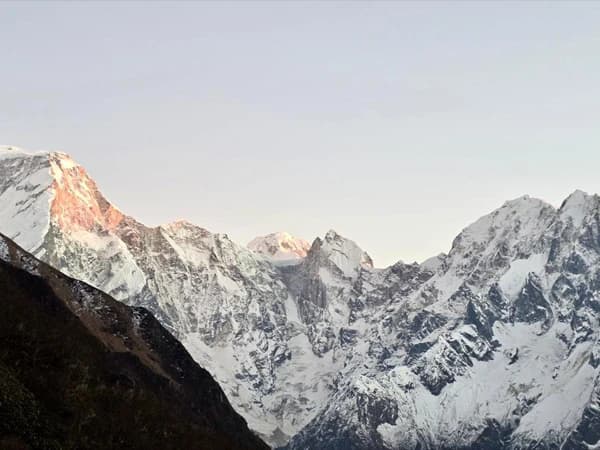
Picture this. The word Himalayas hits your ears, then, without notice, you are underneath massive mountains. Everest looms ahead. Annapurna I cuts the sky beside it. Ama Dablam stands sharp in the distance. Over there, Lhotse spreads wide. Makalu presses against the edge of sight. Everything feels smaller now.
Beneath your feet, Nepal’s trails unfold through dense thickets of rhododendron. Terraced farms cling to slopes, and beyond them, wide alpine clearings stretch out where gusts rush over untamed green stems. With each curve ahead, mountain summits suddenly appear.
Unique Culture and Mountain Villages
Up in Nepal’s mountains, villages feel caught in a quiet tale. People there open their doors wider than most.
Walking those paths, Sherpa people welcome you near Everest, while up north in the Langtang, it’s the Tamangs who shape daily life. Around Annapurna, Gurung voices rise through the morning air. Every group speaks differently, marks time with unique celebrations, and lives by its own quiet pulse.
High up near Namche Bazaar, witness Mani Rimdu, as masks swirl as prayers rise on fluttering cloth. Further along, Gurung settlements glow during Tamu Lhosar; garments flash bright while feet beat rhythm into the earth.
Around every corner, stone homes sit beside quiet temples where prayer wheels spin slowly. Smiles come easily here, and chances are someone will hand you a cup of yak butter tea or a bowl of dal bhat before long.
How To Choose the Best Trek in Nepal?
Start anywhere, yet Nepal's trails fit whoever shows up. Picture this: each path matches mood plus muscle, swapping flavor for challenge instead of dessert. Beginners find quiet climbs with big skies above. Those building strength test ridges that stretch past clouds.
Best Treks in Nepal for Beginners
New here? Trekking in Nepal can be gentle, think stunning peaks minus the exhaustion. Some paths welcome those just starting out, plus folks happy with light hikes. These routes keep it real, yet rewarding. First time on mountain trails? This place won’t knock you down.
● Difficulty: Easy to moderate
● Duration: 4 to 6 days, depending on pace
● Unique Highlights: Sunrise at Poon Hill, traditional Gurung villages, rhododendron forests, terraced fields, Himalayan panoramas, and accessible high-altitude experience
A walk to Poon Hill grabs attention fast, thanks to its wide-open mountain scenes minus the brutal climb. Tucked into the Annapurna zone, it unfolds across 4 to 7 days.
Trees heavy with red blooms line parts of the trail. Fields carved into hillsides pass by along the way. You move through clusters of homes where the Gurung people live, much like their ancestors did.
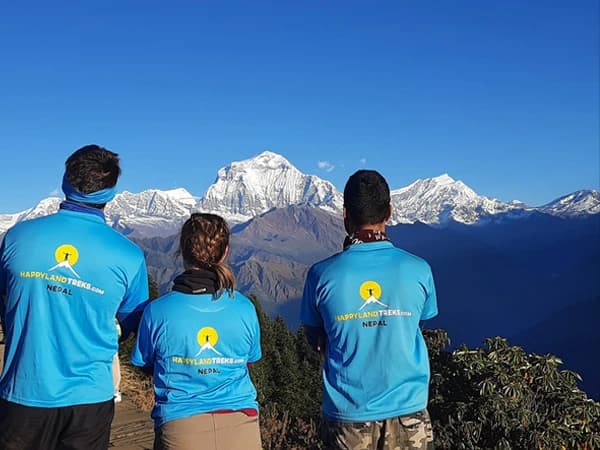
Poon Hill offers sunrise views. Golden light spills across Dhaulagiri as morning hits. The Annapurna range catches fire in soft hues. Machhapuchhare stands quietly under amber tones. Hiunchuli glows faint at first, then brightens with the hour Imagine unpacking Nepal’s soul in just days with temples beside rhododendron woods, snow giants rising at dawn, and trails whispering old stories.
● Difficulty: Easy to moderate
● Duration: 5 to 7 days, depending on your pace and side explorations
● Unique Highlights: Iconic Everest views without the extreme altitude, Sherpa village culture, Buddhist monasteries, panoramic viewpoints
The Everest View Trek is perfect for anyone who wants a taste of the Himalayas without committing to the grueling Everest Base Camp climb. Think of it as “Everest light” with maximum views and minimal complaining legs.
Up ahead, the trail cuts through Sagarmatha National Park where snow peaks peek between tree lines. You walk past Sherpa homes strung with colorful prayer flags fluttering in thin air.
Hugging the trail, monasteries cling to steep ground. Spring shakes loose a flood of rhododendrons, splashing color across the slopes. Out of nowhere, Everest cuts through the southern skyline. Close by, Lhotse lifts itself next to Nuptse’s broken rim, while Ama Dablam keeps its distance.
Midway, a Sherpa could call you closer, smiling while handing over steaming tea from a flask. You say “Namaste” awkwardly, naturally, and that mistake brings louder laughs.
Far beyond what eyes expect, the ridge above Namche Bazaar unfolds. Whether it's real or some kind of natural illusion hits hard when standing there.
Up high, but not out of breath, that’s how the Everest Panorama Trek feels. Instead of grueling climbs, there are wide views stretching far beyond the clouds. This path skips the brutal effort yet keeps the awe intact.
● Difficulty: Easy to moderate
● Duration: 5 to 7 days, depending on side trips and pace.
● Unique Highlights: Snow-capped peaks of Langtang Lirung, peaceful alpine meadows, Tamang villages, Buddhist monasteries, and glacial streams
Hidden behind quieter trails lies the Langtang Valley Trek, ideal for those who seek high peaks minus the swarm of hikers. Few know how deeply this path in Nepal delivers raw mountain beauty far from busy routes.
Far north of Kathmandu, reachable in under a day, the path slips between thick woods, bright streams, then steps past carved fields. Suddenly, the sky widens, valley floor hushed beneath giants such as Langtang Lirung.
Walking through these hills brings more than views. You could meet people who welcome you into their homes, offering warm cups of yak butter tea or a bowl of dal bhat made fresh.
Moderate Treks in Nepal
Finding balance between thrill and reachability, moderate treks in Nepal suit those eager for adventure minus the extreme hardship. You will walk past dramatic peaks where sky meets stone, crossing paths above tree line while stumbling upon quiet settlements tucked into slopes.
● Difficulty: Moderate; suitable for trekkers with some experience.
● Duration: 7 to 10 days, depending on pace and side trips.
● Unique Highlights: Annapurna I, Machapuchare (Fish Tail), stunning sunrise and sunset views, Gurung villages, rhododendron forests
A journey begins where trails rise through rhododendron forests, heading toward Annapurna’s shadow. This path does not demand expert climbing skills, just steady steps and clear skies ahead.
Reaching base camp feels quiet at first, surrounded by towering rock faces dusted in snow. You see the peak more closely than most ever do, standing firm against wide open air. No special permits beyond standard ones are required here.
Winding paths lead past thick rhododendron woods, step-like farm plots, then quiet Gurung homes, only after does the land rise sharply toward MBC. The air thins as views shift abruptly to raw alpine terrain near ABC.
Footsteps carry you past villagers tending crops, while towering snowcaps rise behind them like silent giants. Morning breaks at base camp with light spilling across ridges. Legs ache again once the sun climbs higher, but by then, memory softens the strain.
Every step feels like old-school mountain dreams, yet somehow you never miss the ease of Kathmandu’s streets.
● Difficulty: Moderate; suitable for trekkers with some experience.
● Duration: 5 to 7 days, depending on your pace.
● Unique Highlights: Mardi Himal Base Camp, Machapuchare (Fish Tail) panoramas, rhododendron forests, quiet villages, and spectacular sunrise and sunset views over the Annapurna range.
Hidden away in the Annapurna area, the Mardi Himal Trek offers big mountain sights minus the busy trails of Annapurna Base Camp. Though quieter, it still pulls climbers with rich forest paths where sunlight cuts through thick leaves.
Villages appear along the route with small stone homes built by Gurung families whose lives move with the seasons. Instead of rushing, the path steps upward slow, winding past fields carved into hillsides like shelves. Eventually, the trees thin out, making space for wide-open skies and sharp peaks that rise without warning.
Down the path, tea houses wait quietly where people greet you like family instead of strangers. Yaks might tempt your attention, but someone watches so you stay found. Laughter slips out now and then with simple jokes that fit just right between breaths.
Imagine stepping behind the curtain of the Annapurna peaks, suddenly you are inside a world few ever see.
● Difficulty: Moderate
● Duration: 6 to 8 days, depending on side trips and pace.
● Unique Highlights: Himalayan panorama of Everest and Makalu, Sherpa villages, sunrise and sunset vistas, terraced farmlands, and peaceful alpine landscapes away from crowds.
Away from the crowds, Pikey Peak unfolds quietly among the trails near Everest. Moving along gentle paths, you pass thick woodlands followed by stone-walled farms carved into hillsides.
Villages appear one after another, each home to families who have lived here for generations. Footsteps lead higher, where open spaces begin to glow under mountain light. At last, the summit opens wide, where Everest stands tall, joined by Lhotse and Makalu.
Nowhere else feels quite like stepping onto that path. Friendly Sherpas wave hello as you pass. Inside small tea houses, thick yak butter tea warms your hands. You move slowly through village paths, watching daily life unfold.
Golden light spills over mountain tops at dawn. Colorful prayer flags flutter wildly when the wind picks up. This kind of Himalayan experience comes without packed trails or exhausted legs.
Challenging Himalayan Treks
Hiking tough trails in Nepal’s mountains suits those chasing big views, thin-air excitement, maybe even wondering why they left flat ground behind. Each step brings raw alpine moments, stories shaped by effort, not luck. These paths deliver what few walks can. The payoff? Memories earned slowly, one sore muscle at a time.
● Difficulty: Challenging; requires good fitness and some high-altitude experience.
● Duration: 12 to 14 days, including acclimatization.
● Unique Highlights: Everest and surrounding 8,000-meter peaks, Sherpa culture, Tengboche Monastery, high-altitude alpine landscapes, Khumbu Glacier, and an unbeatable sense of accomplishment.
Standing below the highest peak on Earth, reaching Everest Base Camp lets you touch the edge of extreme altitude without tackling the summit itself. This journey fills a spot on many life lists, an experience built on thin air and steady steps.
Worth every breath, this tough hike winds into Sagarmatha National Park. Through Sherpa settlements it moves, then alongside ancient monasteries tucked in stone. Footpaths cross swaying bridges, ropes creaking above icy river flows.
Peaks rise without warning, Everest, Lhotse, sharp-edged Nuptse appear. Ama Dablam gleams like a prayer flag caught in light, Cho Oyu stands distant but clear.
Up high, you will find Namche Bazaar, often called the heart of Khumbu, and that last glimpse before reaching Everest Base Camp. This journey skips the climbing gear but keeps everything else. Tough? Yes. Full of air-catching moments? Always. Worth every step? Without question.
● Difficulty: Challenging; requires good fitness and high-altitude experience.
● Duration: 11 to 18 days, depending on route variations.
● Unique Highlights: Thorong La Pass, diverse Himalayan ecosystems, cultural immersion in multiple ethnic villages, Annapurna and Dhaulagiri panoramas, and a mix of lush valleys and high-altitude deserts.
Winding through Nepal's heart, the Annapurna Circuit reveals raw terrain that suddenly lifts into sharp summits with every turn. Where old paths test balance, valley floors hum with quiet rhythms.
High above, curving tight along the Annapurnas, a thin path starts where dense forest hugs warmth. Rising fast from that point, earth lifts without mercy while greenery fades into cold grip. With each stride upward, altitude claims more breath till finally the track clears at Thorong La Pass.
Now there are small villages where Gurung families live. Later on, lands of the Thakali people begin to show. Ahead still, buildings belonging to Manangis hold fast when wind pushes hard.
● Difficulty: Challenging; requires good fitness, trekking experience, and acclimatization.
● Duration: 12 to 16 days, depending on pace and side trips.
● Unique Highlights: Mount Manaslu panoramas, Larkya La Pass, Tibetan-influenced villages, monasteries, alpine meadows, and some of the most remote and untouched Himalayan landscapes in Nepal.
Winding around the massive peak of Manaslu, the trail unfolds where green valleys give way to alpine silence. Think rugged paths few have walked, rising past thickets of rhododendron into thinning air.
Villages appear like echoes of ancient ways, shaped by culture drifting down from Tibet over centuries. Expect steep climbs that leave breath short, yet views stretch so wide they quiet thought altogether.
Wild views open up after climbing Larkya La Pass, tucked at 5,160 meters. Hidden villages dot the route, quiet, standing long before maps came. Monasteries cling to ridges, old stones warmed by sun. Meadows stretch wide, empty, blooming only when snow melts away.
Those who crave empty trails beneath towering peaks will find their match here. Hard climbs bring big payoffs, think silence, snow, and sky.
How Much Do Treks in Nepal with Local Experts Cost?
Excitement fills the air when Nepal treks come to mind, right up until prices do. Yet joining forces with local experts who know the trails changes everything quietly.
How much you pay for trekking in Nepal ties directly to how long it is, how tough it gets, because of where you go. A first-time walk such as Poon Hill, Everest View, or through Langtang Valley often lands between USD 500 to 900.
Treks that ask a bit more like Annapurna Base Camp, Mardi Himal, or Pikey Peak, move into USD 700 to 1,200. When the journey pushes harder with Everest Base Camp, full loop around Annapurna, circling Manaslu, the price stretches from USD 1,200 to 2,500 and sometimes beyond.
This typically covers your regional guide, stays in snug tea houses, food such as dal bhat, momo, noodle, fry rice, spaghetti, thukpa, plus piping-hot chai, along with trekking authorizations and national park charges. So, what's left out? Airfare to or from Kathmandu, coverage through travel insurance, individual equipment, warm shower fees, internet access, gratuities, and unplanned medevac expenses, since rescues by yak remain oddly absent from most packages.
A spring or autumn climb means higher prices as timing pushes demand. Smaller groups usually pay more, especially if it is just one traveler instead of a full team. Paying extra might get you help carrying gear or better places to sleep at night.
Nepal Trekking Guide Rules and Regulations
Walking through Nepal has some must-follow steps, safety first, nature cared for, guides treated right. Certified local leaders? Required in spots such as Manaslu or Upper Mustang; thinking your phone knows better won’t work here.
Every now and then, someone shows up needing direction through rough terrain. Trails twist without warning, so having help makes sense most days. Following routines that match how bodies adjust to thin air keeps things steady.
When trouble hits, knowing what steps come next matters more than speed. Here, locals notice even little choices. Paths exist for reasons not always obvious at first glance.
Truth is, those guidelines? They are less about strictness and more about keeping things smooth. Safety slips in quietly when you let someone else handle decisions. Respect shows up without fanfare.
Best Time for Trekking in Nepal
The best time for trekking in Nepal is spring (March to May) and autumn (End of September to November), when the skies are clear, the mountains glow, and your selfies actually look like they belong in a travel magazine. Now a days December also good time but more colder up in the mountain.
Spring And Autumn: Peak Trekking Seasons
No contest, spring and autumn top the list for walking through Nepal. Come March through May, paths explode in color: rhododendrons lead the show, joined by bursts of wild blooms and fresh leaves waking up.
Morning light stretches long across the trails when fall arrives, September easing into November. Golden sunsets paint the peaks, while skies stay sharp and clear. Hikers find their views unblocked, Everest standing visible rather than hidden behind drifting cloud cover.
Fewer crowds mean more room to breathe during March through May, then again as leaves turn. Weather stays mild when festivals pop up in villages along the route. Hiking feels easier when temperatures aren’t chasing extremes. Trails stay alive with color before summer arrives.
Winter and Monsoon Trekking in Nepal
Bravery? That is what it takes when trekking through Nepal’s snowy months, think December all the way to February. Monsoon trails, June into August, turn wild and slick, where every step feels like a gamble. Boots fill with slush. They freeze overnight. Ice forms underfoot without warning.
One foot after another on hushed forest lanes, frost-laden summits rise ahead, morning light spilling across a world painted white, yet cold bites deep.
Wet season hikes bring thick green woods, thundering streams, water crashing down every slope, pretty enough, till paths turn slick.
Fall brings quiet roads, empty trails, close-knit towns. Winter offers frost-laced fields, still air, views that stick in your mind.
Frosty trails under moody skies, winter hikes here pack wild beauty, monsoon paths add soaked surprise. Ready for it? The peaks leave marks on anyone who walks near them.
Why Choose Happyland Treks for Your Nepal Trek?
Starting a journey through Nepal's trails? Go with people who know every turn. Safety matters most, yet laughter echoes just as loud along the path. Worried about yaks? None here to startle you. You can pick one of the local operator Happyland Treks when footprints must feel right without surprises.
Years shaping trails across the Himalayas, such as Annapurna, Everest, Langtang, Manaslu, and farther out, build what we do. Personalized journeys take form, fitting anyone: maybe your boots have never hit a slope, perhaps you walk steady paths now, or likely you chase peaks like storms.
Hidden trails lead to quiet tea houses where steam rises from clay cups. Local stories unfold beside mountain views few ever see. Guides who grew up here point out paths that maps ignore.
Wildlife walks slip in naturally, blending animal trails with local life. Custom trips tie it together, mixing high passes, traditions, and jungle paths into something that sticks.
What if your trip could feel made just for you? Our crew’s already on it. A solo hike up high with your own mountain guides, sure, we handle that. Reaching a peak only to snap one steady photo, even when the wind's wild, that kind of moment lands right in our hands.
That is what Happyland Treks does: permits sorted, routes planned, village customs explained, so your mind stays light. You just walk. Breathe. The high trails become yours without the headache.
FAQs
Do I really need a guide for trekking in Nepal?
Yes, unless you want to get lost, argue with a yak, or accidentally take a shortcut that leads to nowhere. A certified guide keeps you safe, shows hidden gems, and can even teach you how to pronounce “Namche Bazaar.” And easy to know the culture and their traditional.
Can beginners do the Himalayan treks in Nepal?
Absolutely! Nepal has treks for all levels. Poon Hill, Everest View, and Langtang Valley are perfect for beginners.
What about safety at high altitudes?
Guides handle acclimatization schedules, emergency plans, and even advise when to take an extra rest day, walking peace etc.
Do I need a porter for my trek?
Not required, but highly recommended, unless you enjoy carrying a backpack that feels like it’s secretly training for the Olympics. A porter carries your luggage, sets up tea house rooms, and occasionally shares hilarious trekking stories that make your legs feel lighter.
Do I need trekking permits in Nepal?
Yes! You will need a trekking permit like Annapurna conservation national park permits, Everest Sagarmatha national park permit, Pasanh Lhamu municipality fees, and for restricted areas like Manaslu or Upper Mustang, special permits are mandatory.
Can I trek in Nepal during the monsoon or winter?
Technically yes, but be ready for mudslides, icy paths, and rivers that suddenly feel like rapids. It is looks more waterfall, river water, greenery etc.